Winch Snatch Block Safety Tips: Essential Guidelines for Safe Use
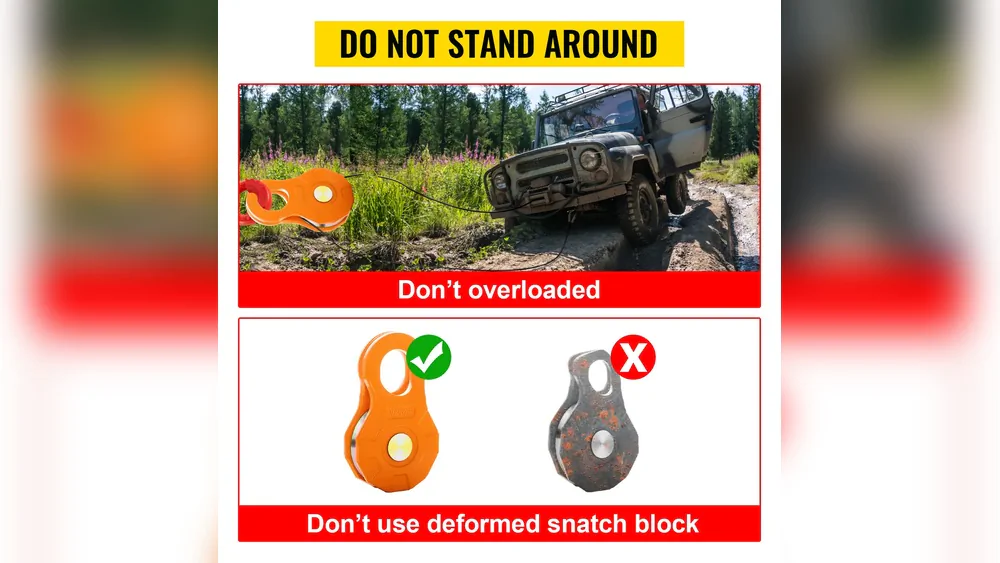
A winch snatch block is a simple but powerful tool. It multiplies pulling force, changes the direction of a winch line, and helps in tough recovery situations. But, if used carelessly, it can turn dangerous in a split second. A snatch block under tension stores a lot of energy—if anything fails, the result can be deadly.
Whether you are off-roading, working in forestry, or towing a vehicle, knowing how to use a snatch block safely is essential.
Let’s look at the most important winch snatch block safety tips, with clear steps, examples, and insights that many people miss.
Understanding The Snatch Block
A snatch block is a type of pulley with a side plate that opens, so you can place the winch cable inside. It lets you double your winch’s pulling power or redirect the cable around obstacles. Because it handles heavy loads, the risks are real if you don’t use it properly.
One common mistake: Many beginners think a snatch block is just an accessory. In reality, it is a critical safety tool that can make or break a recovery operation.
Pre-use Inspection
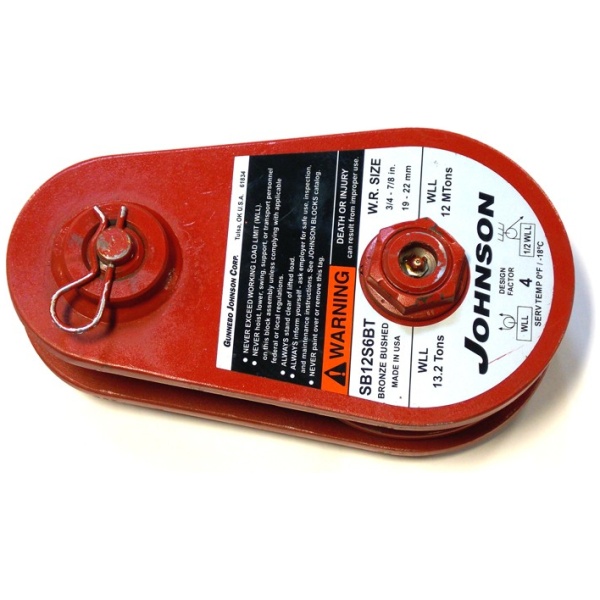
Before every use, check your snatch block carefully. Look for:
- Cracks or deformation in the side plates
- Worn or damaged sheave (pulley wheel)
- Seized bearings that don’t rotate smoothly
- Rust or corrosion on pins or moving parts
Replace any snatch block with visible damage. Even a small crack can become a serious failure point under tension.
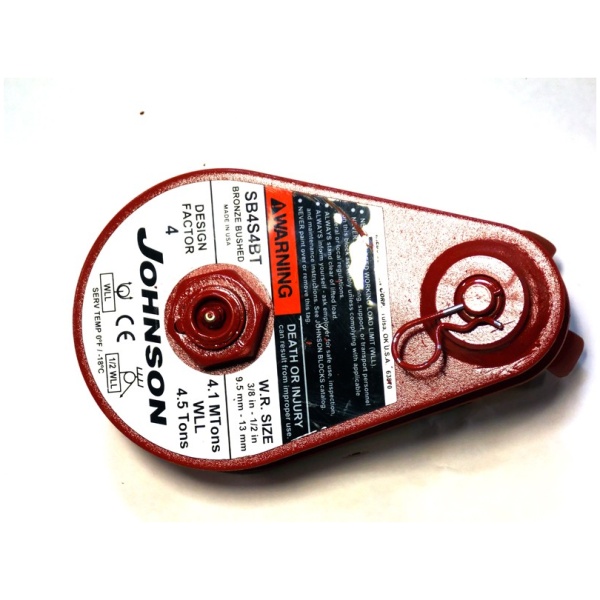
Credit: winchesinc.com
Matching The Equipment
Always match your snatch block’s rated capacity to your winch and recovery needs. Using a snatch block that is too weak for your winch load is a recipe for disaster.
Here’s a quick comparison:
| Winch Capacity (lbs) | Minimum Snatch Block Rating (lbs) |
|---|---|
| 8,000 | 16,000 |
| 12,000 | 24,000 |
| 15,000 | 30,000 |
A good rule: The snatch block should be rated for at least twice the winch’s pulling power. This is because using a snatch block doubles the load on the block and anchor point.
Proper Rigging Techniques
The way you set up your snatch block matters.
- Open the side plate and place the cable in the groove.
- Close and lock the side plate securely.
- Attach the block to a strong anchor point—a tree with a tree trunk protector, a tow hook, or a rated recovery point.
- Make sure the cable sits deep in the sheave groove and is not pinched.
One non-obvious tip: When using synthetic winch lines, always check for sharp edges on your snatch block. Metal burrs can cut synthetic rope quickly.
Anchor Point Safety
The anchor point must be as strong as your snatch block. Weak trees, old tow balls, or poorly welded hooks can fail. Always use a tree protector strap or a dedicated recovery point.
Here’s an example comparison of anchor choices:
| Anchor Type | Safe for Snatch Block? | Notes |
|---|---|---|
| Tree with Strap | Yes | Protects tree, distributes load |
| Tow Ball | No | Can shear off under load |
| Rated Recovery Point | Yes | Best option for vehicles |
Never use tow balls for recovery—they can break and become deadly projectiles.
Monitor The Cable Path
Before winching, check that the cable is not crossing itself or rubbing on sharp surfaces. The cable should enter and exit the snatch block in a straight line. If the cable bends too sharply, it can get damaged or jump out of the sheave.
A helpful trick: Place a heavy recovery damper or a thick jacket over the middle of the winch line. This reduces the risk of recoil if anything snaps.
Keep A Safe Distance
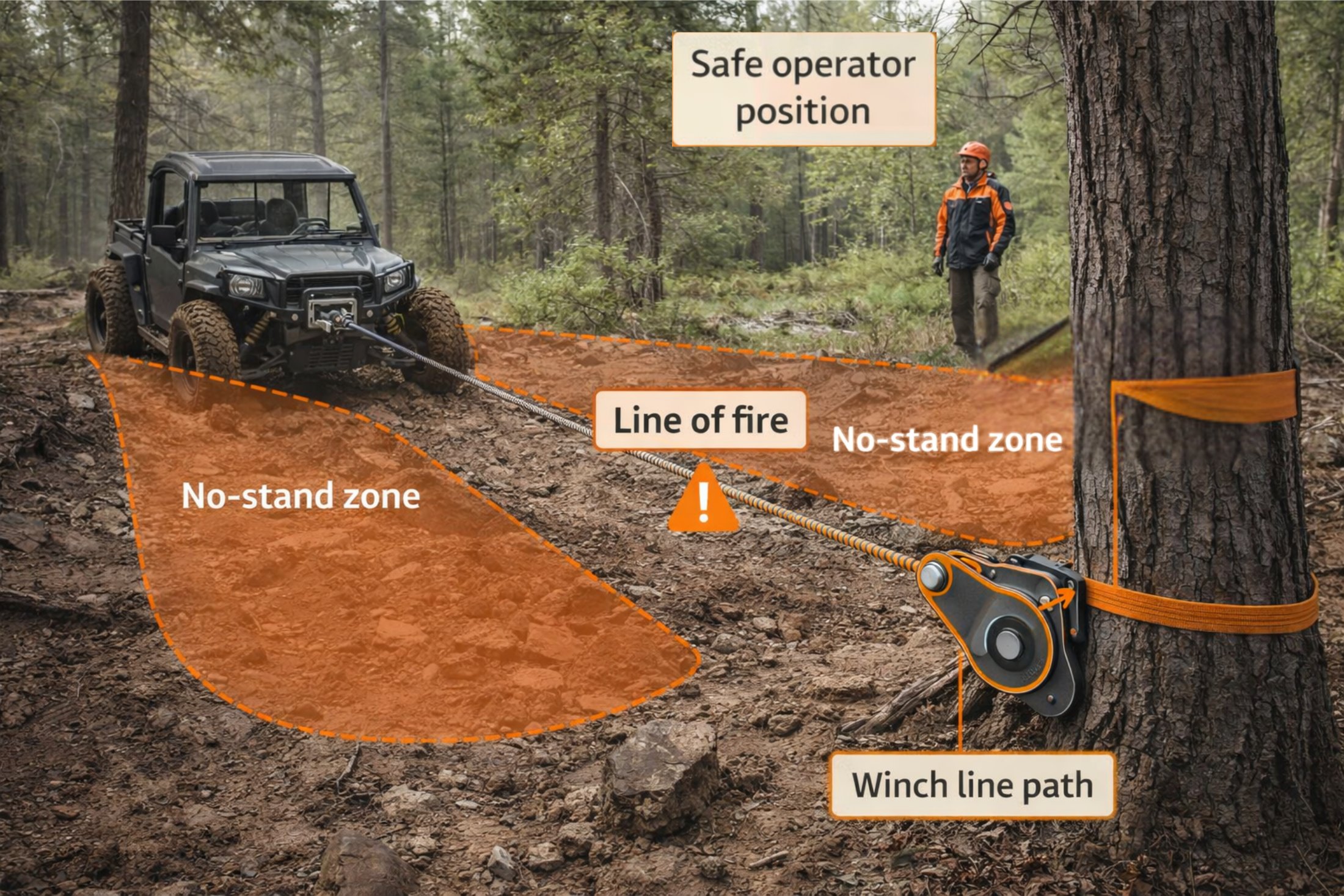
Once everything is set up, keep all people well away from the recovery zone. A snapped cable or flying snatch block can travel with fatal force.
The safe distance is at least 1.5 times the length of the winch line. Never stand inside the “line of fire.” Mark the danger area and keep bystanders out.
Operate Smoothly
Start winching slowly and watch the snatch block and cable. Listen for unusual sounds—creaking, snapping, or grinding noises mean stop and check everything.
Never jerk the winch or make sudden movements. Smooth, steady pulls are safer and less likely to damage your gear.
Regular Maintenance
After each use, clean your snatch block. Remove mud, dirt, or sand that can wear down moving parts. Lubricate the bearings with a light oil to keep the sheave spinning freely.
Store your snatch block in a dry place. Rust and moisture are silent killers.
Advanced Tips Many Miss
- Double up on safety: For heavy recoveries, use two snatch blocks to reduce the load on each block and the cable.
- Tag lines: For complex pulls, attach a thin rope (tag line) to the snatch block. This lets you control its position from a safe distance, reducing the risk of it swinging dangerously if the line goes slack.
Credit: atvnotes.com
Common Mistakes To Avoid
- Using a snatch block with unknown ratings or no markings.
- Attaching to weak points like tow balls or untested hooks.
- Ignoring visible damage or stiff movement in the block.
- Rushing the process—most accidents happen when people hurry.
- Forgetting to check anchor points after heavy pulls.
Real-world Example
A 4×4 group tried to recover a stuck vehicle using a worn snatch block attached to a rusty tow ball. Under tension, the tow ball snapped and shot through the air, narrowly missing a bystander. The vehicle was not recovered, and the snatch block was ruined.
This shows why every safety step matters.
Credit: winchesinc.com
Frequently Asked Questions
What Is A Snatch Block Used For?
A snatch block is used with a winch to change the direction of a pull or double the pulling power. It helps recover stuck vehicles, move heavy logs, or handle tough towing jobs.
How Do I Know If My Snatch Block Is Strong Enough?
Check the rated capacity marked on the block. It should be at least twice your winch’s maximum pull. For example, a 10,000 lb winch needs a 20,000 lb snatch block.
Can I Use A Snatch Block With A Synthetic Winch Line?
Yes, but make sure the snatch block has a smooth, clean sheave with no sharp edges. Some blocks are designed specifically for synthetic ropes.
Is It Safe To Use A Snatch Block On A Tow Ball?
No, never attach a snatch block or recovery strap to a tow ball. Tow balls can break and become projectiles. Use a rated recovery point instead.
Where Can I Learn More About Snatch Block Safety?
You can find more detailed information and guidelines on the Wikipedia: Snatch Block page.
A winch snatch block can be your best friend in tough recovery jobs, but only if you use it with care and respect. Always inspect your gear, match ratings, and follow proper rigging and safety steps. Remember, safety is not just about the right equipment, but also about calm and careful use.
With these tips, you can work smarter, safer, and with confidence every time you need your winch.
Related posts
 Why You Should Use a Foam Cannon for Car Washing: Ultimate Guide
Washing your car is more than just making it look good. It protects the paint, keeps the value high, and makes driving feel better. But if…
 How to Clean Leather Seats Without Damaging Them: Expert Tips
Keeping your leather seats clean can be a challenge. Leather looks beautiful and feels luxurious, but it needs special care. Many people worry about damaging their…
 Why Using a Ceramic Coating Spray is Important for Your Car’s Shine
If you care about your car’s appearance and value, you probably wash and wax it regularly. But did you know there’s a better way to protect…