
Winch Recovery Ring Explained: Ultimate Guide for Off-Road Safety
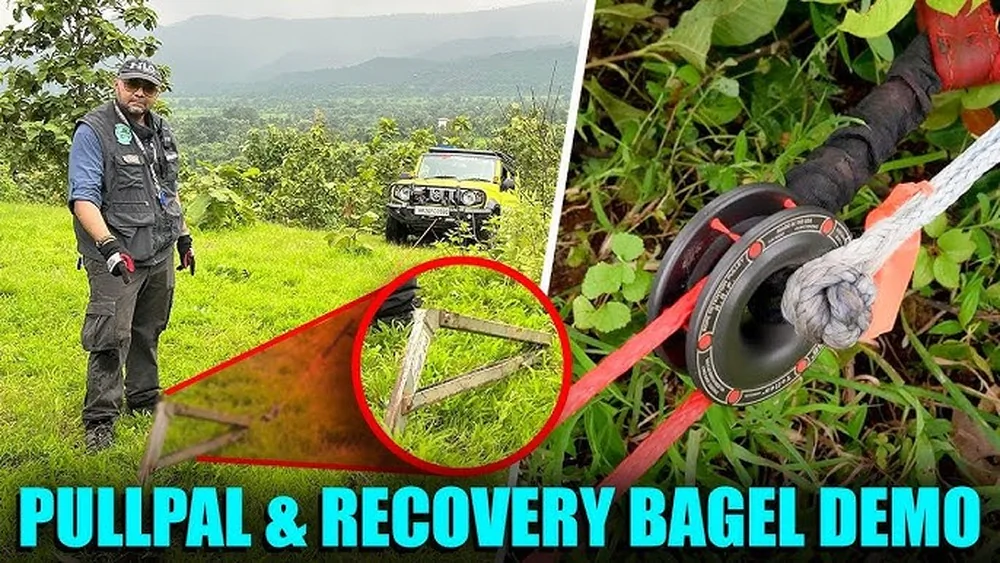
Winch Recovery Ring Explained
Getting stuck off-road can happen to anyone, whether you are an experienced adventurer or a weekend explorer. Traditional snatch blocks have been the go-to for years, but the winch recovery ring is rapidly changing how 4×4 owners approach vehicle recovery. Understanding what a winch recovery ring is, how it works, and why it matters can make your next winching job safer, faster, and easier.
What Is A Winch Recovery Ring?
A winch recovery ring is a compact, lightweight pulley device made from high-strength aluminum or similar metals. It is used in vehicle recovery to change the direction of a winch line or to increase the pulling power of a winch by creating a mechanical advantage. The recovery ring works with soft shackles and synthetic winch ropes, making it a modern alternative to the traditional steel snatch block.
How Does A Winch Recovery Ring Work?
Instead of using heavy steel pulleys, the winch recovery ring uses a smooth, round surface to guide the synthetic rope. During a recovery, you attach the ring to a secure recovery point with a soft shackle, pass the winch line through the ring, and then begin pulling.
The rope slides smoothly around the ring, reducing friction and allowing for efficient redirection of force.
Step-by-step Example
- Secure a soft shackle through the ring and a recovery point.
- Pass the synthetic winch rope through the ring.
- Begin winching; the ring allows the rope to glide and redirect force.
This setup is especially helpful when you need to pull from an angle or double your winch’s pulling power.

Credit: www.youtube.com
Winch Recovery Ring Vs Snatch Block
Many off-roaders ask if a recovery ring can really replace a snatch block. Here is a direct comparison:
| Feature | Winch Recovery Ring | Snatch Block |
|---|---|---|
| Weight | 200-400g | 1-3kg |
| Material | Aluminum | Steel |
| Rope Type | Synthetic only | Synthetic or steel |
| Maintenance | Low | Medium-High |
| Setup Speed | Fast | Slower |
The winch recovery ring is lighter, easier to store, and faster to deploy. However, it is designed for use with synthetic ropes only—not steel cables.
Key Benefits Of A Winch Recovery Ring
- Lightweight: Most rings weigh less than a pound, making them easy to carry.
- Compact: Fits in a glove box or small recovery bag.
- Durable: Made from hard-anodized aluminum for resistance to wear and corrosion.
- Safe: Works with soft shackles, reducing the risk of injury from flying metal parts.
- Quick Setup: No moving parts, so there’s less to go wrong in the field.
A useful insight is that the ring’s simple design means there is very little to break or jam, unlike snatch blocks that can seize or fail if not maintained.
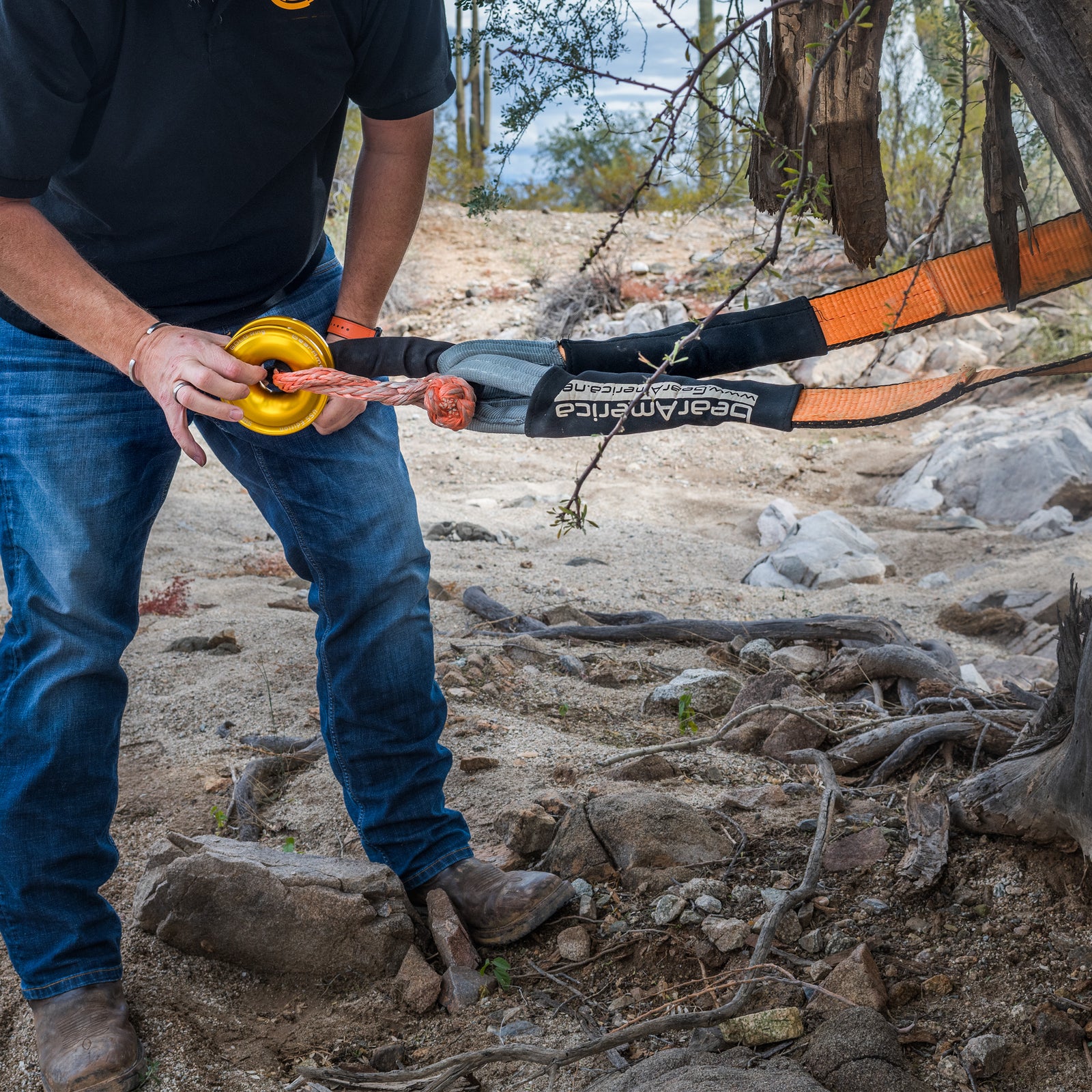
Credit: www.gearamerica.com
How To Use A Winch Recovery Ring
Using a recovery ring is straightforward, but correct technique is essential for safety and performance.
- Choose a solid anchor point—a tree or recovery point rated for the load.
- Attach a soft shackle through the anchor and the ring.
- Feed the synthetic winch line through the ring’s center groove.
- Check alignment: The ring must be aligned with the direction of pull.
- Winch slowly: Synthetic rope heats up with friction, so do not rush.
- Monitor for wear: Check the ring and rope after each use.
A common mistake is using a recovery ring with a steel winch cable. This can damage both the ring and the cable, and is unsafe.
When Should You Use A Winch Recovery Ring?
A recovery ring is best in these scenarios:
- Double Line Pulls: When you need more pulling power, use a ring to loop back to your vehicle.
- Off-Angle Recoveries: Changing the direction of pull around a tree or rock.
- Solo Recoveries: When you don’t have a helper, a ring is easy to set up alone.
It’s not suitable if you are using a steel cable or if the winch rope is frayed.
Selecting The Right Winch Recovery Ring
Not all rings are the same. Here is what to check:
| Specification | Why It Matters |
|---|---|
| Rated Working Load | Must match or exceed your winch’s capacity |
| Rope Groove Diameter | Should fit your synthetic rope size (usually 10-12mm) |
| Material Quality | Look for aircraft-grade or hard-anodized aluminum |
| Surface Finish | Smooth finish reduces rope wear |
Most off-roaders choose a 22kN (about 22,000kg) rated ring for mid-size vehicles, but always check your own gear specifications.
Safety Tips For Using Winch Recovery Rings
- Always wear gloves when handling winch ropes and rings.
- Inspect the soft shackle and synthetic rope for damage before each use.
- Keep bystanders away from the recovery area.
- Do not exceed the rated load of the ring or the shackle.
- Never use the ring with steel winch cables.
An often-missed point is the importance of letting the rope cool between heavy pulls—synthetic rope can soften or deform if overheated.
Maintenance And Care
Winch recovery rings are low-maintenance but not maintenance-free. After each use, wipe off dirt and check for scratches or grooves that could damage your rope. Occasionally, clean with mild soap and water, then dry before storage. Store rings in a soft pouch to avoid dents or damage.
Real-world Example
Imagine your 4×4 is stuck in deep mud. A traditional snatch block is heavy, and setup takes time. With a winch recovery ring, you can quickly attach to a tree with a soft shackle, feed the synthetic rope, and begin pulling.
If you need to change the direction of pull twice, adding another ring is fast and keeps your recovery safe and efficient.
Where Winch Recovery Rings Excel
- Overlanding: When every gram counts and space is tight.
- Solo Off-Roading: Quick solo recoveries without help.
- Competitive Off-Road Events: Fast, reliable, and safe for repeated use.
Are There Downsides?
While recovery rings are excellent for most synthetic rope users, they are not universal. Steel cable users must stick with snatch blocks. Extreme cold can make synthetic ropes less flexible, which affects ring performance. Also, rings do not offer as much mechanical advantage as some double-sheave snatch blocks.
For more in-depth information on vehicle recovery gear, check out Wikipedia’s winch article.

Credit: www.peakgear.com
Frequently Asked Questions
What Is The Main Advantage Of A Winch Recovery Ring?
The main advantage is its lightweight design and quick setup. It works best with synthetic ropes and requires less maintenance compared to traditional snatch blocks.
Can I Use A Winch Recovery Ring With A Steel Cable?
No, winch recovery rings are designed only for synthetic winch ropes. Using them with steel cables can cause damage and is not safe.
How Much Pulling Force Can A Recovery Ring Handle?
Most rings are rated between 15,000kg and 22,000kg. Always check the manufacturer’s rating and never exceed the stated working load.
How Do I Maintain My Winch Recovery Ring?
Clean the ring after every use, inspect for grooves or sharp edges, and store it in a soft bag. Avoid dropping it on hard surfaces to prevent dents.
Do I Need A Soft Shackle To Use A Recovery Ring?
Yes, a soft shackle is the preferred connection because it is lightweight, safe, and works perfectly with the smooth surface of the recovery ring.
A winch recovery ring is a small investment that brings big improvements in safety, speed, and convenience for off-road recovery. With the right knowledge and gear, you can recover your vehicle with confidence, even in the toughest conditions.
Related posts
 Why You Should Use a Foam Cannon for Car Washing: Ultimate Guide
Washing your car is more than just making it look good. It protects the paint, keeps the value high, and makes driving feel better. But if…
 How to Clean Leather Seats Without Damaging Them: Expert Tips
Keeping your leather seats clean can be a challenge. Leather looks beautiful and feels luxurious, but it needs special care. Many people worry about damaging their…
 Why Using a Ceramic Coating Spray is Important for Your Car’s Shine
If you care about your car’s appearance and value, you probably wash and wax it regularly. But did you know there’s a better way to protect…