
Winch Recovery Gear for SUVs and Trucks: Essential Off-Road Tools
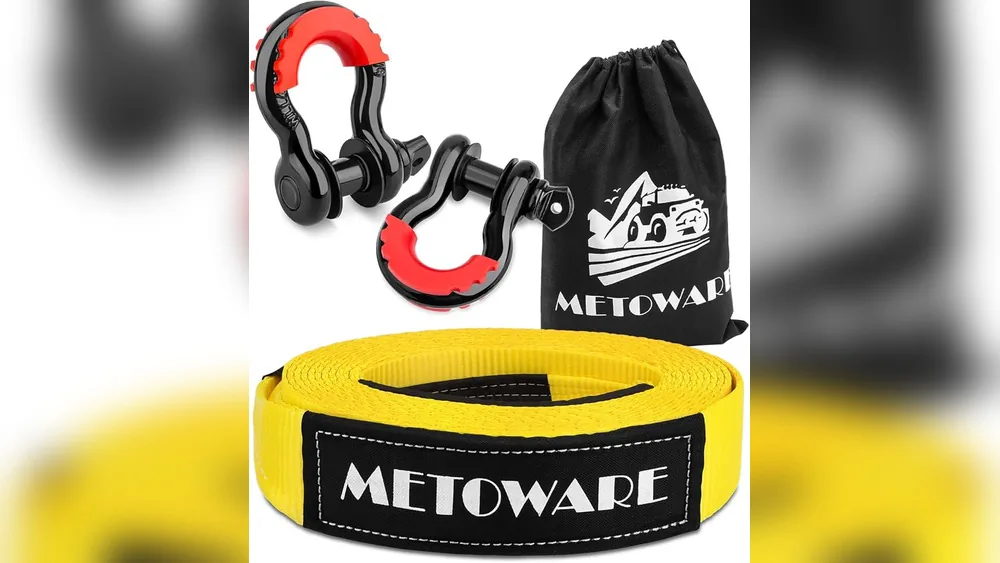
Winch Recovery Gear For Suvs And Trucks
Getting stuck on a muddy trail or in deep snow is a real risk when driving SUVs and trucks off-road. Even experienced drivers face challenging terrain that can leave a heavy vehicle stranded. That’s where winch recovery gear comes in—a reliable set of tools that can turn a tough situation into a manageable rescue. The right gear doesn’t just help you get unstuck; it keeps you and your passengers safe, protects your vehicle, and can even save time and money.
If you’re investing in an off-road winch, understanding the full range of recovery gear is essential. Many beginners focus only on the winch itself, but a winch alone is not enough for safe, effective recoveries. Let’s break down the must-have gear, how it works, and what sets great kits apart from basic ones.
Essential Winch Recovery Gear
A well-prepared winch kit goes beyond the winch motor and cable. Here’s what you absolutely need for safe recovery operations:
1. Winch
The heart of your system. For SUVs and trucks, choose a winch rated for at least 1.5 times your vehicle’s gross weight. For example, a 6,000-pound truck should have a winch rated at 9,000 pounds or more. Look for features like synthetic rope (lighter, safer) or steel cable (cheaper, more durable).
2. Winch Line Dampener
A heavy-duty blanket or pad placed over the cable during pulls. If the line snaps, the dampener absorbs energy and reduces the chance of injury. Many beginners overlook this, but it’s essential for safety.
3. Tree Saver Strap
Protects both the tree and your winch line. Unlike regular tow straps, these are wide and short, designed to wrap around a tree without damaging the bark. This is critical for environmental responsibility and reliable anchor points.
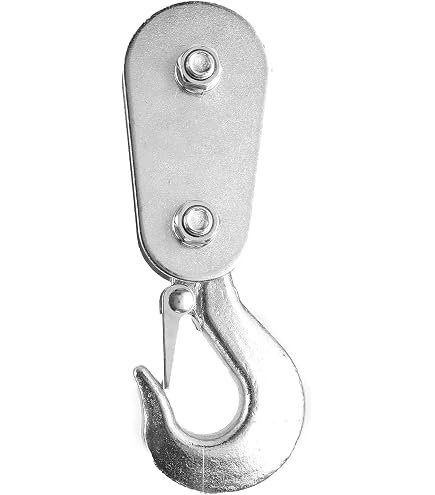
4. Snatch Block
A pulley device that lets you double your winch’s pulling power or change the direction of the pull. Many underestimate how often a snatch block is needed, especially when recovering heavier vehicles or working at an angle.
5. D-shackles (bow Shackles)
These connect straps, snatch blocks, and winch lines securely. Carry at least two rated shackles in your kit. Always check the working load limit before use.
6. Recovery Strap (snatch Strap)
Unlike a tree saver, this is a stretchy strap designed to help pull a vehicle with another vehicle. The elasticity stores kinetic energy for a smoother pull.
7. Gloves
Heavy-duty gloves protect your hands from frayed cables, sharp edges, and pinching during rigging. Never winch bare-handed.
8. Winch Line Extension
Sometimes the distance to the anchor is further than your winch line. Quality extension straps add 20–30 feet of reach.
9. Traction Boards
Not part of the winch, but essential for sand, snow, or mud. They can help you gain enough grip to move before the winch is needed or after a partial pull.
10. Recovery Damper
Extra dampers are useful for long pulls or when using multiple lines.
How The Gear Works Together
Understanding how these tools interact can save time and prevent mistakes. For example, if you need to recover from a ditch and there is no tree nearby, you might:
- Use a snatch block to change direction.
- Add a winch line extension to reach a distant anchor.
- Secure everything with D-shackles.
- Place a dampener on the line for safety.
This combination maximizes your winch’s capacity and keeps everyone safe.
Here’s a quick look at how some gear items compare in use:
| Gear | Main Function | Extra Benefit |
|---|---|---|
| Snatch Block | Increase pulling power | Change pull direction |
| Tree Saver Strap | Anchor to tree | Protects tree & strap |
| Winch Dampener | Absorbs recoil | Increases visibility |
Choosing The Right Recovery Gear
Not all kits are equal. Here’s what to check before you buy:
- Rated Strength: Match all gear to your vehicle’s weight, not just the winch.
- Material: Synthetic rope is safer but more expensive; steel cable is stronger but heavier and can develop burrs.
- Compatibility: Make sure shackles, straps, and blocks fit your winch and each other.
- Storage: Choose gear that fits in a portable bag for quick access.
Many new users miss the importance of gear inspection. After each use, check for fraying, bending, or rust. Retire damaged items immediately to avoid dangerous failures.
Advanced Gear And Upgrades
As you gain experience, you’ll discover some useful upgrades:
- Wireless Winch Remotes: Allow you to operate the winch from a safe distance.
- Soft Shackles: Made from synthetic fibers, they’re lighter and safer than steel, though more expensive.
- Kinetic Recovery Ropes: Even stretchier than snatch straps; ideal for pulling stuck vehicles with less shock load.
Here’s how a few advanced options compare:
| Upgrade | Pros | Cons |
|---|---|---|
| Soft Shackles | Lightweight, no sharp edges | Higher cost, can be cut |
| Kinetic Rope | Smoother pulls, less shock | Not for winching |
| Wireless Remote | Operate from a distance | Needs batteries, can fail |

Credit: www.amazon.sa
Common Mistakes To Avoid
Many recoveries go wrong because of simple errors:
- Using a winch or strap not rated for the vehicle’s weight.
- Skipping the winch dampener—never winch without it.
- Connecting to a weak anchor (like a bumper or small tree).
- Overlooking the need for regular gear inspection.
- Forgetting to pack all items before a trip.
Take time to practice winch recovery in a safe environment before you need it in the wild. Real-life practice builds confidence and helps you spot weak points in your setup.
Real-world Example
Imagine your SUV slides sideways into a ditch on a forest trail. The nearest tree is 40 feet away. With only a winch, you can’t reach. But with a winch line extension, a tree saver strap, and a snatch block, you can anchor safely, double your pulling power, and recover your vehicle with confidence. Add a dampener and you’re operating safely, even if the line breaks.

Credit: www.walmart.com
Where To Learn More
For more in-depth information about off-road recovery and safety practices, the Tread Lightly! Organization offers great guides and training.
Frequently Asked Questions
What Is The Minimum Winch Size For A Truck?
The winch should be rated at least 1.5 times the gross vehicle weight. For a 6,000-pound truck, use a 9,000-pound winch or larger.
Can I Use A Tow Strap Instead Of A Recovery Strap?
No. Tow straps are not designed to stretch and can break under shock loads. Recovery straps or kinetic ropes are safer for pulling out stuck vehicles.
How Often Should I Inspect My Recovery Gear?
Inspect all gear before and after every use. Look for frays, rust, bent metal, or other damage. Replace anything questionable immediately.
Is A Synthetic Winch Rope Better Than Steel Cable?
Synthetic rope is lighter, safer, and easier to handle but is more expensive and can degrade under UV light. Steel cable is durable but can be dangerous if it snaps.
Do I Really Need A Winch Dampener?
Yes. A winch dampener is essential for safety. It reduces the risk of injury if the winch line breaks, especially with steel cables.
Having the right winch recovery gear for your SUV or truck is more than just buying a winch. It’s about building a reliable, safe, and complete kit. With the right tools and knowledge, you can tackle challenging trails with confidence, knowing you’re ready for whatever the road—or lack of road—throws at you.
Credit: www.babycollegelaneve.it
Related posts
 Why You Should Use a Foam Cannon for Car Washing: Ultimate Guide
Washing your car is more than just making it look good. It protects the paint, keeps the value high, and makes driving feel better. But if…
 How to Clean Leather Seats Without Damaging Them: Expert Tips
Keeping your leather seats clean can be a challenge. Leather looks beautiful and feels luxurious, but it needs special care. Many people worry about damaging their…
 Why Using a Ceramic Coating Spray is Important for Your Car’s Shine
If you care about your car’s appearance and value, you probably wash and wax it regularly. But did you know there’s a better way to protect…