
Winch Pulley Systems for Off-Road Vehicles Explained Clearly
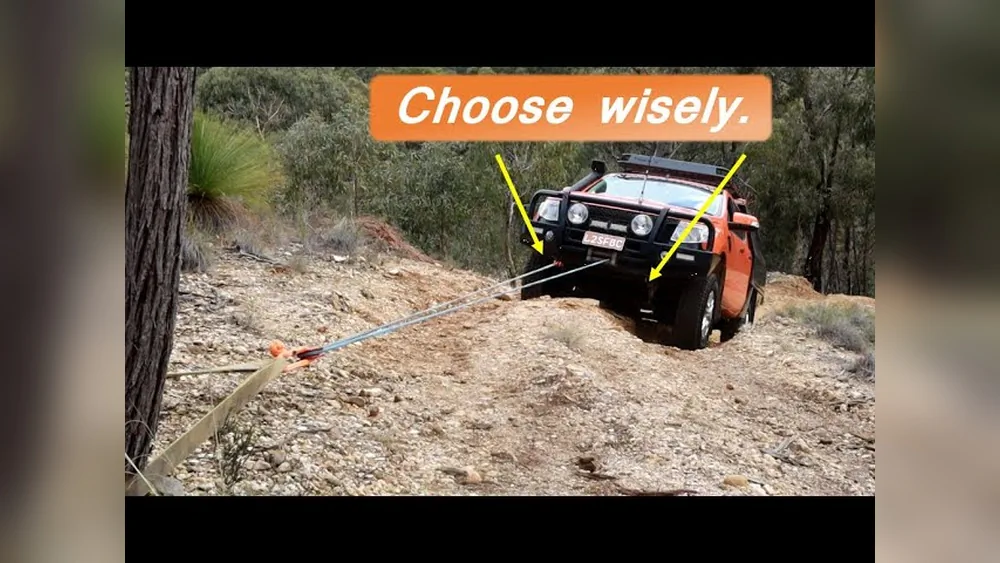
Winch Pulley Systems For Off-road Vehicles Explained
Off-road adventures test both vehicles and drivers. Deep mud, rocky climbs, and steep hills can stop even the toughest 4×4. When wheels spin and traction disappears, a winch pulley system becomes a critical tool. These systems help recover stuck vehicles and manage heavy loads, making off-roading safer and more reliable. Many beginners know about winches but don’t fully understand how pulleys multiply force and increase recovery options. Let’s break down winch pulley systems so you can use them confidently on your next journey.
What Is A Winch Pulley System?
A winch pulley system uses a pulley block (also called a snatch block) with a winch to change the direction of the cable and double the pulling power. The pulley block holds a wheel that the winch cable runs through. By attaching the block to an anchor point, you can redirect the cable or set up a “double line pull” for extra strength.
This system is popular among off-roaders because it solves two main problems:
- Increases pulling force: Useful for heavy vehicles or tough recoveries.
- Changes pulling direction: Handy when you can’t line up the winch and vehicle.
Key Components Of A Winch Pulley System
Understanding the parts helps you choose and use the system safely.
- Winch: Mounted on your vehicle, it provides the pulling power.
- Pulley block: The heart of the system, often made from steel or alloy, with a rotating sheave (wheel).
- Winch cable or synthetic rope: Runs through the pulley block.
- Anchor point: A tree, rock, or another vehicle that holds the pulley block.
- D-shackles or soft shackles: Connect the pulley block to the anchor.
- Tree trunk protector: If anchoring to a tree, prevents damage.
A typical off-roader’s recovery kit includes at least one pulley block and a few shackles.

Credit: www.amazon.com
How A Pulley Multiplies Winch Power
Many people think a bigger winch is always better. But a pulley block can let a smaller winch do the work of a larger one. Here’s how:
- Single line pull: The cable goes directly from the winch to the stuck vehicle. Pulling power equals the winch’s rating (e.g., 9,000 lbs).
- Double line pull: The cable goes from the winch to the pulley block and back to the vehicle. This setup cuts the load on the winch in half, so a 9,000-lb winch can pull up to 18,000 lbs (minus friction).
Here’s a simple comparison:
| Setup | Maximum Pulling Force | Cable Speed |
|---|---|---|
| Single Line | Winch rating (e.g., 9,000 lbs) | Fast |
| Double Line (with Pulley) | 2x winch rating (e.g., 18,000 lbs) | Half as fast |
Pro tip: Doubling the line reduces stress on your winch motor and battery, helping prevent overheating.
When To Use A Winch Pulley System
Not every recovery needs a pulley. Use a pulley block when:
- Your vehicle is too heavy for a single line pull
- The winch stalls or struggles
- The anchor point is off to the side (not straight ahead)
- You need to move a heavy obstacle, like a log or boulder
For example, a fully loaded overland truck stuck in deep sand may need double the force. Or, if the only tree is far to the left, a pulley block can redirect your cable for a safe recovery angle.
How To Set Up A Winch Pulley System
Setting up a pulley system takes practice. Here are the steps:
- Assess the situation: Check where your vehicle is stuck and locate a strong anchor point.
- Prepare your gear: Wear gloves. Lay out the winch line, pulley block, shackles, and tree protector.
- Attach the tree protector: Wrap it around the anchor point.
- Connect the pulley block: Use a D-shackle to attach the block to the tree protector.
- Run the cable: Pull the winch cable to the pulley block, thread it through the sheave, and bring it back to your vehicle (for double line pull).
- Secure the cable: Attach the hook to a safe recovery point on your vehicle’s frame.
- Check alignment: Make sure the cable runs straight and nothing will catch or bind.
- Start winching: Use slow, steady pulls. Stop and check the setup often.
Here’s a quick look at the main differences between direct winching and using a pulley:
| Feature | Direct Winching | Pulley System |
|---|---|---|
| Pulley Block Needed | No | Yes |
| Force Output | Standard | Double |
| Cable Routing | Straight | Flexible |
| Setup Time | Fast | Slower |
Choosing The Right Pulley Block
Not all pulley blocks are equal. Consider these factors:
- Rated capacity: Always pick a block rated for at least twice your winch’s capacity.
- Material: Steel is strong but heavy. Aluminum is lighter but more expensive.
- Sheave size: Larger sheaves are easier on synthetic ropes.
- Ease of use: Some blocks open fully for faster rope loading.
- Maintenance: Look for blocks with grease fittings for smoother operation.
A common mistake is using a pulley block that’s too small. This can lead to equipment failure and dangerous accidents. Always check the ratings before heading out.

Credit: dixie4wheeldrive.com
Real-world Example
Imagine you’re part of a convoy in the mountains. One SUV gets stuck in a ditch. The only anchor is a tree 30 feet to the side. With a winch pulley system, you attach the block to the tree, run the winch cable through, and pull at a safe angle.
The double line pull gives you enough force to move the SUV without burning out your winch or snapping a cable.
Most experienced off-roaders carry at least one pulley block for situations like this.
Advanced Uses And Common Mistakes
Experienced drivers sometimes use two or more pulley blocks for very heavy vehicles or awkward pulls. But with more blocks, the risk of mistakes increases.
Common mistakes include:
- Not inspecting the pulley block for damage or wear.
- Using shackles or cables not rated for the load.
- Letting the winch cable stack up on one side of the drum (can damage the winch).
- Standing too close to the cable during recovery (dangerous if something breaks).
Take your time, double-check your setup, and always keep bystanders at a safe distance.

Credit: www.amazon.com
Practical Tips For Off-roaders
- Practice using your winch pulley system before you need it in an emergency.
- Keep your recovery gear clean and stored in a dry place.
- Lubricate your pulley block regularly.
- Replace any frayed cables or damaged shackles immediately.
- Watch a professional demonstration or read guides from groups like Overland Journal for advanced techniques.
Frequently Asked Questions
What Is The Main Advantage Of Using A Winch Pulley System?
The main advantage is doubling your winch’s pulling power and being able to change the cable’s direction for tricky recoveries.
Can I Use A Winch Pulley Block With Synthetic Rope?
Yes, but make sure the pulley’s sheave is smooth and large enough to prevent rope damage.
How Do I Know If A Pulley Block Is Strong Enough For My Winch?
Check the rated capacity on the block. It should be at least twice the maximum pull of your winch.
Is A Snatch Block The Same As A Pulley Block?
Yes. Snatch block is another name for a pulley block. Both are used for the same purpose.
Can I Use Two Pulley Blocks At Once?
Yes, advanced setups use multiple blocks for even more pulling power or complex angles, but setup becomes more complicated and requires careful planning.
A winch pulley system can transform your off-road recovery skills. With proper use, it gives you more power, flexibility, and safety in challenging situations. Learn your gear, practice setups, and you’ll be ready for whatever the trail brings.
Related posts
 Why You Should Use a Foam Cannon for Car Washing: Ultimate Guide
Washing your car is more than just making it look good. It protects the paint, keeps the value high, and makes driving feel better. But if…
 How to Clean Leather Seats Without Damaging Them: Expert Tips
Keeping your leather seats clean can be a challenge. Leather looks beautiful and feels luxurious, but it needs special care. Many people worry about damaging their…
 Why Using a Ceramic Coating Spray is Important for Your Car’s Shine
If you care about your car’s appearance and value, you probably wash and wax it regularly. But did you know there’s a better way to protect…