
Why is a Winch Snatch Block Necessary for Off-Road Recovery?
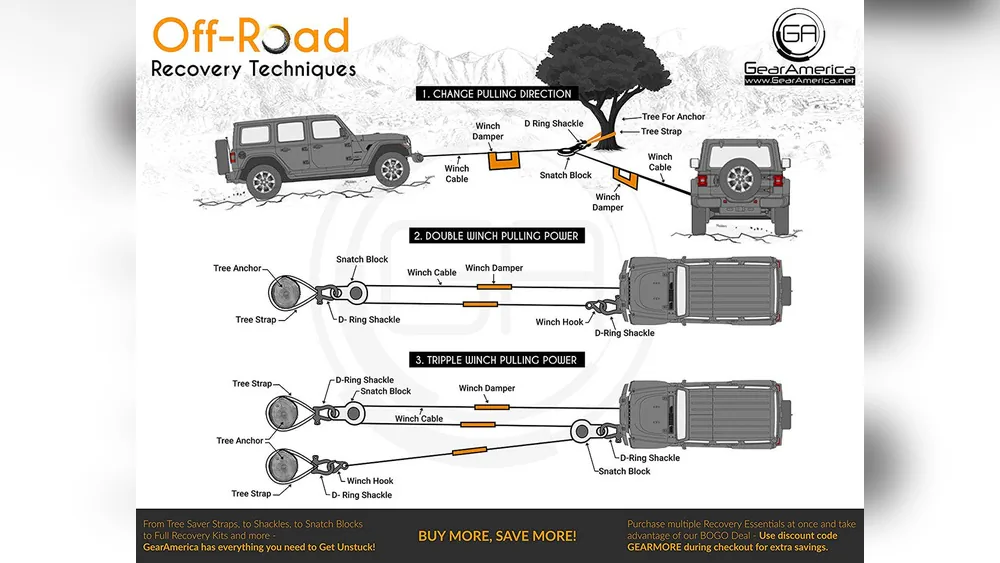
Off-roading can test both your vehicle and your skills. When you’re deep in mud, sand, or rocky terrain, your recovery gear becomes your lifeline. Among the most valuable tools is the winch snatch block. Many new off-roaders overlook this device, thinking their winch alone is enough. However, a snatch block can be the difference between a quick recovery and a dangerous, failed attempt. If you want to stay safe and avoid equipment damage, understanding why a snatch block is necessary is essential.
What Is A Winch Snatch Block?
A winch snatch block is a strong pulley inside a metal casing. It allows you to change the direction of your winch line and even double the pulling power of your winch. Off-roaders connect it to an anchor point like a tree or another vehicle. The winch cable runs through the block, letting you pull from angles that would be impossible with a straight line.
Here’s a simple comparison showing how a snatch block works compared to a direct pull:
| Method | Pulling Power | Line Direction Flexibility |
|---|---|---|
| Direct Winch Pull | Winch Rated Strength | Limited (Straight Line Only) |
| With Snatch Block | Up to 2x Winch Rated Strength | High (Angles Possible) |
Why Is A Snatch Block Necessary For Off-road Recovery?
1. Doubles Your Winch Power
A key reason for using a snatch block is that it can double the pulling force of your winch. For example, if your winch is rated for 9,000 pounds, a snatch block can allow it to pull up to 18,000 pounds (with proper technique). This is crucial when recovering a heavy vehicle, especially in mud or uphill situations where resistance is high.
2. Reduces Winch Strain And Heat
Winches can overheat or fail if pushed too hard. By using a snatch block, you spread the load between two lines, making the winch work less for the same job. This reduction in strain extends the life of your winch and lowers the risk of cable breakage. Many winch failures happen due to overheating or overloading—both can be avoided with a snatch block.
3. Allows For Angled Pulls
In real off-road conditions, you can’t always park directly in front of the vehicle you need to recover. A snatch block lets you change the direction of your pull. For example, if a tree is off to the side, you can anchor the snatch block there and pull your vehicle out from an angle. This flexibility can be a game-changer when obstacles, trees, or rocks block a straight line.
4. Increases Safety
Safety is often overlooked. A snatch block can help control the winch line and reduce the risk of cable snapback. By slowing down the recovery and spreading the load, it gives you more control. A sudden cable break under tension can be deadly. Using a snatch block means the cable is under less force and less likely to whip back dangerously.
5. Useful For Complex Recoveries
Sometimes, you might need to recover multiple vehicles or pull in tight spaces. Snatch blocks allow for multi-point recovery setups. You can use more than one snatch block to guide the cable around obstacles or even move a vehicle sideways. This level of control is impossible with a winch alone.
6. Saves Battery And Fuel
A winch working at its limit drains your vehicle’s battery and uses more fuel if the engine is running. By reducing the load, a snatch block helps you conserve battery power and fuel, which is critical if you’re stuck far from help.
Practical Example: Real-world Recovery Scenario
Imagine you’re stuck in deep mud. Your 4×4 weighs about 5,500 pounds, but the resistance from the mud means you need a winch pull of 11,000 pounds or more. If your winch is only rated for 9,000 pounds, it will struggle or even fail. By using a snatch block:
- You double the pulling force, making the recovery possible.
- You reduce strain on the winch motor and cable.
- You can anchor to a tree that isn’t directly in front of you.
Off-roaders often say, “Winches get you stuck further in. Snatch blocks get you out. ” This highlights just how vital this tool can be.
Snatch Block Vs. Other Recovery Gear
It’s easy to confuse a snatch block with other recovery gear. Here’s a quick side-by-side look:
| Gear | Main Purpose | Key Advantage |
|---|---|---|
| Snatch Block | Redirect and multiply winch force | Double pulling power, angled pulls |
| Tree Saver Strap | Protects tree as anchor | Spreads load on tree, prevents damage |
| Soft Shackle | Connects recovery points | Lightweight and safe |
| D-Shackle | Connects cables/straps | Strong, secure connection |

Credit: www.amazon.com
Common Mistakes When Using A Snatch Block
Many beginners make the following errors:
- Using a damaged snatch block: Always check for cracks, rust, or bent side plates.
- Improper cable routing: The winch line must be seated correctly in the pulley groove.
- Not anchoring safely: Choose strong, healthy trees or rated recovery points.
- Ignoring load ratings: Never exceed the Working Load Limit (WLL) of your snatch block.
- Skipping maintenance: Clean and lubricate the pulley after use, especially in muddy or wet conditions.
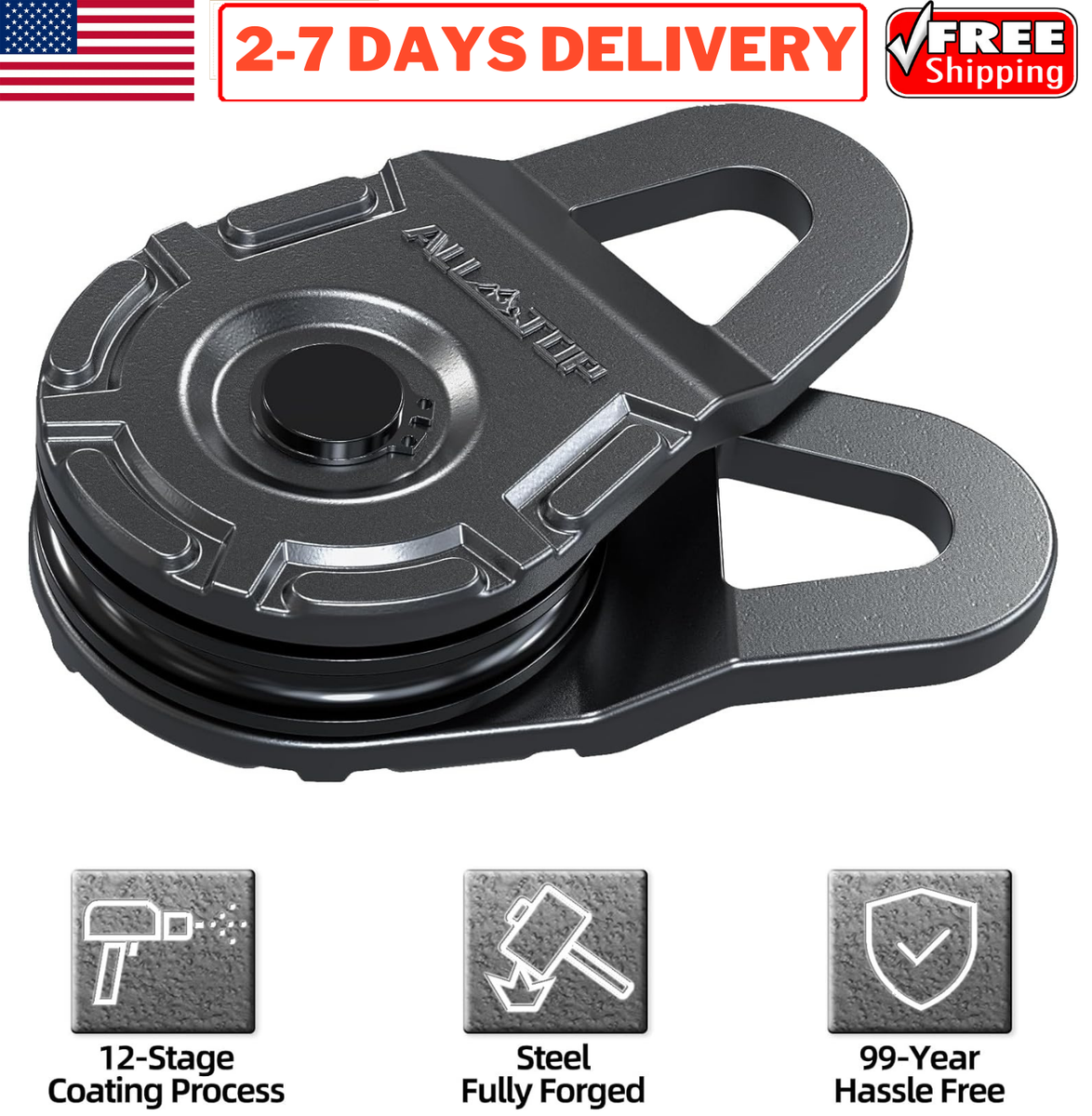
Key Features To Look For In A Snatch Block
When choosing a snatch block, focus on:
- Load rating: Match or exceed your winch’s rating.
- Pulley size: Larger pulleys handle thicker cables and reduce wear.
- Ease of opening: A swing-away or quick-release design is faster in emergencies.
- Construction: Solid steel or heavy-duty alloy is best for strength.
- Weight: Lighter blocks are easier to carry but should not compromise strength.
A well-chosen snatch block can last many years and countless recoveries.
Credit: www.ebay.com
How To Use A Snatch Block Safely
Follow these steps for safe use:
- Inspect the snatch block and cable for damage.
- Attach the snatch block to a secure anchor point.
- Open the block and place the winch cable in the pulley groove.
- Close and lock the block, ensuring the cable is seated.
- Slowly winch, keeping bystanders away from the cable path.
- Stop if you notice any unusual noises or resistance.
For more in-depth guidelines, the 4×4 Australia Guide is a trusted source.
Frequently Asked Questions
What Is The Maximum Load A Snatch Block Can Handle?
Most snatch blocks are rated between 8,000 and 30,000 pounds. Always check the Working Load Limit (WLL) and never exceed it.
Can I Use A Snatch Block With Synthetic Rope?
Yes, but make sure the snatch block is compatible with synthetic winch lines. Some older models are designed only for steel cables.
How Often Should I Inspect My Snatch Block?
Check before and after every use. Look for cracks, bent plates, or rough pulleys. Clean and lubricate regularly to prevent rust.
Can I Use More Than One Snatch Block At A Time?
Absolutely. Using multiple snatch blocks allows for complex pulls and multiplies your winch power even further. Just ensure all gear is rated for the load.
Is A Snatch Block Only For Off-roading?
No. Snatch blocks are also used in industrial lifting, rescue work, and marine recovery. However, off-roaders benefit most from their versatility and power.
Off-road recovery can be dangerous and challenging. The right tools make it safer and more effective. A winch snatch block is not just a bonus—it’s a necessity for anyone serious about safe, reliable off-roading. Equip your kit with a quality snatch block, and you’ll be ready for nearly any situation the trail throws at you.

Credit: www.amazon.com
Related posts
 Why You Should Use a Foam Cannon for Car Washing: Ultimate Guide
Washing your car is more than just making it look good. It protects the paint, keeps the value high, and makes driving feel better. But if…
 How to Clean Leather Seats Without Damaging Them: Expert Tips
Keeping your leather seats clean can be a challenge. Leather looks beautiful and feels luxurious, but it needs special care. Many people worry about damaging their…
 Why Using a Ceramic Coating Spray is Important for Your Car’s Shine
If you care about your car’s appearance and value, you probably wash and wax it regularly. But did you know there’s a better way to protect…