Why Choose a Winch Snatch Block Over a Standard Pulley?
When pulling a heavy load with a winch, safety and efficiency are always on your mind. You might be wondering if you should use a winch snatch block or just a standard pulley. At first glance, they look similar—both have a wheel that lets a cable move smoothly. But, when you dig deeper, the differences matter a lot, especially if you want to get the job done faster, safer, and with less risk to your equipment. Let’s take a closer look at why choosing a snatch block over a regular pulley can make a real difference, whether you’re off-roading, working on a rescue, or handling industrial lifting tasks.
Understanding The Basics: Winch Snatch Block Vs. Standard Pulley
Before you can decide which tool is right for the job, it helps to understand what each one really does.
A standard pulley is a simple device. It usually has a fixed wheel inside a frame. You thread your rope or cable through the wheel, and it helps you change the direction of the force you’re using. Pulleys are great for lifting or redirecting loads, but they have limits—especially when it comes to winching operations.
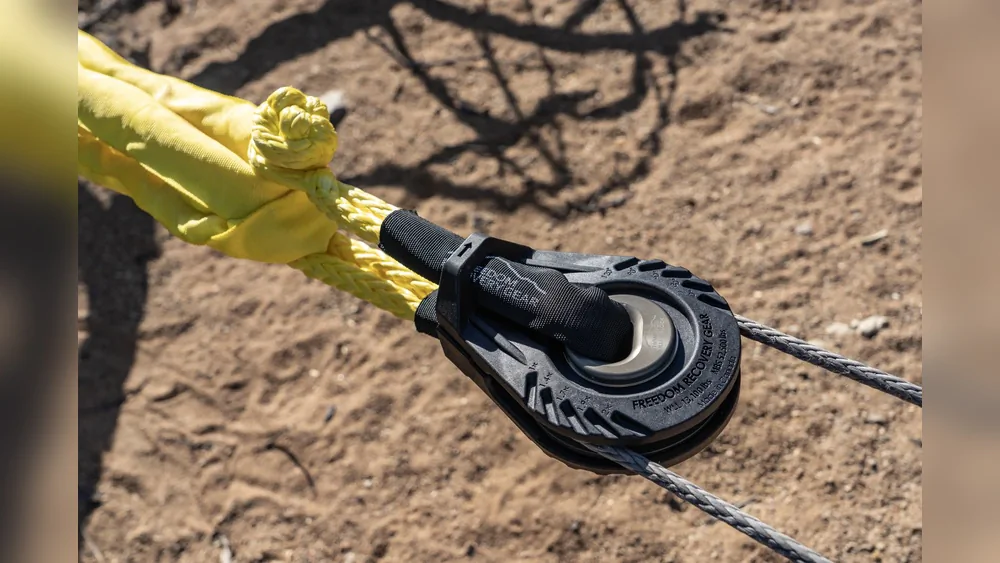
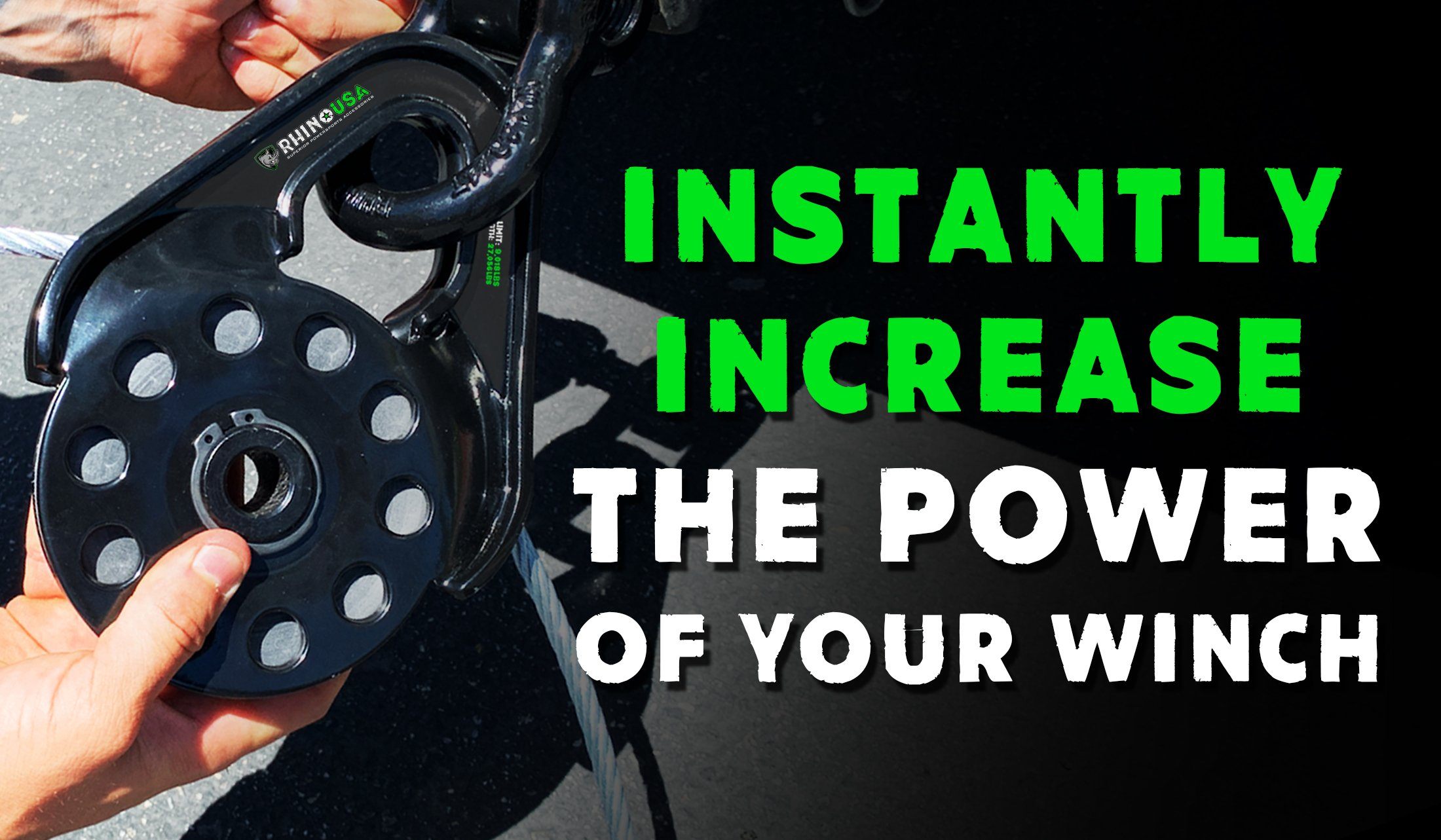
A winch snatch block is a special kind of pulley, but with extra features designed for heavy-duty winching. The key difference is the side plate: a snatch block opens up, letting you “snatch” the cable in without having to pull it all the way through. This small detail offers huge benefits in real-world use.
Key Advantages Of A Winch Snatch Block
Let’s explore why a winch snatch block often outperforms a standard pulley in demanding tasks. These advantages aren’t just for professionals—anyone who uses a winch can benefit.
1. Easier Cable Loading
One of the biggest frustrations with a standard pulley is threading the cable. You often have to disconnect one end or wind the whole cable through the pulley. With a snatch block, the side plate opens, and you can just place the cable onto the wheel—even if both ends are already attached.
This saves time, especially in emergencies.
2. Double Your Winch Power
A snatch block is not just a direction changer—it’s a force multiplier. When you set up your winch line through a snatch block and back to your vehicle (or anchor), you effectively double the pulling power of your winch. For example, a 5,000-pound winch can now pull up to 10,000 pounds, though speed is halved. Standard pulleys rarely have this strength rating or mechanical advantage in winching scenarios.
3. Reducing Winch Motor Stress
Heavy loads can overheat a winch motor, risking damage. By using a snatch block, your winch works less for the same job. This means less heat and a longer lifespan for your winch and cable—a real money saver over time.
4. Changing Pull Direction With Precision
Both devices let you change the line’s direction, but a snatch block gives you more flexibility. Need to pull from an angle or around an obstacle? Snatch blocks are made for this. They’re common in off-road recovery because they let you use natural anchors (like trees) no matter where your stuck vehicle is.
5. Safer Recovery And Lifting
Snatch blocks are built for tough jobs and high loads. They often come with safety ratings and certifications. Many have grease fittings for smooth operation under heavy weight, and their design helps prevent cable slippage. In contrast, standard pulleys may not be rated for dynamic winching loads, increasing the risk of failure.
6. Faster, Simpler Setups
In a recovery situation, time is critical. Snatch blocks are quick to deploy, especially when you need to reroute the cable or set up a multi-line pull. The quick-open feature means less fumbling and more action when it matters most.
7. Better For Synthetic And Steel Cables
Snatch blocks are designed with grooves and materials that are gentle on both synthetic ropes and steel cables, reducing wear. Standard pulleys may be too rough or the wrong size, causing premature cable damage.
8. Versatility In The Field
A snatch block isn’t just for winching vehicles. It’s used in construction, tree work, marine recovery, and even theater rigging. Its ability to handle multiple load types and directions makes it a favorite tool for anyone needing power and control.
Practical Example: Off-road Recovery
Imagine you’re stuck in deep mud, and your winch alone isn’t strong enough to pull you out. With a snatch block, you anchor to a tree, run your winch line through the block and back to your vehicle. This doubles your pulling force and lets you pull from an angle if the tree isn’t directly in front.
If you tried this with a standard pulley, you might not get the strength or safety you need—and you’d waste precious time threading the line.
Technical Comparison: Snatch Block Vs. Standard Pulley
Here’s a side-by-side look at how these tools compare in key areas:
| Feature | Winch Snatch Block | Standard Pulley |
|---|---|---|
| Ease of loading | Quick, no disassembly needed | Must thread cable through |
| Load capacity | Usually higher, designed for winching | Lower, not always winch-rated |
| Direction changes | Flexible, multiple angles | Limited, best for straight pulls |
| Mechanical advantage | Can double or triple winch power | Rarely used this way |
| Setup speed | Very fast | Slower |
| Safety features | Locking side plate, certifications | Basic, not always rated |
Credit: www.rhinousainc.com
Common Applications For Snatch Blocks
While both tools serve in lifting and pulling, the snatch block’s design makes it the go-to for:
- Off-road vehicle recovery – SUVs, trucks, and ATVs
- Heavy equipment movement – Construction and industry
- Rescue operations – Fire and emergency services
- Marine recovery – Boat launching and salvage
- Tree felling and forestry – Controlled wood movement
Each of these jobs often involves awkward angles, heavy loads, or urgent timing—situations where a snatch block’s strengths really shine.
Real-world Data: Load Ratings And Breaking Strength
When choosing equipment, numbers matter. Most quality snatch blocks are rated between 8,000 to 30,000 pounds, with safety margins built in. Standard pulleys, unless made for winching, often top out much lower.
For example:
| Device Type | Typical Rated Load | Breaking Strength |
|---|---|---|
| Snatch Block (off-road) | 8,000–20,000 lbs | 2x–3x rated load |
| Industrial Snatch Block | 20,000–30,000 lbs | 2x–3x rated load |
| Standard Pulley | 1,000–5,000 lbs | 1.5x–2x rated load |
Always check the working load limit (WLL) before use. Using a device beyond its rating can cause dangerous failures.

Credit: www.gearamerica.com
Misconceptions And Mistakes Beginners Make
Many new winch users think any pulley will do. This can lead to two big mistakes:
- Using non-rated hardware: Standard pulleys may not handle winch loads, risking breakage.
- Ignoring mechanical advantage: Without a snatch block, you might try to winch a load that’s too heavy, overworking your equipment.
A less obvious insight: Even experienced users sometimes forget that using a snatch block to double the line halves the speed of pulling. This is a trade-off—more power, less speed. In rescue or recovery, this is usually worth it for the added safety and control.
Another tip: Always inspect your snatch block before use. Dirt, rust, or worn bearings can cause a block to seize or fail under load. A blocked wheel can cut your cable or create dangerous friction.
Key Features To Look For In A Quality Snatch Block
Not all snatch blocks are equal. If you’re shopping for one, focus on:
- Rated load and breaking strength – Should match or exceed your winch
- Smooth, sealed bearings – For easier pulling and longer life
- Grease fittings – Allow regular maintenance
- Cable diameter compatibility – Check that your rope fits snugly
- Side plate material – Heavy-duty steel or alloy, not thin stamped metal
- Locking mechanism – Prevents accidental opening during use
Here’s a quick comparison of two common snatch block types:
| Feature | Basic Snatch Block | Premium Snatch Block |
|---|---|---|
| Material | Painted steel | Forged alloy or stainless |
| Bearings | Bushing | Sealed ball bearings |
| Grease fitting | No | Yes |
| Load rating | Lower | Higher |
| Price | Less expensive | More expensive |
When Would A Standard Pulley Be Enough?
There are times when a simple pulley works fine. If you’re only lifting lightweight objects, or you’re not dealing with winch-level forces, a standard pulley is often easier and cheaper. For example, raising a flag, lifting a bucket, or changing the direction of a clothesline doesn’t need a snatch block.
But the moment you’re using a winch—especially for vehicle recovery or heavy lifting—a snatch block is almost always the safer, more practical choice.
Smart Tips For Safe And Effective Use
- Always check ratings: Never guess. Use only blocks rated for your winch’s maximum pull.
- Inspect before use: Look for cracks, rust, or seized wheels.
- Use proper anchors: Trees, sturdy posts, or rated anchor points.
- Keep hands clear: Never touch the cable or block under tension.
- Store clean and dry: This prevents rust and keeps bearings working smoothly.
The Bottom Line
A snatch block isn’t just a fancier pulley—it’s a vital tool for anyone who uses a winch seriously. The ability to quickly double your pulling force, work around obstacles, and do it all safely sets the snatch block apart. If you want to protect your equipment, save time, and stay safe, investing in a quality snatch block is a smart move. For more on the science of pulleys and mechanical advantage, check out this helpful Wikipedia article.
Frequently Asked Questions
What Is A Winch Snatch Block Used For?
A winch snatch block is used to change the direction of a winch cable and increase the pulling power of your winch. It allows for safer, more flexible recovery and lifting, especially in off-road or heavy-duty tasks.
Can I Use A Regular Pulley With A Winch?
It’s not recommended. Most regular pulleys are not rated for the high loads and dynamic forces involved in winching. Using the wrong equipment can be dangerous and may damage your winch or cable.
How Do I Know What Size Snatch Block I Need?
Match the snatch block’s rated load and cable diameter to your winch and rope. Always choose a block with a working load limit equal to or greater than your winch’s maximum pull.
Does Using A Snatch Block Slow Down Winching?
Yes. Doubling the line with a snatch block doubles your pulling power but cuts the speed in half. This is a normal trade-off for added strength and control.
How Do I Maintain A Snatch Block?
Clean it after each use, keep it dry, and regularly grease the bearings if your block has a grease fitting. Always check for wear or damage before using it again.

Credit: overlandvehiclesystems.com
Related posts
 Why You Should Use a Foam Cannon for Car Washing: Ultimate Guide
Washing your car is more than just making it look good. It protects the paint, keeps the value high, and makes driving feel better. But if…
 How to Clean Leather Seats Without Damaging Them: Expert Tips
Keeping your leather seats clean can be a challenge. Leather looks beautiful and feels luxurious, but it needs special care. Many people worry about damaging their…
 Why Using a Ceramic Coating Spray is Important for Your Car’s Shine
If you care about your car’s appearance and value, you probably wash and wax it regularly. But did you know there’s a better way to protect…