When to Use a Snatch Block in Off-Road Recovery: Expert Tips
Getting stuck off-road is a challenge every adventurer faces sooner or later. Whether it’s mud, sand, snow, or rocky terrain, knowing how to recover your vehicle safely is crucial. One tool that stands out for its versatility is the snatch block. But when exactly should you reach for this device during a recovery? Understanding the right moments to use a snatch block can make the difference between a quick rescue and a long, risky situation.
What Is A Snatch Block?
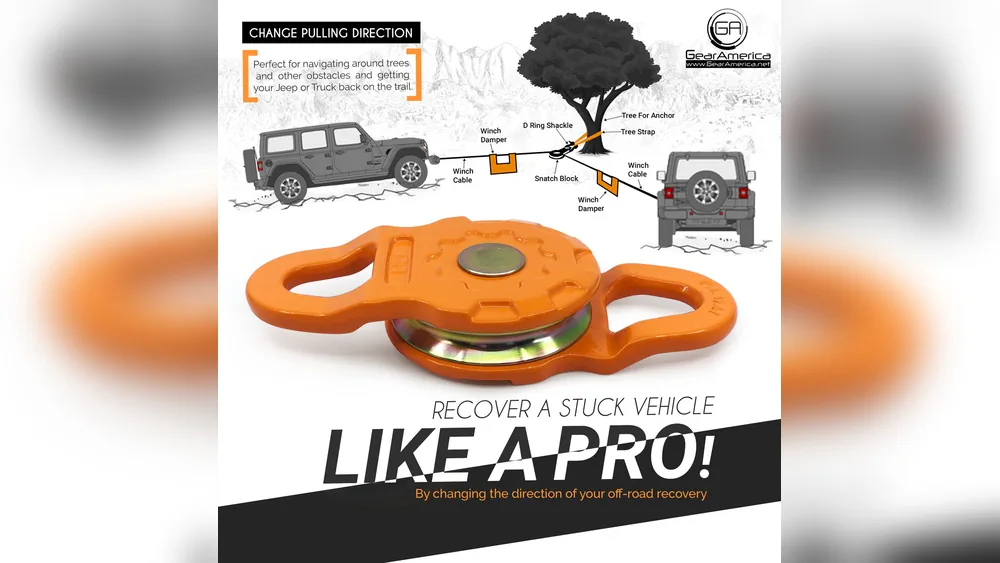
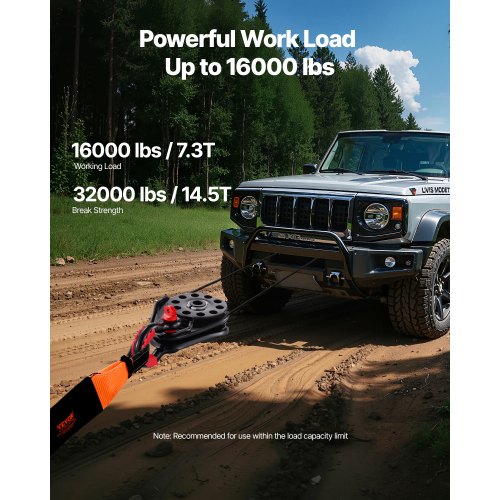
A snatch block is a type of pulley designed for winching. It allows you to change the direction of your winch line or double the pulling power of your winch. Built with a rotating side plate, it’s easy to attach to a winch cable without threading the entire line through. Most snatch blocks are made from steel and rated for heavy loads, often exceeding 20,000 pounds.
Using a snatch block does more than just increase pulling force. It also helps manage the angle of recovery and distributes stress across different points, reducing the risk of damage to your winch or vehicle.
When To Use A Snatch Block In Off-road Recovery
There are specific situations where a snatch block is not just helpful—it’s essential for safe and effective recovery.
1. When You Need More Pulling Power
Sometimes your winch isn’t strong enough to move a stuck vehicle. Wet mud or deep sand can create a load much higher than the winch’s rating. By using a snatch block, you double the winch’s pulling capacity. For example, a 9,000 lb winch can pull up to 18,000 lbs with a snatch block. This extra power is critical for heavy trucks or extremely stuck vehicles.
2. To Change Pulling Direction
Direct pulls aren’t always possible. You may find your vehicle stuck around a bend, behind a tree, or in a position where the winch line can’t go straight. A snatch block lets you redirect the winch cable around obstacles. By anchoring the snatch block to a tree or rock, you can pull from the side or at an angle, making recovery possible in tight spots.
3. Reducing Winch Motor Strain
Long or difficult recoveries can overheat your winch motor. A snatch block reduces the strain by allowing the winch to work with less effort. This extends the life of your winch motor and decreases the risk of failure during a critical pull. Using a snatch block also helps maintain a safe winch speed.
4. For Controlled And Slower Recovery
A snatch block slows the line speed because the cable travels a greater distance. This slower, more controlled pull is safer, especially when extracting a vehicle in unstable conditions or on slopes. It reduces the risk of sudden jerks, which can damage equipment or injure bystanders.
5. To Recover Large Or Heavily Loaded Vehicles
If you’re recovering a loaded 4×4, a truck with gear, or even a trailer, the weight adds up quickly. Standard winches may not be able to handle these loads safely. A snatch block allows you to recover heavier vehicles with confidence, avoiding the common mistake of overloading your winch system.
6. Multiple Vehicle Recoveries
In group off-roading, you might need to recover several vehicles in quick succession. By using snatch blocks, you can set up complex pulls, like double-line or triple-line setups, to help more than one vehicle at a time. This technique is advanced but can be a lifesaver when time and safety matter.

Credit: www.desertwranglers.club
How To Use A Snatch Block Safely
Correct use of a snatch block is as important as knowing when to use it. Here’s a step-by-step example:
- Inspect Equipment: Check the snatch block, winch line, and anchor points for damage.
- Open the Snatch Block: Rotate the side plate to expose the pulley.
- Insert the Winch Cable: Lay the cable over the pulley groove.
- Close the Block: Secure the side plate.
- Anchor the Block: Attach the snatch block to a strong anchor point with a rated shackle or tree strap.
- Operate the Winch: Keep bystanders clear, pull slowly, and watch for cable tension.
Common mistake: Beginners sometimes forget to check the snatch block’s rating. Always ensure it matches or exceeds your winch’s capacity.
Comparing Snatch Block Pulling Power
To see the effect of a snatch block on pulling power, consider this comparison:
| Winch Setup | Rated Pull Capacity | Line Speed |
|---|---|---|
| Single Line | 9,000 lbs | Fast |
| With Snatch Block (Double Line) | 18,000 lbs | Slower |
Using a snatch block nearly doubles the pulling power but also reduces line speed, which is safer for tricky recoveries.

Credit: www.amazon.com
Snatch Block Vs. Winch Extension Strap
Another recovery tool is the winch extension strap. Here’s how they compare:
| Tool | Main Use | Advantage | Limitation |
|---|---|---|---|
| Snatch Block | Increase power, change direction | Doubles pull capacity | Requires setup, heavier |
| Extension Strap | Reach distant anchors | Lightweight, quick | Does not increase power |
The snatch block is the choice for power and control, while the extension strap is better for reach.
Key Safety Tips For Snatch Block Use
- Always use rated shackles and tree protectors.
- Keep hands and clothing clear of the snatch block during operation.
- Inspect all gear before and after each use.
- Never exceed the rated load of any recovery equipment.
- Stand clear of the cable path; use a winch damper if available.
Insight: Many users overlook the importance of regular lubrication and cleaning of snatch blocks. Dirt and rust can reduce their strength and performance. A well-maintained snatch block lasts longer and works better under stress.
Real-world Example
Imagine a Jeep stuck in deep mud with no anchor point directly ahead. The nearest tree is 20 feet to the side. Without a snatch block, the winch line would pull at an unsafe angle, risking cable failure or vehicle damage.
By attaching a snatch block to the tree and running the line through it, you create a safe, straight pull. This method is not just more effective—it’s often the only way out.
Frequently Asked Questions
What Size Snatch Block Do I Need For My Winch?
Choose a snatch block with a working load limit equal to or greater than your winch’s maximum capacity. For a 12,000 lb winch, use a block rated for at least 12,000 lbs.
Can I Use Two Snatch Blocks At Once?
Yes, using two snatch blocks is called a triple line pull. It further increases pulling power but requires careful setup and strong anchor points.
Is A Snatch Block Only For Winches?
No, snatch blocks can also be used in other heavy pulling tasks, like moving logs or construction, but they are most common in vehicle recovery.
How Do I Maintain A Snatch Block?
Clean dirt and mud after each use, lubricate the pulley, and check for cracks or bent parts. Proper maintenance prevents failure during recovery.
Where Can I Learn More About Winching Safety?
You can find detailed guides and safety standards at the Wikipedia page on winches.
Knowing when and how to use a snatch block is an essential skill for any off-roader. It improves safety, makes difficult recoveries possible, and protects your gear from damage. With the right snatch block and a clear understanding of its uses, you’re ready for whatever the trail throws your way.
Credit: www.vevor.co.uk
Related posts
 Why You Should Use a Foam Cannon for Car Washing: Ultimate Guide
Washing your car is more than just making it look good. It protects the paint, keeps the value high, and makes driving feel better. But if…
 How to Clean Leather Seats Without Damaging Them: Expert Tips
Keeping your leather seats clean can be a challenge. Leather looks beautiful and feels luxurious, but it needs special care. Many people worry about damaging their…
 Why Using a Ceramic Coating Spray is Important for Your Car’s Shine
If you care about your car’s appearance and value, you probably wash and wax it regularly. But did you know there’s a better way to protect…