What to Look for in a Winch Snatch Block Pulley: Expert Tips
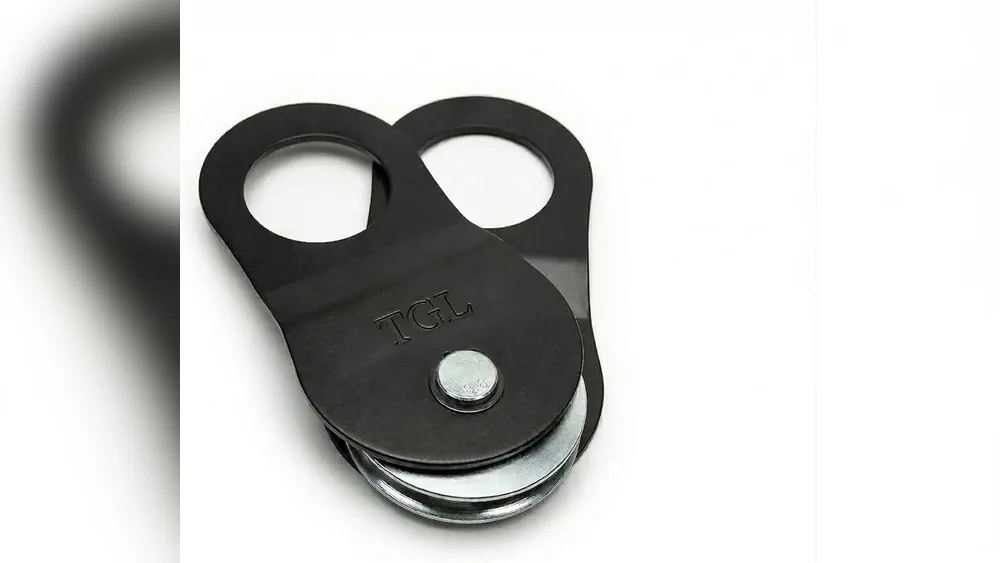
When you use a winch, a snatch block pulley can be your best friend. It helps you pull heavier loads, change the direction of your winch line, and work more safely. But not all snatch blocks are made the same. Picking the right one can be confusing, especially if you are new to off-roading, recovery operations, or industrial winching. Understanding what to look for in a winch snatch block pulley will make your recovery gear both safer and more effective.
Why A Good Snatch Block Pulley Matters
A winch snatch block pulley does more than just double your winch’s pulling power. It reduces stress on your winch motor and cable. It also lets you pull at angles that would be impossible with a straight line. Using the wrong pulley can damage your winch, cable, or even cause dangerous failures. If you want to get the most out of your winch, you need a snatch block that matches your needs and gear.
Key Features To Consider
Several features make a big difference when selecting a snatch block pulley. Here are the most important things to check:
1. Maximum Load Rating
Always check the working load limit (WLL) and breaking strength. A snatch block’s WLL should be equal to or higher than your winch’s maximum pull. For example, if your winch is rated at 10,000 lbs, your snatch block should be rated for at least the same.
Example Load Ratings
| Snatch Block Model | Working Load Limit | Breaking Strength |
|---|---|---|
| Block A | 8,000 lbs | 24,000 lbs |
| Block B | 12,000 lbs | 36,000 lbs |
| Block C | 20,000 lbs | 60,000 lbs |
Pro Tip: Choose a block with a WLL 1.5 times your winch rating for extra safety.
2. Material And Build Quality
Most snatch blocks are made from steel, aluminum, or a mix. Steel is stronger but heavier, while aluminum is lighter but may wear faster in tough conditions.
- Steel: Best for heavy-duty or repeated use.
- Aluminum: Good for light to medium loads and when weight matters.
Inspect welds and moving parts. Look for smooth edges and strong pins. Cheap materials or poor assembly can lead to dangerous failures.
3. Sheave (pulley Wheel) Size
The sheave needs to match your winch cable or synthetic rope. If the sheave is too small, it can damage the cable.
| Sheave Diameter | Recommended Cable Size | Best For |
|---|---|---|
| 3-4 inch | 5/16″ to 3/8″ | ATVs, small SUVs |
| 6-8 inch | 3/8″ to 1/2″ | Trucks, heavy winches |
Insight: Using the right sheave size prevents cable kinks and extends the life of your winch line.
4. Grease Fittings And Bearings
Some snatch blocks come with grease fittings or sealed bearings. This makes them easier to maintain and keeps them running smoothly, even in mud or water.
- With grease fittings: Easier to service, longer lifespan.
- Without: May wear out faster, especially in tough environments.
5. Cable Compatibility
Not all snatch blocks work with synthetic rope. Some only fit steel cable. Check the manufacturer’s guide to be sure. Synthetic rope needs a smooth, round sheave to prevent fraying.
Common Mistake: Using a steel-only snatch block with synthetic rope can cut or damage your line.
6. Weight And Portability
A lightweight snatch block is easier to carry, especially if you need to pack gear for off-roading. However, very light models may be less durable. Balance portability with strength.
7. Opening Mechanism
Snatch blocks open in two main ways:
- Swing-open: Easier and faster to load the cable.
- Fixed pin: Requires removing a pin, slower but sometimes more secure.
For quick recoveries, a swing-open design is best.
8. Price And Value
Price does not always equal quality. Compare features and materials. Sometimes, a mid-range block offers the best value. Don’t buy the cheapest available—safety and reliability are more important.
9. Brand Reputation And Warranty
Choose brands known for quality recovery gear. Check reviews and see if the snatch block has a warranty. A good warranty is a sign the company stands behind their product.
10. Corrosion Resistance
If you use your winch in wet or salty conditions, pick a block with corrosion-resistant coatings such as powder coating or zinc plating.

Credit: www.ebay.com
How To Compare Snatch Blocks
Here’s how three popular snatch blocks compare for off-road use:
| Feature | Block X | Block Y | Block Z |
|---|---|---|---|
| WLL | 10,000 lbs | 12,000 lbs | 20,000 lbs |
| Material | Steel | Aluminum | Steel |
| Sheave Size | 4 in | 6 in | 8 in |
| Grease Fitting | No | Yes | Yes |
| Weight | 5 lbs | 3 lbs | 7 lbs |
| Cable Type | Steel Only | Synthetic/Steel | Synthetic/Steel |
Non-obvious Insights For Buyers
Many buyers focus only on load rating, but two often-overlooked points can make a big difference:
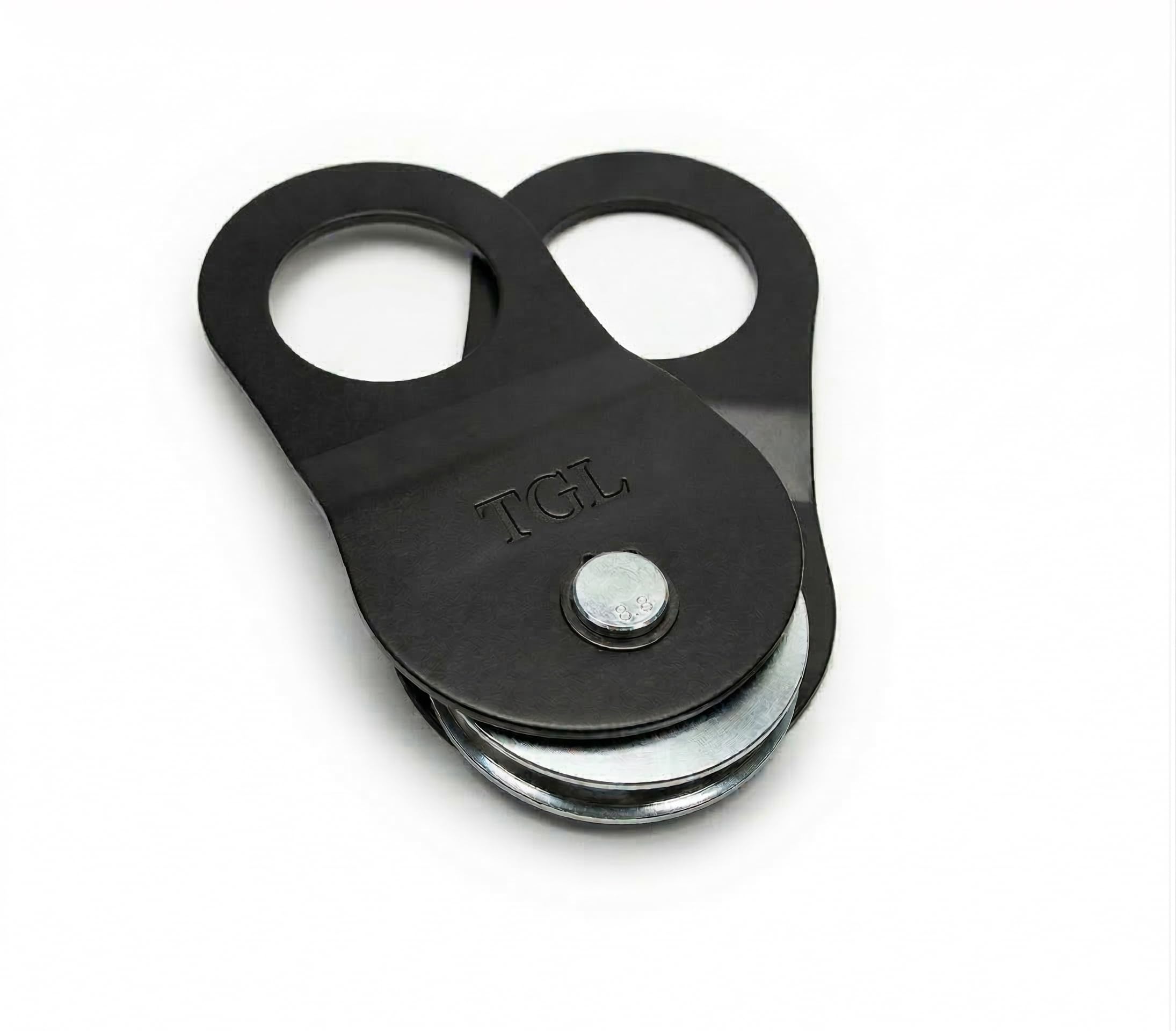
- Look for rounded, chamfered sheave edges. These protect both steel cables and synthetic ropes from abrasion.
- Check for removable side plates. This makes cleaning out mud and debris much easier, especially after harsh recoveries.
Credit: www.amazon.com
Safety Tips When Using Snatch Blocks
- Always inspect your snatch block before and after use.
- Do not exceed the rated load.
- Keep hands and body clear of cables under tension.
- Lubricate moving parts regularly.
- Replace the snatch block if you notice cracks, bent parts, or excess wear.
For more information on winch safety, you can check out the Wikipedia Winch page.
Using the right snatch block pulley can change your entire winching experience. Take the time to choose carefully, and your gear will last longer and work more safely.
Frequently Asked Questions
What Size Snatch Block Do I Need For My Winch?
Pick a snatch block with a working load limit equal to or greater than your winch’s pull rating. Always allow a safety margin—1.5 times your winch rating is a smart choice.
Can I Use A Snatch Block With Synthetic Rope?
Yes, but make sure the snatch block is compatible with synthetic rope. The sheave should be smooth and free of sharp edges to avoid damaging the line.
How Often Should I Lubricate My Snatch Block?
Lubricate after every few uses, especially if you operate in mud, sand, or water. If your block has grease fittings, use a quality grease for best results.
Is A Heavier Snatch Block Always Better?
Not always. Heavier usually means stronger, but weight adds up in your recovery kit. Choose a block that is strong enough for your needs but not overly heavy.
Why Does My Snatch Block Need To Be Corrosion Resistant?
Corrosion resistance is important if you use your gear in wet, snowy, or salty environments. It prevents rust and keeps the block working smoothly for years.
Choosing the right winch snatch block pulley is not just about numbers. Pay attention to details, safety, and compatibility with your winch system. With the right block, your recovery jobs will be safer, easier, and more reliable every time.

Credit: www.gearamerica.com
Related posts
 Why You Should Use a Foam Cannon for Car Washing: Ultimate Guide
Washing your car is more than just making it look good. It protects the paint, keeps the value high, and makes driving feel better. But if…
 How to Clean Leather Seats Without Damaging Them: Expert Tips
Keeping your leather seats clean can be a challenge. Leather looks beautiful and feels luxurious, but it needs special care. Many people worry about damaging their…
 Why Using a Ceramic Coating Spray is Important for Your Car’s Shine
If you care about your car’s appearance and value, you probably wash and wax it regularly. But did you know there’s a better way to protect…