
What is the Lifespan of a Synthetic Winch Rope? Essential Facts
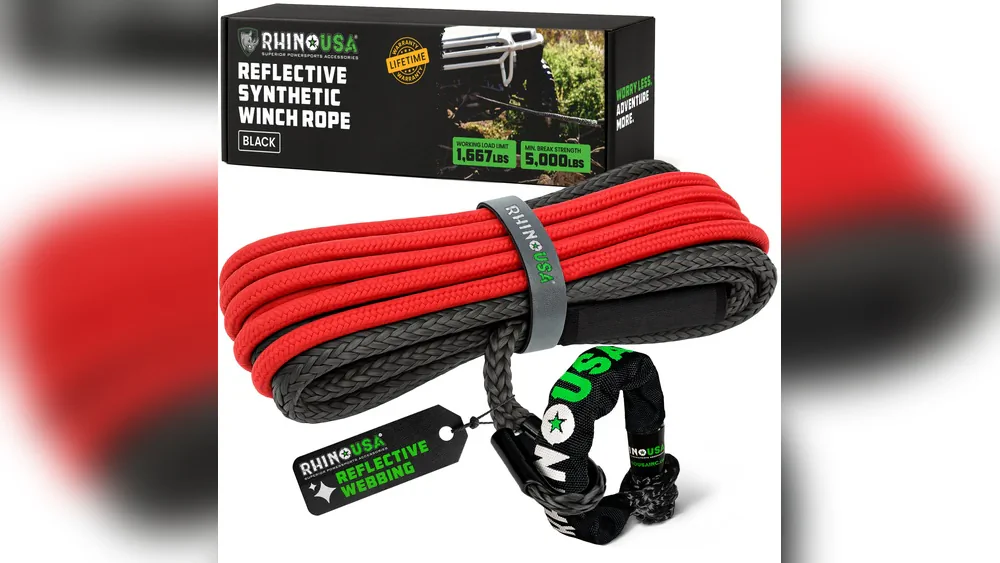
What Is The Lifespan Of A Synthetic Winch Rope?
When you use a winch for your off-road adventures, vehicle recovery, or heavy-duty work, your safety and success rely heavily on the rope you choose. Synthetic winch rope has grown popular because it’s lightweight, strong, and easy to handle. But how long can you actually trust it to last? This is a question many owners ask, often after seeing their rope showing signs of wear. Understanding the real lifespan of synthetic winch rope helps you plan ahead, avoid accidents, and get the best value from your investment.
Let’s break down the factors that affect how long synthetic winch rope lasts, what you can do to extend its life, and when you should replace it. This guide covers everything you need to know, from real-world examples to expert tips that most beginners overlook.
What Is Synthetic Winch Rope?
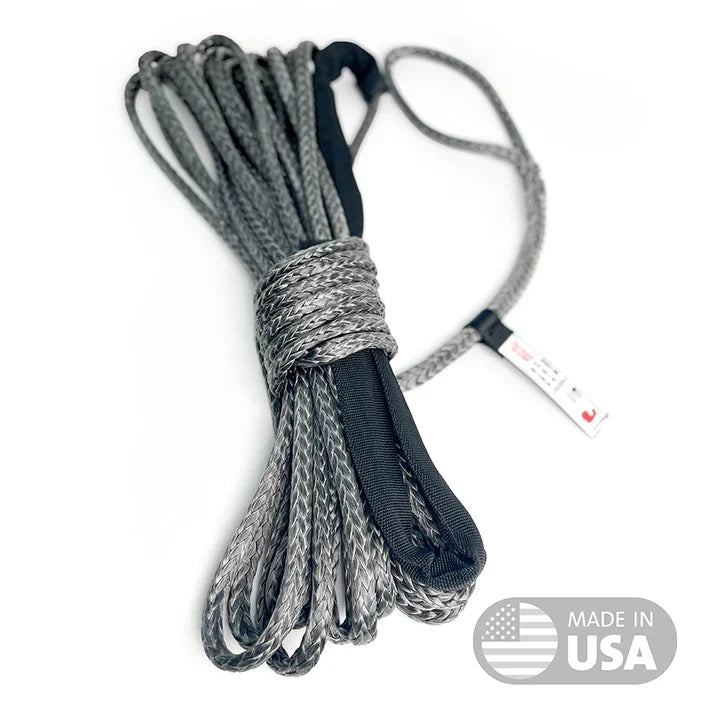
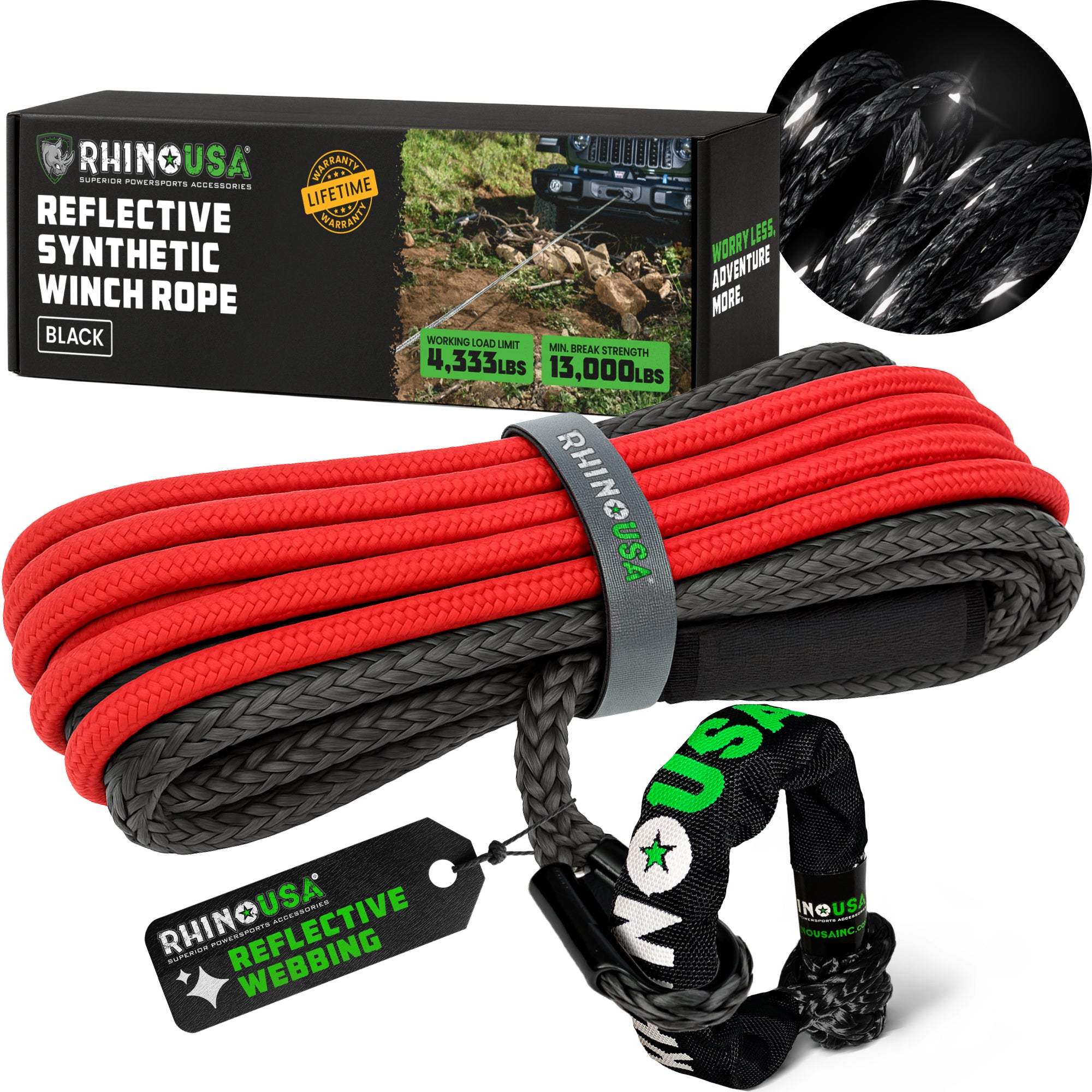
Synthetic winch rope is made from advanced fibers like Dyneema, Spectra, or UHMWPE (Ultra-High Molecular Weight Polyethylene). These materials are known for their impressive strength-to-weight ratio. Unlike steel cable, synthetic rope is light, floats on water, and is less likely to cause injury if it snaps under tension. That’s why many off-roaders and rescue teams now prefer synthetic options.
How Long Does Synthetic Winch Rope Last?
There’s no single number for the lifespan of synthetic winch rope. On average, you can expect 3 to 10 years of reliable use, but this range depends on several real-world factors:
- Frequency of Use: Daily use causes faster wear than occasional use.
- Load Level: Regular heavy pulls put more stress on the fibers.
- Exposure: Sun, mud, sand, and chemicals can break down rope material.
- Maintenance: Proper cleaning and storage add years to the rope’s life.
For example, a rope used once a month and cleaned after every use may last close to 10 years. A rope left exposed to sunlight and mud, or used at maximum load often, might need replacing in just 2-3 years.
Factors That Affect Synthetic Winch Rope Lifespan
1. Material Quality
Not all synthetic ropes are created equal. Dyneema and Spectra are top-tier fibers, offering excellent strength and UV resistance. Cheaper ropes may use lower-grade fibers that break down faster. Always check the manufacturer’s specifications and buy from trusted brands.
2. Uv Exposure
Ultraviolet light from the sun is a major enemy of synthetic rope. Over time, UV rays weaken the fibers, making them brittle. If your winch is often outdoors, consider a winch cover or store the rope out of direct sunlight.
3. Abrasion And Friction
Dragging rope over rocks, tree trunks, or rough surfaces causes abrasion. Unlike steel cable, synthetic fibers can fray when scraped or pinched. Always use a winch line dampener or a protective sleeve when pulling over sharp objects.
4. Water And Chemicals
Synthetic rope resists water, but chemicals like oil, fuel, or cleaning solvents can damage the fibers. Saltwater is especially harmful, speeding up breakdown. Rinse your rope with fresh water after use in muddy or salty environments.
5. Load And Shock Loads
Every rope has a rated breaking strength. Repeatedly pulling at or near this limit reduces lifespan. Sudden jerks (shock loads) can cause hidden damage inside the rope, even if the outside looks fine.
6. Maintenance And Storage
Proper care is key. Dirt, sand, and debris grind against the fibers, so regular cleaning makes a big difference. Store the rope dry, coiled, and away from direct sunlight or harsh chemicals.
Comparing Synthetic Rope Vs Steel Cable Lifespan
Many users wonder if synthetic ropes last as long as steel cables. Here’s a quick comparison:
| Feature | Synthetic Rope | Steel Cable |
|---|---|---|
| Average Lifespan | 3-10 years | 5-20 years |
| Susceptible to UV Damage | Yes | No |
| Corrosion Risk | No | Yes (rust) |
| Weight | Very light | Heavy |
| Injury Risk if Snapped | Low | High |
While steel cables can last longer if maintained, they are heavier, harder to handle, and dangerous if they break. Synthetic ropes are safer and easier to use, but require more attention to UV and abrasion.
Credit: yankum.com
Signs Your Synthetic Winch Rope Needs Replacement
Knowing when to replace your rope can prevent accidents. Look for these warning signs:
- Visible fraying or broken strands
- Discoloration (especially from sunlight or chemicals)
- Flat spots where fibers are crushed
- Stiffness or brittle feel
- Mildew or mold (from improper drying)
- Core damage (lumps or uneven thickness)
If you notice any of these, it’s safer to replace the rope rather than risk a failure during use.
How To Extend The Life Of Your Synthetic Winch Rope
You can add years to your rope’s lifespan with a few practical habits:
Regular Inspection
Check your rope before and after every use. Run your hand along the rope to feel for damage. Minor abrasion can be trimmed, but deep cuts or core damage mean it’s time to replace.
Cleaning
After using your winch in mud, sand, or saltwater, unspool the rope and rinse it with clean water. Let it dry completely before respooling. Dirt left inside can grind the fibers and cause premature wear.
Use Protective Gear
When winching over rocks or sharp edges, always use a protective sleeve or a tree saver strap. These inexpensive accessories absorb the worst of the friction.
Correct Winching Techniques
Avoid sudden jerks or shock loads. Pull steadily, and don’t exceed the rope’s rated capacity. If you’re not sure of the load, err on the side of caution.
Proper Storage
Coil your rope neatly and store it in a dry, shaded area. Use a winch cover if your vehicle sits outside. Avoid storing the rope wet or in a tightly compressed coil, which can deform the fibers.
Real-world Examples And Data
Let’s look at a few examples from actual users:
- A synthetic rope used weekly for off-road recovery, carefully cleaned and stored, lasted 8 years before showing signs of significant wear.
- Another rope, left exposed to sun and rarely cleaned, needed replacement after just 18 months due to UV damage and internal fraying.
- Commercial users, like tow truck operators, often replace ropes every 2 years, as they see high-frequency use and harsher conditions.
A study by the Off-Road Recovery Association found that ropes exposed to direct sunlight for six months lost up to 35% of their original strength. Ropes cleaned and stored properly lost less than 10% in the same time.
Common Mistakes That Shorten Rope Lifespan
Many beginners make mistakes that can quickly ruin a synthetic winch rope. Avoid these pitfalls:
- Neglecting to clean after use in muddy or sandy conditions. Dirt acts like sandpaper.
- Ignoring UV exposure. Parking your winch vehicle outdoors without a cover speeds up fiber breakdown.
- Pulling at sharp angles. This can cause localized stress and abrasion.
- Overloading the rope. Even a single pull above the rope’s rating can cause invisible internal damage.
- Storing while wet. This encourages mold and weakens fibers.
Credit: www.rhinousainc.com
Cost Vs. Lifespan: Is Synthetic Rope Worth It?
Synthetic winch rope often costs more up front than steel cable. However, the added safety, easier handling, and lower injury risk make it a smart investment for most users. If you follow best practices for care and storage, your rope can last many years, making the cost per year of use quite reasonable.
Here’s a look at average costs versus lifespan:
| Rope Type | Initial Cost | Typical Lifespan | Estimated Cost/Year |
|---|---|---|---|
| Synthetic Rope | $150-$300 | 5-8 years | $25-$37.50 |
| Steel Cable | $50-$150 | 7-15 years | $7-$21 |
While steel cable is cheaper per year, it comes with higher safety risks and is harder to manage, especially in cold or wet conditions.
Advanced Tips Most Beginners Miss
- Rotate your rope: Every few months, unspool your rope fully and re-spool it from the other end. This helps distribute wear more evenly, especially if you usually use only the first few meters.
- Label usage dates: Mark when you first installed the rope. Keeping track of its age and usage helps you plan replacements before a failure happens.
- Check anchor points: A winch rope is only as strong as what it’s attached to. Damaged fairleads, sharp edges, or worn hooks can ruin even the best synthetic rope.

Credit: yankum.com
Frequently Asked Questions
How Do I Know When My Synthetic Winch Rope Is Unsafe To Use?
Inspect the rope for fraying, flat spots, or stiffness. If you see broken fibers, major discoloration, or feel uneven thickness, it’s best to replace the rope. Never use a rope with visible damage under load.
Can I Repair A Damaged Synthetic Winch Rope?
Minor surface frays can be trimmed, but core damage or deep cuts can’t be safely repaired. Splicing can restore light-duty use, but for winching heavy loads, replacement is safer.
Should I Choose Synthetic Rope Or Steel Cable For My Winch?
Synthetic rope is lighter, safer, and easier to handle but requires more care. Steel cable is tougher against abrasion and UV, but heavier and more dangerous if it breaks. Most modern users prefer synthetic for safety and convenience.
What’s The Best Way To Clean Synthetic Winch Rope?
Unspool the rope, rinse with clean water, and let it dry fully. Don’t use harsh chemicals or high-pressure hoses. A soft brush can help remove stubborn dirt. Store it dry and out of direct sunlight.
Where Can I Find More Information On Synthetic Winch Rope Care?
Check resources like the Wikipedia page on winches for background and safety practices. Manufacturer guides are also excellent sources for specific maintenance advice.
Synthetic winch rope is a modern solution that offers real benefits for off-roaders, rescue teams, and anyone needing reliable pulling power. With the right knowledge and care, your rope can serve you well for many years, giving you confidence every time you hit the trail or tackle a tough recovery job.
Related posts
 Why You Should Use a Foam Cannon for Car Washing: Ultimate Guide
Washing your car is more than just making it look good. It protects the paint, keeps the value high, and makes driving feel better. But if…
 How to Clean Leather Seats Without Damaging Them: Expert Tips
Keeping your leather seats clean can be a challenge. Leather looks beautiful and feels luxurious, but it needs special care. Many people worry about damaging their…
 Why Using a Ceramic Coating Spray is Important for Your Car’s Shine
If you care about your car’s appearance and value, you probably wash and wax it regularly. But did you know there’s a better way to protect…