
How to Prevent Wear and Tear on Floor Mats
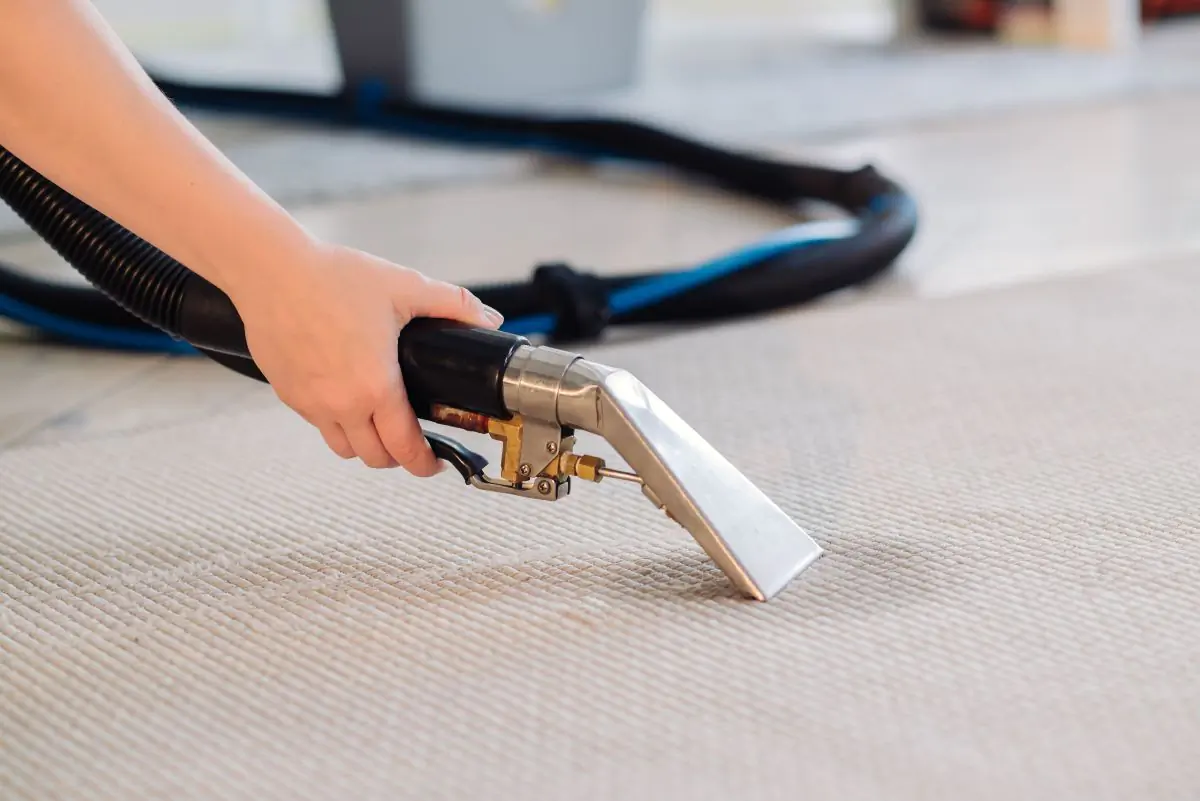
Preventing wear and tear on floor mats involves a combination of regular cleaning, proper drying, and protective measures. By adopting a proactive maintenance routine, you can significantly extend the lifespan of your mats, keeping them looking good and functioning effectively, whether they’re in your car, home, or workplace.
The goal is to minimize the factors that cause mats to degrade, such as excessive moisture, harsh chemicals, abrasive dirt, and UV exposure. This guide outlines practical steps you can take to protect your investment and ensure your floor mats serve you well for years to come.
Importance of regular cleaning
- Regular, gentle cleaning is key to preventing abrasive wear.
- Thorough drying is crucial to avoid material degradation.
- Protective treatments can shield mats from environmental damage.
- Consistent inspection helps catch issues before they worsen.
- Choosing the right mat for the intended use prevents premature wear.
| Topic | When it helps | What to keep in mind |
|---|---|---|
| step_1 | All types of floor mats (car, home, commercial). | Harsh chemicals, abrasive scrub brushes, or high-pressure washing can damage mat fibers or rubber. |
| step_2 | All types of floor mats, especially carpeted or porous materials. | Reinstalling damp mats can trap moisture against the underlying floor, causing damage to both. |
| step_3 | Rubber, vinyl, and carpet mats exposed to sunlight or heavy traffic. | Ensure the protectant is compatible with your mat material; some can make rubber mats slippery or damage certain plastics. |
| step_4 | All floor mats, especially those in high-traffic areas. | Ignoring small tears can lead to them unraveling or catching on shoes, causing more extensive damage. |
Focus on proactive steps for
step_1. Clean Mats Regularly and Gently
Frequent, gentle cleaning removes abrasive dirt and debris that can grind into the mat material, causing premature wear. Use mild soap and water or a cleaner specifically designed for your mat type.
- All types of floor mats (car, home, commercial).
- Harsh chemicals, abrasive scrub brushes, or high-pressure washing can damage mat fibers or rubber.
- Check the manufacturer’s recommendations for your specific mat material before using any cleaning product.
step_2. Ensure Mats Are Completely Dry
Moisture trapped within mat fibers or beneath them can lead to material breakdown, mold, and odor, accelerating wear. Always allow mats to air dry thoroughly before reinstallation.
- All types of floor mats, especially carpeted or porous materials.
- Reinstalling damp mats can trap moisture against the underlying floor, causing damage to both.
- Hang mats over a railing or lay them flat in a well-ventilated area until completely dry to the touch, inside and out.
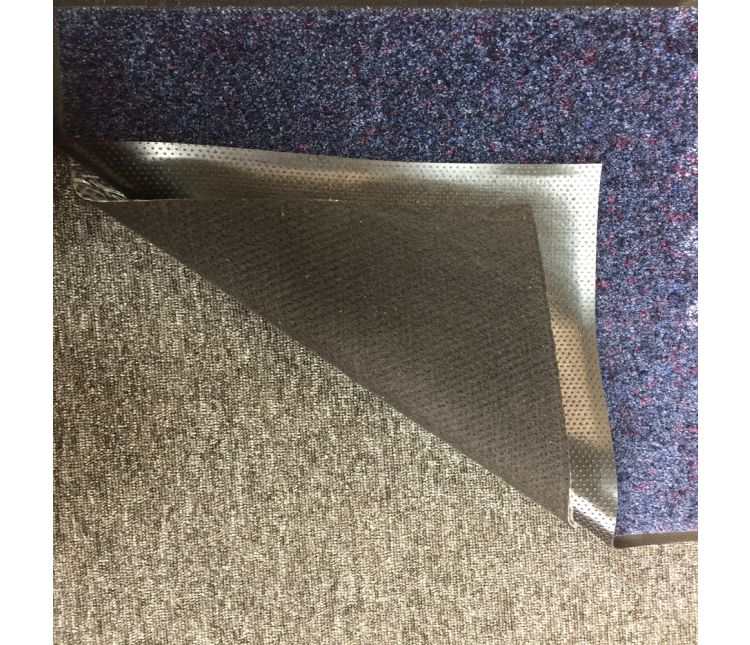
step_3. Apply Protective Treatments
Using a protectant spray designed for your mat material (e.g., rubber protectant for vinyl/rubber mats, fabric protectant for carpet mats) adds a barrier against UV rays, moisture, and stains, reducing friction and wear.
- Rubber, vinyl, and carpet mats exposed to sunlight or heavy traffic.
- Ensure the protectant is compatible with your mat material; some can make rubber mats slippery or damage certain plastics.
- Test a small, inconspicuous area first to ensure the product doesn’t alter the mat’s color or texture.
step_4. Inspect and Address Minor Damage Promptly
Regularly check mats for small tears, fraying edges, or worn spots. Addressing these issues early with minor repairs or reinforcement can prevent them from worsening and causing significant damage.
- All floor mats, especially those in high-traffic areas.
- Ignoring small tears can lead to them unraveling or catching on shoes, causing more extensive damage.
- For rubber mats, consider a rubber repair kit; for carpet mats, a fabric adhesive or professional repair might be needed for larger issues.
The Importance of Regular Cleaning
Regular cleaning is the first line of defense against premature wear and tear. Dirt, sand, gravel, and other debris act like tiny abrasives, constantly grinding against the mat’s surface with every step.
For carpet mats, a thorough vacuuming at least once a week is essential. For rubber or vinyl mats, a quick wipe-down with a damp cloth or a mild soap solution can remove surface grime.
Imagine small pebbles or grit getting ground into a carpet mat by shoe soles.
Using a stiff brush or abrasive cleaner on delicate carpet mats can fray the fibers and create a worn look prematurely.

Mastering the Art of Drying
Drying is just as important as cleaning. When mats are left damp, moisture can seep into the backing material or the underlying floor.
Always allow your floor mats to air dry completely before putting them back in place. For car mats, this might mean hanging them over a clothesline or placing them in a sunny, well-ventilated spot.
A car owner leaves their wet rubber floor mats in the car overnight.
Reinstalling mats while they are still damp, especially in enclosed spaces like car interiors, can trap moisture and lead to material rot and odor issues.
Applying Protective Treatments
Beyond cleaning, protective treatments can add a significant layer of defense against wear and tear. These treatments often create a barrier that repels water, resists stains, and protects against UV damage, which is a major culprit in the breakdown of rubber and plastic materials.
For rubber or vinyl mats, a dedicated rubber protectant or dressing can restore flexibility and prevent drying and cracking. For carpet mats, a fabric protector spray can help repel spills and reduce friction from foot traffic.
A car’s floor mats are constantly exposed to sunlight through the windows.
Using a generic household cleaner or a product not intended for the specific mat material can cause discoloration, make rubber mats excessively slippery, or damage fabric weaves.

Regular Inspection and Minor Repairs
Don’t wait until your floor mats are falling apart to pay attention to them. A quick visual inspection every few weeks can reveal early signs of wear, such as small tears, loose threads, or thinning areas.
For minor fraying on rubber mats, a dab of rubber cement or a specialized rubber repair kit can often seal the damage. For carpet mats, a fabric adhesive can secure loose threads.
You notice a small fraying edge on a rubber mat near the driver’s heel.
Ignoring small tears or worn spots, assuming they are minor, can lead to them rapidly worsening and compromising the entire mat.
Choosing the Right Mat for the Job
While this article focuses on prevention, it’s worth noting that the type of mat you choose plays a significant role in its durability. Mats designed for high-traffic areas, harsh weather, or specific environments (like anti-fatigue mats in a workshop) are built with materials and construction methods to withstand more abuse.
Consider the primary function and location of your mats. For car interiors, all-weather rubber mats offer superior protection against mud and moisture compared to fabric mats.
Using thin, decorative indoor rugs in a high-traffic entryway or a workshop will lead to them wearing out very quickly.
Selecting a mat that is not designed for the intended environment (e.g., using a delicate indoor rug outdoors) will inevitably lead to rapid wear and tear.
FAQs
Can I use tire dressing on my car’s floor mats?
Yes, a rubber protectant or tire dressing can be used on rubber or vinyl car floor mats. It helps maintain flexibility, enhances appearance, and provides a layer of protection against UV rays and drying.
Will Armor All damage my WeatherTech mats?
Armor All and similar protectants are generally safe for most rubber and vinyl mats, including WeatherTech. However, always check the product’s compatibility with the specific material.
How often should I clean my floor mats?
For car mats, aim for a thorough vacuuming weekly and a deeper clean monthly, or as needed based on dirt accumulation. Home mats, especially in entryways, may need daily sweeping or vacuuming and weekly washing.
Can I use a pressure washer on my floor mats?
It’s generally not recommended to use a high-pressure washer on most floor mats, especially carpeted ones, as it can damage fibers and backing. A garden hose with moderate pressure and gentle scrubbing is usually sufficient and safer.
What’s the best way to dry mats after washing?
The best way is to air dry them completely. Hang them outdoors or in a well-ventilated area until they are dry to the touch, both on the surface and in the backing.
Conclusion
Preventing wear and tear on your floor mats is an ongoing process, but one that pays off significantly in longevity and appearance. By integrating regular cleaning, thorough drying, and protective measures into your routine, you can keep your mats in excellent condition.
Pay attention to the small details, inspect your mats periodically, and choose the right mat for the job. These simple, proactive steps will help you avoid premature degradation and ensure your floor mats continue to protect your floors effectively for years to come.
Related posts
 Why You Should Use a Foam Cannon for Car Washing: Ultimate Guide
Washing your car is more than just making it look good. It protects the paint, keeps the value high, and makes driving feel better. But if…
 How to Clean Leather Seats Without Damaging Them: Expert Tips
Keeping your leather seats clean can be a challenge. Leather looks beautiful and feels luxurious, but it needs special care. Many people worry about damaging their…
 Why Using a Ceramic Coating Spray is Important for Your Car’s Shine
If you care about your car’s appearance and value, you probably wash and wax it regularly. But did you know there’s a better way to protect…