
What is a Snatch Ring Used for in Vehicle Recovery? Essential Guide
Getting stuck off-road or in mud can quickly turn an adventure into frustration. If you’ve ever watched a recovery or towing operation, you may have seen a small, simple-looking device called a snatch ring. But what exactly is a snatch ring, and why has it become so popular in vehicle recovery? Understanding how a snatch ring works can make your next recovery safer, easier, and less stressful.
What Is A Snatch Ring?
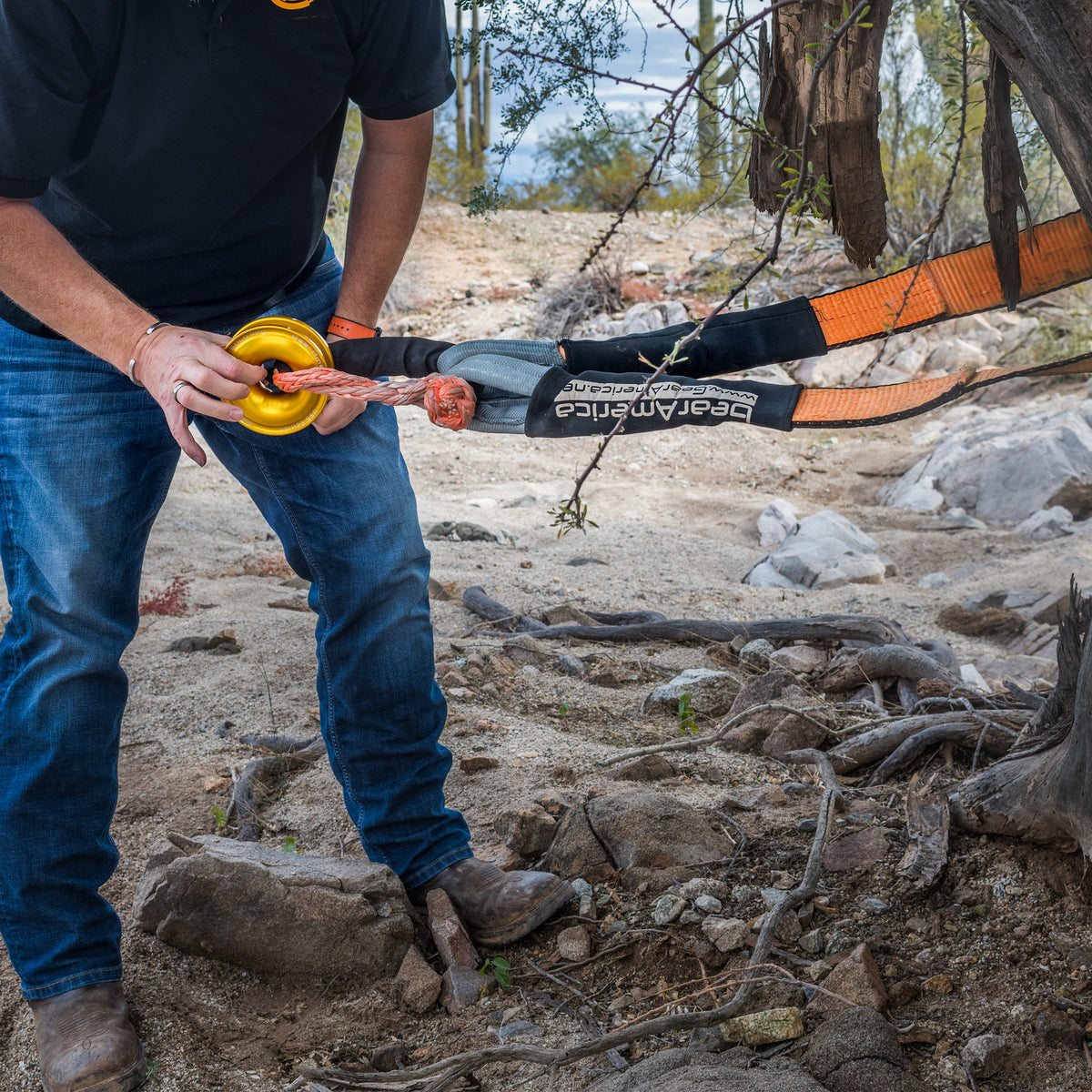
A snatch ring is a compact, round pulley made of strong metal or synthetic material. It has a smooth groove around its edge and a large central hole. Instead of being fixed to one end like a pulley block, the snatch ring allows a recovery rope or soft shackle to run through its groove. This simple design creates a frictionless surface for the rope and makes it easy to change the direction of a recovery pull.
Unlike traditional heavy snatch blocks, snatch rings are much smaller and lighter. Many fit easily in one hand and weigh less than 500 grams (about 1 pound). Despite their size, quality snatch rings can safely handle loads of 10,000 kg (22,000 lbs) or more. This strength comes from materials like aircraft-grade aluminum or hardened steel.
How Does A Snatch Ring Work In Recovery?
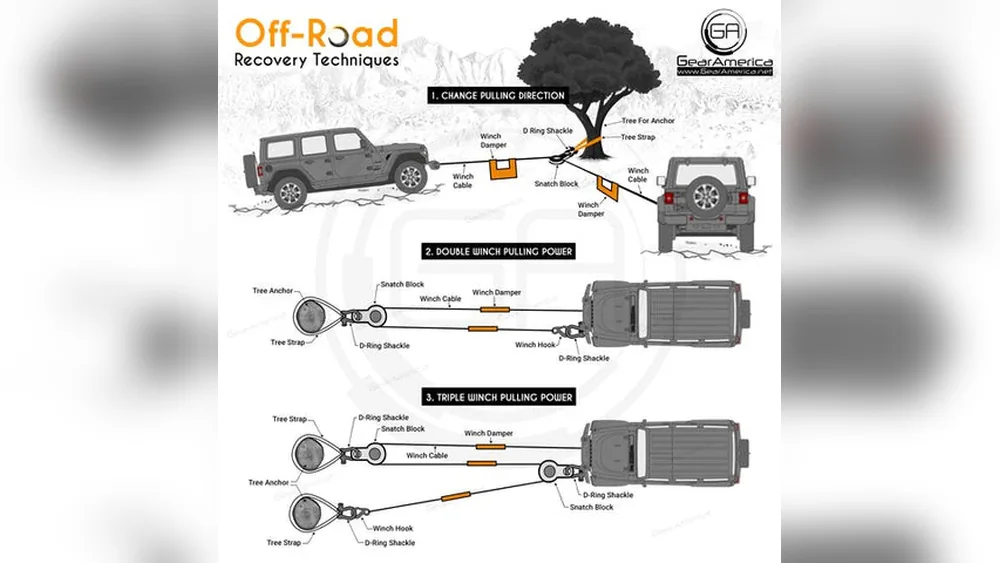
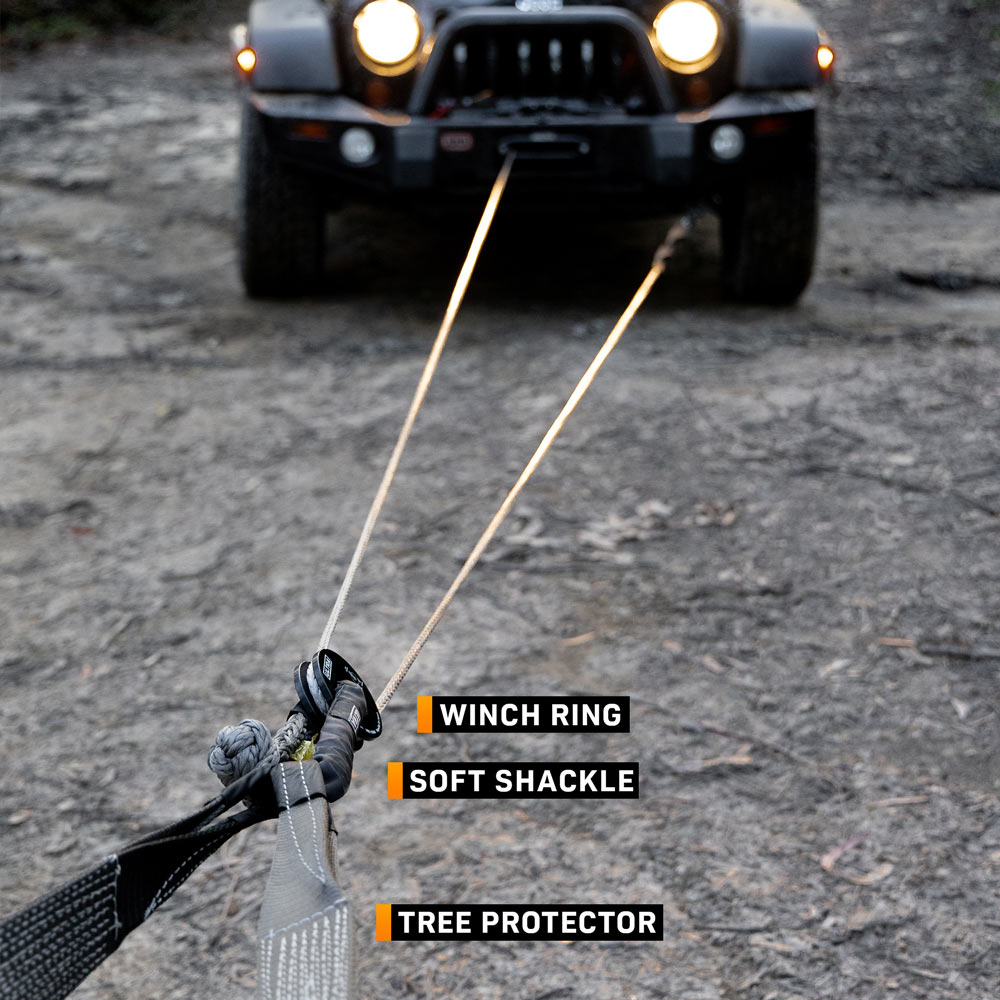
When a vehicle is stuck, a snatch ring can be attached to a recovery point (like a tree or another vehicle) using a soft shackle or a rated bow shackle. The recovery rope or synthetic winch line is then threaded through the ring. As you winch or pull, the rope slides smoothly along the groove, letting you change the pulling angle without damaging the rope.
Here’s a basic recovery setup using a snatch ring:
- Attach the snatch ring to an anchor point with a soft shackle.
- Run the winch rope through the ring.
- Winch as usual; the ring guides the rope and shifts the pulling force.
This setup is especially useful for double-line pulls (where you use extra anchor points for more power) or to reach a better angle for recovery. It also reduces the risk of rope damage compared to running the line over sharp edges.

Credit: overlandvehiclesystems.com
Key Uses For A Snatch Ring
Snatch rings have become a favorite tool for off-roaders, 4×4 enthusiasts, and towing professionals. Their main uses include:
1. Changing The Pulling Direction
Sometimes, the straight path between the stuck vehicle and the winch isn’t possible. Trees, rocks, or other obstacles may block the way. By anchoring a snatch ring to a side point, you can redirect the winch line safely around corners or obstacles without losing pulling power.
2. Doubling Winch Power
A common recovery technique is the double-line pull. By running the winch line through a snatch ring anchored ahead of the stuck vehicle and back to your own vehicle, you cut the strain on your winch in half and double the pulling power. This method is safer for both the winch and the vehicle.
3. Safe Soft Shackle Use
Snatch rings are designed to work with soft shackles (strong loops made of synthetic fiber). These are safer than metal shackles because they won’t become dangerous projectiles if something breaks under load. The snatch ring’s smooth groove protects the soft shackle and rope from abrasion.
4. Lightweight And Portable Recovery
Traditional steel snatch blocks are heavy and bulky. A snatch ring weighs much less and takes up very little space. Overland travelers and off-roaders prefer snatch rings because they fit into small recovery kits and don’t add much weight.
5. Reducing Rope Wear
Dragging a rope over rocks or hard edges can damage it fast. Snatch rings provide a smooth, rounded surface that protects both synthetic and steel winch lines, making your recovery gear last longer.
Snatch Ring Vs Snatch Block
Many people wonder if a snatch ring is better than the classic snatch block. Both tools help change the direction of pull and multiply winch force, but they have some differences.
Here’s a practical side-by-side comparison:
| Feature | Snatch Ring | Snatch Block |
|---|---|---|
| Weight | Light (300-500g) | Heavy (1.5-5kg) |
| Size | Small, pocket-sized | Large, bulky |
| Setup Time | Quick | Slower (needs to open/close) |
| Type of Line | Synthetic only | Synthetic or steel |
| Cost | Lower | Higher |
If you use a synthetic winch rope and want a lighter kit, a snatch ring is usually the better choice. But if you use a steel cable, you may need a snatch block.
Choosing A Snatch Ring: What Matters?
Not all snatch rings are created equal. Before buying, consider these important factors:
- Load Rating: Always pick a snatch ring rated for at least twice the weight of your vehicle. Most quality rings are rated for 10,000 kg or more.
- Material: Look for aircraft-grade aluminum or forged steel. These materials balance strength and weight.
- Groove Smoothness: A smooth, polished groove reduces wear on your rope and shackle.
- Rope Compatibility: Check the ring’s inner diameter matches your winch line’s thickness.
- Soft Shackle Compatibility: Most rings are made for soft shackles, not metal ones.
Here’s a quick feature checklist:
| Feature | Why It Matters |
|---|---|
| High load rating | Ensures safety in heavy pulls |
| Quality materials | Prevents breakage and damage |
| Smooth groove | Protects winch rope |
| Soft shackle fit | Allows easy, safe attachment |
Common Mistakes When Using A Snatch Ring
Many beginners make avoidable errors with snatch rings. Here are some you should watch out for:
- Using with steel cables: Snatch rings are designed for synthetic ropes. Steel cables can damage the groove and make recovery unsafe.
- Overloading: Never exceed the ring’s rated capacity. Check your vehicle’s weight before use.
- Ignoring anchor strength: The snatch ring is only as strong as the anchor (tree, rock, or vehicle) you attach it to.
- Incorrect shackle use: Always use a rated soft shackle. Avoid cheap or non-rated gear.
A non-obvious tip: after heavy use, check your snatch ring for wear or grooves. Even the toughest materials can degrade over time, especially with dirt or grit.
Credit: ultrawinch.com.au
Real-world Example
Imagine your 4×4 is bogged down in thick mud. The straight path out is blocked by a fallen tree. Using a snatch ring, you anchor to a tree off to the side. You attach a soft shackle, run the winch line through the snatch ring, and begin to pull.
The ring redirects the force, letting you recover your vehicle from a safer angle. This technique is often used in off-road competitions and by professional recovery teams.
For more about winch and recovery techniques, you can check the Winch Wikipedia page.
Frequently Asked Questions
What Is The Main Purpose Of A Snatch Ring?
A snatch ring is used to change the direction of a winch pull or double the pulling power during vehicle recovery. It makes complex recoveries safer and easier, especially with synthetic ropes.
Can I Use A Snatch Ring With A Steel Winch Cable?
No, snatch rings are designed for synthetic ropes only. Steel cables can damage the ring and create dangerous situations.
Is A Snatch Ring As Strong As A Snatch Block?
A quality snatch ring can handle similar loads as a snatch block, but always check the load rating. Snatch blocks are better for steel cables, while snatch rings are best for synthetic ropes.
How Do I Attach A Snatch Ring?
You attach a snatch ring using a soft shackle or a rated bow shackle. The ring should be anchored to a strong recovery point, such as a tree, rock, or another vehicle.
Are Snatch Rings Safe For Beginners?
Yes, snatch rings are simple and safe to use, but you must follow proper recovery techniques and only use rated equipment. Practice in a safe area before trying in real situations.
When you pack for your next adventure, don’t overlook the snatch ring. It’s a small tool that can make a big difference in your recovery kit—saving time, effort, and maybe even your vehicle.
Credit: www.gearamerica.com
Related posts
 Why You Should Use a Foam Cannon for Car Washing: Ultimate Guide
Washing your car is more than just making it look good. It protects the paint, keeps the value high, and makes driving feel better. But if…
 How to Clean Leather Seats Without Damaging Them: Expert Tips
Keeping your leather seats clean can be a challenge. Leather looks beautiful and feels luxurious, but it needs special care. Many people worry about damaging their…
 Why Using a Ceramic Coating Spray is Important for Your Car’s Shine
If you care about your car’s appearance and value, you probably wash and wax it regularly. But did you know there’s a better way to protect…