
Using Winch Snatch Recovery Rings for Vehicle Recovery: Expert Tips
Using Winch Snatch Recovery Rings For Vehicle Recovery
Getting stuck off-road can happen to anyone, whether you are an experienced adventurer or just starting out. Mud, sand, snow, and uneven terrain can trap your vehicle when you least expect it. Traditional recovery tools like snatch blocks and pulleys have been popular for years, but a newer tool—the winch snatch recovery ring—is changing how people handle tough recoveries. This article will guide you through what snatch recovery rings are, how they work, why they matter, and how to use them safely and effectively.
What Is A Winch Snatch Recovery Ring?
A winch snatch recovery ring is a compact, lightweight device made from strong materials like aluminum or steel. It is designed to redirect your winch line, helping you pull your vehicle from difficult angles or double your pulling power. Unlike traditional snatch blocks, recovery rings do not use moving parts. Instead, the winch line loops around the smooth surface of the ring, creating less friction and a simple, effective mechanical advantage.
Comparison: Recovery Ring Vs Snatch Block
Here’s a quick comparison to highlight the differences between a recovery ring and a traditional snatch block:
| Feature | Snatch Recovery Ring | Snatch Block |
|---|---|---|
| Weight | Lightweight (200-400g) | Heavier (1-2kg) |
| Moving Parts | None | Yes (pulley) |
| Maintenance | Low | Medium (needs lubrication) |
| Compatibility | Synthetic rope only | Steel cable and synthetic rope |
| Cost | Lower | Higher |
Why Use A Snatch Recovery Ring?
The main reason drivers choose snatch recovery rings is their simplicity and effectiveness. Here are key advantages:
- Portability: Small size fits into most recovery kits, saving space and weight.
- Strength: High-grade aluminum rings can handle loads above 10,000 kg.
- Low Maintenance: No moving parts mean fewer things can fail in harsh conditions.
- Safety: Works best with soft shackles and synthetic rope, reducing sharp edges and injury risk.
- Efficiency: Less friction means smoother recovery pulls, especially with quality synthetic winch rope.
A non-obvious insight: Snatch rings are not just lighter—they are much easier to clean after muddy recoveries, since no moving parts can trap grit or sand.

Credit: altiq.com.au
How Do Snatch Recovery Rings Work?
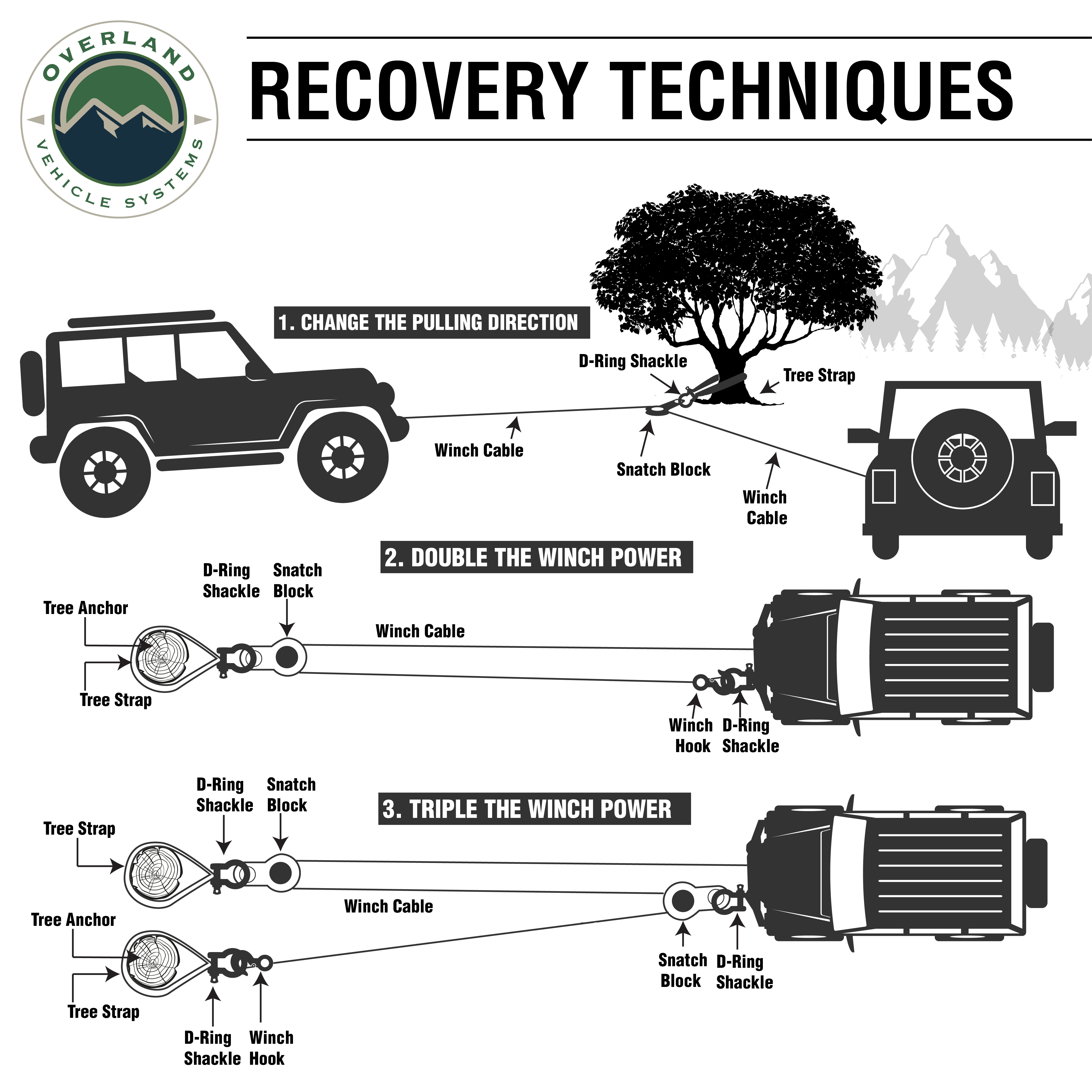
Snatch recovery rings use the force of the winch line and the smooth, round shape of the ring to redirect the pull. Here is a simplified step-by-step example:
- Attach the ring to a secure anchor point using a soft shackle.
- Feed your synthetic winch rope through the ring’s groove.
- Winch in—the ring slides, redirecting the force and doubling the pulling power.
This method lets you change the direction of the pull (called an off-angle recovery) or use a double-line pull for extra strength.
Mechanical Advantage Example
If you use a recovery ring to create a double-line pull, you reduce the load on your winch by half. For example, if your vehicle weighs 2,000 kg and you use a double-line setup, each line carries about 1,000 kg (excluding friction losses).
How To Use A Winch Snatch Recovery Ring: Step-by-step
Using a recovery ring safely is crucial. Follow these steps for a typical recovery situation:
- Assess the situation. Make sure the ground is stable and all gear is rated for your vehicle’s weight.
- Select a suitable anchor. A tree, another vehicle, or a ground anchor can work.
- Attach a tree protector strap or anchor sling to the anchor point.
- Connect a soft shackle through the ring and anchor strap.
- Thread the winch rope through the ring’s groove.
- Return the winch rope back to your vehicle or another anchor point.
- Check all gear for proper setup and tension.
- Clear the area. Make sure bystanders stand clear, ideally behind open vehicle doors.
- Start winching slowly. Watch for any movement or shifting gear.
- Stop and check after a few feet, then continue if all is secure.
A common mistake: Using a steel shackle or steel winch cable with a snatch ring. Only use soft shackles and synthetic rope—steel can damage the ring and create dangerous projectiles if something fails.
Choosing The Right Recovery Ring
Not all recovery rings are the same. Here’s what to check before buying:
- Load rating: Always higher than your vehicle’s gross weight.
- Material: Aircraft-grade aluminum is light and strong.
- Surface finish: A smooth, hard-anodized finish prevents rope wear.
- Groove size: Fit for your winch rope diameter (usually 10-12mm).
- Brand reputation: Choose brands with real-world testing and reviews.
Here’s a side-by-side comparison of common snatch ring materials:
| Material | Weight | Strength | Corrosion Resistance |
|---|---|---|---|
| Aluminum (7075-T6) | Very light | Very high | Excellent |
| Steel | Heavy | Very high | Moderate |
| Plastic/Composite | Light | Low to medium | Good |
Essential Safety Tips For Recovery
- Inspect all gear before use. Look for cracks, wear, or sharp edges.
- Never stand in line with a loaded winch rope. If the rope breaks, it can snap back dangerously.
- Use a winch damper (blanket or jacket) on the rope to reduce whip if the line snaps.
- Double-check anchor points for strength and security.
- Keep your recovery ring clean. Grit and sand can cause rope damage.
A tip many overlook: After winching, always check your synthetic rope for heat or abrasion. Even a small rough spot can weaken the rope for future recoveries.

Credit: www.gearamerica.com
Real-world Example
During a recent off-road event, an SUV bogged down in deep clay. With limited space and no direct winch path, the team used a snatch recovery ring on a tree anchor to redirect the winch line around a corner. The lightweight ring allowed a quick setup, and the recovery succeeded in minutes with minimal gear.
This kind of flexibility is why many off-roaders now keep a snatch ring in their kit.
Frequently Asked Questions
What Is The Main Benefit Of A Winch Snatch Recovery Ring?
The main benefit is light weight and simplicity. Recovery rings are easy to carry and quick to set up, making them ideal for remote recoveries where space and speed matter.
Can I Use A Recovery Ring With A Steel Winch Cable?
No, you should only use synthetic winch rope with recovery rings. Steel cables can damage the ring’s surface and increase the risk of failure.
How Strong Are Snatch Recovery Rings?
Most high-quality rings are rated for 10,000 kg or more. Always check the load rating before use and never exceed it.
Is A Snatch Ring As Safe As A Snatch Block?
Yes, when used with the right gear (soft shackle, synthetic rope), a snatch ring is very safe. It has fewer parts that can fail and creates less kinetic energy if something breaks.
Where Can I Learn More About Safe Recovery Techniques?
For more in-depth knowledge, visit Wikipedia’s Vehicle Recovery page, which covers various recovery methods and safety tips.
Using a winch snatch recovery ring can make vehicle recovery safer, easier, and more efficient. With the right knowledge and equipment, you can handle tough situations with confidence and protect both your gear and your crew. Always prepare, stay safe, and enjoy your off-road adventures.
Credit: exitoffroad.com
Related posts
 Why You Should Use a Foam Cannon for Car Washing: Ultimate Guide
Washing your car is more than just making it look good. It protects the paint, keeps the value high, and makes driving feel better. But if…
 How to Clean Leather Seats Without Damaging Them: Expert Tips
Keeping your leather seats clean can be a challenge. Leather looks beautiful and feels luxurious, but it needs special care. Many people worry about damaging their…
 Why Using a Ceramic Coating Spray is Important for Your Car’s Shine
If you care about your car’s appearance and value, you probably wash and wax it regularly. But did you know there’s a better way to protect…