
Understanding the Break Strength of Snatch Blocks: Essential Guide
Understanding The Break Strength Of Snatch Blocks
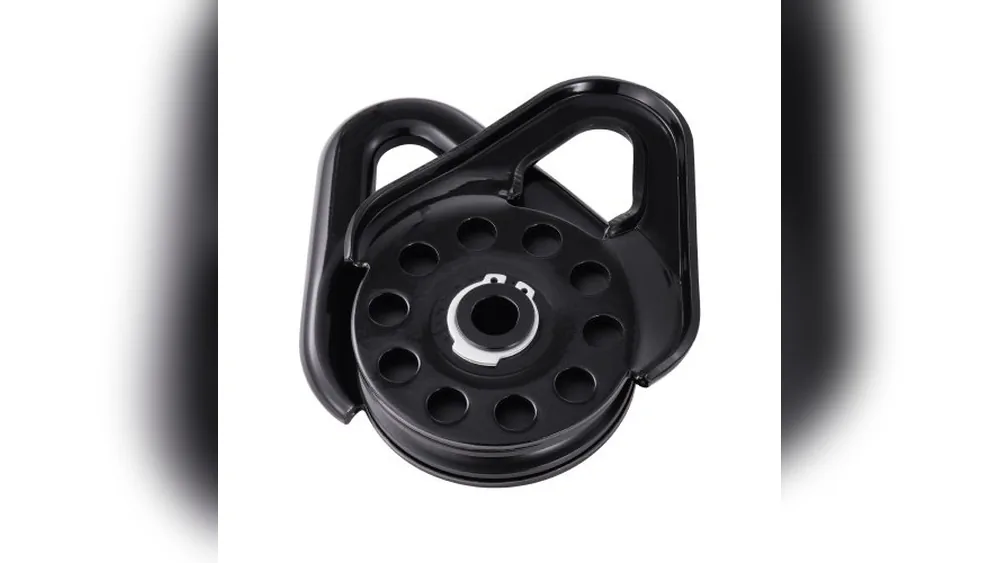
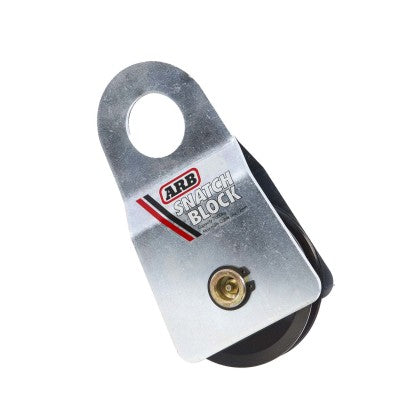
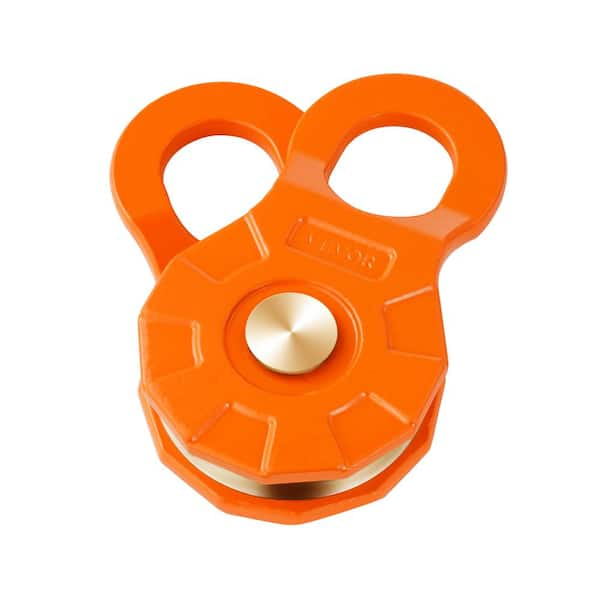
Snatch blocks are essential tools in many heavy lifting and rigging operations. They help redirect the path of a rope or cable, making it easier to move heavy loads safely. But one important factor often overlooked is the break strength of a snatch block. Knowing this value can mean the difference between a safe lift and a dangerous failure. This article explains what break strength means, why it matters, and how to use it to make better choices for your projects.
What Is Break Strength?
Break strength is the maximum force a snatch block can handle before it fails. This number is usually given in pounds (lbs) or tons. For example, a block with a break strength of 16,000 lbs can handle that much force before breaking apart.
Manufacturers test their products by applying increasing loads until the block breaks. The highest load reached is the break strength. This is different from the working load limit (WLL), which is the safe amount you should actually use—usually much lower than the break strength.
Why Break Strength Matters
Using a snatch block without knowing its break strength is risky. If the force goes beyond the limit, the block can fail suddenly. This may cause injury, damage, or even death in extreme cases.
Here’s why break strength is so important:
- Safety Margin: It gives you a clear safety buffer. Most experts suggest using only one-fourth or one-fifth of the break strength as the working load.
- Equipment Longevity: Staying within safe limits prevents early wear and tear.
- Legal Compliance: Many job sites require proof that equipment meets certain strength ratings.
Credit: www.levelupsuspension.com
Break Strength Vs. Working Load Limit
These two terms are often confused, but they are not the same. The working load limit (WLL) is the maximum force you should apply during normal use. It’s a fraction of the break strength.
Here is a simple comparison:
| Term | What It Means | Example Value |
|---|---|---|
| Break Strength | Maximum force before failure | 16,000 lbs |
| Working Load Limit | Safe force for everyday use | 4,000 lbs (using a 4:1 safety factor) |
Never use the break strength as your working load limit. Always follow the manufacturer’s guidelines.
Factors That Affect Break Strength
Several things can change the break strength of a snatch block:
- Material: Steel blocks are stronger than aluminum or plastic.
- Sheave Size: Larger sheaves often handle more force.
- Pin Diameter: A thicker pin adds strength.
- Construction Quality: Welds, bolts, and bushings must be solid.
- Wear and Damage: Rust, cracks, or bent parts can lower real-world strength.
For example, a block that has been dropped or exposed to saltwater may have a much lower break strength than when it was new.
How To Calculate The Right Snatch Block For Your Job
Choosing the right snatch block means matching the break strength to your load. Here’s a basic approach:
- Know Your Load: Find out the maximum weight you need to move.
- Use a Safety Factor: Most experts use a safety factor of 4 or 5. This means divide the break strength by 4 or 5 to find the safe working load.
- Consider the Line Angle: If you change the direction of the pull, forces can increase. For example, a 90-degree turn doubles the force on the block.
Let’s see an example:
- Load weight: 5,000 lbs
- Safety factor: 4
- Needed break strength: 5,000 x 4 = 20,000 lbs
So, choose a snatch block with at least 20,000 lbs break strength.
Real-world Example: Vehicle Recovery
Imagine you’re using a snatch block for vehicle recovery. The truck weighs 6,000 lbs, and you need to pull it over rough terrain. If you use a 2:1 mechanical advantage, the line tension on the block can reach 12,000 lbs or more.
If your snatch block has a break strength of 16,000 lbs, you are cutting it close. It’s safer to use a block with a break strength of at least 24,000 lbs, giving you a proper safety margin.
Credit: www.homedepot.com
Common Mistakes When Using Snatch Blocks
Many users, especially beginners, make errors that can be costly. Here are two common mistakes:
- Ignoring the Safety Factor: Some people use the break strength as their working limit. This is dangerous. Always use the working load limit, not the break strength, for regular use.
- Overlooking Damage: Small cracks, worn sheaves, or bent pins can greatly reduce the block’s actual strength. Always inspect before use.
Another mistake is using the wrong size cable or rope. The snatch block must match the cable diameter for full strength.
How Snatch Blocks Compare To Other Rigging Hardware
Snatch blocks are not the only hardware used for lifting and pulling. Here’s a quick comparison with two other common items:
| Hardware | Typical Use | Break Strength Range |
|---|---|---|
| Snatch Block | Redirect or multiply pulling force | 8,000 – 40,000 lbs |
| Shackle | Connect chain or cable | 4,000 – 20,000 lbs |
| Eye Bolt | Anchor point for lifting | 2,000 – 10,000 lbs |
As you can see, snatch blocks often have higher break strengths, but always check each item’s rating before use.

Credit: www.milemarker.com
Tips For Maximizing Snatch Block Safety
To get the best performance and safety, follow these tips:
- Check the block for damage before every use.
- Lubricate moving parts to reduce friction and wear.
- Store in a dry place to prevent rust.
- Use only compatible cables or ropes.
- Never overload, even for a short time.
One insight often missed: Replacing a slightly damaged block is much cheaper than dealing with a failed block during a job.
Where To Find Reliable Break Strength Data
Always use data from the manufacturer or trusted sources. Do not guess or use “rule of thumb” numbers. For more technical details, you can check resources like the Wikipedia Block and Tackle page.
Frequently Asked Questions
What Is The Difference Between Break Strength And Working Load Limit?
Break strength is the maximum force a snatch block can handle before it breaks. Working load limit (WLL) is the maximum force you should use during normal operations. The WLL is usually much lower than the break strength for safety.
How Do I Choose The Right Snatch Block For My Project?
First, determine your maximum load. Multiply that by the safety factor (usually 4 or 5). Choose a block with a break strength equal to or greater than this number.
Can I Use A Snatch Block With A Damaged Sheave Or Pin?
No. Damage can greatly reduce the block’s strength and increase the risk of failure. Always replace or repair damaged parts before use.
Does The Size Of The Cable Matter When Using A Snatch Block?
Yes. The snatch block must match the cable or rope diameter. Using the wrong size can cause slippage or reduced strength.
Where Can I Find Break Strength Ratings For Snatch Blocks?
Always check the manufacturer’s label or official documentation. Reliable sources include product manuals, the manufacturer’s website, or trusted industry guides.
Choosing the right snatch block and understanding its break strength are key steps for safe and efficient lifting or pulling. By following these guidelines, you can reduce risks and get the job done right.
Related posts
 Why You Should Use a Foam Cannon for Car Washing: Ultimate Guide
Washing your car is more than just making it look good. It protects the paint, keeps the value high, and makes driving feel better. But if…
 How to Clean Leather Seats Without Damaging Them: Expert Tips
Keeping your leather seats clean can be a challenge. Leather looks beautiful and feels luxurious, but it needs special care. Many people worry about damaging their…
 Why Using a Ceramic Coating Spray is Important for Your Car’s Shine
If you care about your car’s appearance and value, you probably wash and wax it regularly. But did you know there’s a better way to protect…