
Types of Winch Snatch Blocks And Their Uses Explained
When you need to lift, pull, or recover heavy loads, a winch is only as effective as its accessories. The snatch block is one of the most important tools for anyone using a winch, whether on a 4×4 adventure, in industrial settings, or during rescue operations. Yet, not all snatch blocks are the same. Choosing the right type can be the difference between a smooth recovery and a dangerous mistake. Understanding the types of winch snatch blocks, how they work, and their best uses will help you work safer and smarter.
What Is A Winch Snatch Block?
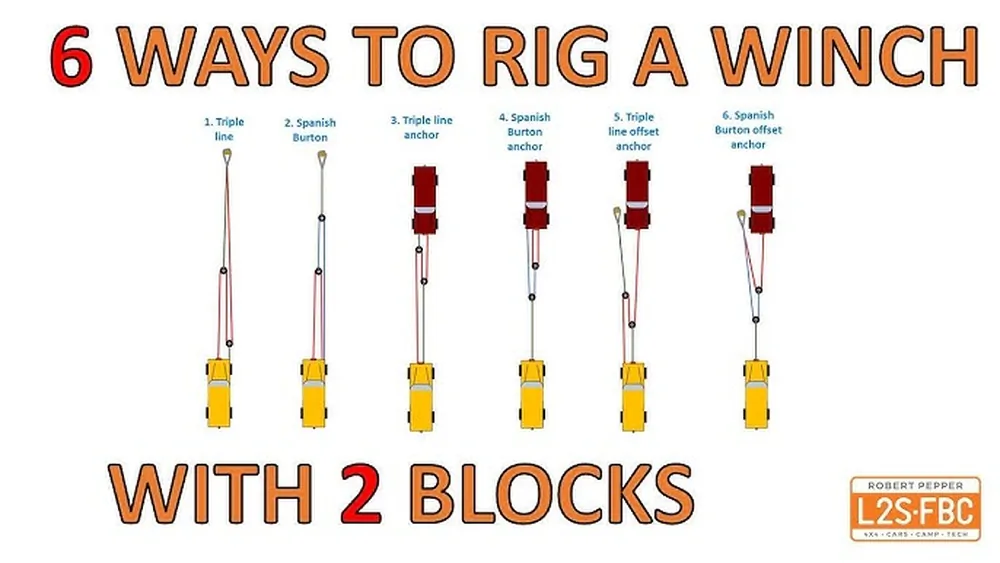
A winch snatch block is a heavy-duty pulley system designed to change the direction of a winch cable or increase pulling power. By running the winch line through the snatch block, you can create a mechanical advantage, meaning your winch can pull more weight with less strain. Snatch blocks also allow you to pull from different angles and avoid obstacles. They are essential for safe and efficient winching in off-road, marine, construction, and recovery situations.
Main Types Of Winch Snatch Blocks
Snatch blocks come in several designs, each with unique features for specific jobs. Here’s a closer look at the main types:
1. Standard Snatch Block
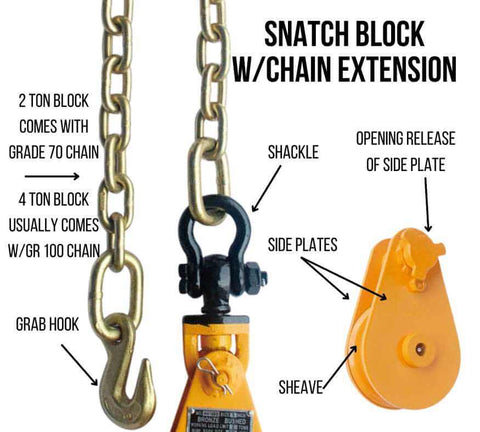
The standard snatch block is the most common type. It has a simple design with a swinging side plate, allowing you to open it and insert the cable without unspooling the entire line. Standard snatch blocks work well for general winching, vehicle recovery, and pulling tasks.
Best uses:
- Off-road vehicle recovery
- Simple direction changes
- Doubling winch pulling power
2. Heavy-duty Snatch Block
These blocks are built for extreme loads. A heavy-duty snatch block often features larger sheaves (the rotating wheel) and thick side plates for maximum strength. They are rated for much higher loads than standard blocks.
Best uses:
- Industrial winching
- Commercial towing
- Logging and construction
3. Recovery Snatch Block
A recovery snatch block is optimized for emergency and rescue work. It’s lightweight but tough, with a design that allows quick cable insertion and removal. Some have self-lubricating bushings for reduced maintenance.
Best uses:
- Emergency vehicle recovery
- Search and rescue
- Off-road clubs and teams
4. Swivel Snatch Block
This type features a swivel at the connection point, allowing the block to rotate 360 degrees. This prevents the cable from twisting and makes it easier to change pulling directions while under load.
Best uses:
- Winching at awkward angles
- Marine and rigging operations
- Dynamic recovery situations
5. Synthetic Rope Snatch Block
A synthetic rope snatch block is designed for use with synthetic winch lines, which are common in modern off-road winching. They typically have smooth, rounded sheaves and no sharp edges to prevent rope damage.
Best uses:
- Lightweight vehicle recovery
- Synthetic line winching
- Reducing friction and rope wear
6. Self-locking Snatch Block
The self-locking snatch block has a mechanism that automatically closes and locks the side plate after the cable is inserted. This extra safety feature prevents accidental opening during use.
Best uses:
- High-risk recovery operations
- Commercial and industrial lifting
- Environments where safety is critical
7. Snatch Block With Grease Fittings
Some snatch blocks include grease fittings (zerk fittings) for easy lubrication. This reduces wear, extends lifespan, and allows smoother operation, which is important for frequent or heavy use.
Best uses:
- Regular winching work
- Environments with high dirt or moisture
- Maintenance-focused users
8. Ultra-lightweight Snatch Block
Made from high-strength alloys or composites, ultra-lightweight snatch blocks are easy to carry but still strong. They are popular for overland travel, adventure sports, and situations where weight matters.
Best uses:
- Backpacking and remote recoveries
- Lightweight off-road vehicles
- Expeditions with gear limits
Comparing Snatch Block Types
Understanding how different snatch blocks stack up helps you choose the best one for your needs. Here is a quick comparison based on key features:
| Type | Main Feature | Best For | Load Rating (typical) |
|---|---|---|---|
| Standard | Basic, swinging side plate | General recovery | 8,000–12,000 lbs |
| Heavy-Duty | Reinforced, large sheave | Industrial, towing | 20,000+ lbs |
| Swivel | 360° rotating head | Angle pulls | 10,000–18,000 lbs |
| Synthetic Rope | Smooth, rope-friendly | Synthetic lines | 8,000–12,000 lbs |
| Ultra-Lightweight | High-strength, low weight | Remote recoveries | 6,000–10,000 lbs |
Key Benefits And Practical Uses
Snatch blocks offer more than just extra pulling power. Here’s how they help in real situations:
- Increase winch capacity: Using a snatch block can almost double your winch’s pulling power by creating a two-line pull.
- Change direction: It lets you pull from different angles, which is useful in tight or awkward spots.
- Reduce winch strain: By spreading the load, you protect your winch motor and cable, extending their life.
- Handle obstacles: Snatch blocks help avoid rocks, trees, and other obstacles by redirecting the winch line safely.
- Complex rigging: In industrial or rescue work, multiple snatch blocks can be used together for advanced setups.
Real-world Example: Off-road Recovery
Imagine your vehicle is stuck in mud, and the only anchor point is off to the side. Using a swivel snatch block, you can direct the winch line through the block attached to a tree, changing the pulling angle without twisting the cable. This method not only prevents cable damage but also keeps the winch working efficiently.
How To Choose The Right Snatch Block
To choose the best snatch block, consider these factors:
- Load rating: Always match the snatch block’s working load limit (WLL) to your winch and expected loads. Never exceed the rated capacity.
- Cable compatibility: Make sure the sheave fits your winch cable or rope size, and choose a block made for synthetic if needed.
- Weight and portability: For overlanders and adventurers, a lightweight snatch block is easier to carry.
- Ease of use: Quick-opening and self-locking designs save time and boost safety.
- Maintenance: If you’ll use it often, choose a model with grease fittings for easy care.
Here is a quick reference guide:
| Scenario | Recommended Type | Why |
|---|---|---|
| Off-road recovery | Standard, Swivel, Synthetic Rope | Flexibility and rope safety |
| Industrial use | Heavy-Duty, Self-Locking | High load, safety features |
| Emergency rescue | Recovery, Swivel | Quick, versatile setup |
| Expedition travel | Ultra-Lightweight | Low weight for carrying |
Two Insights Most Beginners Miss
First, always inspect your snatch block before use. Even a small crack or worn sheave can lead to failure under load. Second, remember that snatch blocks multiply the force on anchor points, not just the winch. Always use strong, stable anchors and never underestimate the forces involved.
Safety Tips For Using Snatch Blocks
- Keep hands clear of the sheave and cable during winching.
- Use gloves to protect against cable burrs.
- Never exceed the block’s rated load.
- Stand clear of the cable’s path in case of breakage.
- Regularly clean and lubricate the block, especially after muddy or wet use.
Credit: www.baremotion.com
Frequently Asked Questions
What Is The Main Difference Between A Standard And A Heavy-duty Snatch Block?
A standard snatch block is designed for everyday recovery and moderate loads, usually up to 12,000 lbs. A heavy-duty snatch block uses thicker materials and larger sheaves, allowing it to handle extreme loads over 20,000 lbs, suitable for industrial or commercial use.
Can I Use A Steel Cable Snatch Block With Synthetic Rope?
It’s not recommended. Steel cable snatch blocks may have sharp edges or rough surfaces that can damage synthetic rope. Always use a synthetic rope snatch block for synthetic lines, as they are designed with smooth sheaves to protect the rope fibers.
How Does A Snatch Block Increase Pulling Power?
A snatch block doubles the line between the winch and the load, creating a two-line pull. This setup distributes the weight and reduces strain on the winch motor, effectively doubling the pulling capacity. The anchor point must also be able to handle the increased force.

Credit: www.exploringoverland.com
Why Is A Swivel Snatch Block Useful For Off-road Recovery?
A swivel snatch block can rotate 360 degrees, which prevents the cable from twisting and makes it easier to pull from different angles. This is especially helpful when the anchor point is not directly in front of the stuck vehicle.
How Often Should I Maintain My Snatch Block?
If you use your snatch block frequently or in dirty environments, lubricate it after each use and check for wear or damage. Models with grease fittings are easier to maintain. Always store the snatch block in a dry, clean place to extend its lifespan.
For more technical details on pulley mechanics and safety, you can visit the Wikipedia page on pulleys.
Choosing the right snatch block keeps your winching safe, efficient, and reliable. With the right type and proper care, you’ll be prepared for any recovery or lifting challenge ahead.

Credit: murphylift.com
Related posts
 Why You Should Use a Foam Cannon for Car Washing: Ultimate Guide
Washing your car is more than just making it look good. It protects the paint, keeps the value high, and makes driving feel better. But if…
 How to Clean Leather Seats Without Damaging Them: Expert Tips
Keeping your leather seats clean can be a challenge. Leather looks beautiful and feels luxurious, but it needs special care. Many people worry about damaging their…
 Why Using a Ceramic Coating Spray is Important for Your Car’s Shine
If you care about your car’s appearance and value, you probably wash and wax it regularly. But did you know there’s a better way to protect…