
The Importance of Winch Accessories in Off-Road Recovery: Essential Gear
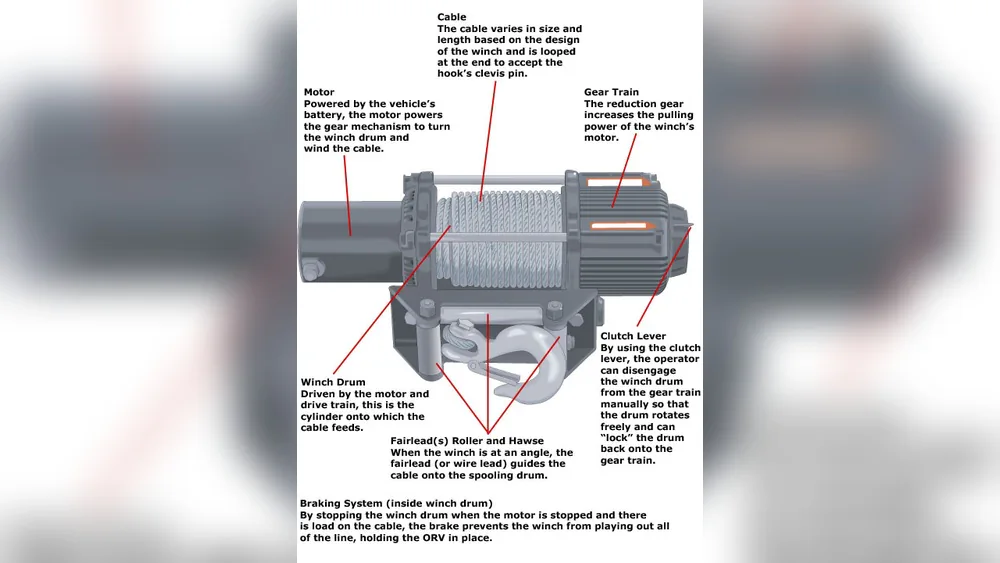
Heading into rough terrain with an off-road vehicle is thrilling, but it comes with its own risks. Getting stuck in mud, sand, or a ditch is common. This is where a winch becomes a vital tool for off-road recovery. However, even the best winch can fall short without the right winch accessories. These accessories not only make recovery safer and easier, but they also help protect both your gear and your vehicle. Many off-roaders underestimate how essential these tools are until they face a real emergency. By understanding the role of winch accessories, you can prepare for any recovery situation with confidence and safety.
Why Winch Accessories Matter
A winch alone only does part of the job. Winch accessories extend the winch’s capabilities, making off-road recovery more versatile and controlled. For example, a single winch line may not always reach the anchor point, or the angle of pull may be too steep. With the right accessories, you can solve these challenges and reduce the risk of equipment failure.
Data from off-road recovery forums shows that improper or missing accessories are responsible for more than 40% of winching accidents. Using only a winch without proper gear can damage your vehicle, injure people, and even get you more stuck. Accessories like snatch blocks, tree protectors, and recovery straps can greatly improve your chances of a safe recovery.
Essential Winch Accessories For Off-road Recovery
Let’s look at the most important winch accessories every off-roader should carry. Each tool serves a unique purpose and can make the difference between a successful recovery and a dangerous situation.
1. Recovery Straps
Recovery straps are strong, flexible bands made of nylon or polyester. They stretch slightly, which helps in pulling out vehicles gently. Unlike tow straps, recovery straps are designed to handle dynamic loads and are less likely to snap.
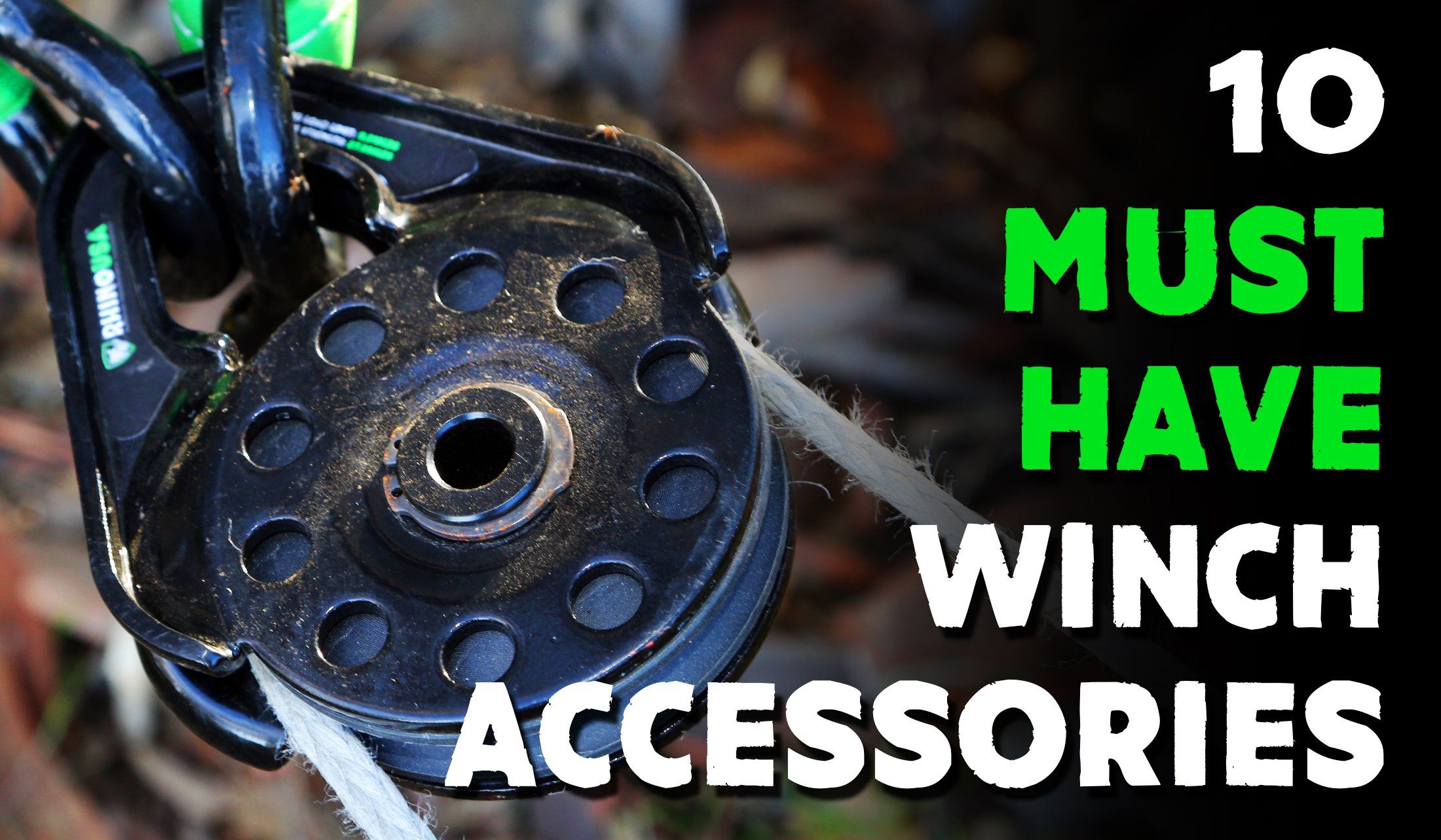
2. Snatch Blocks
A snatch block is a pulley that lets you change the direction of the winch line or double the pulling power. By routing the line through the snatch block and anchoring it elsewhere, you can recover heavier vehicles or handle difficult angles.
3. D-shackles (bow Shackles)
D-shackles connect straps, snatch blocks, and winch hooks securely. They are made from high-strength steel and rated for heavy loads. Make sure to use only rated shackles for safety.
4. Tree Saver Straps
These wide straps wrap around a tree to create a winch anchor without damaging the bark. Tree saver straps protect both the tree and your equipment, and are required in many off-road parks.
5. Winch Dampers
A winch damper is a weighted blanket you lay over the winch line during recovery. If the line snaps, the damper absorbs energy and reduces the risk of the cable whipping dangerously.
6. Gloves
Heavy-duty gloves protect your hands from frayed cables, splinters, and pinched fingers. Always wear gloves when handling winch lines, especially steel cables.
7. Soft Shackles
Soft shackles are lightweight, flexible connectors made from synthetic rope. They are as strong as steel shackles but easier to use and safer if they fail.
8. Fairleads
Fairleads guide the winch cable onto the drum, reducing friction and preventing damage. There are two types: roller and hawse fairleads. Each works best with specific cable types.
9. Recovery Boards
These boards help provide traction under your tires when you’re stuck in mud, sand, or snow. While not a direct winch accessory, they work well with winching operations.
10. Winch Line Extensions
Sometimes the anchor point is too far away. A winch line extension gives you extra length, so you can reach more distant trees or rocks.
11. Pulley Blocks
Similar to snatch blocks, pulley blocks help redirect the winch line and increase pulling power. They are especially useful for tricky recoveries.
12. Winch Hooks With Safety Latches
A winch hook with a safety latch prevents the hook from slipping off the recovery point, which increases safety during winching.
13. Anchor Points
Portable ground anchors can be used when there are no natural anchors like trees or rocks. They dig into the ground and provide a stable point for your winch line.
14. Cable Tensioners
Cable tensioners keep your winch line neatly wound and prevent tangling. This makes recovery faster and reduces wear on your cable.
15. Kinetic Ropes
These ropes stretch and store energy, making them ideal for dynamic recoveries where a gentle pull is needed to free a stuck vehicle.
Credit: www.rhinousainc.com
Comparing Common Winch Accessories
Here is a quick comparison of three critical accessories based on strength, ease of use, and safety:
| Accessory | Strength | Ease of Use | Safety |
|---|---|---|---|
| Snatch Block | High | Moderate | High |
| Soft Shackle | Moderate | High | Very High |
| Tree Saver Strap | High | Easy | High |
From this table, you can see that while all three are strong and safe, soft shackles are easier to use and safer if something goes wrong.
Making Smart Choices: Quality And Ratings
Not all winch accessories are equal. Always check the working load limit (WLL) and breaking strength before buying. Cheaper, unbranded gear may not pass safety tests. For example, a recovery strap should have a minimum breaking strength of three times your vehicle’s weight.
Here’s a comparison of breaking strengths for common accessories:
| Accessory | Recommended Breaking Strength |
|---|---|
| Recovery Strap | 21,000 lbs |
| Soft Shackle | 30,000 lbs |
| D-Shackle | 19,000 lbs |
Using under-rated gear is a common mistake. It can lead to equipment failure and injury. Spend a little more for reliable brands and always read the labels.
Safety First: Common Mistakes To Avoid
Many off-roaders make mistakes by rushing or using the wrong equipment. Here are two common errors:
- Ignoring line tension: Always keep the line tight during recovery to prevent sudden jerks.
- Anchoring to weak points: Only use strong, rated anchor points on your vehicle, not bumpers or tow balls.
Another insight: Always double-check connections before starting the winch. A loose shackle or improperly wrapped strap can turn a safe recovery into a disaster.
Real-world Example
Imagine you’re stuck on a steep hill with no trees nearby. Without a winch line extension or portable ground anchor, your winch alone can’t help. With these accessories, you can safely pull yourself out, even in tricky situations. This flexibility is why prepared off-roaders rarely get stranded for long.
Frequently Asked Questions
What Is The Most Important Winch Accessory For Beginners?
A recovery strap is the most important for beginners. It’s simple, safe, and can be used in most recovery situations.
Can I Use A Winch Without Any Accessories?
You can, but it’s risky. Accessories like snatch blocks and tree saver straps make recoveries safer and protect your equipment.
How Do I Know If An Accessory Is Strong Enough?
Check the working load limit and breaking strength. Choose accessories rated at least three times your vehicle’s weight.

Credit: arbusa.com
Are Synthetic Ropes Better Than Steel Cables?
Synthetic ropes are lighter and safer if they break. Steel cables are more durable but can be dangerous if they snap.
Where Can I Learn More About Off-road Recovery Safety?
You can find reliable information on the Wikipedia Vehicle Recovery page.
Being fully prepared is the key to safe and successful off-road adventures. Investing in quality winch accessories means you’ll be ready for anything the trail throws your way. Don’t wait until you’re stuck—equip your recovery kit now, and enjoy your off-road journeys with confidence.

Credit: www.fabfours.com
Related posts
 Why You Should Use a Foam Cannon for Car Washing: Ultimate Guide
Washing your car is more than just making it look good. It protects the paint, keeps the value high, and makes driving feel better. But if…
 How to Clean Leather Seats Without Damaging Them: Expert Tips
Keeping your leather seats clean can be a challenge. Leather looks beautiful and feels luxurious, but it needs special care. Many people worry about damaging their…
 Why Using a Ceramic Coating Spray is Important for Your Car’s Shine
If you care about your car’s appearance and value, you probably wash and wax it regularly. But did you know there’s a better way to protect…