
Synthetic Ropes Vs. Steel Cables for Winching: Ultimate Showdown
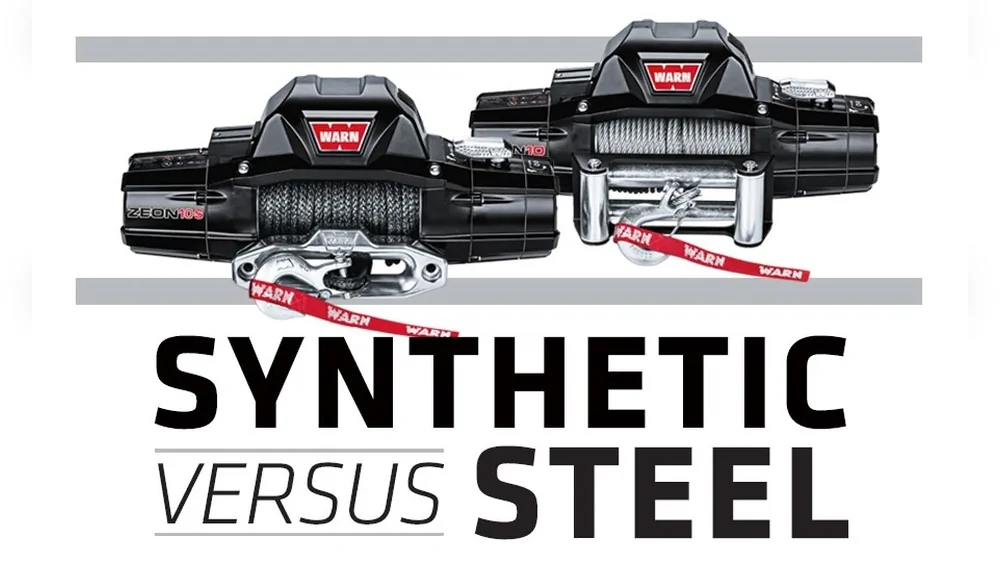
Winching is a serious task, whether you are off-roading, working in construction, or rescuing vehicles. Choosing between synthetic ropes and steel cables for your winch can be confusing. Both options have strong points, but they also have weaknesses. If you want safe, reliable, and effective winching, it’s important to know the difference. Let’s explore which is truly better for your needs.
What Are Synthetic Ropes And Steel Cables?
Synthetic ropes are made of strong man-made fibers, usually ultra-high molecular weight polyethylene (UHMWPE) like Dyneema or Spectra. These ropes are lightweight but surprisingly strong.
Steel cables, on the other hand, are made of woven steel wires. They are known for their toughness and have been used for many decades in winching.
Both can be used with most modern winches, but they behave very differently in real situations.
Strength And Durability
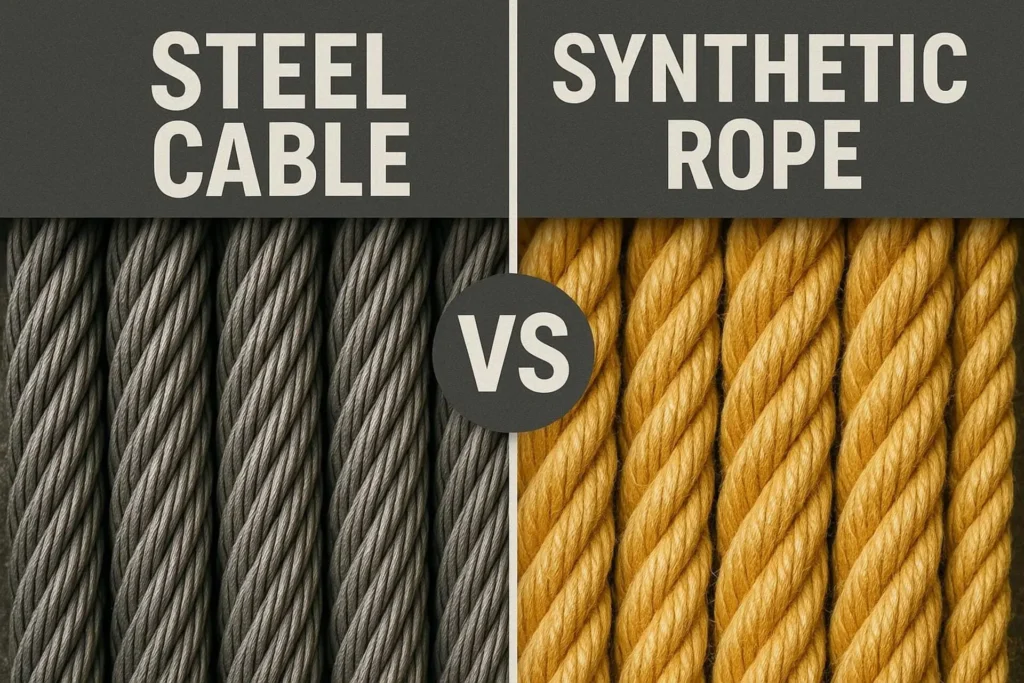
When it comes to breaking strength, synthetic ropes and steel cables are more equal than most people think. Many synthetic ropes match or even beat steel cables of the same diameter in lab tests.
But durability is about more than just strength. Steel cables stand up better to sharp objects, heat, and rough use. For example, if you often drag your winch line over rocks or rough surfaces, steel cables are less likely to get damaged quickly.
Synthetic ropes are strong, but they can be cut by sharp edges or ruined by chemicals and sunlight if not protected. However, many synthetic winch ropes today come with a protective sheath that helps with abrasion resistance.
One thing beginners often miss: steel cables can rust if not cared for. Over time, rust and broken wire strands can make cables dangerous to handle.
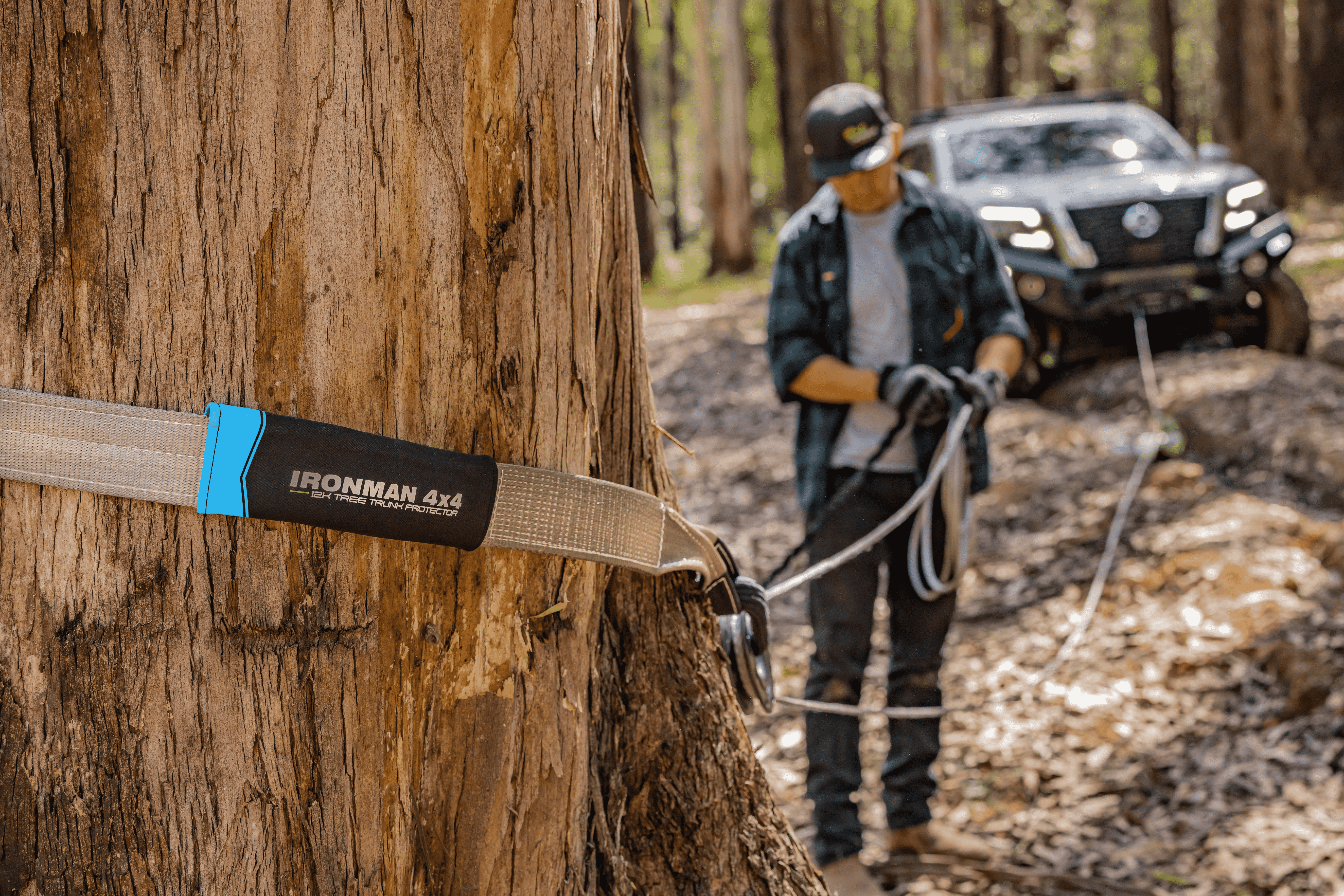
Credit: www.ironman4x4.com.au
Safety In Use
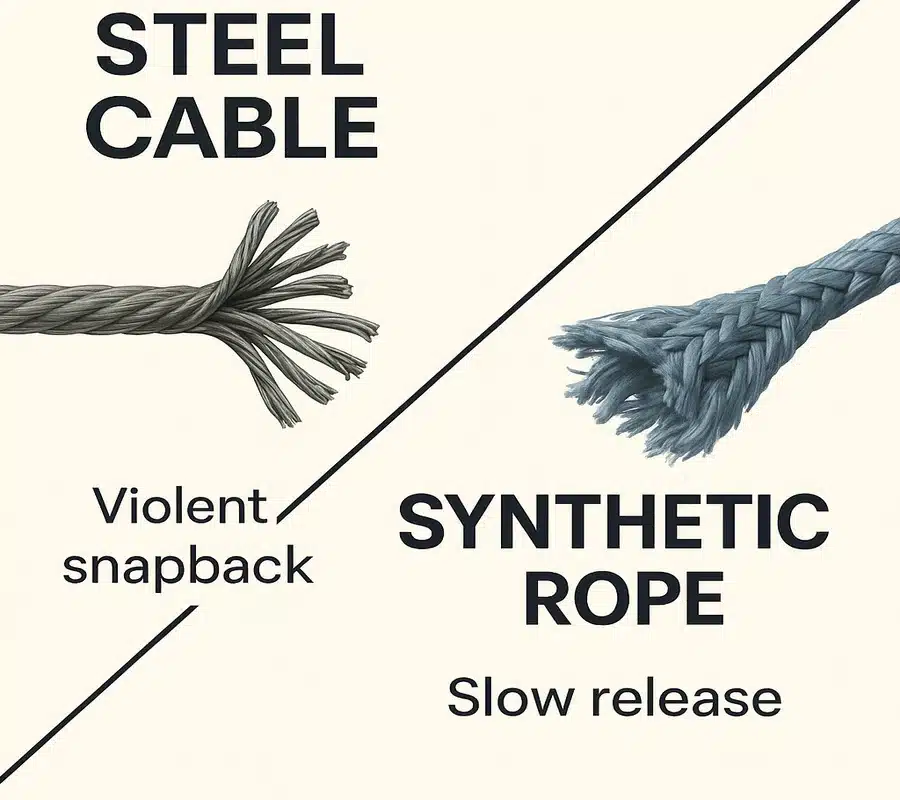
Safety is a top reason why more people are choosing synthetic ropes. When a steel cable breaks under tension, it snaps back with huge force—sometimes called the “steel cable whip.” This can be deadly if it hits a person or vehicle.
Synthetic ropes, in contrast, are lighter and have much less stored energy. If they break, they usually drop to the ground without whipping around. This makes them much safer in case something goes wrong.
Another safety insight: synthetic ropes float on water. This is useful during water recoveries, making them easier to spot and handle.
Weight And Handling
Synthetic ropes are up to 80% lighter than steel cables of the same strength. This makes a real difference when installing, removing, or repairing your winch line. Handling a synthetic rope is easier and much less tiring, especially in cold or wet weather.
Because synthetic ropes are lighter, they also reduce the overall weight on the front of your vehicle. Less weight means less stress on your suspension and better fuel economy.
Steel cables are heavy and can develop barbs (sharp broken wire strands) that can cut hands and gloves. Synthetic ropes are softer and safer to touch.
Credit: duracordix.com
Maintenance And Care
Steel cables require regular maintenance. You need to check for broken wires, rust, and kinks. You should also oil the cable from time to time to prevent rusting.
Synthetic ropes need less maintenance, but they are not “set and forget. ” It’s important to keep them clean, as dirt and sand can wear down the fibers. You should also avoid leaving synthetic ropes in direct sunlight for long periods, as UV light can weaken them.
One tip: after getting muddy or wet, unspool your synthetic rope and let it dry. This helps prevent mold and keeps the fibers strong.
Cost Comparison
At first, synthetic ropes usually cost more than steel cables. The price difference can be between $50 and $150 depending on length and brand.
However, the total cost is more than just the price of the rope or cable. Steel cables may last longer in some harsh environments, but they can also need more maintenance or replacement if they rust or develop broken strands.
Synthetic ropes might need to be replaced if they are damaged, but many people find the safety and ease of use worth the cost.
Here is a quick price and lifespan comparison:
| Type | Average Price (100ft/30m) | Typical Lifespan |
|---|---|---|
| Synthetic Rope | $150 – $250 | 3-5 years (with care) |
| Steel Cable | $70 – $150 | 5-10 years (with maintenance) |
Credit: duracordix.com
Performance In Different Conditions
Synthetic ropes perform well in most conditions, but there are a few exceptions. They are not as strong when wet, but the difference is small for most users. They are also sensitive to high heat, so avoid using them with winch brakes that get very hot.
Steel cables do not lose strength in wet or cold weather, and they are more resistant to heat. For extreme winching, like in industrial use, steel cables are still the standard.
One thing many people forget: synthetic ropes can be repaired in the field if they get damaged. You can braid or splice them by hand, which is impossible with steel cables.
Real-world Examples
Many off-road racers and rescue teams now use synthetic ropes because of their safety and easy handling. For example, the famous King of the Hammers off-road race requires fast winching—synthetic ropes save time and avoid injuries.
On the other hand, logging companies and tow trucks often stick to steel cables. In their tough, dirty environments, the higher abrasion and heat resistance of steel makes a big difference.
Pros And Cons At A Glance
This summary can help you decide:
| Feature | Synthetic Rope | Steel Cable |
|---|---|---|
| Weight | Very light | Heavy |
| Safety | Much safer on break | Dangerous recoil |
| Maintenance | Low | High |
| Durability (Abrasion) | Lower | Higher |
| Cost | Higher upfront | Lower upfront |
| Field Repair | Possible | Not possible |
Which Should You Choose?
If you want maximum safety, easy handling, and don’t mind a little extra cost, synthetic rope is the best choice. It’s ideal for most off-road and personal winching.
If you work in tough, dirty environments or need a winch line that will survive sharp edges and heat, steel cable is a better fit. It’s also a good choice if you don’t want to worry about sun or chemical exposure.
No matter what you choose, always wear gloves and follow safe winching practices. For more technical details, see this resource from the Wikipedia.
Frequently Asked Questions
Is Synthetic Rope Really As Strong As Steel Cable?
Yes, modern synthetic ropes can be as strong or even stronger than steel cables of the same size. The key is to choose a high-quality rope from a trusted brand.
Can I Switch My Winch From Steel Cable To Synthetic Rope?
Most winches can use either type, but you may need a new hawse fairlead instead of a roller fairlead for synthetic rope. Check your winch manual for details.
How Often Should I Replace My Winch Line?
Replace your winch line if you see major wear, fraying, kinks, or broken strands. For most users, this means every 3-5 years for synthetic and 5-10 years for steel, with proper care.
Are Synthetic Ropes Safe In All Weather?
Synthetic ropes handle most weather well, but avoid leaving them in direct sunlight for long periods. They can absorb water but dry quickly. Extreme heat from winch brakes can weaken them.
What Is The Biggest Mistake People Make With Winch Lines?
Many people forget to inspect their winch line regularly. Small cuts or rust can lead to sudden failure. Check your rope or cable before every use to stay safe.
Related posts
 Why You Should Use a Foam Cannon for Car Washing: Ultimate Guide
Washing your car is more than just making it look good. It protects the paint, keeps the value high, and makes driving feel better. But if…
 How to Clean Leather Seats Without Damaging Them: Expert Tips
Keeping your leather seats clean can be a challenge. Leather looks beautiful and feels luxurious, but it needs special care. Many people worry about damaging their…
 Why Using a Ceramic Coating Spray is Important for Your Car’s Shine
If you care about your car’s appearance and value, you probably wash and wax it regularly. But did you know there’s a better way to protect…