
Synthetic Rope and Snatch Block Pulley Compatibility Guide
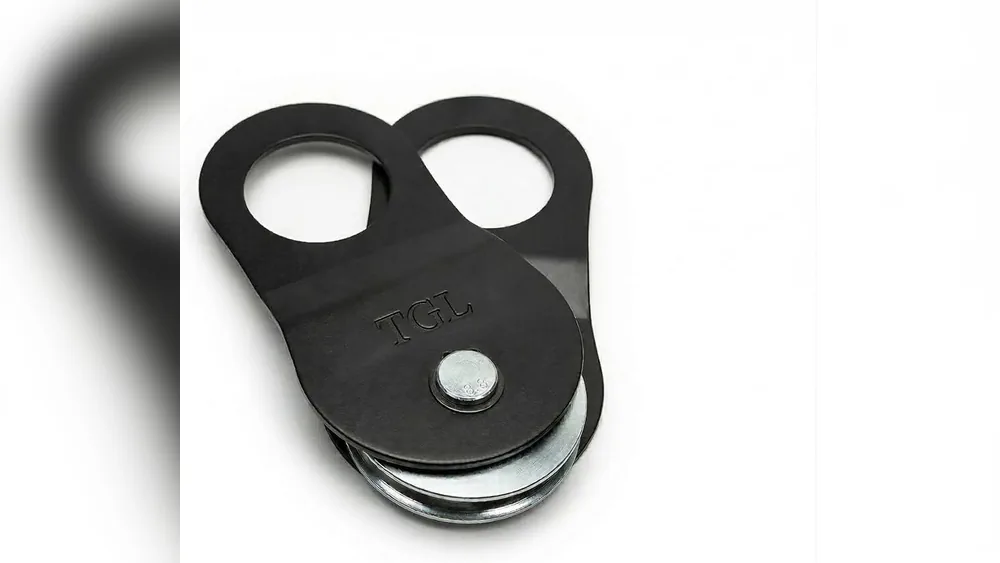
Synthetic Rope And Snatch Block Pulley Compatibility
Winching and heavy lifting often require strong, reliable tools. Two key components in many lifting and recovery setups are synthetic rope and snatch block pulleys. When these work together well, they make jobs safer and more efficient. But not every snatch block is suitable for every synthetic rope. Compatibility matters for safety, rope lifespan, and pulling power. If you want the best results from your gear, it’s important to know how these two elements interact—and what to look for before you trust your next lift or pull.
Understanding Synthetic Rope
Synthetic rope—usually made from materials like Dyneema, Spectra, or polypropylene—has changed the way people handle winching and lifting. It’s lighter than steel cable, easier to handle, and less likely to cause injury if it breaks. For example, a synthetic winch line can weigh up to 80% less than a steel cable of the same strength.
Popular uses include:
- Off-road vehicle recovery
- Marine lifting
- Construction and rigging
- Industrial rescue operations
But even the best synthetic rope can fail early if paired with the wrong pulley.
What Is A Snatch Block Pulley?
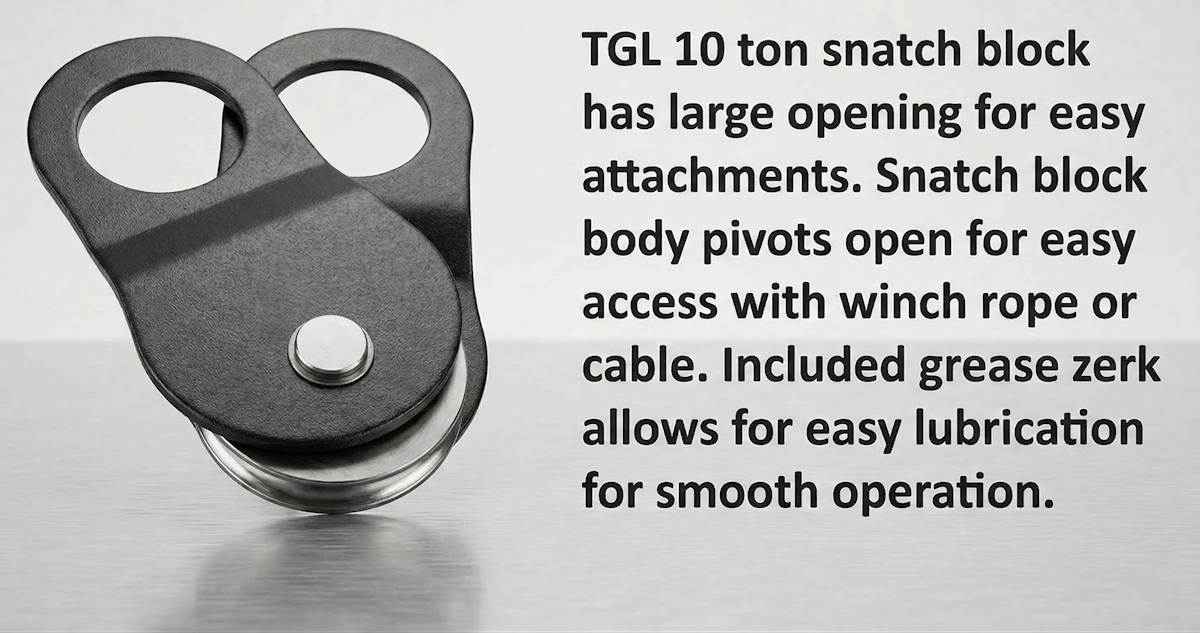
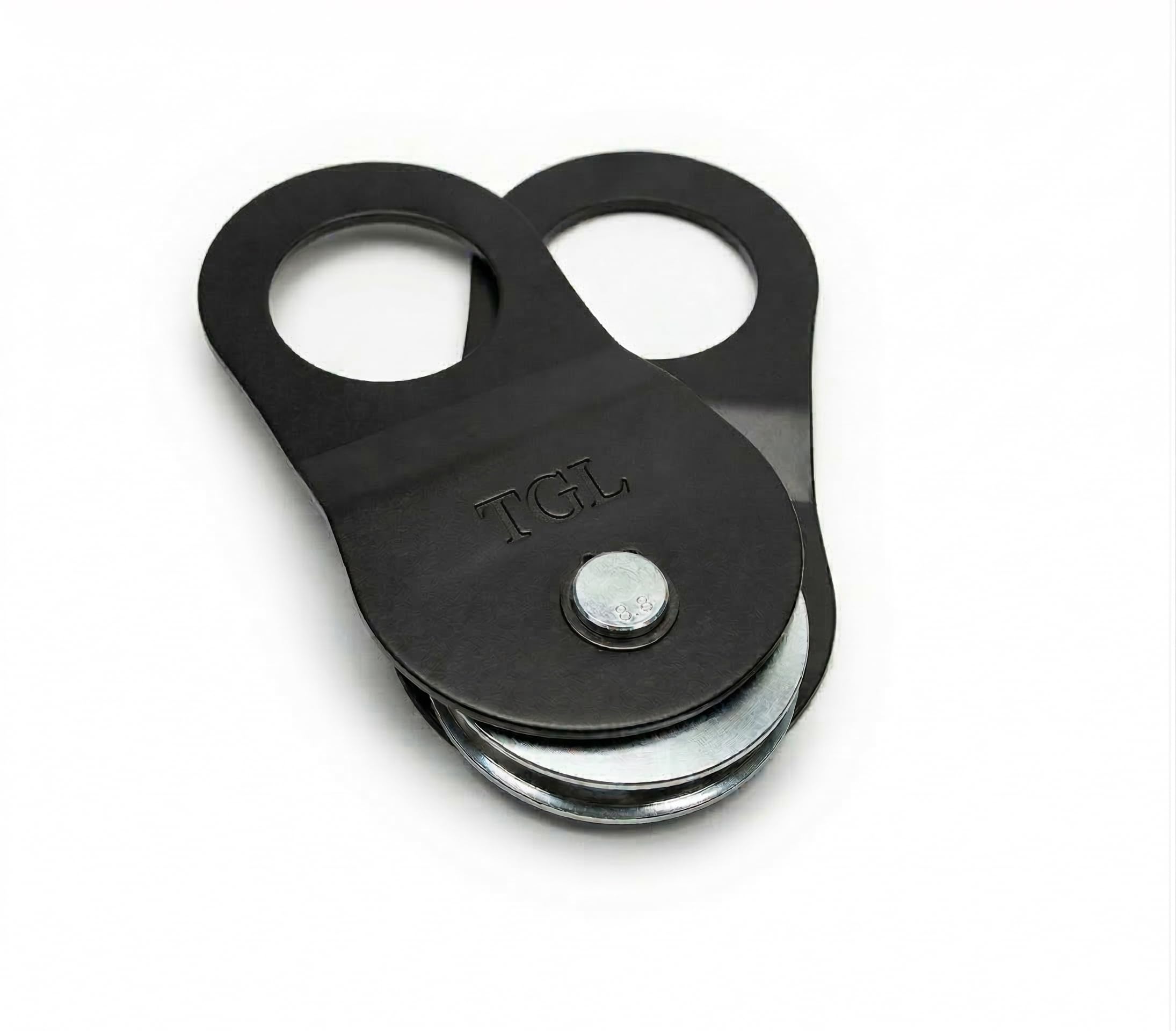
A snatch block is a type of pulley used to redirect a winch line or double its pulling power. It has a side plate that opens so you can “snatch” the rope into the groove. Snatch blocks are essential in situations where you need to:
- Change the direction of pull
- Distribute weight more evenly
- Increase your winch’s effective pulling power
The key part for compatibility is the sheave—the rotating wheel that the rope runs over. The shape, size, and material of the sheave can have a big impact on rope performance.

Credit: www.asroffroad.com
Why Compatibility Matters
Matching the right synthetic rope with the right snatch block is not just a technical detail—it’s a safety requirement. Using an incompatible snatch block can cause:
- Rope abrasion (fraying or cutting)
- Reduced breaking strength
- Heat buildup that damages synthetic fibers
- Premature rope failure
For example, pairing a sharp-edged steel sheave with a soft synthetic rope can slice the rope under load. This is a common mistake among beginners.
Key Compatibility Factors
Several factors affect whether a synthetic rope and snatch block pulley are a good match. Here’s what to check:
1. Sheave Material
Sheave material should be smooth and resistant to corrosion. Common materials include:
- Steel: Durable but can be rough. Needs to be smooth and free from burrs.
- Aluminum: Lightweight and often anodized for smoothness.
- Composite/Plastic: Some premium snatch blocks use engineered plastics, which are gentle on synthetic fibers.
Pro tip: If you can feel any sharp edge or rough spot, it’s not suitable for synthetic rope.
2. Sheave Groove Shape
The groove should match the rope’s diameter and shape. A U-shaped groove is ideal for synthetic rope, as it supports the rope evenly and reduces pinching. V-shaped grooves, common in older blocks, can squeeze and damage synthetic fibers.
3. Sheave Diameter
A larger sheave diameter is better for synthetic rope. It spreads the load and reduces bend radius stress, which helps maintain rope strength. As a rule, the sheave diameter should be at least 8 times the rope’s diameter.
For example, a 10mm rope needs a sheave of at least 80mm diameter.
4. Pulley Rating
The snatch block’s working load limit (WLL) must match or exceed the synthetic rope’s breaking strength. Never use a block rated for less than the maximum force you expect.
5. Lubrication And Bearings
Synthetic rope does not tolerate heat well. Look for snatch blocks with quality bearings or bushings, which reduce friction and heat buildup.
Comparing Snatch Block Types
Here’s a comparison of common snatch block types for synthetic rope:
| Type | Sheave Material | Best Use Case | Compatibility |
|---|---|---|---|
| Classic Steel | Steel | Heavy industrial | Needs very smooth finish for synthetics |
| Aluminum Anodized | Aluminum | Off-road, marine | Excellent for synthetic rope |
| Composite/Polymer | Plastic/Composite | Lightweight, portable rigs | Gentle on synthetic rope |
Step-by-step: Choosing The Right Snatch Block For Synthetic Rope
Follow these steps to avoid costly mistakes:
1. Check Rope Manufacturer Guidelines
Many synthetic rope brands list compatible snatch block features. Always start here.
2. Inspect The Sheave
Run your finger along the groove. It should be perfectly smooth. Even small burrs can fray synthetic rope.
3. Measure The Sheave Diameter
Remember the 8:1 ratio: sheave diameter must be at least eight times the rope’s diameter.
4. Review Weight Ratings
Make sure the block’s WLL matches your rope and winch setup.
5. Look For Additional Features
Some modern snatch blocks have replaceable sheaves or dust seals for longer life.
Credit: www.tgl-global.com
Real-world Example
Let’s say you’re using a 12mm Dyneema winch line rated at 9,000 kg. The correct snatch block should have:
- Sheave diameter of at least 96mm (12mm x 8)
- WLL of at least 9,000 kg
- Smooth, anodized aluminum or composite sheave
If you use a steel snatch block with a 60mm sheave, you risk damaging the rope or even causing a dangerous failure.
Common Mistakes To Avoid
Many beginners make these errors:
- Using old steel snatch blocks with sharp edges from previous steel cable use
- Choosing too small a sheave (puts extra stress on the rope)
- Ignoring lubrication and bearing wear (causes heat and rope melting)
- Mismatching ratings (snatch block weaker than rope or winch)
Credit: www.amazon.com
Maintenance Tips
To keep your synthetic rope and snatch block working together safely:
- Clean both after use—dirt and sand can increase abrasion
- Inspect the sheave for grooves, sharp spots, or wear
- Lubricate bearings if needed, but keep grease off the rope
- Replace worn parts before they damage the rope
Durability Comparison
How does synthetic rope fare against steel cable with snatch blocks? Here’s a quick look:
| Feature | Synthetic Rope | Steel Cable |
|---|---|---|
| Weight | Very light | Heavy |
| Safety if snapped | Low risk of whiplash | High risk of injury |
| Sheave wear concern | High (needs smooth surface) | Low (can handle rougher sheave) |
Latest Innovations
Snatch blocks are evolving. Some brands now offer:
- Replaceable sheave inserts for long-term use
- Self-lubricating bearings to reduce heat
- Synthetic rope-specific pulleys with optimized groove shapes
These features are worth the investment if you use synthetic rope often.
Frequently Asked Questions
Can I Use A Regular Snatch Block With Synthetic Rope?
No, not always. Many regular snatch blocks are made for steel cable and may have sharp edges or a V-groove, which can damage synthetic rope. Always check for a smooth, wide, U-shaped groove and a suitable sheave material.
What Happens If The Snatch Block Is Too Small For My Rope?
A small sheave increases the bend radius, which stresses synthetic fibers. This can reduce rope strength by up to 50% and cause early failure. Use a sheave at least eight times larger than the rope’s diameter.
How Do I Maintain My Snatch Block For Synthetic Rope?
Clean the snatch block after each use, check for sharp edges or grooves, lubricate the bearings, and replace worn parts. Avoid getting grease on the synthetic rope, as it can attract dirt.
Are There Snatch Blocks Made Just For Synthetic Rope?
Yes. Some brands now make snatch blocks specifically designed for synthetic rope, using composite sheaves and optimized grooves. These offer longer rope life and improved safety. For more details, see the Wikipedia page on snatch blocks.
Is Synthetic Rope As Strong As Steel Cable When Used With A Snatch Block?
Synthetic rope can be as strong as steel cable, but only if used with the right snatch block. A poor match can reduce its strength and lifespan. Always check ratings and compatibility before use.
Matching synthetic rope with the right snatch block pulley is the key to safe, efficient lifting and recovery. Take the time to check compatibility, and your gear will work better, last longer, and keep you safer on every job.
Related posts
 Why You Should Use a Foam Cannon for Car Washing: Ultimate Guide
Washing your car is more than just making it look good. It protects the paint, keeps the value high, and makes driving feel better. But if…
 How to Clean Leather Seats Without Damaging Them: Expert Tips
Keeping your leather seats clean can be a challenge. Leather looks beautiful and feels luxurious, but it needs special care. Many people worry about damaging their…
 Why Using a Ceramic Coating Spray is Important for Your Car’s Shine
If you care about your car’s appearance and value, you probably wash and wax it regularly. But did you know there’s a better way to protect…