Snatch Block And Recovery Ring Compatibility With All Vehicles
Snatch Block And Recovery Ring Compatibility With Different Vehicles
When your vehicle is stuck off-road, having the right recovery gear can make the difference between getting home safely or waiting for help. Two popular tools are the snatch block and the recovery ring. Both make winching safer and more effective, but their compatibility with various vehicles is not always clear. Understanding which tool fits your vehicle, and how to use them wisely, can save time, money, and trouble.
What Is A Snatch Block?
A snatch block is a type of pulley used with winches. It changes the direction of the pull and doubles the pulling power. You attach the snatch block to a recovery point (such as a tree or another vehicle) and run the winch line through it. This tool is especially useful for heavy vehicles or difficult recoveries.
Snatch blocks usually work with steel or synthetic winch lines. They come in different sizes and rated capacities, so matching the block to your winch and vehicle weight is important.
What Is A Recovery Ring?
The recovery ring is a newer device for winching. It is designed to be lightweight and simple. Unlike a snatch block, a recovery ring only works with soft shackles and synthetic winch lines. This makes it popular for modern off-road vehicles.
Recovery rings reduce friction and are easy to store. However, they have limits—mainly, they are not suited for steel cables or very heavy vehicles.

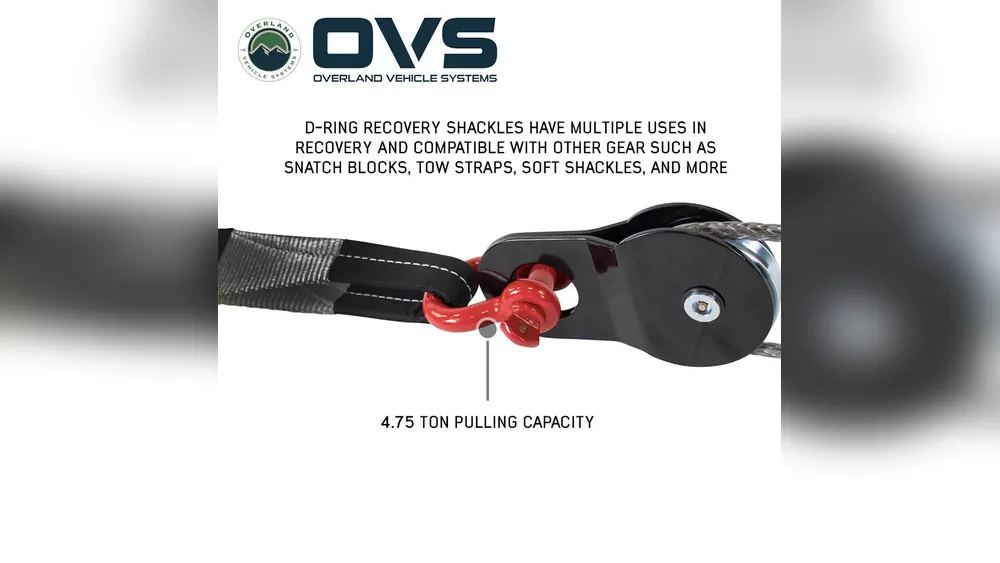
Credit: overlandvehiclesystems.com
Core Differences: Snatch Block Vs. Recovery Ring
To understand compatibility, it helps to compare the two tools:
| Feature | Snatch Block | Recovery Ring |
|---|---|---|
| Weight | Heavy (2-5 kg) | Light (0.5-1 kg) |
| Winch Line Type | Steel or synthetic | Synthetic only |
| Shackle Type | Steel or soft | Soft only |
| Vehicle Size | All sizes | Light to medium |
| Durability | High | Medium |
Compatibility With Different Vehicle Types
The best choice depends on your vehicle and how you use it. Here’s how each tool matches up with common vehicles:
1. Small Suvs And Crossovers
Most small SUVs and crossovers are lighter and use factory tow points. Their winches usually have a synthetic line. In this case, a recovery ring is a good match because it’s light, easy to store, and strong enough for these vehicles.
A snatch block can also work, but it may be overkill. If you use a steel winch cable, you must use a snatch block, as recovery rings are not designed for steel lines.
2. Mid-size And Full-size Suvs
Vehicles like the Toyota Land Cruiser or Jeep Grand Cherokee have more weight and may use both steel and synthetic lines. Both snatch blocks and recovery rings can work, but you must check your winch line:
- Synthetic line: Either tool works, but a snatch block offers more pulling power for tough situations.
- Steel cable: Only a snatch block is suitable, as recovery rings can be damaged by steel lines.
3. Pickup Trucks
Pickups, especially when loaded, are heavy. Many older models still use steel winch lines, making the snatch block the best choice. If you have a modern pickup with a synthetic line, you can use a recovery ring for simple recoveries, but a snatch block is safer for heavy loads.
4. Off-road And Overland Vehicles
These vehicles often carry extra weight (rooftop tents, gear, etc. ). Overlanders usually upgrade to synthetic lines and soft shackles. Both tools work, but most overlanders prefer recovery rings for their light weight and easy use. Still, carrying a snatch block is wise for emergencies.
5. Atvs And Utvs
These are small and light. Recovery rings are ideal because they are easy to pack, and synthetic lines are standard. Snatch blocks are usually not necessary unless you do heavy recoveries or use a steel cable.
6. Commercial And Heavy-duty Trucks
These vehicles are heavy and may require more pulling power. Always use a snatch block rated higher than your winch capacity. Recovery rings are not recommended unless their rating matches your truck’s winch and load, which is rare.
Key Factors For Compatibility
It’s not just about the vehicle. Other factors affect compatibility:
- Winch line material: Recovery rings require synthetic lines. Snatch blocks work with both types.
- Shackle type: Recovery rings need soft shackles. Snatch blocks accept both soft and steel shackles.
- Load rating: Always check the working load limit of your gear. Never use a device rated lower than your winch or vehicle’s weight.
- Mounting points: Recovery rings need a secure, rounded recovery point to work safely.
Here is a simple comparison of typical load ratings:
| Vehicle Type | Typical Vehicle Weight (kg) | Recommended Snatch Block Rating (kg) | Recommended Recovery Ring Rating (kg) |
|---|---|---|---|
| Small SUV | 1,500 | 8,000+ | 8,000+ |
| Mid-Size SUV | 2,500 | 12,000+ | 10,000+ |
| Pickup Truck | 3,000 | 14,000+ | Not always suitable |
| Heavy Truck | 5,000+ | 20,000+ | Not suitable |
Practical Insights For Choosing And Using
Most beginners focus only on price or what friends use. But to pick the right tool, consider:
- Not all recovery points are safe: Many vehicles have tie-downs, not recovery points. Always check your manual.
- Synthetic lines can melt: If your winch heats up from heavy use, a recovery ring can get hot and damage the line. Let everything cool before reusing.
- Keep gear clean: Dirt and grit in a recovery ring or snatch block increases friction and wear. Clean after each use.
- Carry both tools: Many experienced off-roaders carry both. If one fails or is lost, you have a backup.

Credit: www.amazon.ca
Common Mistakes To Avoid
- Using a recovery ring with a steel winch cable. This damages both the ring and cable.
- Failing to check load ratings. Always match or exceed your winch’s pull capacity.
- Ignoring the need for proper shackles. Never mix steel shackles with recovery rings.
- Using recovery points not designed for winching. Weak points can break and cause injury.
For more on safe winching and recovery, see this Wikipedia overview.
Frequently Asked Questions
What Is The Main Advantage Of A Snatch Block?
The main advantage is increased pulling power. A snatch block lets your winch pull more weight by doubling the line. It also changes the angle of the pull safely.
Can I Use A Recovery Ring With A Steel Winch Cable?
No. Recovery rings are designed only for synthetic winch lines. Using steel cables will damage the ring and may cause failure.
Which Is Safer For Beginners: Snatch Block Or Recovery Ring?
A recovery ring is simpler for beginners with synthetic lines and soft shackles. However, snatch blocks are more versatile for various setups.
How Do I Choose The Right Load Rating?
Always pick a snatch block or recovery ring rated higher than your winch’s maximum pull. Check your vehicle weight and add a safety margin.
Is It Worth Carrying Both Tools?
Yes, carrying both means you’re prepared for more situations. If your main tool fails or you help another vehicle with a different setup, you’ll be ready.
Choosing the right recovery gear for your vehicle makes off-road adventures safer and more enjoyable. Match your tools to your vehicle, winch, and shackle type, and always check ratings before heading out. With smart choices, you’ll be ready for anything the trail brings.

Credit: www.cart2india.com
Related posts
 Why You Should Use a Foam Cannon for Car Washing: Ultimate Guide
Washing your car is more than just making it look good. It protects the paint, keeps the value high, and makes driving feel better. But if…
 How to Clean Leather Seats Without Damaging Them: Expert Tips
Keeping your leather seats clean can be a challenge. Leather looks beautiful and feels luxurious, but it needs special care. Many people worry about damaging their…
 Why Using a Ceramic Coating Spray is Important for Your Car’s Shine
If you care about your car’s appearance and value, you probably wash and wax it regularly. But did you know there’s a better way to protect…