
Off-Road Vehicle Winching Basics: Essential Tips for Beginners
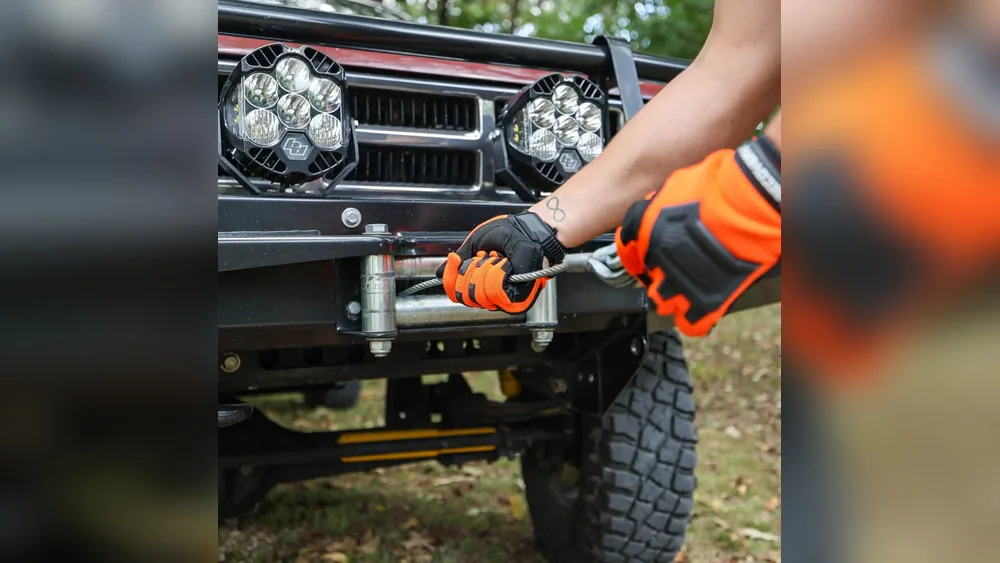
Getting stuck on the trail can turn a fun day into a stressful one fast. If you enjoy off-roading, knowing how to use a winch safely is essential. A winch can pull your vehicle out of mud, sand, or snow, and sometimes even rescue others. But using it wrong can be dangerous—or even cause damage to your 4×4. This guide covers everything you need to know about off-road vehicle winching basics, so you can recover safely and confidently next time adventure throws you a challenge.
What Is A Winch And Why Use One?
A winch is a device with a strong cable or synthetic rope wound around a drum. Powered by your vehicle’s battery, it pulls your 4×4 (or another object) toward an anchor point. Off-roaders rely on winches because sometimes tires, traction boards, and shovels simply aren’t enough.
Here’s when a winch becomes essential:
- When your tires spin and dig deeper
- Steep hill climbs with loose rocks
- Deep mud or sand that bogs down your rig
Unlike other recovery gear, a winch offers controlled power and works even when you’re completely stuck.
Types Of Winches: Which Is Best?
Choosing the right winch depends on your needs and vehicle. The two main types are:
| Type | Power Source | Best For | Notes |
|---|---|---|---|
| Electric Winch | Vehicle Battery | Most off-roaders | Easy to install, common |
| Hydraulic Winch | Power Steering Pump | Heavy-duty use | Works under water, more complex |
Most off-roaders choose electric winches for their ease of use and installation. For very large trucks or professional use, a hydraulic winch is sometimes better because it keeps working even if the battery fails.
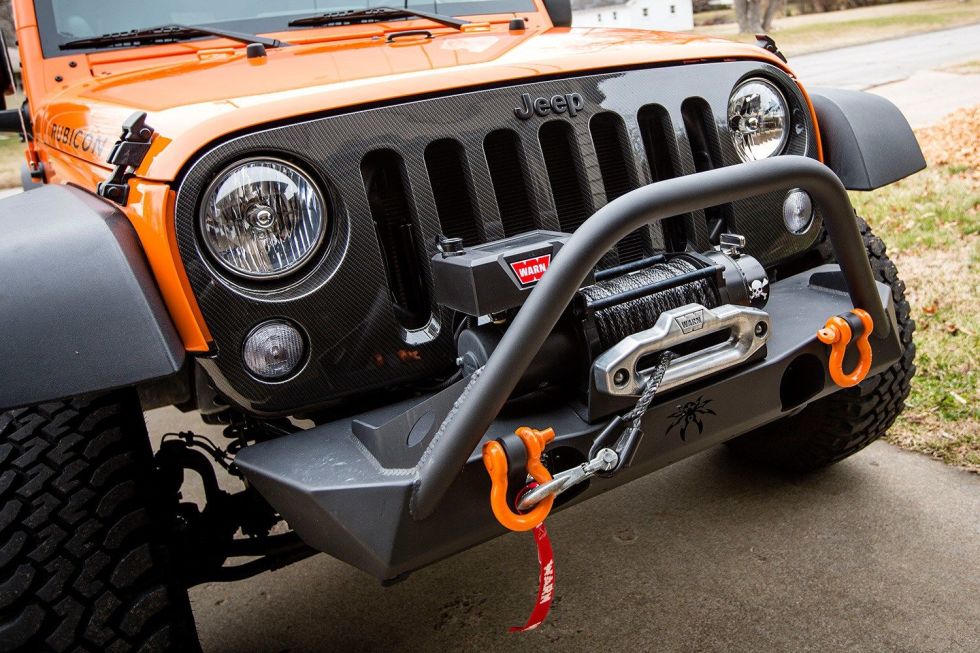
Credit: www.gearamerica.com
Winch Capacity: How Much Pull Do You Need?
A winch’s pulling power is measured in pounds. To choose the right size, the general rule is: winch capacity should be at least 1.5 times your vehicle’s gross weight.
Example: If your 4×4 weighs 5,000 lbs, look for an 8,000 lb winch.
| Vehicle Weight | Recommended Winch Capacity |
|---|---|
| 4,000 lbs | 6,000 lbs |
| 6,000 lbs | 9,000 lbs |
| 8,000 lbs | 12,000 lbs |
Beginners sometimes make the mistake of buying the biggest winch possible. But bigger isn’t always better—it adds weight and can stress your electrical system. Choose based on your vehicle’s actual loaded weight, not just the empty weight.
Essential Winching Gear And Accessories
A winch isn’t the only thing you need for recovery. Safe winching means having the right accessories:
- Tree saver strap – Protects trees and provides a strong anchor point.
- D-shackles (bow shackles) – Connect straps and cables securely.
- Snatch block – Doubles pulling power or lets you change direction.
- Gloves – Protect your hands from rope burns or sharp wire strands.
- Winch line dampener – Reduces risk if the cable snaps.
- Recovery strap – For towing or pulling without the winch.
Many off-roaders also carry a shovel, traction boards, and a tire repair kit. Don’t forget to inspect your gear before every trip.

Credit: www.gearamerica.com
Step-by-step Winching Procedure
Getting stuck is frustrating, but a careful approach makes recovery safer and easier. Here’s a simple winching process:
- Assess the situation – Make sure it’s safe to recover. Check for bystanders and hazards.
- Choose an anchor point – A tree, large rock, or another vehicle works best. Use a tree saver to avoid damage.
- Set up the winch – Wear gloves. Spool out the cable, keeping tension to avoid tangles.
- Attach the line – Use shackles and straps as needed. Place a winch line dampener on the cable’s center.
- Check everything – Double-check connections and keep people away from the cable.
- Begin winching slowly – Use short bursts, never “jerk” the line. Watch the vehicle and anchor carefully.
- Stop and re-check – If something looks wrong, stop immediately and fix it.
- Finish and spool in the cable – Once unstuck, reel in the cable neatly to avoid damage.
Non-obvious tip: Most winches have more pulling power with less cable out. If possible, keep only one or two wraps on the drum for best strength.
Safety Tips Every Off-roader Should Know
Using a winch can be dangerous if you don’t follow basic rules:
- Stay clear – Never stand near a loaded cable. If it snaps, it can whip with deadly force.
- Use a dampener – Always place a weight (dampener, jacket, floor mat) on the winch line.
- Keep hands clear – Never let your hands near the fairlead or drum when spooling in the line.
- Communicate – Use hand signals or radios with your team so everyone knows what’s happening.
- Inspect your gear – Worn cables or damaged shackles can fail under load.
Another key insight: Synthetic rope is safer than steel cable because it won’t store as much energy if it breaks, but it can be damaged by heat or abrasion. Choose based on your environment.
Common Winching Mistakes To Avoid
Many recoveries go wrong because of simple errors. Watch out for these common mistakes:
- Using a weak anchor that moves or breaks
- Not protecting trees or using the cable directly on bark
- Overloading the winch by pulling at an angle or with wheels locked
- Letting the vehicle roll backwards when tension is released
- Not checking battery power—winches draw a lot of current
Recover slowly, watch carefully, and always be ready to stop if something doesn’t feel right.
Maintenance For Long-lasting Winch Performance
A winch is only reliable if you maintain it. After every trip:
- Clean the winch and cable—dirt and mud cause wear
- Check for frayed wires or rope damage
- Inspect electrical connections for corrosion
- Lubricate moving parts as recommended by the manufacturer
- Test the winch before heading out, not just when you get stuck
Proper care means your winch will be ready when you need it most.

Credit: www.youtube.com
Frequently Asked Questions
What Size Winch Do I Really Need For My Jeep Or 4×4?
Multiply your fully loaded vehicle weight by 1. 5. For most Jeeps (about 5,000 lbs loaded), an 8,000–9,500 lb winch is best.
Is Steel Cable Or Synthetic Rope Better?
Synthetic rope is lighter and safer if it breaks, but it’s more sensitive to UV and abrasion. Steel cable is tougher in harsh conditions but can be dangerous if it snaps.
Can I Use My Winch Without The Engine Running?
It’s not recommended. Winches use a lot of power—running your engine helps keep the battery charged and prevents voltage drop.
How Often Should I Service My Winch?
Inspect your winch after every off-road trip, and do a full maintenance check every 6–12 months. Replace damaged parts immediately.
Where Can I Learn More About Winching Techniques?
For advanced tips and recovery scenarios, the International 4-Wheel Drive Trainers’ Association offers excellent resources.
Being stuck is never fun, but having a winch—and knowing how to use it—can turn a tough situation into just another story. Practice safe winching, carry the right gear, and you’ll keep exploring with confidence.
Related posts
 Why You Should Use a Foam Cannon for Car Washing: Ultimate Guide
Washing your car is more than just making it look good. It protects the paint, keeps the value high, and makes driving feel better. But if…
 How to Clean Leather Seats Without Damaging Them: Expert Tips
Keeping your leather seats clean can be a challenge. Leather looks beautiful and feels luxurious, but it needs special care. Many people worry about damaging their…
 Why Using a Ceramic Coating Spray is Important for Your Car’s Shine
If you care about your car’s appearance and value, you probably wash and wax it regularly. But did you know there’s a better way to protect…