
Off-Road Vehicle Recovery Techniques: Essential Tips for Every Adventurer
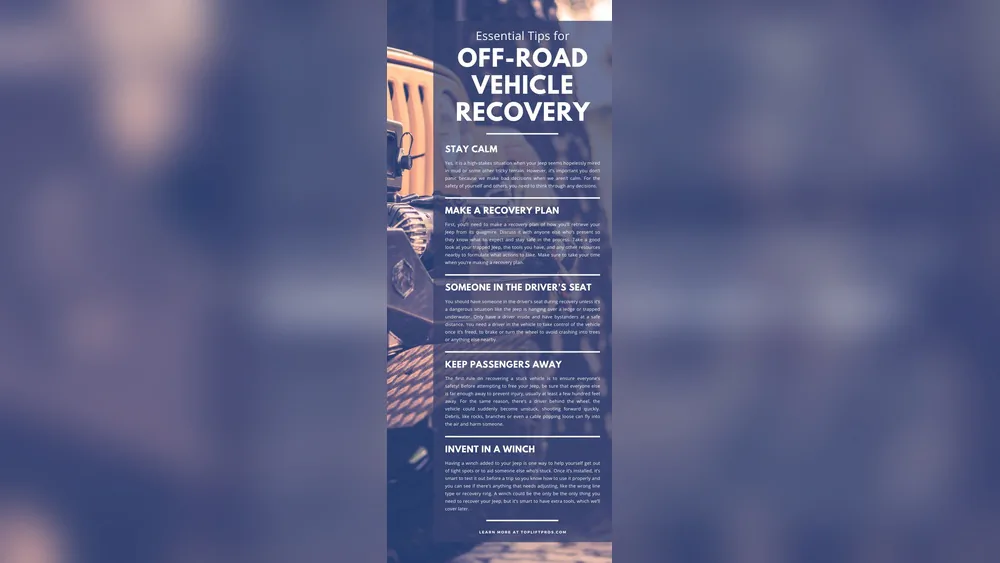
Off-road driving can be an adventure, but it also means facing the real risk of getting stuck. Mud, sand, snow, and rocks can trap even the most capable vehicles. Knowing the right off-road vehicle recovery techniques is essential for safety and confidence. Whether you’re a weekend explorer or a seasoned overlander, mastering these methods can keep a bad situation from getting worse.
Understanding Off-road Recovery Challenges
Off-road recovery isn’t just about pulling a vehicle free. Each terrain—mud, sand, snow, or rocky surfaces—creates unique problems. Mud can suck down tires, sand shifts under weight, and snow can freeze around axles. Recovery is about using the best tools and methods for each situation, while always putting safety first.
Unexpected factors like vehicle weight, weather, and even tire pressure can affect recovery. For example, lowering tire pressure increases the tire’s footprint, helping you escape soft surfaces. Many beginners forget to do this and waste energy on harder recovery methods.
Essential Recovery Gear
Having the right recovery equipment makes all the difference. Here’s what you should always carry:
- Recovery straps: Strong, flexible straps for pulling vehicles.
- D-shackles (bow shackles): For secure attachment points.
- Winch: Electric or manual, mounted at the front or back.
- Traction boards: Useful for sand, mud, and snow.
- Hi-lift jack: Lifts vehicles high enough for rock or mud recovery.
- Shovel: For digging around tires or clearing obstacles.
- Gloves and safety gear: Protects hands and eyes.
A common mistake is relying only on a winch. If it fails, being familiar with manual tools like shovels or traction boards is crucial.
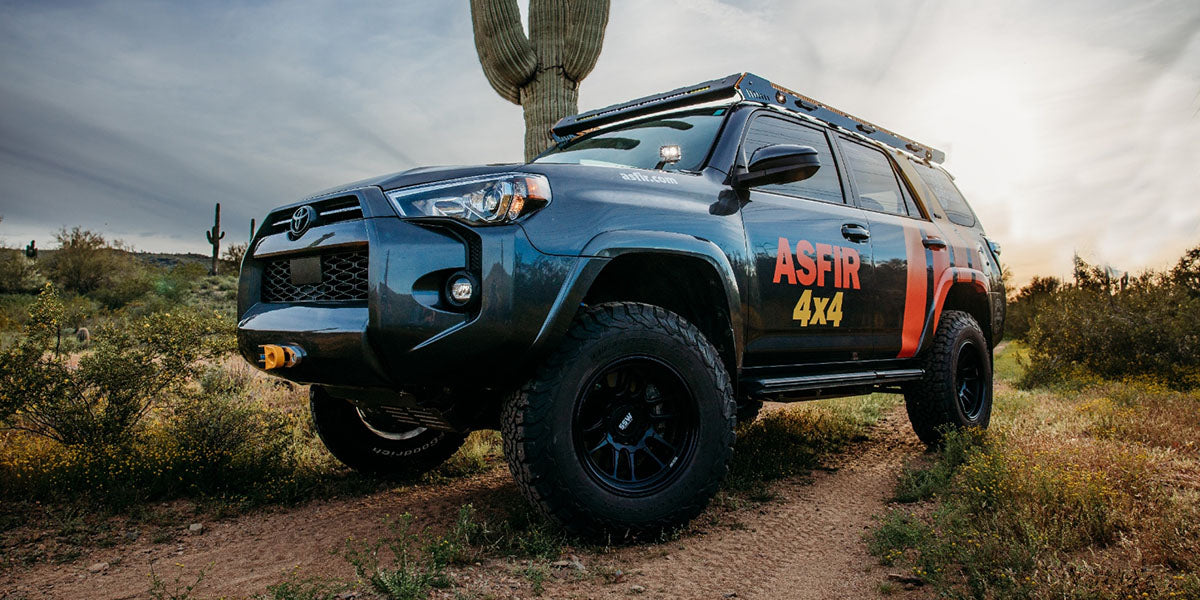
Credit: www.asfir.com
Core Off-road Recovery Techniques
Let’s look at the main techniques and when to use each one.
1. Rocking And Digging Out
If you’re just a little stuck, sometimes you can use the vehicle’s own power. Rocking means gently moving the car forward and backward to gain momentum. Combine this with digging around the tires to remove excess mud or sand.
Pro tip: Avoid spinning your wheels too fast. This can dig you in deeper and make recovery harder.
2. Traction Aids
Traction boards or mats are placed under the tires for extra grip. They work best on loose surfaces like sand, snow, or mud. If you don’t have boards, branches or stones can be used, but never use your hands near spinning tires.
3. Snatch Strap Recovery
A snatch strap uses the momentum of a moving vehicle to pull a stuck one free. Attach the strap to proper recovery points (never the bumper or tow ball) and use gentle acceleration. Snatch straps stretch, storing energy that helps pull the vehicle out.
Safety note: Always stand clear of the strap’s path, as snapping straps can cause serious injury.
4. Winching
Winching is the go-to method for solo recovery or difficult situations. Electric winches are powerful and can pull heavy vehicles from deep mud or up steep slopes.
Basic steps:
- Locate a strong anchor point (tree, rock, another vehicle).
- Use a tree trunk protector if anchoring to a tree.
- Attach the winch cable and operate slowly.
- Keep tension steady and avoid sudden jerks.
Here’s a comparison of winch types:
| Type | Best For | Typical Pulling Power | Weight |
|---|---|---|---|
| Electric Winch | Solo recovery, heavy vehicles | 8,000–12,000 lbs | Heavier |
| Hand Winch | Light vehicles, emergencies | 4,000–5,000 lbs | Lighter |
5. Hi-lift Jack Recovery
A hi-lift jack can raise your vehicle out of ruts or allow you to place rocks/boards under the tires for better traction. Always use it on solid ground, and never put any body part under a raised vehicle.
6. Towing
Towing with another vehicle is simple if both vehicles have proper recovery points. Use a recovery strap or rope, never a chain. Communicate clearly between drivers to coordinate movements.
7. Vehicle Bridging
Bridging uses boards or sand ladders to cross deep ruts or gaps. Place the boards in front of your tires and drive slowly across.
Safety Considerations In Recovery
Safety is the top priority. Recovery can be dangerous if not done properly. Here’s a quick safety checklist:
- Always use rated recovery points.
- Stand clear of cables and straps under tension.
- Inspect gear for damage before each use.
- Never use tow balls for recovery—they can break and become deadly projectiles.
- Wear gloves and eye protection.
Many beginners overlook the importance of communication and planning. Assign roles, use hand signals, and keep bystanders at a safe distance.
Choosing The Right Method For The Situation
Not every technique works in every situation. Here’s a quick guide to help you choose:
| Terrain | Best Technique | Why It Works |
|---|---|---|
| Mud | Winching, traction boards | Provides controlled force and extra grip |
| Sand | Traction aids, lowering tire pressure | Increases footprint, prevents digging in |
| Snow | Shoveling, traction boards, winching | Removes packed snow, adds traction |
| Rocks | Hi-lift jack, bridging | Raises vehicle, crosses obstacles |
Advanced Tips And Insights
Two insights many newcomers overlook:
- Tire Pressure Adjustment: Lowering tire pressure is one of the fastest ways to gain traction. Dropping from 35 psi to 15 psi can make a huge difference in sand and snow.
- Anchoring Alternatives: If there’s no tree or rock for winching, use a ground anchor or bury your spare tire as an anchor point.
Always practice with your gear before you need it. Real-world use is different from watching videos or reading manuals.

Credit: adventurouswayoflife.com
Recovery Mistakes To Avoid
- Over-relying on winches and ignoring simpler options.
- Using damaged or cheap recovery gear.
- Failing to assess the situation before acting.
- Forgetting to check for bystanders in the danger zone.
Experienced off-roaders know that patience and planning prevent small problems from becoming big ones.
Frequently Asked Questions
What Is The Safest Way To Recover A Stuck Vehicle?
The safest way is to use proper recovery points and rated equipment, keep people clear of the danger zone, and move slowly. Always inspect gear before use.
Can I Use A Tow Ball For Recovery?
No, never use a tow ball. They can break under load and cause serious injuries. Always use recovery points designed for this purpose.
What’s The First Thing To Do When Stuck?
Stay calm. Assess the situation before trying any recovery technique. Lower tire pressure and clear obstacles around the tires before using straps or winches.
Are Traction Boards Worth Carrying?
Yes, traction boards are lightweight and work in sand, mud, and snow. They can make recovery much easier and safer.
Where Can I Learn More About Off-road Recovery?
For in-depth knowledge, visit Wikipedia’s Vehicle Recovery page for more details and safety guidelines.
Mastering off-road vehicle recovery techniques is not just about gear—it’s about smart decision making and safety. With the right skills, you’ll be ready for almost any challenge the trail throws your way. Remember, preparation and practice are the keys to every successful recovery.

Credit: www.timbertowing.com
Related posts
 Why You Should Use a Foam Cannon for Car Washing: Ultimate Guide
Washing your car is more than just making it look good. It protects the paint, keeps the value high, and makes driving feel better. But if…
 How to Clean Leather Seats Without Damaging Them: Expert Tips
Keeping your leather seats clean can be a challenge. Leather looks beautiful and feels luxurious, but it needs special care. Many people worry about damaging their…
 Why Using a Ceramic Coating Spray is Important for Your Car’s Shine
If you care about your car’s appearance and value, you probably wash and wax it regularly. But did you know there’s a better way to protect…