
Off-Road Recovery Tools Guide: Essential Gear for Every Adventure
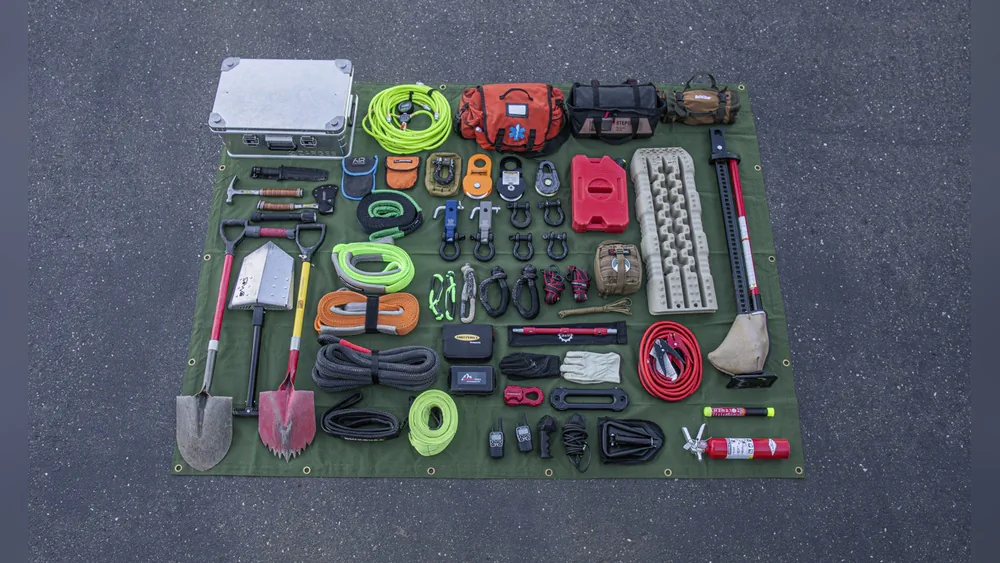
Every off-road adventure promises excitement, but the risk of getting stuck is real. Mud, sand, snow, or rocks can trap even the most experienced drivers. That’s why off-road recovery tools are not just accessories—they are essentials. Having the right tools can mean the difference between a quick recovery and spending hours stranded in the wild. This guide covers the most important recovery tools, how to choose them, and smart tips that even seasoned off-roaders sometimes overlook.
Essential Off-road Recovery Tools
When your vehicle gets stuck, having the correct tools is critical. Here are the must-have recovery tools for every off-road kit.
1. Recovery Straps
Recovery straps, often called snatch straps, are designed to pull vehicles out of mud, sand, or snow. Unlike tow ropes, recovery straps stretch under load, storing kinetic energy. This snap effect makes them highly effective for quick recoveries. Always check the breaking strength; it should be at least 2-3 times your vehicle’s weight.
2. D-shackles And Soft Shackles
D-shackles are metal connectors used to attach recovery straps to recovery points. Soft shackles, made from synthetic rope, are lightweight and safer, as they won’t become dangerous projectiles if they break. Ensure all shackles are rated for off-road use, not just general towing.
3. Winch
A winch is a powerful tool for solo recovery. Electric winches, mounted to the front bumper, use strong cables to pull the vehicle out. Choose a winch with a pulling capacity 1.5 times your vehicle’s gross weight. Regular maintenance is important; rust or damaged cables reduce safety.
4. Traction Boards
Traction boards provide grip under spinning wheels in mud, sand, or snow. High-quality boards can support heavy vehicles and don’t crack easily. Cheaper versions may break under heavy weight, so invest wisely. Store them where they’re easy to reach.
5. Hi-lift Jack
The Hi-Lift jack lifts your vehicle high enough to place rocks or boards under the tires. It’s useful in deep ruts or when replacing a flat tire off-road. Always use on stable ground to prevent injuries.
6. Shovel
A strong shovel helps dig out tires, clear mud or snow, and create anchor points. Look for a full-size folding shovel with a steel blade. Plastic shovels often break in tough conditions.
7. Gloves
Heavy-duty gloves protect your hands when handling rough straps, shackles, or winch cables. Synthetic or leather gloves are best, as basic gardening gloves wear out too fast.
8. Tire Deflator And Compressor
Lowering tire pressure increases traction. A tire deflator lets you quickly reduce pressure, while an air compressor is needed to reinflate tires before you hit pavement again. Portable 12V compressors are most practical for off-roaders.
9. Tree Trunk Protector
When winching from a tree, a tree trunk protector prevents damage to the tree and your winch cable. Never wrap a bare steel cable around living trees; it can kill them and is less safe.
10. Recovery Points
Recovery points are strong metal loops fixed to your vehicle’s frame. Avoid using tow balls or factory tie-downs—they can break and cause serious injuries. Always use rated recovery points.
How To Choose The Right Recovery Tools
Not all recovery tools are created equal. Here’s what to look for before buying.
- Material and Build Quality: Choose materials designed for heavy loads. Steel, forged aluminum, and synthetic fibers (like Dyneema) are reliable.
- Weight Rating: Always check the tool’s weight rating. It must match or exceed your vehicle’s gross weight.
- Storage: Tools should be easy to access in emergencies. Use dedicated bags or cases to keep them organized.
- Compatibility: Make sure shackles, straps, and winches fit your vehicle’s recovery points.
Recovery Straps Vs Tow Ropes
Here’s a quick comparison of recovery straps and tow ropes:
| Feature | Recovery Straps | Tow Ropes |
|---|---|---|
| Material | Nylon (stretches) | Polyester/Steel (rigid) |
| Best Use | Recovering stuck vehicles | Towing on road |
| Shock Absorption | Yes | No |
| Storage | Compact | Bulky |
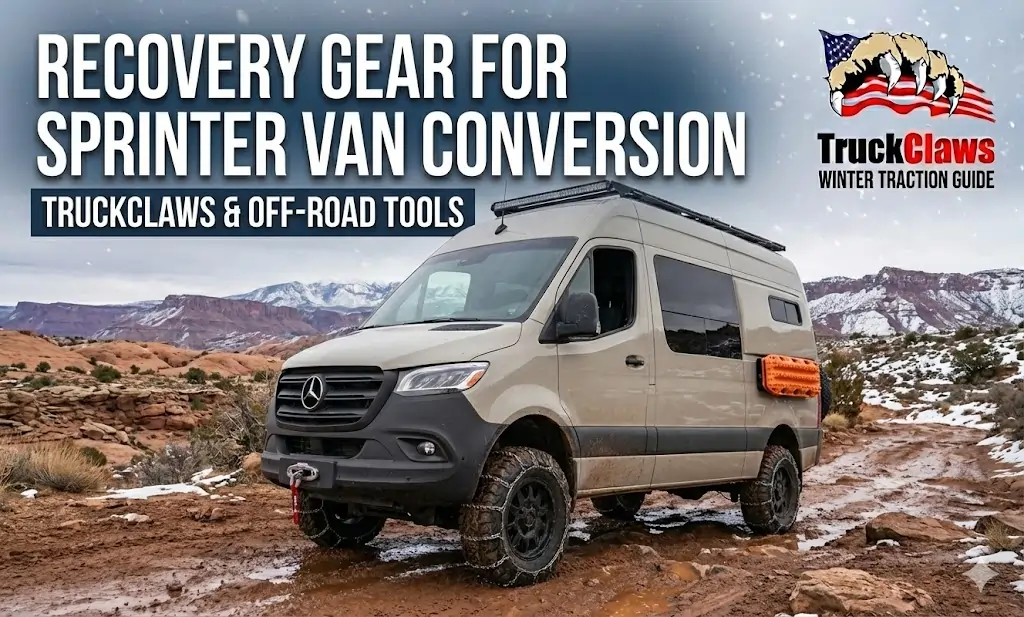
Credit: truckclaws.com
Common Mistakes In Off-road Recovery
Many beginners make the same errors, which can be costly or dangerous.
- Using non-rated hardware: Standard tow balls or cheap shackles can fail under load. Always use rated gear.
- Ignoring tool maintenance: Straps and winches degrade over time. Inspect for fraying, rust, or cuts before each use.
- Skipping practice: Try your tools in a safe environment before you need them. Practice helps you work faster and safer during real emergencies.
- Poor communication: When recovering with a group, always agree on signals and roles before starting.
What To Pack For Different Terrains
The best recovery kit depends on where you drive. Here’s how to adjust your gear:
| Terrain | Essential Tools | Recommended Additions |
|---|---|---|
| Mud | Recovery straps, traction boards, shovel | Winch, tire deflator |
| Sand | Traction boards, tire deflator, shovel | Compressor, soft shackles |
| Snow | Shovel, traction boards, winch | Hi-lift jack, gloves |
| Rocks | Winch, Hi-lift jack, gloves | Tree trunk protector, steel shackles |

Credit: offroadtents.com
Advanced Tips Most Beginners Miss
- Double-line pull: Using a snatch block with your winch doubles the pulling power and reduces strain on the motor.
- Anchor alternatives: In open terrain, when no trees are available, use a ground anchor or bury your spare tire as an anchor point.
- Recovery dampers: Place a damper (or even a heavy jacket) on winch cables or straps to absorb energy if they snap. This reduces risk of injury.
Off-road Recovery Tools Maintenance
Proper care keeps your tools reliable.
- Clean straps and boards after use. Mud and sand wear out fibers quickly.
- Lubricate winch parts and check cables for rust or fraying.
- Store all gear in a dry, cool place. Moisture weakens synthetic materials.

Credit: www.wolfcustoms.co.za
Frequently Asked Questions
What Is The Difference Between A Winch And A Recovery Strap?
A winch is a powered device that pulls your vehicle using a steel or synthetic cable. A recovery strap relies on the towing vehicle’s momentum and kinetic energy to pull another vehicle free. Winches are better for solo recoveries or very heavy vehicles, while straps are faster for lighter situations with another vehicle present.
How Do I Know If My Shackles And Straps Are Strong Enough?
Check the working load limit (WLL) printed on the gear. It should be at least twice your vehicle’s weight. For example, a 2-ton vehicle needs equipment rated for at least 4 tons. Always buy from reputable brands and inspect for wear or defects.
Can I Use Factory Tow Points For Recovery?
Factory tow points are often designed for shipping, not off-road recovery. They can bend or break under stress. Use aftermarket recovery points rated for off-road use and fitted by professionals.
Are Traction Boards Worth The Investment?
Yes, traction boards are one of the most effective and safest tools for self-recovery, especially in sand and mud. Cheap boards can snap under pressure, so invest in high-quality brands for reliability.
Where Can I Learn More About Off-road Recovery Techniques?
There are many resources, but the International 4-Wheel Drive Trainers’ Association offers professional courses and detailed information. Visit their site for expert advice: International 4WD Trainers Association.
Being prepared with the right off-road recovery tools transforms a risky situation into a manageable challenge. Invest in quality gear, learn how to use it, and keep your kit up to date. With the right knowledge and preparation, your off-road adventures stay safe and enjoyable.
Related posts
 Why You Should Use a Foam Cannon for Car Washing: Ultimate Guide
Washing your car is more than just making it look good. It protects the paint, keeps the value high, and makes driving feel better. But if…
 How to Clean Leather Seats Without Damaging Them: Expert Tips
Keeping your leather seats clean can be a challenge. Leather looks beautiful and feels luxurious, but it needs special care. Many people worry about damaging their…
 Why Using a Ceramic Coating Spray is Important for Your Car’s Shine
If you care about your car’s appearance and value, you probably wash and wax it regularly. But did you know there’s a better way to protect…