
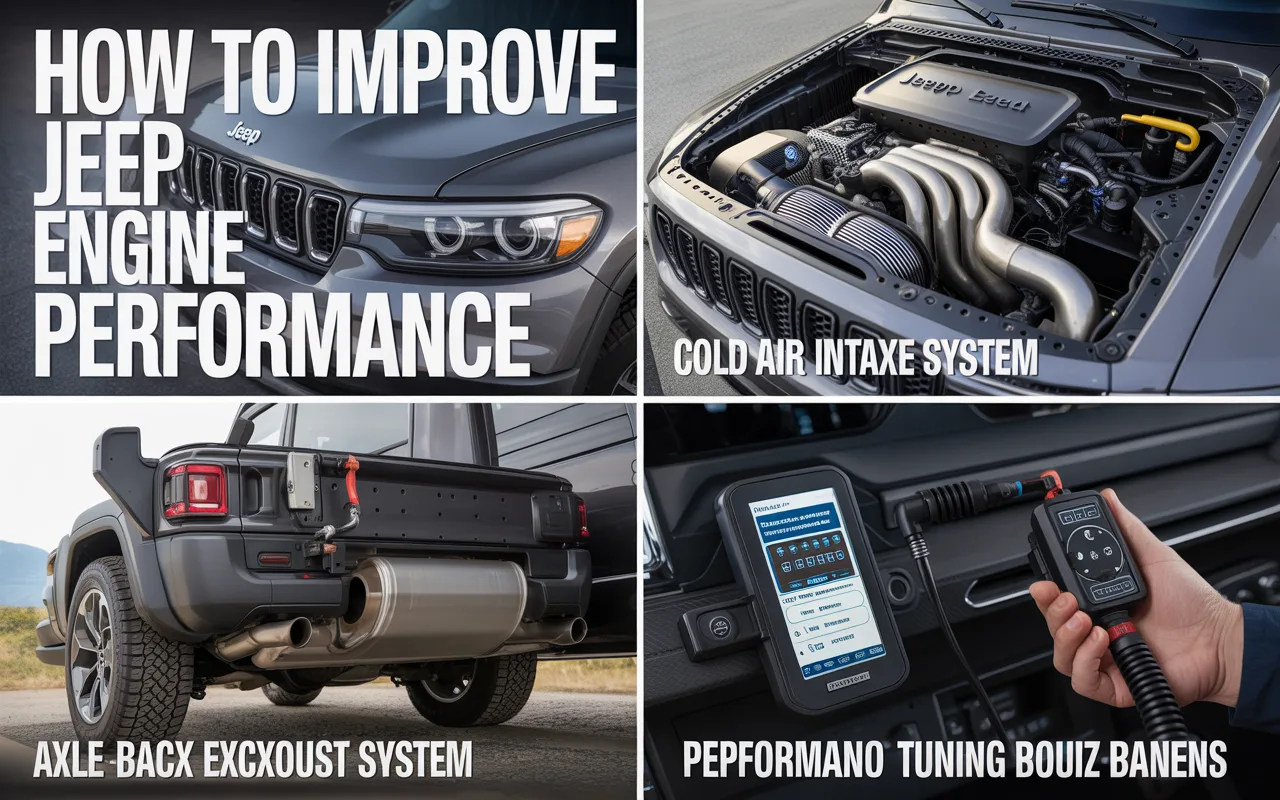
Learn the best ways to improve Jeep engine performance with simple steps. From air intake to tuning, get more power, torque, and reliability from your Jeep today.
Your Jeep is built for adventure. Whether you drive a Wrangler, Cherokee, or Grand Cherokee, the engine is the heart of the vehicle. When that heart works better, everything feels better. You get faster acceleration. You get better towing power. You even get improved fuel economy in some cases.
Many people think performance upgrades are only for speed demons. That is not true. A well-tuned engine runs smoother and lasts longer. It handles stress better. When you improve Jeep engine performance, you are also protecting your investment. You are making your daily driver more fun and your off-road machine more capable.
I have worked on Jeeps for years. I have made mistakes and learned lessons. The tips here come from real experience, not just book knowledge. Let us get started.
Start with the Basics: Air Intake Upgrades
The engine needs air to run. It is that simple. More air usually means more power. But it has to be clean air. The stock air box in most Jeeps is fine for normal driving. But it can restrict airflow when you want more power.
Cold Air Intakes
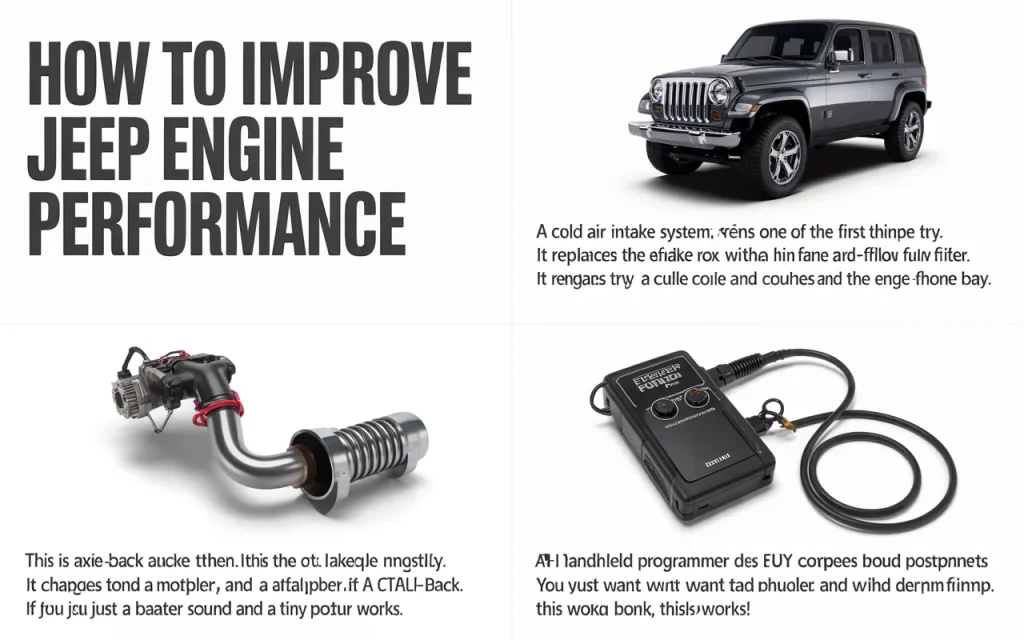
A cold air intake system is one of the first things people try. It replaces the factory air box with a tube and a high-flow filter. The idea is to pull cooler air from outside the engine bay. Cooler air is denser. Denser air has more oxygen. More oxygen means a better burn.
I installed a cold air intake on my 2012 Wrangler about five years ago. The change was small but noticeable. The throttle response felt sharper. The engine made a nice growl when I stepped on it. It was not a huge power jump, but it made driving more fun.
Things to remember:
- Make sure the filter is oiled properly if it is the reusable type.
- Check local laws. Some areas have rules about modifications.
- Keep the filter clean. A dirty filter hurts performance.
High-Flow Air Filters
If you do not want a whole new system, try a high-flow drop-in filter. It fits right in your stock air box. Brands like K&N make these. They flow more air than paper filters. You can clean and reuse them too. It is a cheap way to start.
| Air Intake Option | Estimated Cost | Power Gain | Difficulty Level |
|---|---|---|---|
| High-Flow Drop-In Filter | $50 – $70 | Small | Very Easy |
| Basic Cold Air Intake | $200 – $400 | Small to Medium | Easy |
| Premium Cold Air Intake | $400 – $600 | Medium | Easy |
Exhaust Systems: Let It Breathe
Think of your engine as a pump. It pulls air in and pushes exhaust out. If the exhaust is clogged or restricted, the pump works harder. Freeing up the exhaust helps the engine breathe out. This is a key part of any plan to improve Jeep engine performance.
Cat-Back Exhaust Systems
A cat-back exhaust replaces the pipes from the catalytic converter back to the tailpipe. It usually uses larger diameter pipes and a less restrictive muffler. This lets exhaust gases escape faster. The result can be a small power gain and a better sound.
I helped a friend put a cat-back system on his Cherokee. The sound was deeper but not annoying on the highway. He said it felt like the engine revved more freely. That is the typical result. You feel a difference in how the engine spins up.
Axle-Back Exhaust Systems
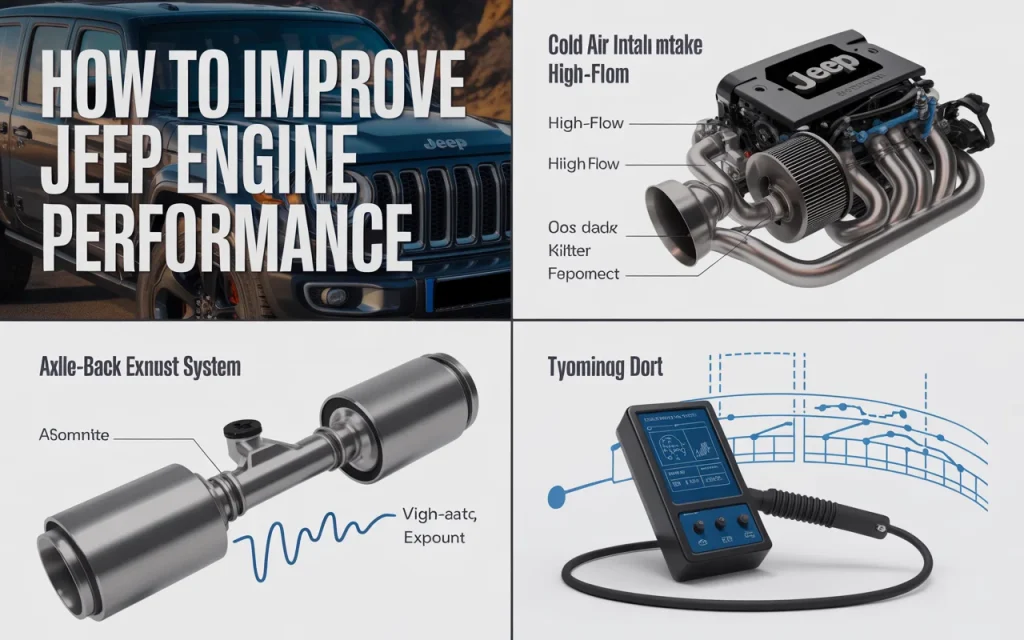
This is a cheaper option. It replaces only the muffler and tailpipe. It changes the sound mostly. The power gains are smaller than a full cat-back. But it is easier to install. If you just want a better sound and a tiny power bump, this works.
Exhaust upgrade tips:
- Stainless steel lasts longer than aluminized steel.
- Listen to sound clips online before you buy. Every system sounds different.
- Bigger pipes are not always better. Too big can hurt low-end torque.
Engine Tuning and Programmers
Modern Jeeps have computers controlling everything. The engine computer, or ECU, runs on settings from the factory. These settings are safe for all conditions. But they leave power on the table. Tuners and programmers can change those settings.
Handheld Programmers
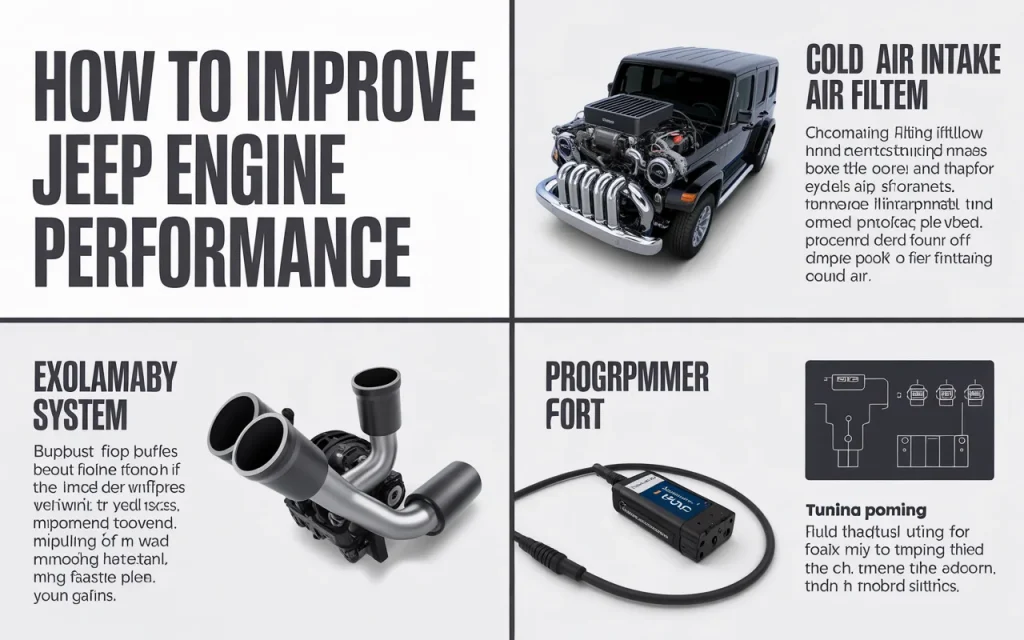
A handheld programmer plugs into your diagnostic port. You load a new tune into the computer. These tunes change things like fuel maps, timing, and shift points. Many programmers offer tunes for different fuel grades. Running a 93 octane tune can add noticeable power.
I used a Superchips programmer on my Jeep for years. The difference in shifting was the first thing I noticed. It held gears longer and shifted firmer. The engine felt stronger in the mid-range. It was one of the best upgrades for the money.
Custom Tuning
For serious builds, custom tuning is the way to go. A professional tuner puts your Jeep on a dyno. They adjust the tune while watching power output. This gets every last bit of performance. It costs more but is worth it for modified engines.
Mark Davis, a performance tuner from Colorado, says this:
“Most people do not realize how much power is locked away in the factory tune. A good custom tune can wake up a Jeep like nothing else. It is the best money you can spend on performance.”
| Tuning Option | Cost Range | Power Gain Potential | Best For |
|---|---|---|---|
| Handheld Programmer | $300 – $600 | Medium | Daily Drivers |
| Custom Dyno Tune | $500 – $1000+ | High | Modified Engines |
| Email Tunes | $400 – $700 | Medium to High | Mild Builds |
Gears: The Unsung Heroes of Performance
Many people forget about gears. They change parts to make more power but ignore the drivetrain. Gearing has a huge effect on how your Jeep feels. Changing your axle gears is like adding power without touching the engine.
How Gearing Works
The gear ratio determines how many times the driveshaft turns to spin the tires once. Lower gears (like 4.10 or 4.56) make the engine turn faster at a given speed. This puts the engine in its power band more often. Acceleration improves. Towing feels easier.
If you put bigger tires on your Jeep, you need lower gears. Big tires act like taller gears. They make the engine work harder. Re-gearing fixes that. It brings back the feeling of stock power.
Signs You Need New Gears
- Your Jeep struggles to maintain speed on hills.
- You use higher gears less often.
- Transmission hunts for the right gear on the highway.
- Fuel mileage dropped after bigger tires.
Re-gearing is expensive. It costs over a thousand dollars usually. But it transforms the Jeep. It makes everything smoother. It is one of the best ways to improve Jeep engine performance indirectly.
Maintenance Matters More Than You Think
You can buy all the fancy parts in the world. If your basic maintenance is bad, you will not feel the gains. A healthy engine starts with the basics. Do not skip this step.
Spark Plugs and Wires
Old spark plugs misfire. Misfires waste power. Changing plugs is cheap and easy. Use the right plug for your Jeep. Some Jeeps like copper plugs. Some like platinum. Check your manual. New wires help too. Good spark means good power.
Fuel System Cleaning
Fuel injectors get dirty over time. Dirty injectors spray poorly. This hurts power and mileage. You can buy fuel system cleaner at any auto parts store. Run a bottle through every few months. For older Jeeps, consider having the injectors professionally cleaned.
Oil and Fluids
Thick, old oil makes the engine work harder. Fresh oil of the right weight reduces friction. Do not forget other fluids. Transmission fluid, differential fluid, and coolant all affect how the vehicle runs. Clean fluids reduce heat. Heat is the enemy of power.
Sarah Jenkins, a mechanic from Arizona, explains:
“I see so many Jeeps come in with performance problems that are just maintenance issues. Fresh spark plugs and clean oil fix more issues than a cold air intake ever will. Take care of the basics first.”
Electric Fans and Pulleys
These are smaller upgrades. They do not make huge power alone. But they add up. Combined with other changes, they help.
Electric Cooling Fans
Most older Jeeps have a mechanical fan bolted to the engine. It spins all the time. That uses power. Switching to an electric fan saves that power. The fan only runs when needed. You might gain a few horsepower. You also get better cooling in traffic.
Underdrive Pulleys
These pulleys are smaller than stock. They make accessories like the alternator and power steering pump spin slower. That frees up engine power. The gains are small but noticeable. Just make sure the pulleys are good quality. Cheap ones can fail.
Synthetic Lubricants
Switching to synthetic oil in your engine helps. It reduces friction. It handles heat better. But do not stop there. Synthetic gear oil in the differentials reduces drag. Synthetic transmission fluid can improve shift feel. Every little bit of reduced friction helps you improve Jeep engine performance.
I switched all my fluids to synthetic about ten years ago. The engine seemed quieter. The transmission shifted smoother in cold weather. It is not a power mod. It is a reliability and efficiency mod. But it helps the whole system work better.
Weight Reduction
This is free. Your engine has to move the weight of the Jeep. If you carry less weight, the engine has an easier time. Look in your Jeep. Do you have stuff you do not need? Remove it. Take out the back seat if you never use it. Remove the carpet if you off-road often. Less weight means faster acceleration and better braking.
For off-road use, weight matters even more. Lighter Jeeps stress parts less. They float better on soft ground. They climb easier. Think about what you really need to carry.
Fuel Quality
The fuel you use matters. Cheap gas can have less detergent. It can cause deposits over time. Deposits hurt performance. Use top-tier fuel if you can. It costs a few cents more but keeps your engine cleaner.
If your Jeep is tuned for higher octane, you must use it. Lower octane fuel in a tuned engine causes knock. The computer pulls timing to save the engine. That kills power. Follow the fuel requirements of your tune.
Common Mistakes to Avoid
People get excited and make errors. Avoid these common problems.
Ignoring Check Engine Lights
A check engine light means something is wrong. It might be small. It might be big. Fix it before adding performance parts. Adding parts to a sick engine makes no sense.
Buying Cheap Parts
You get what you pay for. Cheap intakes might suck in hot air. Cheap tuners might have bad tunes. Spend a little more for quality. It saves money in the long run.
Expecting Too Much
No single mod doubles your power. Realistic gains are 5 to 15 horsepower for most bolt-on parts. Combined, they add up. But a stock 4.0 will never be a V8. Set realistic goals.
Forgetting the Goal
Think about how you use your Jeep. Do you drive mostly on highways? Do you rock crawl on weekends? Choose upgrades that match your use. A highway Jeep needs different things than a trail Jeep.
Building a Plan
Do not buy random parts. Make a plan. Start with maintenance. Then do intake and exhaust. Add a tuner. Re-gear if needed. Do things in an order that makes sense. This saves money and gives better results.
Write down your goals. Do you want more low-end torque for trails? Do you want highway passing power? Your goals decide your parts.
Tom Richards, a long-time Jeep club leader, shares this:
“The best built Jeeps I see are the ones with a clear goal. The owner knew what they wanted and built toward that. The Jeeps that struggle are the ones with mismatched parts and no direction. Plan your build.”
Frequently Asked Questions
Will these upgrades hurt my fuel mileage?
Some can help it. Intake and exhaust often improve mileage slightly if you drive normally. Tuning can too. But if you use the extra power, mileage drops. It depends on your right foot.
Can I do these upgrades myself?
Many are DIY friendly. Intakes and exhausts bolt on. Tuners plug in. Gears and tuning should be left to pros unless you have experience. Know your skill level.
How much power can I expect?
A fully bolt-on 3.6L Pentastar might gain 20-30 horsepower. A 4.0L inline-six might gain 15-20. These are rough estimates. Every Jeep is different.
Do I need to tell my insurance company?
Yes. Many policies require you to report modifications. It can affect your coverage if you do not tell them. Call and ask. It is better to be safe.
What is the first thing I should do?
Check your maintenance. Change fluids and filters. Make sure everything is healthy. Then think about performance parts. A healthy base is key.
Conclusion
Learning how to improve Jeep engine performance is a process. It takes time and thought. You do not need to spend thousands at once. Start small. Feel the changes. Learn what works for your driving style. Every Jeep responds a little differently.
The joy is in the driving. When you make a change and feel it work, that is a great feeling. Your Jeep becomes more yours. It fits you better. It performs the way you want it to.
Remember the basics. Air, fuel, and spark. Let the engine breathe. Keep it tuned. Match your parts to your goals. And take care of maintenance first. If you do those things, your Jeep will reward you with years of great performance.
Go ahead. Pop the hood. Look around. Think about where you want to start. Your Jeep is waiting. Make it run better. Make it yours. And enjoy every mile of the journey.
2 thoughts on “How To Improve Jeep Engine Performance”