
How to Recover a Vehicle Stuck in Mud With a Winch Safely
Getting your vehicle stuck in mud can feel frustrating, especially if you are far from help. But with the right tools and some basic knowledge, you can recover your vehicle safely and continue your journey. One of the most effective tools for this situation is a winch. Knowing how to use a winch correctly can save you time, money, and stress.
This guide explains everything you need to know about recovering a vehicle stuck in mud with a winch. You’ll learn the key steps, safety tips, and expert advice that even experienced drivers sometimes overlook.
Understanding Winch Recovery
A winch is a mechanical device that uses a strong cable or rope to pull heavy objects. It is often mounted on the front of 4×4 vehicles. Using a winch for mud recovery is common in off-road driving, rescue operations, and agriculture.
The main advantage is controlled pulling power, which can free a vehicle without causing further damage.
But using a winch is not just about pushing a button. Mistakes can lead to injuries or vehicle damage. Here are the basics before you start the process.
Key Parts Of A Winch
- Winch Motor: Powers the winch.
- Drum: Holds the cable or rope.
- Cable/Rope: Connects to the vehicle or anchor point.
- Fairlead: Guides the cable.
- Remote Control: Allows you to operate the winch safely.
Types Of Winch Cables
There are two main types of winch cables:
| Cable Type | Strength | Safety | Maintenance |
|---|---|---|---|
| Steel Cable | Very strong | Can recoil dangerously if snapped | Needs regular rust checks |
| Synthetic Rope | Strong but lighter | Safer if it breaks | Can be damaged by UV and chemicals |
Preparing For Winch Recovery
Before starting, take a moment to check the situation. Rushing can make things worse. Here are the steps:
- Assess the Mud: Check how deep and soft the mud is. If mud reaches above the axles, recovery will be harder.
- Check Tire Traction: Sometimes lowering tire pressure can help. But only try this if it’s safe and you have a way to reinflate your tires.
- Clear Mud Around Tires: Remove mud and debris from around the tires and under the vehicle. This reduces resistance during winching.
- Plan Your Exit Route: Look for the shortest, safest path to solid ground. Avoid sharp turns while winching.
Credit: itowu.com
Setting Up The Winch
Once you understand the situation, it’s time to set up the winch. Follow these steps carefully:
- Put the Vehicle in Neutral: This prevents the transmission from fighting the winch.
- Engage the Handbrake: This keeps the vehicle from rolling unexpectedly.
- Wear Gloves: Winch cables can have sharp strands.
- Unspool the Winch Cable: Pull out enough cable to reach a secure anchor point.
- Choose a Strong Anchor: The anchor should be a large tree, sturdy rock, or another vehicle. Never use small trees or weak objects.
Common Anchor Points
| Anchor Type | Strength | Risk |
|---|---|---|
| Large Tree (30 cm+ diameter) | Very strong | Low |
| Another Vehicle | Strong (if heavy vehicle) | Vehicle may move if not secured |
| Ground Anchor | Varies | May slip in soft mud |
- Use a Tree Trunk Protector: Wrap a wide strap around the anchor to avoid damaging trees.
- Attach the Winch Hook: Secure the hook to the tree protector or anchor point using a D-shackle.
- Double-Check Connections: Make sure all connections are tight and the cable is not kinked.
Safe Winching Techniques
Operating a winch has risks. Always follow these steps for safety:
- Stand Clear: Keep people at least 1.5 times the length of the cable away from the line.
- Use a Winch Dampener: Place a heavy blanket or winch dampener on the cable. This reduces recoil if the cable snaps.
- Operate Slowly: Use the remote to pull slowly and steadily. Stop if you hear odd noises.
- Guide the Cable: Keep the cable winding evenly on the drum. Use the remote from the side, not in front of the winch.
- Monitor the Vehicle: Watch the tires. If they start spinning, stop and check for obstacles.
- Pause if Needed: Let the winch motor cool down if pulling for a long time.
Single-line Vs. Double-line Pull
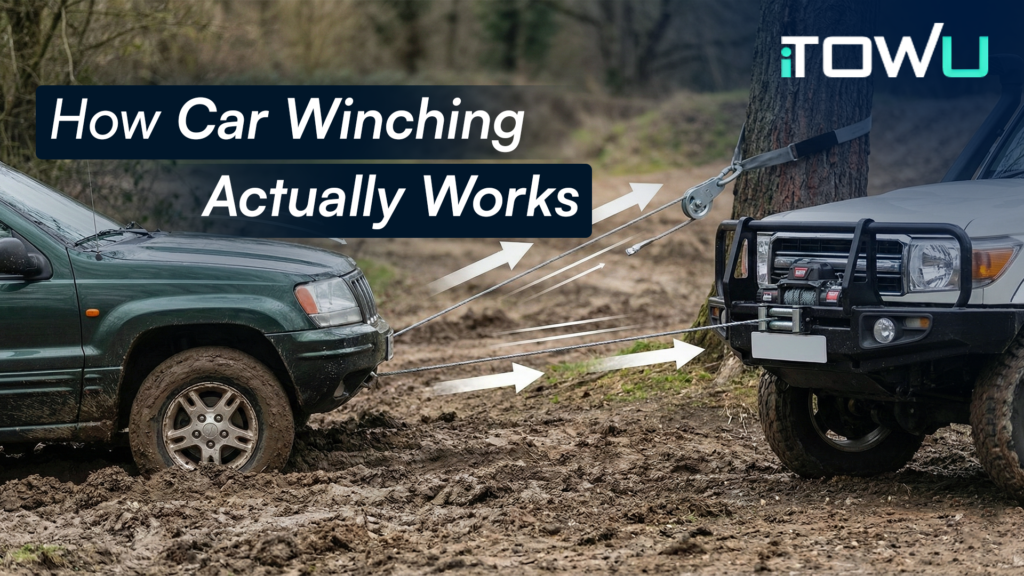
A single-line pull uses the winch cable directly. For more power, you can use a snatch block (pulley) to double the line. This halves the pulling speed but doubles the force.
| Method | Pulled Weight | Speed | Best For |
|---|---|---|---|
| Single-Line Pull | Winch’s rated capacity | Faster | Light/medium mud |
| Double-Line Pull | Double capacity | Slower | Deep or sticky mud |
Credit: districttowing.com
Finishing The Recovery
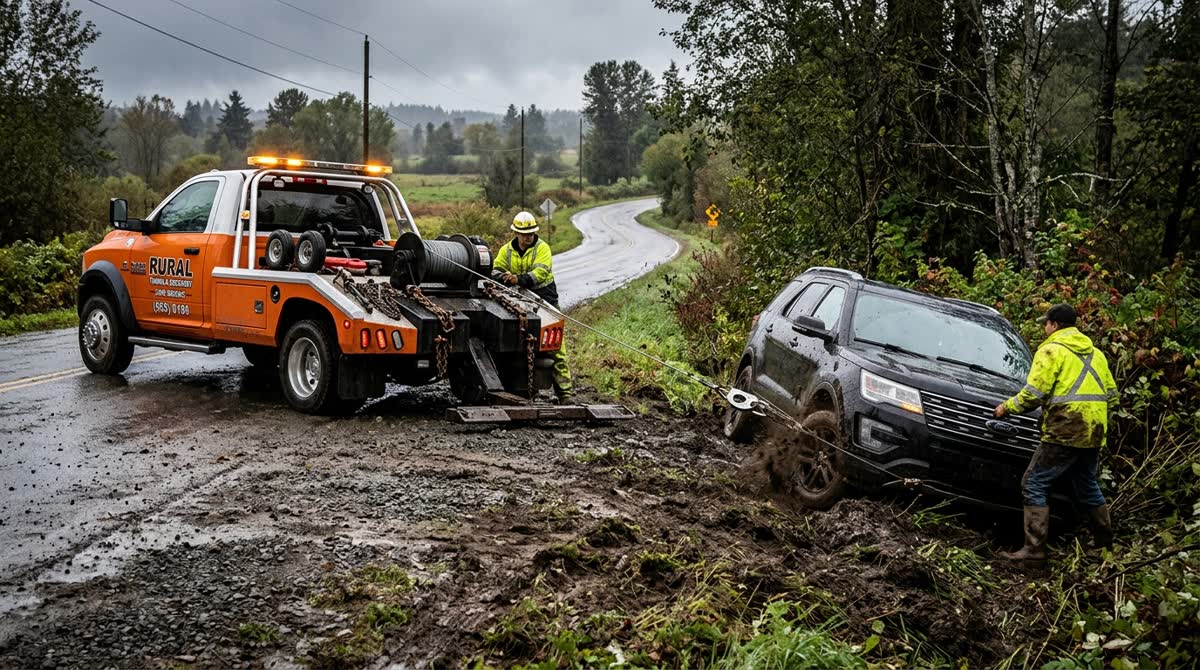
When your vehicle starts moving, keep going slowly until you reach solid ground. Once free:
- Stop the winch as soon as you are clear.
- Put the vehicle in park and apply the handbrake.
- Carefully unhook the cable from the anchor.
- Rewind the cable evenly on the drum.
- Inspect the cable and winch for any damage.
Do not forget to thank your helpers. After a tough recovery, everyone deserves appreciation.
Common Winching Mistakes To Avoid
- Using Weak Anchors: This can cause the anchor to fail and may lead to injury.
- Standing Near the Cable: If the cable snaps, it can whip back dangerously.
- Ignoring Winch Limits: Overloading can burn out the motor or snap the line.
- Not Using Dampeners: This increases the risk of cable recoil.
- Skipping Equipment Checks: Small cracks or frays in the cable can lead to failure.

Credit: www.amazon.ie
Expert Tips And Insights
- Winch capacity: Always use a winch rated at least 1.5 times your vehicle’s weight.
- Practice makes perfect: Use your winch in safe conditions before you need it in an emergency.
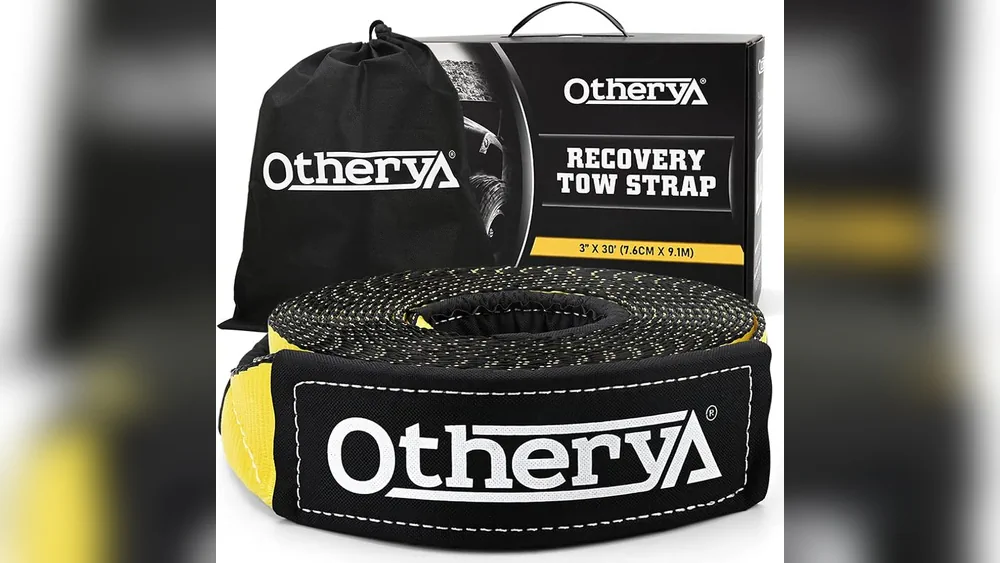
- Carry recovery gear: Always have a tree protector, gloves, snatch block, and dampener in your kit.
- Stay calm: Panic leads to mistakes. Take each step slowly and check your setup twice.
For more details about safe winching, you can visit the International 4WD Trainers Association.
Frequently Asked Questions
How Do I Choose The Right Winch For My Vehicle?
Pick a winch rated at least 1.5 times your vehicle’s gross weight. For example, a 2,000 kg SUV should use a winch with at least 3,000 kg (6,600 lb) capacity.
Is Synthetic Rope Better Than Steel Cable?
Synthetic rope is lighter and safer if it breaks, but needs more care. Steel cable is stronger for the size but can be dangerous if it snaps.
Can I Recover A Vehicle Alone With A Winch?
Yes, but it’s safer and easier with help. Someone can watch the cable and guide you.
What If There Are No Trees Or Vehicles To Use As An Anchor?
Use a ground anchor designed for winching. In soft mud, you may need to dig and set the anchor deeply for strength.
Should I Winch With The Engine Running?
Yes. Running the engine keeps the battery charged and gives full power to the winch motor.
Recovering a vehicle from mud with a winch takes patience, knowledge, and the right gear. By following these steps and tips, you can handle most muddy situations safely and get back on the road with confidence.
Related posts
 Why You Should Use a Foam Cannon for Car Washing: Ultimate Guide
Washing your car is more than just making it look good. It protects the paint, keeps the value high, and makes driving feel better. But if…
 How to Clean Leather Seats Without Damaging Them: Expert Tips
Keeping your leather seats clean can be a challenge. Leather looks beautiful and feels luxurious, but it needs special care. Many people worry about damaging their…
 Why Using a Ceramic Coating Spray is Important for Your Car’s Shine
If you care about your car’s appearance and value, you probably wash and wax it regularly. But did you know there’s a better way to protect…