
How to Protect Car Carpets with Floor Mats: A Practical Guide
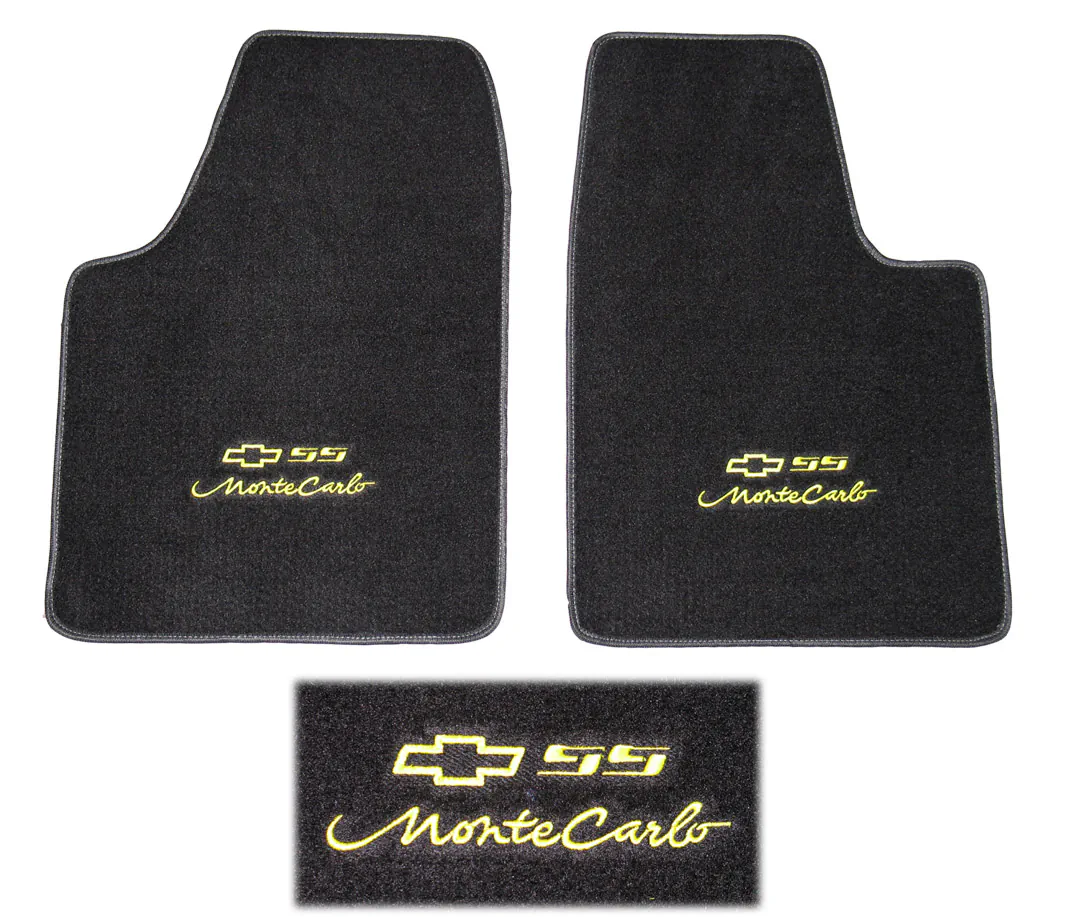
Protecting your car’s carpets from daily wear, spills, and grime is essential for maintaining its resale value and interior appearance. The most effective way to achieve this is by using the right floor mats.
Choosing and using floor mats correctly involves understanding the different types available, ensuring a proper fit, and maintaining them regularly. This guide will walk you through how to select the best floor mats for your needs, install them securely, and keep both the mats and your car’s carpets in excellent condition.
Safety checks
- Select mats designed for your vehicle’s make and model for optimal coverage.
- Ensure mats are securely fastened to prevent shifting and trapping debris underneath.
- Regularly clean both the mats and the carpet beneath them.
- Consider all-weather mats for harsh climates to combat salt and moisture.
- Avoid using mats that don’t fit properly, as they can cause more harm than good.
| Topic | When it helps | What to keep in mind |
|---|---|---|
| Option 1 | Harsh climates, families with young children, pet owners, or anyone frequently carrying messy items. | Can sometimes be stiff in very cold weather, and cheaper versions might have a strong odor. |
| Option 2 | Drivers who prioritize a plush interior feel and live in areas with less extreme weather conditions. | Stains can be harder to remove than from rubber mats, and they can trap fine dirt and allergens. |
| Option 3 | Those seeking maximum protection and a factory-like fit, willing to invest more for long-term carpet preservation. | Can be more expensive than standard mats. |
| Option 4 | Temporary protection during transport, service appointments, or for specific events where extreme mess is anticipated. | Can be difficult to apply without bubbles or wrinkles, may leave residue if left on too long, and can peel up at the edges if not properly adhered. |
Focus on the role of
Option 1. All-Weather Rubber or Vinyl Mats
These mats are typically molded to fit specific vehicles and feature deep channels or raised edges to contain liquids and debris. They are highly durable and easy to clean.
- Harsh climates, families with young children, pet owners, or anyone frequently carrying messy items.
- Can sometimes be stiff in very cold weather, and cheaper versions might have a strong odor.
- Look for mats with a high lip to contain spills effectively and a non-slip backing.
Option 2. Carpeted Floor Mats
These mats mimic the look and feel of your car’s original carpet. They offer a softer feel and can absorb some moisture, but are generally less effective at containing heavy spills or deep mud.
- Drivers who prioritize a plush interior feel and live in areas with less extreme weather conditions.
- Stains can be harder to remove than from rubber mats, and they can trap fine dirt and allergens.
- Choose mats with a dense pile and a durable backing to prevent premature wear and slippage.

Option 3. Protective Floor Liners (e.g., Laser-Fit)
These are often high-end, custom-molded liners made from durable materials like thermoplastic or TPE. They offer superior coverage, extending up the sides of the footwell to create a complete containment system.
- Those seeking maximum protection and a factory-like fit, willing to invest more for long-term carpet preservation.
- Can be more expensive than standard mats.
- Verify the material’s flexibility and durability, and check reviews for fitment accuracy.
Option 4. Carpet Protection Film
Self-adhesive films, often used by dealerships during service or for temporary protection. They create a clear barrier directly on the carpet or existing mats.
- Temporary protection during transport, service appointments, or for specific events where extreme mess is anticipated.
- Can be difficult to apply without bubbles or wrinkles, may leave residue if left on too long, and can peel up at the edges if not properly adhered.
- Use with caution and ensure the surface is clean and dry before application.
Choosing the Right Floor Mats for Your Car
The first step in protecting your car’s carpets is selecting the appropriate floor mats. Different materials and designs offer varying levels of protection.
All-weather mats, typically made from rubber or vinyl, are excellent for containing spills and dirt thanks to their raised edges and durable construction. Carpeted mats offer a softer feel but are less effective against heavy moisture and stains.
If you live in a snowy region and frequently track in salt and slush, all-weather rubber mats with high edges are a much better choice than thin carpeted mats, which will absorb the moisture and salt, leading to potential damage and odor.
Purchasing generic, one-size-fits-all mats that don’t conform to your car’s floor shape.

Proper Installation and Securing Mats
Once you’ve chosen the right mats, proper installation is key. Mats that fit well and are securely fastened provide the best protection.
Always check if your vehicle has factory-installed anchor points or hooks. If so, ensure your new mats are compatible and engage with these securely.
After placing your new all-weather mats, press down firmly on the edges to ensure they are seated correctly in the footwell.
Overlooking the importance of securing mats.
- Check for factory anchor points or clips.
- Ensure mats engage securely with anchors.
- Use mats with non-slip backing if anchors are absent.
- Test mats for stability before driving.
Maintaining Your Mats and Car Carpets
Regular maintenance is crucial for both your floor mats and your car’s carpets. Cleaning your mats frequently prevents dirt and moisture from being tracked further into the vehicle or seeping underneath.
For rubber or vinyl mats, a simple rinse with water and occasional scrubbing with soap and a brush is usually sufficient. Carpeted mats may require vacuuming and spot cleaning for stains.
After a muddy hike, remove your rubber mats, hose them down, and use a stiff brush with mild soap to scrub away stubborn dirt.Neglecting to clean the carpet underneath the mats.Vacuum mats regularly.Hose down rubber/vinyl mats and scrub as needed.Spot-clean carpeted mats for spills.Remove mats periodically to clean and inspect the carpet underneath.Allow mats to dry completely before reinstallation.
Common Mistakes to Avoid
Even with the best intentions, certain mistakes can undermine the effectiveness of your floor mats. Being aware of these common pitfalls can help you ensure your car’s carpets stay protected.
One significant error is using mats that are ill-fitting or don’t cover the critical areas of the footwell. Another mistake is neglecting to clean the mats and the carpet beneath them, allowing trapped moisture and dirt to cause damage.
You might be tempted to use a powerful carpet cleaner on your rubber mats, but this could degrade the material over time.
Using mats that are too small or don’t cover the entire footwell area.
- Using ill-fitting or generic mats.
- Not securing mats properly.
- Neglecting to clean the carpet under the mats.
- Using harsh chemicals on mats or carpets.
- Leaving wet mats in the car for extended periods.
FAQs
Are carpet protection films worth it for car carpets?
Carpet protection films are best for temporary use, like during car service or transport. For daily protection, durable rubber or custom-fit liners are more effective and practical long-term solutions.
What is the best type of floor mat for protecting car carpets from spills?
All-weather rubber or vinyl mats with high, containment edges are generally the best for protecting car carpets from spills, as they trap liquids and debris effectively.
How often should I clean my car floor mats?
It’s recommended to clean rubber or vinyl mats weekly or bi-weekly, especially in harsh weather. Carpeted mats should be vacuumed weekly and spot-cleaned as needed, with a deeper clean monthly.
Can floor mats damage my car’s carpet?
Yes, if mats are not secured properly, they can shift and trap moisture and dirt underneath, leading to mold, mildew, and carpet damage. Ill-fitting mats can also cause premature wear in certain areas.
Should I use mats on top of my existing car carpets?
Yes, that’s the primary purpose. Floor mats are designed to be placed on top of your car’s original carpeting to provide a protective layer against dirt, spills, and wear.
Conclusion
Using the right floor mats is a simple yet highly effective strategy for safeguarding your car’s carpets against the elements and daily wear. By understanding the different types of mats available and prioritizing a secure fit and regular maintenance, you can significantly extend the life and preserve the appearance of your vehicle’s interior.
Take a moment to assess your current floor mat situation. If they’re worn, ill-fitting, or not providing adequate protection, consider investing in a quality set that suits your needs.
Related posts
 Why You Should Use a Foam Cannon for Car Washing: Ultimate Guide
Washing your car is more than just making it look good. It protects the paint, keeps the value high, and makes driving feel better. But if…
 How to Clean Leather Seats Without Damaging Them: Expert Tips
Keeping your leather seats clean can be a challenge. Leather looks beautiful and feels luxurious, but it needs special care. Many people worry about damaging their…
 Why Using a Ceramic Coating Spray is Important for Your Car’s Shine
If you care about your car’s appearance and value, you probably wash and wax it regularly. But did you know there’s a better way to protect…