Keep your steps strong and looking good with this simple guide on how to maintain jeep side steps for long life and safe use.
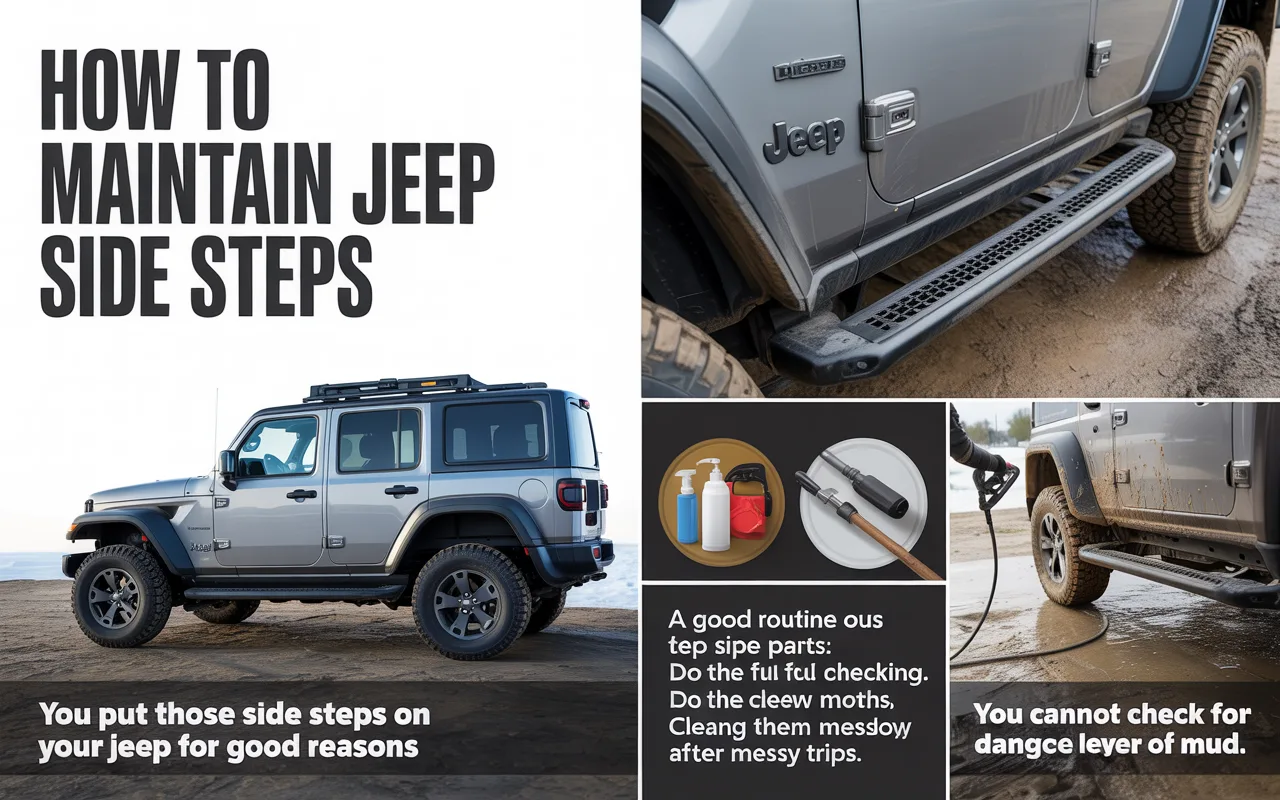
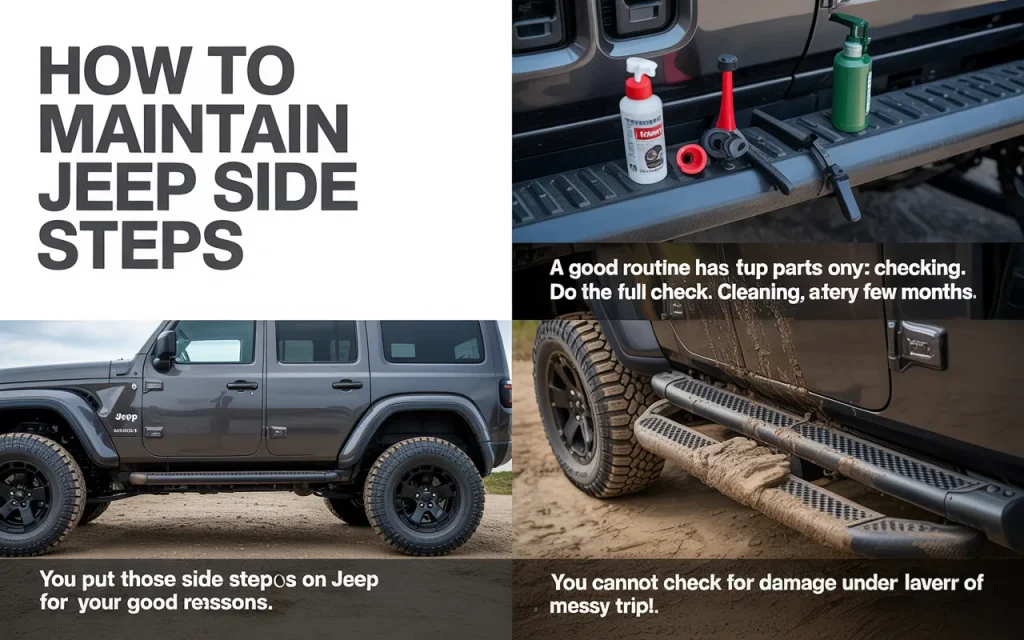
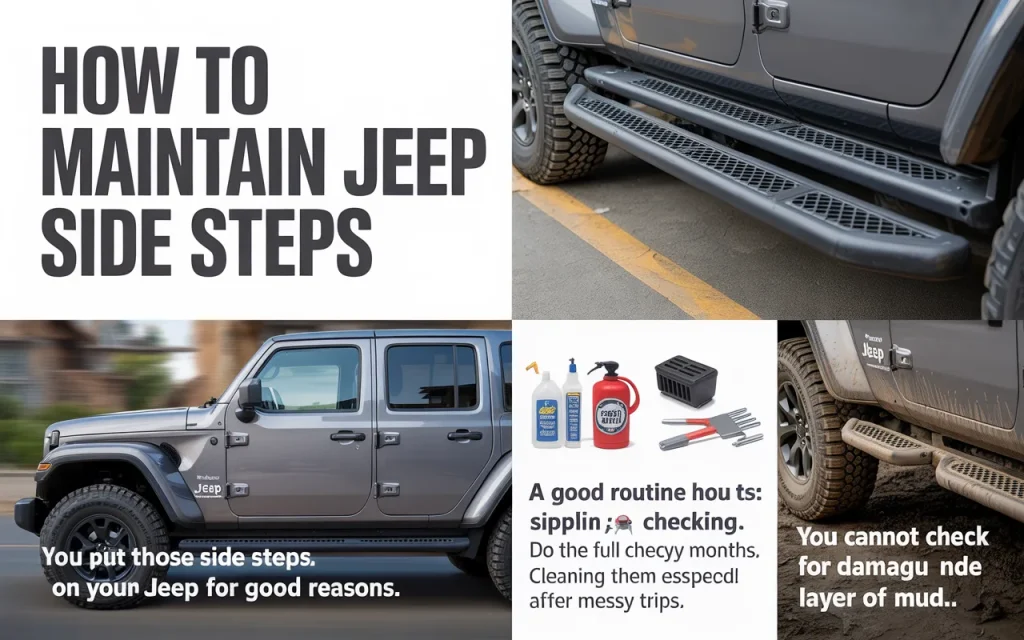
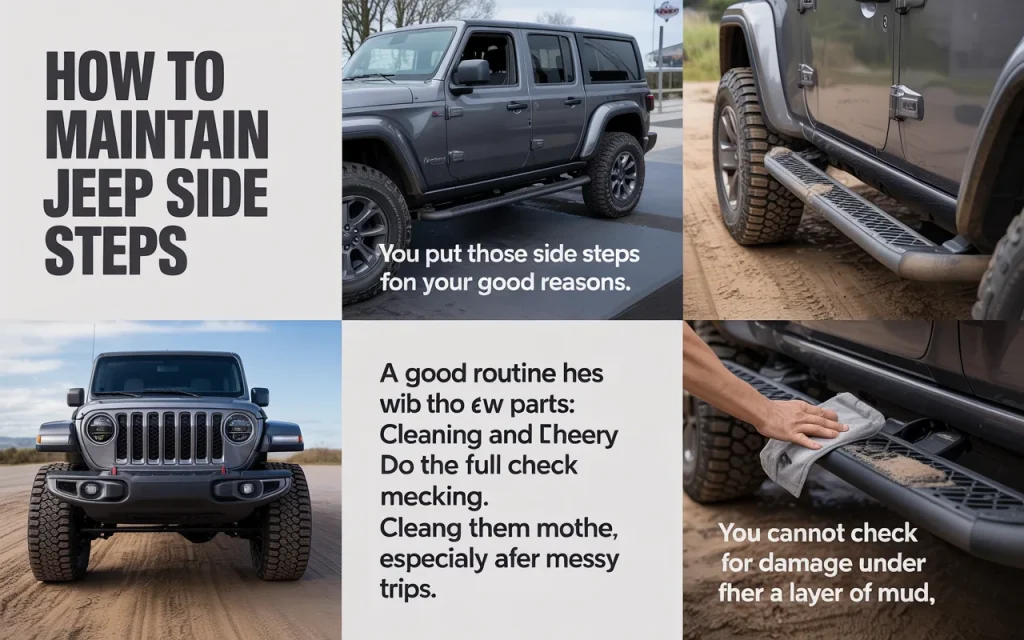
You put those side steps on your Jeep for good reasons. They help you get in and out. They protect your Jeep’s sides from rocks and mud. They add a cool look. But sun, rain, salt, and dirt can wear them down fast. A little regular care stops this. It keeps them safe and sharp for years. This guide will show you the simple steps. You do not need to be a pro. With some basic supplies and a bit of time, you can maintainjeep side steps easily.
Why It’s Important to Maintain Jeep Side Steps
Side steps take a beating. Every drive covers them in road grime. In winter, road salt can eat away at metal. Mud and sand are rough on finishes. If you ignore them, small problems turn into big ones. Rust can spread. Fasteners can loosen. A wobbly step is not safe. Regular care prevents costly repairs or replacements. It also keeps your whole Jeep looking well cared for. Think of it as a quick health check for a tough part of your vehicle. A clean, tight step is a safe step.
“Prevention is better than cure. This old saying is true for your Jeep as much as your health,” says veteran mechanic and off-road guide, Ben Carter.
What You Will Need to Get Started
You likely have many of these items already. Here is a basic list:
Two buckets (one for soapy water, one for clean rinse water)
Car wash soap (not household detergent)
Soft brushes or sponges
Microfiber drying towels
A good automotive protectant (for plastic or rubber steps)
A quality wax or sealant (for painted or powder-coated metal steps)
A rust-inhibiting spray (like fluid film or a clear coat)
Basic socket set or wrenches
Safety glasses and gloves
Your Step-by-Step Maintenance Routine
A good routine has two parts: cleaning and checking. Do the full check every few months. Clean them more often, especially after messy trips.
Step 1: The Deep Clean
Start with a clean step. You cannot check for damage under a layer of mud.
Rinse: Use a hose to blast off loose dirt, mud, and sand. Get behind the step and in all the gaps.
Wash: Fill a bucket with water and car soap. Use a soft brush to scrub every part of the step. Pay extra attention to the underside and mounting points. These areas hold the most grime.
Rinse Again: Rinse all the soap away completely.
Dry: Use a microfiber towel to dry the steps fully. This stops water spots and helps you see any issues clearly.
Step 2: The Close Inspection
Once the step is clean and dry, look it over carefully.
Look for Rust: Check for any orange or brown spots, especially around bolt holes, welds, and scratches. Catch it early.
Check for Damage: Look for deep scratches, dents, or cracks in the material.
Test for Movement: Put your weight on the step and try to wiggle it. It should feel solid with no play.
What to Look For
What It Means
Small rust spots
Surface rust that needs cleaning and treatment.
Loose bolts
Mounting hardware needs tightening.
Wobbly step
Loose hardware or a failing mounting bracket.
Deep scratch
Exposed metal that can rust quickly.
Cracked plastic/rubber
Material failure; may need replacement soon.
Step 3: Protection is Key
This is the most important step to maintain jeep side steps for the long term. It creates a shield.
For Painted or Powder-Coated Metal: Apply a coat of automotive wax or a ceramic sealant. This makes water bead up and protects the finish from UV rays and chemicals.
For Plastic or Rubber Steps: Use an automotive protectant spray. It restores dark color and prevents fading and cracking.
For Any Bare Metal or High-Risk Areas: If you find a scratch down to metal, touch it up with paint. Then, for added safety, spray a light coat of a rust inhibitor on mounting hardware and the back of the steps.
Fixing Common Problems
Even with great care, issues pop up. Here is how to handle them.
Dealing with Rust
If you see rust, do not panic. Act fast.
Scrub: Use a wire brush or sandpaper to remove all the loose, flaky rust.
Clean: Wipe the area with a damp cloth, then dry it.
Treat: Apply a rust converter product if needed. This turns rust into a stable surface.
Paint: Use a matching touch-up paint or a clear protective coat to seal the area.
Tightening Loose Bolts and Hardware
A loose step is dangerous. Fixing it is often simple.
Find the correct size socket or wrench.
Tighten all the mounting bolts you can see. Do not over-tighten and strip the threads.
If a bolt spins freely, it may be stripped. You might need to replace the bolt or use a larger one.
“The right tool for the job makes any task simpler and safer. Don’t force it,” advises Ben Carter.
Seasonal Care Tips for Jeep Side Steps
The weather changes, so should your care focus a bit.
Winter: Wash your steps, including the underside, often to remove road salt. A fresh coat of wax or protectant before winter starts is a great idea.
Spring: Give them a full deep clean and inspection after the harsh winter months.
Summer: UV rays can fade finishes. Keep them protected with wax or UV protectant sprays.
Fall: Clean off wet leaves and debris that can trap moisture and cause rust.
Off-Road Recovery for Your Steps
After a tough trail ride, your steps need extra love.
Rinse Immediately: Get the mud off as soon as you can. Drying mud is abrasive and holds moisture.
Full Clean: Do the full wash routine from Step 1. Mud hides in every crevice.
Extra Inspection: Look for new scrapes, dents, or impact damage from rocks. Check that all bolts are still tight after the vibration of the trail.
Post-Off-Road Check
Action to Take
Caked-on mud
Soak with water and use a soft brush to remove gently.
New deep scratches
Clean, dry, and touch up with paint to prevent rust.
Bent step or bracket
Assess if it is still safe. A bent bracket may need replacement.
Loose bolts
Tighten to the correct specification.
Long-Term Care and When to Replace
With consistent care, your steps can last a very long time. But all parts wear out. How do you know when it is time for new ones?
Severe Structural Rust: If the metal is thin, flaky, or has holes, the step is weak.
Major Cracks or Breaks: In the step itself or the main mounting brackets.
Constant Loosening: If bolts will not stay tight due to stripped threads or warped metal.
Sometimes, replacement is the safest choice. When you install new steps, start this care routine from day one.
Can I use pressure washer on my side steps? Yes, but be careful. Use a wide spray pattern and keep the nozzle moving. Do not hold it too close to painted surfaces or electrical connections near rocker panels.
What is the best product to protect black plastic side steps? Use a dedicated automotive plastic protectant. It will keep the plastic dark and flexible, stopping it from fading and getting brittle.
My steps are rattling. What should I do? This usually means loose bolts. Check and tighten all mounting hardware. If the rattle continues, check for worn bushings or spacers in the kit.
How can I make my chrome steps shine again? Use a chrome-specific polish after a good wash. For bad rust or pitting, a chrome cleaner with a gentle abrasive can help, followed by a chrome sealant.
“Taking care of your gear is taking care of your adventure. It shows respect for the machine that gets you there,” says off-road enthusiast and writer, Maria Flores.
Conclusion
Learning how to maintain jeep side steps is not hard work. It is a simple habit that pays off. It keeps you safe. It saves you money. It makes your Jeep look ready for anything. A clean step is a sign of a cared-for Jeep. Set a reminder on your phone. Gather your supplies. The next time you wash your Jeep, give those hardworking steps some attention. They protect your Jeep, so return the favor. Your future self, and your Jeep, will thank you for it. Now get out there, get dirty, and then get cleaning

3 thoughts on “How to Maintain Jeep Side Steps”