
How to Choose the Right Winch Recovery Ring for Your Vehicle
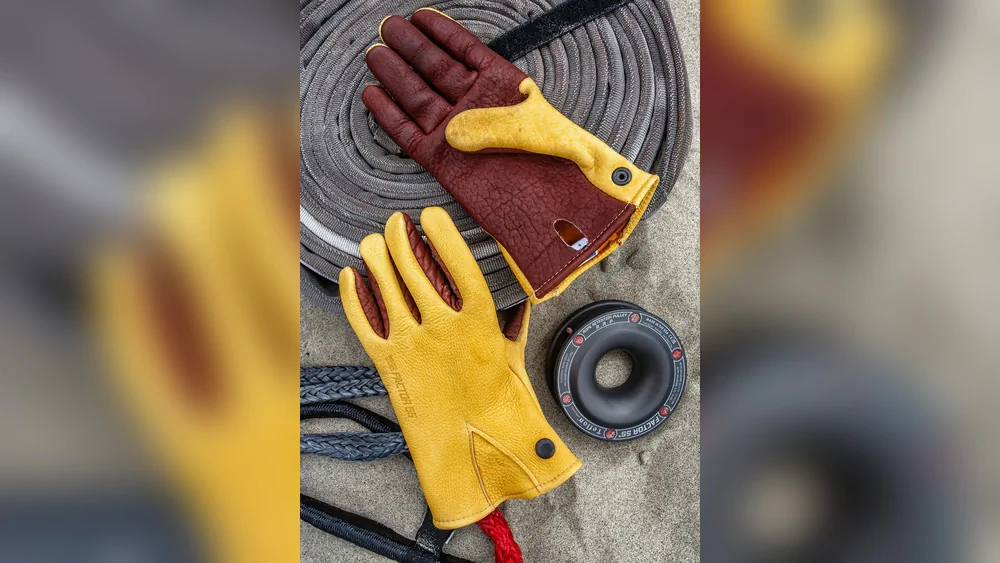
Choosing the right winch recovery ring is not just about picking a popular brand or the highest weight rating. For safe and successful off-road recovery, the right ring can make a big difference. Many off-roaders and vehicle owners focus only on the winch, forgetting that the recovery ring is just as critical.
With many options available, making the best choice requires understanding key features, your vehicle’s needs, and common mistakes.
What Is A Winch Recovery Ring?
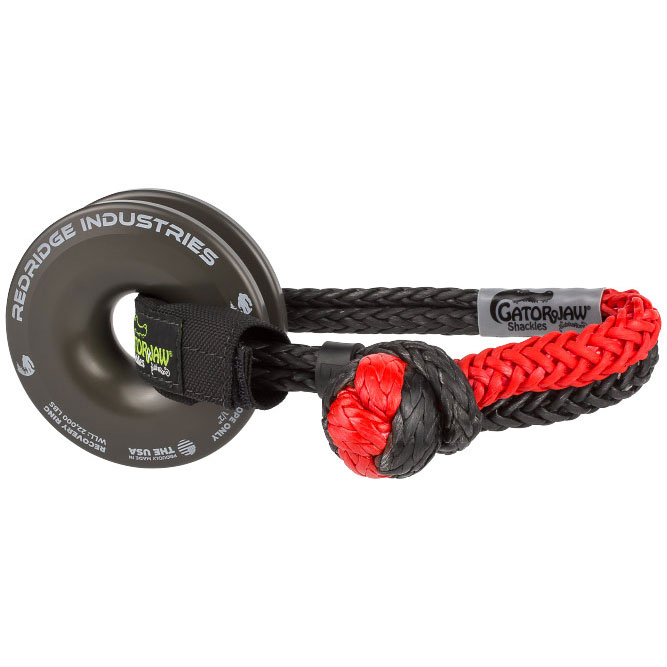
A winch recovery ring is a compact, lightweight pulley used in vehicle recovery. It’s designed to work with synthetic winch rope instead of steel cable. The ring redirects the pull force, allowing for a double line pull, which increases pulling power without adding much weight to your gear. Unlike traditional snatch blocks, recovery rings are easier to carry and require less maintenance.
Key Factors When Choosing A Winch Recovery Ring
Before buying, focus on these important factors to ensure the ring matches your needs.
1. Weight Rating
The Minimum Breaking Strength (MBS) is the most crucial number. It tells you how much force the ring can handle before failing. Always choose a ring with an MBS at least twice your vehicle’s gross vehicle weight rating (GVWR). For example, if your 4×4 weighs 2,500 kg, look for a ring rated for at least 5,000 kg.
2. Material Quality
Most recovery rings are made from 6061 or 7075 aircraft-grade aluminum. These alloys are strong, resist corrosion, and are lightweight. Avoid rings made with unknown metals or cheap coatings. A good anodized finish helps prevent scratches and corrosion, especially in wet or muddy conditions.
3. Ring Diameter
Diameter affects both strength and compatibility:
- Smaller rings (e.g., 2.5-3 inches) are lighter and fit smaller winches, but may not handle heavy loads.
- Larger rings (e.g., 4-6 inches) spread the load better and suit larger vehicles but add a bit of bulk.
Choose a diameter that matches your winch rope size and your vehicle’s recovery needs.
4. Groove Design
A well-designed groove keeps the synthetic rope centered and reduces friction. Smooth, wide grooves reduce wear on your rope and make recovery operations easier. Some rings have extra-deep grooves, which help in muddy or icy conditions.
5. Rope Compatibility
Not all rings work with every rope. Most are designed for synthetic winch ropes, usually between 8mm and 12mm in diameter. Always check the ring’s specs to match your rope. Using a steel cable with a recovery ring is unsafe and will damage both the ring and the cable.
6. Weight And Portability
One of the main advantages of recovery rings over snatch blocks is their low weight. A typical ring weighs under 500 grams (about 1 lb). This makes them easy to carry and store, especially for overlanders or anyone with limited space.
7. Brand Reputation
Stick to brands with a strong reputation for recovery gear. Well-known brands test their products and share real data. Unknown brands may use lower-quality materials and lack proper testing.
8. Price Vs. Value
Price matters, but don’t choose the cheapest option. A good recovery ring costs between $40 and $100. Paying a bit more for a trusted brand and solid materials can save you from equipment failure in a tough situation.
Comparing Popular Winch Recovery Rings
Here’s a quick look at three popular recovery rings, showing how they compare on the most important features.
| Brand & Model | Weight Rating (kg) | Material | Diameter | Weight |
|---|---|---|---|---|
| Factor 55 6K | 9,000 | 6061-T6 Aluminum | 4.0″ | 320g |
| ARB Soft Shackle Pulley | 12,500 | 7075 Aluminum | 5.0″ | 400g |
| Rugged Ridge Aluminum Ring | 8,000 | 6061 Aluminum | 3.5″ | 280g |
Common Mistakes When Buying A Recovery Ring
Even experienced off-roaders sometimes make these errors:
- Ignoring weight rating: Buying a ring that matches your vehicle’s weight, not double.
- Wrong rope pairing: Using a steel cable instead of synthetic rope.
- Overlooking groove design: A poorly machined groove can damage your winch rope quickly.
- Chasing lowest price: Low-cost rings often skip real-world testing and quality control.

Credit: www.george4x4.com.au
Practical Tips For Selecting The Right Ring
- Test fit: Check the ring with your winch rope and soft shackle before heading off-road.
- Maintenance: Rinse the ring after muddy use. Grit can wear both the ring and your rope.
- Carry more than one: In tough recoveries, two rings let you set up complex rigging for more power or better angles.
A detail most beginners miss: Surface finish matters. A glossy, anodized ring sheds mud and water faster, keeping the groove clean and reducing friction during heavy pulls.
Safety Considerations
Never exceed the rated limit of your recovery ring. During recovery, always stand clear of the line, as a failed ring or rope can release deadly energy. Use only soft shackles or tree saver straps with your ring—never metal shackles, which can cause serious injury if something breaks.
Credit: www.bubbarope.com
Real-world Example
Imagine you’re winching a vehicle up a steep, muddy track. With a recovery ring, you can double your winch’s pulling power by running the line through the ring and back to your vehicle. This setup lets you recover safely, even if your winch is less powerful than the load.
But if the ring isn’t rated high enough, or the groove is rough, you risk equipment failure at the worst moment.
Quick Reference: Choosing The Right Size
Use this guide to match ring size to your vehicle:
| Vehicle Type | Recommended Ring MBS | Ring Diameter | Rope Size |
|---|---|---|---|
| ATV/UTV | 3,000-5,000 kg | 2.5″-3.0″ | 8-10 mm |
| Mid-Size SUV/4×4 | 7,000-10,000 kg | 3.5″-4.5″ | 10-12 mm |
| Full-Size Truck | 12,000+ kg | 5.0″-6.0″ | 12 mm+ |
Why A Recovery Ring Instead Of A Snatch Block?
A recovery ring is lighter, easier to clean, and designed for synthetic ropes. Snatch blocks are heavier, require more maintenance, and are better for steel cables. Most modern off-roaders prefer rings for day-to-day use. However, for extreme loads or steel cables, a snatch block is still the safer choice.
Frequently Asked Questions
What Is The Main Advantage Of A Recovery Ring Over A Snatch Block?
The biggest advantage is weight and simplicity. Recovery rings are lighter and easier to handle, making them perfect for quick recoveries and overland setups.
Can I Use A Winch Recovery Ring With A Steel Cable?
No. Recovery rings are designed for synthetic rope. Steel cable can damage the ring and cause dangerous friction.
How Do I Know If A Ring Fits My Winch Rope?
Check the manufacturer’s recommended rope diameter. Most rings fit 8-12 mm synthetic ropes. Measure your rope before buying.
Do I Need To Lubricate A Recovery Ring?
No. Recovery rings have no moving parts. Just keep them clean and check for scratches or sharp edges.
Where Can I Learn More About Safe Winch Recovery?
You can find more safety tips and recovery gear guides from organizations like 4x4Earth.
Choosing the right winch recovery ring means safer, easier recoveries and longer-lasting gear. Take your time, check the details, and you’ll be ready for any trail.

Credit: www.hookeroad.com
Related posts
 Why You Should Use a Foam Cannon for Car Washing: Ultimate Guide
Washing your car is more than just making it look good. It protects the paint, keeps the value high, and makes driving feel better. But if…
 How to Clean Leather Seats Without Damaging Them: Expert Tips
Keeping your leather seats clean can be a challenge. Leather looks beautiful and feels luxurious, but it needs special care. Many people worry about damaging their…
 Why Using a Ceramic Coating Spray is Important for Your Car’s Shine
If you care about your car’s appearance and value, you probably wash and wax it regularly. But did you know there’s a better way to protect…