
How to Choose a Synthetic Winch Rope: Expert Tips for Buyers
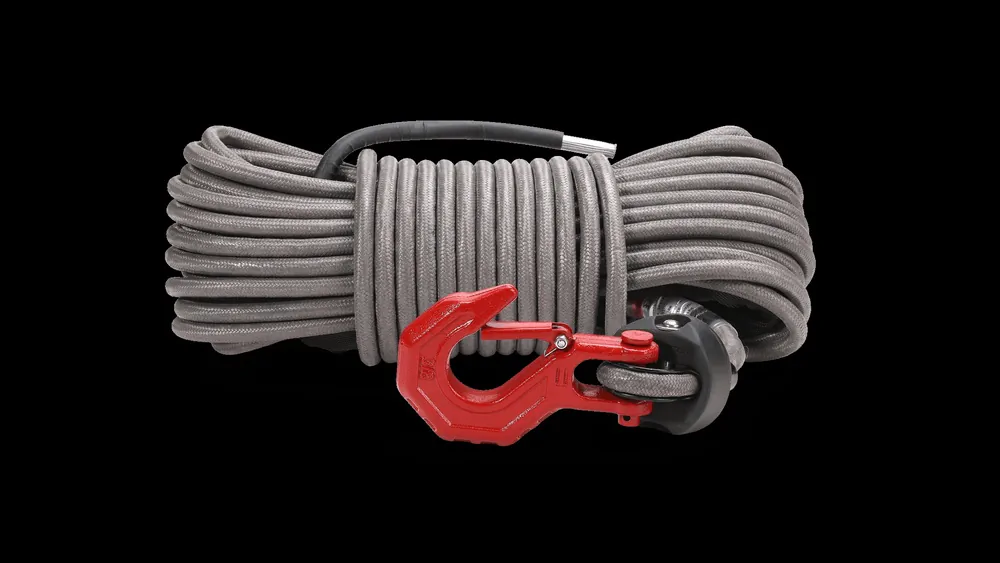
Choosing the right synthetic winch rope can make a big difference in both safety and performance when off-roading, towing, or recovering a vehicle. The market offers many options, but picking the best one requires more than just looking at the price.
You need to think about strength, size, material, and other key details. If you make the right choice, you’ll be better prepared for tough situations, reduce the risk of accidents, and get the most value for your money.
Why Synthetic Winch Rope?
Traditional winch cables are usually made of steel. While strong, they can be heavy and dangerous if they snap. Synthetic winch ropes have become popular because they are much lighter, easier to handle, and safer. When a synthetic rope breaks, it drops to the ground instead of whipping back, which greatly reduces the chance of injury.
Another reason for the shift to synthetic ropes is their versatility. They float in water, don’t rust, and are easier to repair on the trail. But not all synthetic ropes are created equal. Some are made from better fibers, have stronger weaves, or offer more UV protection.
Understanding what to look for will help you choose wisely.
Key Factors When Choosing A Synthetic Winch Rope
Several important factors can help you narrow down your choices. Let’s look at them one by one.
1. Rope Material
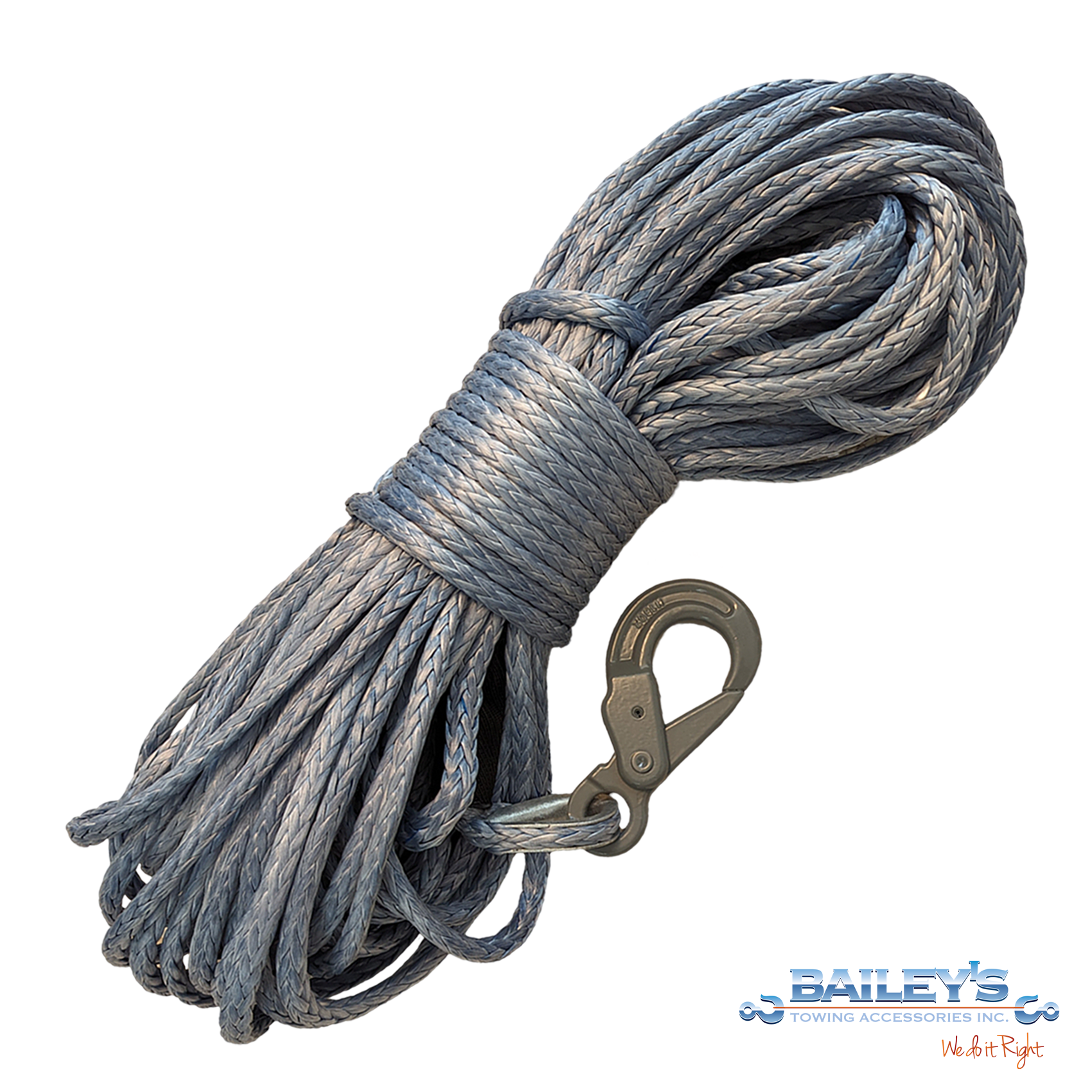
Most synthetic winch ropes are made from Dyneema or similar high-performance polyethylene fibers. Dyneema is known for being extremely strong, light, and resistant to moisture. However, not all synthetic ropes use the same grade or treatment. Make sure the rope you pick is made from genuine Dyneema SK75 or SK78 for the best mix of strength and durability.
2. Rope Diameter And Strength
You need a rope that matches your winch’s rated pulling power. A rope that is too thin may break under load, while one that is too thick might not fit on your winch drum. Most off-road winches use ropes between 3/8 inch (9.
5 mm) and 7/16 inch (11 mm) in diameter.
Here’s a quick comparison of common rope diameters and their breaking strengths:
| Diameter | Breaking Strength (lbs) | Typical Use |
|---|---|---|
| 1/4″ (6 mm) | 7,000 – 9,000 | ATVs/UTVs |
| 3/8″ (9.5 mm) | 16,000 – 19,000 | Jeeps/SUVs |
| 7/16″ (11 mm) | 22,000 – 28,000 | Trucks |
Always choose a rope with a breaking strength at least 1. 5 times higher than your vehicle’s gross weight.
3. Rope Length
Standard lengths range from 50 to 100 feet. Longer ropes give you more reach, but they take up more space on the drum. If your winch drum is small, a longer rope may not fit properly. For most 4×4 vehicles, 80-100 feet is a good balance.
4. Protective Sleeves And Coatings
Synthetic ropes are strong, but they can be damaged by heat, abrasion, and UV rays. Look for ropes with a protective sleeve at least 5-10 feet long, which shields the rope from sharp edges and heat near the winch drum. Some ropes also come with special coatings for extra UV and chemical resistance.
5. Winch Compatibility
Not all winches are designed for synthetic rope. Some older winches with rough or sharp-edged drums can quickly damage the fibers. Check that your winch is synthetic-rope compatible. If not, you may need to replace the drum or add a smooth fairlead (preferably aluminum hawse) to avoid fraying.
6. Weight
Synthetic ropes are much lighter than steel. For example, a 3/8” x 100 ft synthetic rope weighs less than 5 lbs, while steel of the same size weighs over 25 lbs. This weight difference makes handling easier and reduces strain on your winch and front suspension.
7. Ease Of Handling And Repair
One of the best things about synthetic winch rope is that you can splice and repair it in the field if it gets damaged. Steel cables, on the other hand, are much harder to fix and often need special tools.
8. Price And Warranty
Synthetic ropes cost more than steel cables, but the benefits often justify the price. Look for brands that offer a warranty, as this shows confidence in their product’s durability. Don’t go for the cheapest option—quality matters for safety.
9. Brand Reputation
Choose a rope from a trusted brand. Check user reviews and forums to see how the rope performs over time. Brands like Warn, Master Pull, and Factor 55 are well-known for reliability.
10. Color Options
While color may seem like a small detail, bright ropes are easier to see during recovery, which improves safety. Some ropes also use color to indicate wear or damage.
Credit: baileystowinginc.com
Comparing Synthetic Rope Vs. Steel Cable
Understanding the differences can help you decide if synthetic is right for you.
| Feature | Synthetic Rope | Steel Cable |
|---|---|---|
| Weight | Very Light | Heavy |
| Safety | Safer if it snaps | Dangerous recoil |
| Maintenance | Easy to inspect & repair | Harder to repair |
| Water Resistance | Does not rust | Rusts over time |
| Cost | Higher | Lower |
Common Beginner Mistakes
- Ignoring drum compatibility: Installing synthetic rope on a rough or grooved drum leads to quick damage.
- Skipping protective sleeves: Running rope over rocks or sharp edges without a sleeve can cause cuts or abrasion.
- Overloading: Using a rope with too low a breaking strength can result in failure.
- Storing in sunlight: UV rays weaken fibers over time. Store winches and ropes out of direct sunlight.
- Not checking for fraying: Small cuts or frayed fibers can reduce strength by up to 50%.

Credit: www.offroadinggear.com
Practical Tips For Longevity
- Always use a hawse fairlead with synthetic rope for smooth operation.
- Inspect the rope before and after each use.
- Clean dirt and mud with fresh water and let it dry completely before storage.
- Replace the rope if you see deep cuts, melted spots, or heavy fraying.
- Store the rope covered and out of direct sunlight.
Real-world Example
A 4×4 enthusiast switched from a steel cable to a synthetic Dyneema rope for his Jeep. After a year of heavy use, he found it much easier to handle and noticed less wear on his winch’s electrical system due to the lower weight. He also avoided a serious accident when the rope snapped during a recovery—the rope simply fell to the ground instead of whipping through the air.
Where To Learn More
For in-depth technical details, you can visit the Dyneema page on Wikipedia.
Frequently Asked Questions
What Is The Best Synthetic Winch Rope Material?
Dyneema is considered the best due to its high strength, low weight, and excellent resistance to moisture and chemicals.
How Often Should Synthetic Winch Rope Be Replaced?
Replace the rope if you notice significant fraying, cuts, or melted sections. With good care, synthetic rope can last 3-5 years or more.
Can I Use Synthetic Rope On Any Winch?
Not all winches are compatible. Check if your winch has a smooth drum and fairlead. Sharp or rough edges will damage synthetic fibers.
How Do I Clean Synthetic Winch Rope?
Use fresh water to wash away dirt, then let it air dry. Avoid harsh chemicals and never store the rope wet.
Is Synthetic Winch Rope Safe For All Climates?
Yes, but extreme heat or constant UV exposure can reduce lifespan. Use protective sleeves and store the rope covered when not in use.
Choosing the right synthetic winch rope is about more than just buying the most expensive option. By understanding the factors above and avoiding common mistakes, you’ll find a rope that fits your needs and keeps you safe in any recovery situation.

Credit: red-winches.com
Related posts
 Why You Should Use a Foam Cannon for Car Washing: Ultimate Guide
Washing your car is more than just making it look good. It protects the paint, keeps the value high, and makes driving feel better. But if…
 How to Clean Leather Seats Without Damaging Them: Expert Tips
Keeping your leather seats clean can be a challenge. Leather looks beautiful and feels luxurious, but it needs special care. Many people worry about damaging their…
 Why Using a Ceramic Coating Spray is Important for Your Car’s Shine
If you care about your car’s appearance and value, you probably wash and wax it regularly. But did you know there’s a better way to protect…