
Guide to Winch Safety for Off-Road Vehicles: Essential Tips
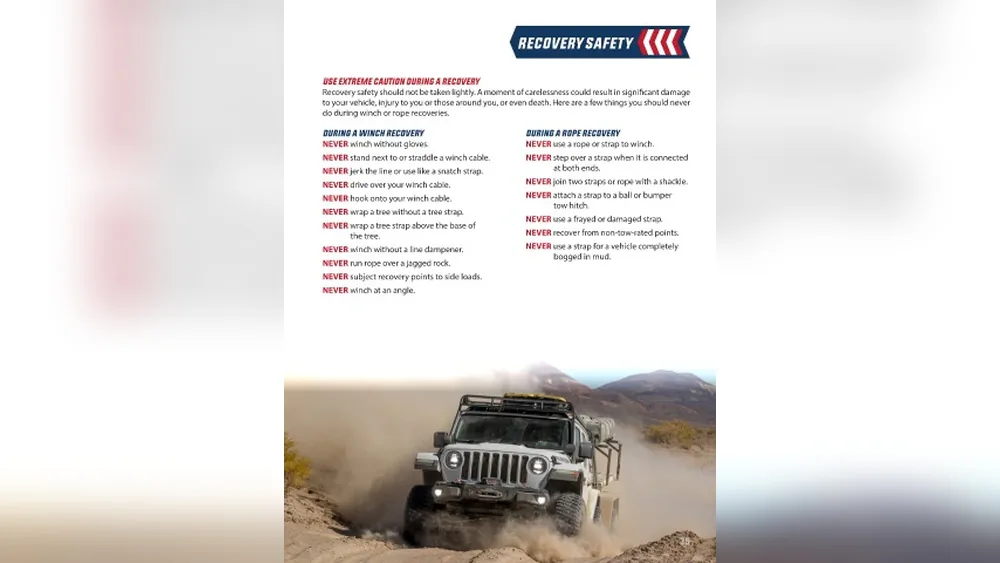
Off-roading brings excitement and challenge, but it also requires responsibility—especially when using a winch. Many off-roaders rely on vehicle winches to get out of mud, climb steep hills, or rescue others. But winch accidents can cause serious injuries or damage. Understanding winch safety is not only smart, it’s essential for every off-road adventure.
This guide offers clear, practical advice on using a winch safely. You’ll learn how to prepare your gear, operate the winch, avoid common mistakes, and protect both people and vehicles. Whether you’re a beginner or have some experience, these tips will help you use your off-road winch with confidence and care.
Understanding Winch Basics
A winch is a device with a motor, drum, and cable. It pulls heavy loads by winding the cable in or out. Off-road vehicles use electric winches or hydraulic winches to move through tough terrain.
Types of winch cables:
- Steel cable: Strong, durable, but heavy and can store dangerous energy if it snaps.
- Synthetic rope: Lighter, easier to handle, but can be damaged by heat or sharp edges.
| Winch Type | Strength | Weight | Safety |
|---|---|---|---|
| Steel Cable | High | Heavy | Risk of snapback |
| Synthetic Rope | Medium-High | Light | Less recoil |
Choose the right winch and cable for your vehicle’s weight and the conditions you expect.
Preparing For Safe Winching
Before you ever pull the winch line, take these steps:
- Read the manual: Every winch is different. Know your winch’s controls and limits.
- Inspect your equipment: Look for frayed cables, broken hooks, or damaged remote controls.
- Carry safety gear: At minimum, have gloves, a winch blanket/damper, tree saver strap, D-shackles, and a snatch block.
- Check battery power: Electric winches draw a lot of current. Make sure your vehicle’s battery is in good shape.
These steps may seem simple, but many off-roaders skip them and run into problems later. For example, a weak battery can leave your winch dead in the middle of a recovery.
Setting Up The Winch
Proper setup is critical for winch safety. Follow this order:
- Wear gloves: Winch cables can have sharp wires or splinters.
- Clear the area: Keep bystanders at least 1.5 times the length of the winch line away from the operation.
- Choose a strong anchor: Use a tree, rock, or another vehicle. Wrap a tree saver strap around anchors to avoid damage.
- Lay out the cable: Pull out only what you need. More wraps on the drum mean less pulling power.
- Use a winch damper: Place it in the center of the cable. This helps absorb energy if the line breaks.
| Step | Why It’s Important |
|---|---|
| Gloves | Protect hands from injury |
| Clear area | Prevents bystander accidents |
| Strong anchor | Ensures reliable pulling point |
| Winch damper | Reduces snapback risk |
Winching Techniques And Best Practices
Safe winching is about control and awareness. Follow these guidelines:
- Keep tension steady: Avoid jerky pulls. Use the remote control from a safe distance, never directly over the cable.
- Double-line pulls: Use a snatch block to reduce the strain and increase pulling power. This spreads the load and protects the winch.
- Watch the cable: Stop immediately if you see fraying, kinks, or damage.
- Communicate: If working with a group, use clear signals and agree on commands before starting.
- Don’t rush: Most accidents happen when people hurry. Take time to check every step.
A common mistake is wrapping the winch cable around an anchor and hooking it to itself. This can crush the cable and lead to dangerous breaks. Always use a tree saver strap or the correct recovery gear.
After The Recovery: Winch Care And Storage
Finishing the recovery safely is just as important as starting it.
- Rewind the cable evenly: Uneven spooling can damage both the cable and the winch.
- Clean and dry the rope: Remove mud, sand, and water. This prevents rust or weakening.
- Inspect for damage: Check hooks, shackles, and fairleads for signs of wear.
- Store the remote: Keep it in a dry, safe spot inside your vehicle.
Small habits, like cleaning the winch after every trip, can extend its life and make the next recovery safer.
Common Winch Safety Mistakes
Even experienced off-roaders make errors. Here are mistakes to avoid:
- Standing over the cable: Always operate from the side, not above the line.
- Using damaged gear: Replace any part that shows wear.
- Ignoring load ratings: Never exceed the winch or anchor’s rated capacity.
- Skipping the damper: A winch damper is not optional—use it every time.
- Poor communication: Always check where people are before starting.
Overlooking these points can turn a simple recovery into an emergency.
Credit: www.factor55.com
Real-world Data: Winch Accident Causes
Below is a summary of winch accident causes based on reported incidents:
| Cause | % of Accidents |
|---|---|
| Snapback from cable failure | 40% |
| Incorrect anchor use | 25% |
| Operator error | 20% |
| Equipment failure | 15% |
Notice that the majority of accidents come from cable failure and anchor mistakes—both preventable with good safety habits.
Two Insights Most Beginners Miss
- Cable tension memory: Steel cables can hold a shape (“memory”) after heavy pulls. If coiled incorrectly, they can kink or tangle the next time you use them, causing weak spots.
- Line pull rating drops with each layer: The more cable on the drum, the less power your winch has. It’s safest to pull with only one or two wraps left on the drum, not a full spool.

Credit: dixie4wheeldrive.com
Final Thoughts
Winch safety is not just about rules—it’s about protecting lives and your investment in your off-road vehicle. Every recovery is different, but the basics stay the same: check your gear, set up carefully, and never rush. With the right habits, you’ll not only avoid accidents but also help others enjoy off-roading safely. For more in-depth information, check the International 4-Wheel Drive Trainers’ Association.
Frequently Asked Questions
How Do I Know If My Winch Is Strong Enough For My Vehicle?
Your winch should have at least 1.5 times your vehicle’s gross weight in pulling capacity. For example, for a 4,000 lb vehicle, use a winch rated for 6,000 lbs or more.
Is Synthetic Rope Better Than Steel Cable For Winching?
Synthetic rope is lighter and safer if it breaks, but it can wear faster from heat and abrasion. Steel cable is more durable but can be dangerous if it snaps. Choose based on your use and maintenance habits.
What Is A Winch Damper And Why Do I Need It?
A winch damper is a heavy blanket or mat placed on the cable during use. It helps absorb energy if the line breaks, reducing the risk of injury from snapback.
Can I Use A Tow Ball As A Winch Anchor Point?
Never use a tow ball for winching. Tow balls can break under high load and become deadly projectiles. Always use rated recovery points or tree saver straps.
How Often Should I Inspect My Winch And Cable?
Inspect your winch and cable before every use and after every recovery. Look for fraying, kinks, rust, or other signs of wear. Replace damaged parts immediately to stay safe.

Credit: reddotengineering.com
Related posts
 Why You Should Use a Foam Cannon for Car Washing: Ultimate Guide
Washing your car is more than just making it look good. It protects the paint, keeps the value high, and makes driving feel better. But if…
 How to Clean Leather Seats Without Damaging Them: Expert Tips
Keeping your leather seats clean can be a challenge. Leather looks beautiful and feels luxurious, but it needs special care. Many people worry about damaging their…
 Why Using a Ceramic Coating Spray is Important for Your Car’s Shine
If you care about your car’s appearance and value, you probably wash and wax it regularly. But did you know there’s a better way to protect…