
Best Recovery Techniques for UTVs and ATVs: Expert Tips & Tricks
Riding a UTV or ATV gives you access to wild places that cars can’t reach. But adventure often brings risk: getting stuck in mud, sand, snow, or even rolling over. Knowing the best recovery techniques for UTVs and ATVs can make the difference between a quick rescue and hours stranded. This guide covers practical recovery methods, essential tools, and tips that even seasoned riders sometimes overlook.
Essential Recovery Gear For Utvs And Atvs
Before heading off-road, always carry the right recovery equipment. Here’s what should be in every rider’s kit:
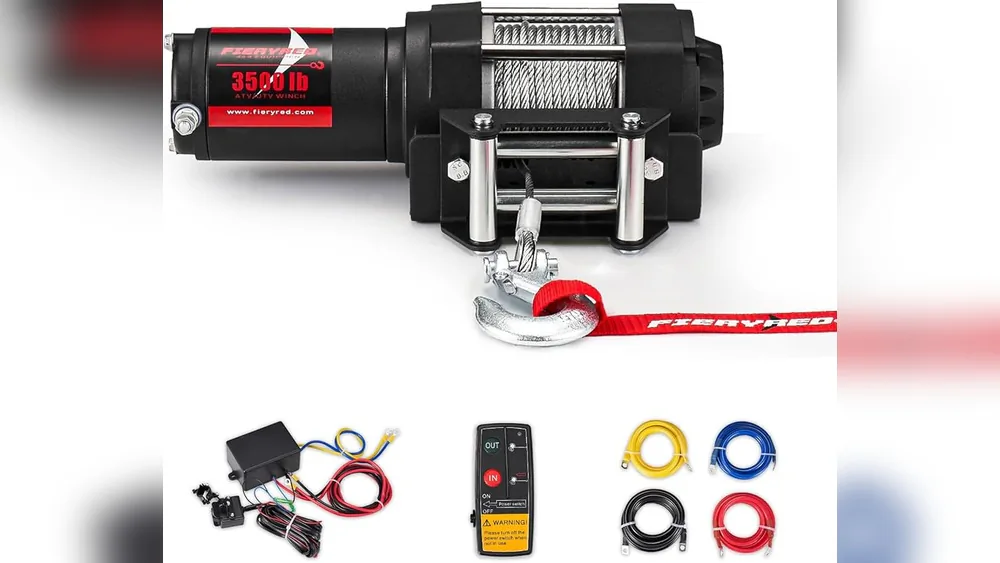
- Winch: The most powerful tool for self-recovery. Choose a winch rated at least 1.5 times your vehicle’s weight.
- Tow straps: Strong, flexible, and safer than chains. Get straps rated above your UTV or ATV’s weight.
- D-shackles: Used to connect straps to recovery points.
- Snatch block: Doubles your winch’s pulling power and lets you change pulling direction.
- Shovel: For clearing mud, sand, or snow around wheels.
- Tire repair kit: Fixes punctures on the trail.
- Hi-Lift jack: Lifts your vehicle for repairs or recovery.
- Traction boards: Help tires grip in mud, sand, or snow.
- Gloves: Protect your hands during recovery.
Many riders forget to check if their UTV or ATV has factory-installed recovery points. These are strong hooks or loops designed for pulling. If your machine doesn’t have them, install aftermarket ones before your trip.
Key Recovery Techniques
Each terrain needs a different approach. Here are the best methods for getting unstuck safely.
1. Winching
The winch is a lifesaver in deep mud or when you’re alone. First, attach the winch cable to a strong anchor—a tree, rock, or another vehicle. Use a tree saver strap to protect the tree. Pull slowly and keep your wheels straight. If the winch struggles, use a snatch block to reduce stress on the motor.
2. Towing With Straps
If you have a buddy, use a tow strap. Attach it to strong recovery points on both vehicles (never to bumpers or suspension arms). The towing vehicle should pull gently to avoid damage. Keep people clear of the strap in case it snaps.
3. Using Traction Boards
When stuck in sand or snow, traction boards can get you moving. Place them under the drive wheels and gently accelerate. Don’t spin your tires—this can melt the boards or dig you deeper.
4. Rocking The Vehicle
For light mud or snow, try rocking. Shift between forward and reverse, giving gentle throttle. This builds momentum and may free your tires.
5. Jack And Fill
If a wheel is buried, use a Hi-Lift jack to raise the vehicle. Fill the hole with rocks, wood, or sand, then lower the tire onto the firmer base. This old-school method works when no anchor is available.
6. Digging Out
A small shovel is worth its weight in gold. Digging out mud or snow from around your wheels reduces resistance. Sometimes, removing just a few inches of debris is enough.
7. Tire Pressure Adjustment
Lowering tire pressure increases surface area and grip in sand or snow. Drop to 5–8 psi, but re-inflate before driving at speed to avoid damaging the tire.
8. Kinetic Recovery
A kinetic rope stores energy when pulled. The towing vehicle gives a running start, and the rope’s stretch helps “pop” the stuck vehicle free. Use only with proper training—these ropes can snap dangerously.
9. Double Winching
For severe situations, use two winches or a winch and a strap in sequence. This spreads the load and increases pulling power.
10. Self-recovery With Anchors
If no natural anchor is nearby, bury a deadman anchor (like a spare tire or log) and attach your winch. This technique takes effort but works in open terrain.
Comparing Recovery Tools
The right tool depends on the situation. Here’s a quick comparison:
| Tool | Best For | Speed | Safety |
|---|---|---|---|
| Winch | Mud, steep hills | Fast | High (if used properly) |
| Tow strap | Sand, snow, mud | Medium | Medium |
| Traction boards | Sand, snow | Fast | Very high |
| Hi-Lift jack | Deep ruts, rocks | Slow | Medium |
Common Mistakes And How To Avoid Them
- Ignoring tire pressure: Many riders forget to adjust tires for terrain. Proper pressure prevents getting stuck.
- Choosing the wrong anchor point: Weak attachment points can break, causing injury.
- Standing near recovery lines: Always stay clear—cables and straps can snap under tension.
- Spinning tires: Excessive throttle just digs you deeper. Use gentle acceleration.
- Not carrying enough gear: One missing tool can ruin your day.

Credit: atvnotes.com
When To Call For Help
Despite your best efforts, sometimes self-recovery fails. If you’re in a remote area, have no cell service, or risk injury, it’s safer to wait for professional help. Let someone know your route in advance, and consider carrying a satellite communicator.
Practical Tips For Safe Recovery
- Inspect gear regularly: Check winch cables and straps for fraying.
- Work as a team: Communicate clearly if recovering with others.
- Plan your escape route: Before pulling, clear obstacles in your path.
- Practice at home: Try winching and using straps in a safe place before you need them.
- Stay calm: Rushing leads to mistakes. Assess the situation before acting.

Credit: www.amazon.com
Data: Vehicle Weight And Winch Size
Choosing the right winch size is critical. Here’s a quick reference:
| Vehicle Type | Average Weight (lbs) | Recommended Winch Size (lbs) |
|---|---|---|
| ATV | 500–900 | 1,500–2,500 |
| UTV (2-seater) | 1,000–1,400 | 2,500–3,500 |
| UTV (4-seater) | 1,400–2,000 | 3,500–4,500 |
Frequently Asked Questions
What Is The Safest Way To Use A Winch On A Utv Or Atv?
Always use gloves and a tree saver strap. Stand clear of the cable, and pull slowly. If possible, use a snatch block to reduce stress. Never hook the winch to itself—use a proper anchor.
Can I Use A Regular Car Tow Strap For My Atv?
No, car straps may not be rated for the lower weights and shock loads of ATVs. Use a strap made for powersports with the correct weight rating.
How Do I Avoid Getting Stuck In Mud Or Sand?
Keep up momentum, lower your tire pressure, and avoid sudden stops. Pick routes with firmer ground when possible. If you do stop, avoid spinning your tires.
What Should I Do If My Recovery Gear Breaks?
Stop recovery immediately. Assess the damage and use backup equipment if available. Never try to “make do” with unsafe gear.
Where Can I Learn More About Off-road Safety?
A great resource is the ATV Safety Institute. They offer training, guides, and videos for all experience levels.
Mastering UTV and ATV recovery techniques means you’ll spend less time stuck and more time exploring. With the right gear, practice, and knowledge, you can handle almost any situation the trail throws at you. Always ride prepared, and remember: smart recovery is safe recovery.

Credit: www.ebay.com
Related posts
 Why You Should Use a Foam Cannon for Car Washing: Ultimate Guide
Washing your car is more than just making it look good. It protects the paint, keeps the value high, and makes driving feel better. But if…
 How to Clean Leather Seats Without Damaging Them: Expert Tips
Keeping your leather seats clean can be a challenge. Leather looks beautiful and feels luxurious, but it needs special care. Many people worry about damaging their…
 Why Using a Ceramic Coating Spray is Important for Your Car’s Shine
If you care about your car’s appearance and value, you probably wash and wax it regularly. But did you know there’s a better way to protect…