Advantages of Using a Snatch Block for Off-Road Towing Explained
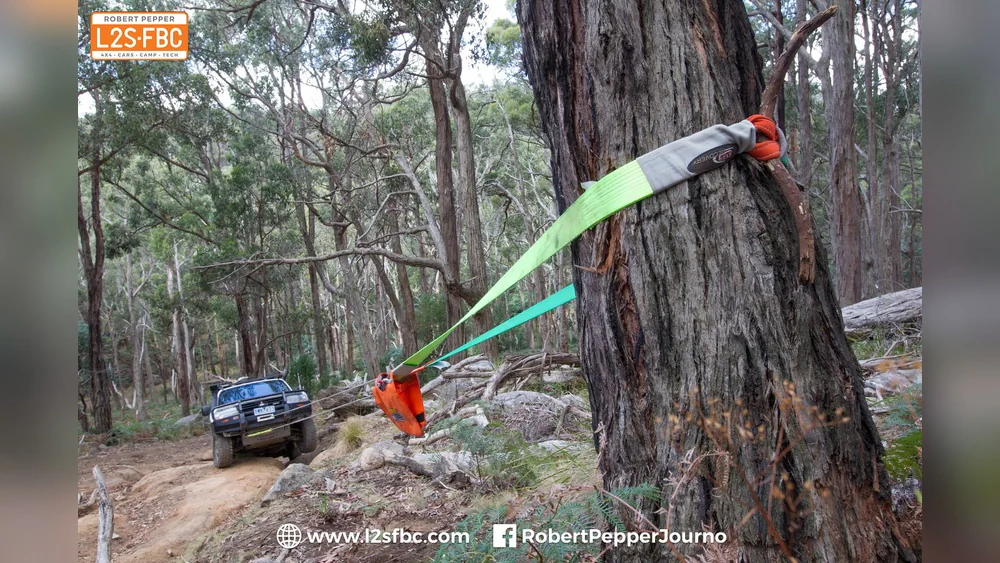
When your vehicle gets stuck off-road, having the right tools can make the difference between a simple recovery and a major headache. One tool that stands out for its effectiveness is the snatch block. Many off-roaders know the basics of winching, but few fully understand how a snatch block multiplies pulling power and adds safety. If you want to get the most from your winch and boost your chances of a successful recovery, learning about snatch blocks is essential.
What Is A Snatch Block?
A snatch block is a heavy-duty pulley designed for use with winches. It allows you to change the direction of the winch line, double your pulling power, and manage complex recovery situations. Off-road drivers use snatch blocks when a simple straight-line pull is not enough, or when they need to avoid obstacles.
Unlike a fixed pulley, a snatch block opens at the side, so you don’t have to remove the winch hook to fit the line. This makes it much quicker and safer to use in tough conditions.
Main Advantages Of Using A Snatch Block
1. Increased Pulling Power
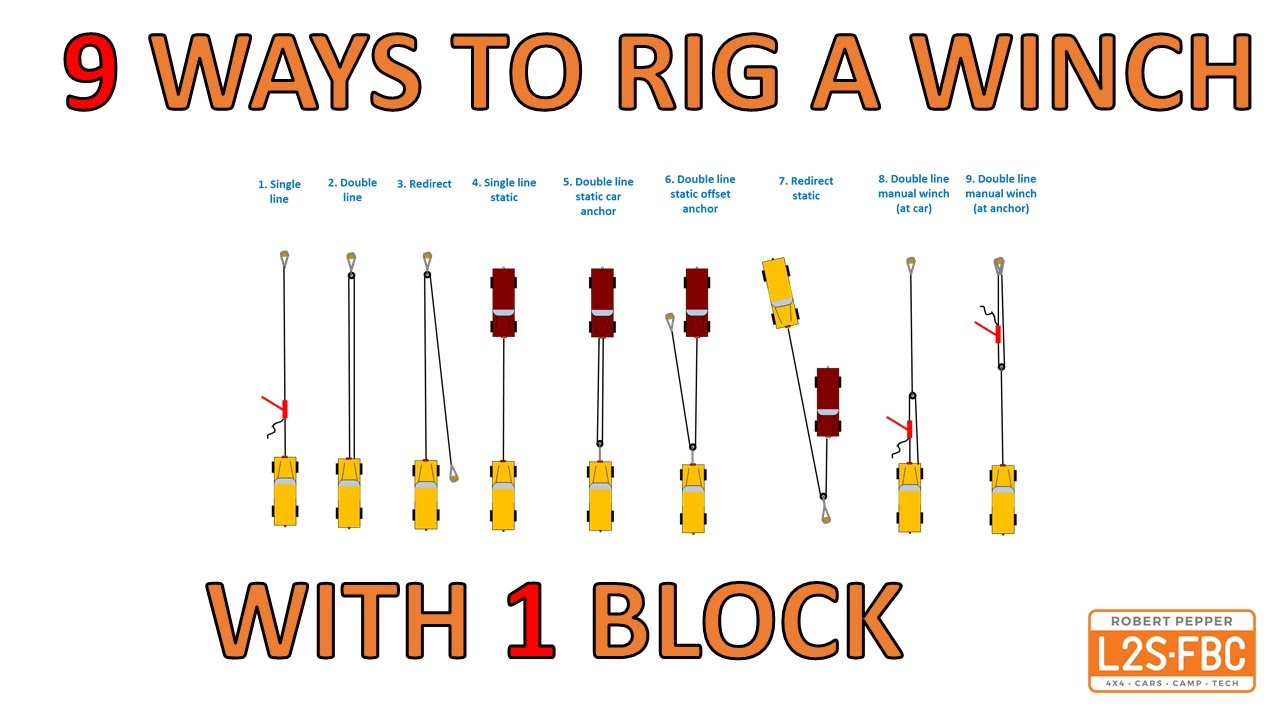
One of the biggest benefits is doubling your winch’s pulling force. When you run the winch line through a snatch block and back to your vehicle (called a double line pull), you cut the effort required to move your vehicle by half. For example, a 9,000 lb winch with a snatch block can pull up to 18,000 lbs in ideal conditions.
This is especially useful when:
- Recovering heavy vehicles like trucks or SUVs
- Dealing with mud, sand, or snow where resistance is high
- Your winch is close to its maximum load
2. Changing The Winch Line Direction
A snatch block lets you redirect the winch line around obstacles like trees, rocks, or ditches. This is vital in dense forests, steep terrain, or urban settings where a straight pull is impossible.
For example, if your vehicle is stuck in a ravine and the only anchor point is off to the side, a snatch block allows you to pull from an angle without straining your winch or cable. It also helps you avoid damaging your vehicle or the environment.
3. Reducing Winch Wear And Tear
Using a snatch block can reduce stress on your winch motor and cable. By splitting the load, the winch doesn’t have to work as hard, which means less heat and slower battery drain.
This extends the life of your winch and can prevent overheating during long or difficult recoveries. Less wear on the cable also means fewer breaks and a lower risk of accidents.
4. Improved Safety
A snatch block adds safety in several ways:
- The reduced load on the winch line makes it less likely to snap.
- Lower cable tension means less energy if the line fails, reducing the danger of recoil.
- It allows more controlled, gradual movements.
Many beginners overlook how much safer a recovery can be when the winch is not straining at full force. A snatch block is a simple way to protect yourself and your equipment.
5. Versatility In Recovery Setups
You can use snatch blocks for more than just basic recoveries. They make complex winching setups possible, such as:
- Pulling at angles for tricky extractions
- Creating mechanical advantage with multiple snatch blocks
- Self-recovery when no anchor is directly ahead
Some advanced off-roaders even carry two or three snatch blocks to handle the toughest situations.
6. Preventing Vehicle And Environmental Damage
Direct pulls can sometimes pull your vehicle sideways or into obstacles. With a snatch block, you can guide the vehicle in the safest direction, avoiding trees, rocks, or fragile ground.
This also reduces the chance of tearing up trails or damaging tree trunks used as anchor points. Some parks and trails now require snatch blocks to minimize environmental impact.
7. Compatibility With Different Winch Types
Snatch blocks work with steel cable or synthetic rope. Whether you have an electric or hydraulic winch, a snatch block can help improve performance and safety. Just be sure the snatch block matches your winch’s capacity.
8. Cost-effective Solution
Compared to buying a larger winch, a snatch block is much more affordable. For under $50–$100, you can double your winch’s power and versatility. Many experienced off-roaders consider a snatch block as important as the winch itself.
9. Easy To Use And Carry
Snatch blocks are compact and simple. They fit in most recovery kits and don’t require special tools to use. With just a few minutes of practice, even beginners can add a snatch block to their recovery setup.
Real-world Example: Using A Snatch Block In Mud
Imagine you’re stuck in deep mud. Your 4×4’s winch pulls with all its strength, but the wheels don’t move. By attaching a snatch block to a tree and looping the cable back to your vehicle, you double the pulling force.
This extra power can be the difference between success and calling for help.
Key Differences: Single Line Vs. Double Line Pull
Understanding the mechanical advantage is helpful. Here’s a quick comparison:
| Setup | Pulling Force | Cable Speed |
|---|---|---|
| Single Line Pull | 100% of winch rating | Faster |
| Double Line Pull (with Snatch Block) | 200% of winch rating | Slower |
A double line pull is slower because the winch must spool more cable, but the trade-off is much higher force.
Credit: www.youtube.com
How To Use A Snatch Block Safely
Proper use is important for safety and effectiveness. Here are the basic steps:
- Wear gloves to protect your hands.
- Open the snatch block and fit the winch line into the pulley.
- Attach the snatch block to a strong anchor point (like a tree with a tree saver strap).
- Run the winch line back to your vehicle or another anchor.
- Keep bystanders away from the line during recovery.
- Monitor the cable tension and snatch block alignment.
A common mistake is using a snatch block rated below your winch’s capacity. Always check the working load limit.
Comparing Snatch Block Vs. Winch Damper
Both tools add safety, but in different ways.
| Tool | Main Function | When to Use |
|---|---|---|
| Snatch Block | Increase pulling power, change direction | Heavy or angled pulls |
| Winch Damper | Reduce cable snapback | Any time winching |
For maximum safety, use both together.

Credit: www.liberia.ubuy.com
Common Snatch Block Myths
Some people think snatch blocks are only for experts or heavy trucks. In reality, they help in many situations, even with smaller SUVs or ATVs. Another myth is that they’re complicated to use. With a little practice, anyone can add a snatch block to their recovery routine.
Choosing The Right Snatch Block
Look for these features:
- Rated strength higher than your winch
- Sealed bearings for smooth operation
- Compatible with your cable type
- Corrosion resistance for outdoor use
Avoid buying the cheapest option if you plan regular off-roading. Quality matters for safety and reliability.

Credit: www.ubuy.mq
Frequently Asked Questions
How Does A Snatch Block Double My Winch’s Pulling Power?
A snatch block splits the force needed to move your vehicle, so the winch only does half the work. The cable runs from the winch, through the snatch block, and back to your vehicle, creating a mechanical advantage.
Can I Use A Snatch Block With Synthetic Winch Rope?
Yes. Most snatch blocks work with both steel cable and synthetic rope. Just check the manufacturer’s guidelines for compatibility.
Is It Safe To Use More Than One Snatch Block At The Same Time?
Yes, advanced recoveries sometimes use two or more snatch blocks to create more complex pulls or greater mechanical advantage. Always make sure each block is rated for the total load.
What Is The Difference Between A Snatch Block And A Pulley?
A snatch block is a type of pulley that opens at the side, making it easier to fit onto a winch line without unhooking. Regular pulleys may not open, making them less practical for off-road recovery.
Where Can I Learn More About Off-road Recovery Tools?
You can find more information on off-road recovery and the use of snatch blocks at the Wikipedia snatch block page.
A snatch block is one of the simplest, most powerful tools you can add to your off-road kit. It multiplies your winch’s strength, increases safety, and opens new options for tough recoveries. Whether you are a weekend explorer or a seasoned adventurer, understanding how and when to use a snatch block can keep you moving forward when the trail gets tough.
Related posts
 Why You Should Use a Foam Cannon for Car Washing: Ultimate Guide
Washing your car is more than just making it look good. It protects the paint, keeps the value high, and makes driving feel better. But if…
 How to Clean Leather Seats Without Damaging Them: Expert Tips
Keeping your leather seats clean can be a challenge. Leather looks beautiful and feels luxurious, but it needs special care. Many people worry about damaging their…
 Why Using a Ceramic Coating Spray is Important for Your Car’s Shine
If you care about your car’s appearance and value, you probably wash and wax it regularly. But did you know there’s a better way to protect…