Winch Line Dampeners and Their Role in Safe Off-Road Recovery
When you head off-road, you prepare for mud, rocks, and steep hills. But unexpected things happen. Getting stuck is common, and that’s when recovery gear comes into play. Most people think about winches and recovery straps, but one tool is often forgotten: the winch line dampener. It might look simple, but it plays a critical role in keeping everyone safe during off-road recovery.
What Is A Winch Line Dampener?
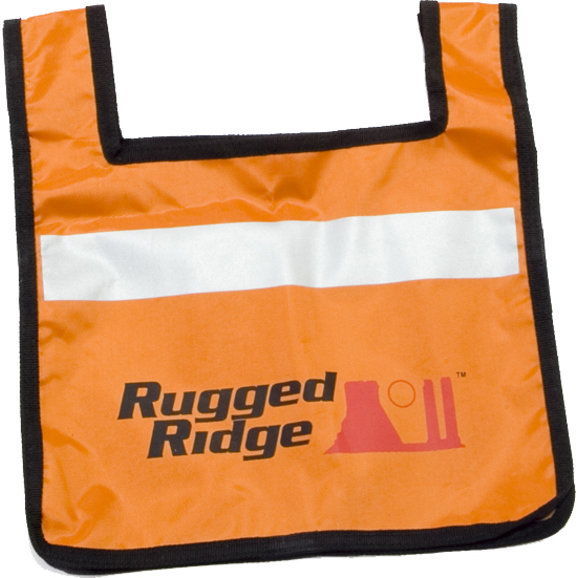
A winch line dampener is a safety device made from heavy fabric, rubber, or vinyl. You wrap it around the winch cable when pulling a stuck vehicle. Its main purpose is to absorb energy and weigh down the line in case it snaps under tension.
When a winch line breaks, it acts like a giant whip. The line can fly back at high speed, causing serious injury or even death. The dampener helps reduce this risk by dropping the line to the ground instead of letting it snap back dangerously.
Why Winch Line Dampeners Matter In Off-road Recovery
Safety is always the biggest concern during recovery. Winch lines are under huge stress, sometimes pulling several thousand pounds. If the line or hook fails, the energy released is enough to break windows, damage metal, or hurt people nearby.
Here’s why a winch line dampener is so important:
1. Reduces Snapback Risk
The dampener’s weight slows down the flying cable or rope. This means if something breaks, the line falls to the ground instead of whipping through the air.
2. Protects People And Vehicles
By absorbing the energy, the dampener keeps bystanders, drivers, and vehicles safer from flying debris.
3. Works With Steel Or Synthetic Lines
Both steel cables and synthetic ropes can store dangerous energy. Dampeners are needed for both types.
4. Often Required By Off-road Parks
Many organized off-road events or parks require dampeners for all winching activities.
Credit: www.quadratec.com
How Winch Line Dampeners Work
The idea is simple: more weight on the line means less energy gets released if it fails. The dampener is placed in the center of the cable or closest to any potential failure point, like a shackle or hook.
When you winch, the dampener hangs down, creating drag. If the line breaks, the dampener pulls the line to the ground, absorbing the shock and stopping the dangerous whip effect.
Let’s compare a winch line with and without a dampener:
| Scenario | Result |
|---|---|
| Winching with no dampener | Cable snaps back at high speed, may cause injury or damage |
| Winching with dampener | Cable drops to ground, reducing danger to people and vehicles |
Choosing The Right Winch Line Dampener
Not all dampeners are made the same. Here’s what you should look for:
Material And Weight
- Heavy-duty vinyl or canvas is best. It should be tough enough to handle rough conditions.
- The weight matters. Too light, and it won’t do its job. Most are between 2 and 6 pounds.
Size And Fit
- The dampener should be wide enough to wrap around the winch line easily.
- Some have Velcro or buckle closures for a secure fit.
Visibility
- Bright colors or reflective strips help others see the line, especially in low light.
Extra Features
Some dampeners have pockets to hold gear or tools. This adds more weight and makes them more useful.
Here’s a quick look at features compared:
| Feature | Why It Matters |
|---|---|
| Heavy material | Lasts longer, absorbs more energy |
| Bright color | Easy to see for safety |
| Pockets | Adds weight, stores tools |
| Secure closure | Stays on line during use |

Credit: www.amazon.ae
How To Use A Winch Line Dampener
Using a dampener is quick, but there’s a right way to do it:
- Stop winching before attaching. Never put your hands near a live winch line under load.
- Open the dampener and lay it flat.
- Wrap it around the middle of the winch line, or just above the most likely break point.
- Secure the closures (Velcro, snaps, or buckles).
- Continue winching from a safe distance, making sure everyone stands clear.
For extra safety, some people use two dampeners—one near the hook, one in the center. This adds more weight and further reduces risk.
Common Mistakes To Avoid
Many beginners overlook the small things that make a big difference in safety. Here are frequent mistakes:
- Not using a dampener at all. People often skip it, thinking nothing will go wrong.
- Placing it too close to the anchor point. If the line breaks elsewhere, the dampener won’t help.
- Using lightweight jackets or towels instead. These rarely add enough weight to be effective.
- Standing close to the winch line. Even with a dampener, always keep a safe distance.

Credit: www.gearamerica.com
Real-world Example: Why It Matters
A 4×4 club in Colorado reported an accident where a winch cable broke during a muddy hill recovery. Without a dampener, the line snapped back, shattered a window, and narrowly missed two people. After this, the club made dampeners mandatory.
Since then, they’ve had two line failures with no injuries—thanks to proper dampener use.
Are Winch Line Dampeners Required?
Some off-road events and parks, such as those managed by the Australian 4WD Association, require all vehicles to use dampeners for winching. Insurance companies may also ask about safety practices. Following best practices keeps everyone protected and shows you take recovery seriously.
For more technical details, you can check the guidelines published by the Winch Wikipedia page.
Winch Line Dampener Vs. Diy Alternatives
People sometimes use floor mats, jackets, or blankets instead of real dampeners. While better than nothing, they often don’t have enough weight or grip to stay in place.
| Option | Effectiveness | Risk Level |
|---|---|---|
| Winch line dampener | High | Low |
| Floor mat or jacket | Low to Medium | Medium |
| No dampener | None | High |
Final Thoughts
Recovering a stuck vehicle off-road is risky. The winch line dampener may look like a simple piece of gear, but it can be the difference between a safe recovery and a serious accident. Choosing a good dampener, using it every time, and placing it correctly are easy steps that protect you and your friends.
Never skip this small tool—it’s a must for every off-road kit.
Frequently Asked Questions
What Is The Main Purpose Of A Winch Line Dampener?
The main purpose is to reduce the risk of injury if a winch line breaks. It slows down and pulls the snapped line to the ground, preventing it from whipping dangerously.
Can I Use A Towel Or Blanket Instead Of A Dampener?
While better than nothing, a real winch line dampener is heavier and designed for the job. Towels or blankets often slide off or don’t absorb enough energy.
Do I Need A Dampener With Synthetic Winch Rope?
Yes. Synthetic ropes can still store a lot of energy and can snap back quickly. Always use a dampener with both steel and synthetic lines.
How Many Dampeners Should I Use?
One is standard, but some experts recommend using two for extra safety—especially with long lines or high loads.
Are Dampeners Required By Law?
Dampeners are not required by law everywhere, but many off-road parks and events make them mandatory for safety. Always check local rules before heading out.
Related posts
 Why You Should Use a Foam Cannon for Car Washing: Ultimate Guide
Washing your car is more than just making it look good. It protects the paint, keeps the value high, and makes driving feel better. But if…
 How to Clean Leather Seats Without Damaging Them: Expert Tips
Keeping your leather seats clean can be a challenge. Leather looks beautiful and feels luxurious, but it needs special care. Many people worry about damaging their…
 Why Using a Ceramic Coating Spray is Important for Your Car’s Shine
If you care about your car’s appearance and value, you probably wash and wax it regularly. But did you know there’s a better way to protect…