
Tips for Recovering a Vehicle With a Low Clearance Using a Winch Safely
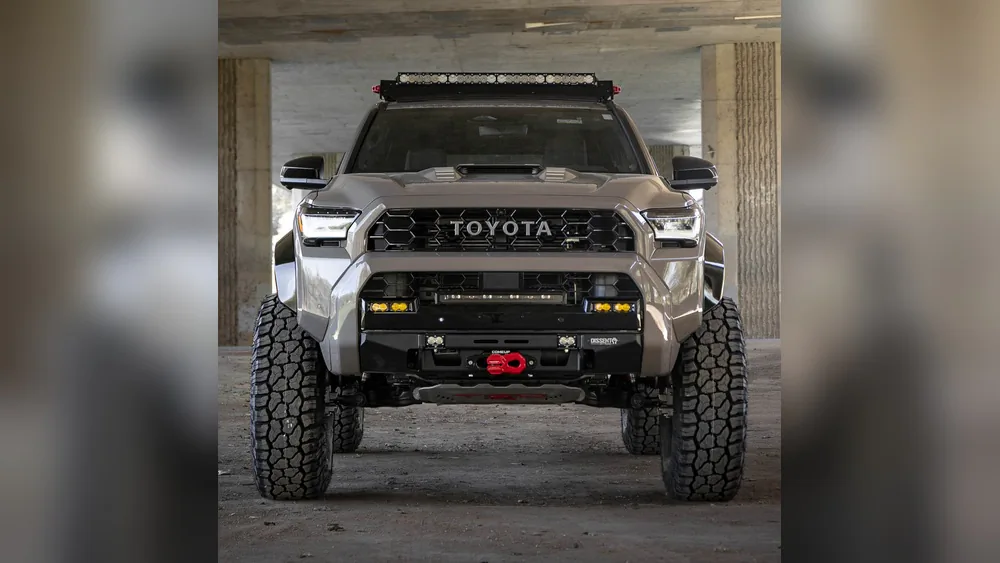
Getting stuck off-road is tough for any vehicle owner, but if you drive a car, crossover, or any vehicle with low clearance, recovery becomes even more challenging. A winch can save the day, but using it incorrectly may damage your car or get you even more stuck. Recovering a low-clearance vehicle requires a careful approach, the right equipment, and knowledge of common pitfalls. This guide will walk you through the safest and most effective ways to recover your vehicle with a winch, offering advice that goes beyond the basics.
Understanding Low Clearance Recovery Challenges
Low-clearance vehicles—like sedans, sports cars, or some SUVs—sit closer to the ground. This design helps with fuel efficiency and handling but makes off-road recovery harder. The risk of damaging the undercarriage, bumpers, or suspension is much higher. Mud, sand, snow, or even a deep pothole can quickly trap a low vehicle. Knowing what makes these recoveries different is the first step to a safe and successful winching operation.
Preparation Before Winching
Before you even touch the winch controls, take these important steps:
- Assess the Situation: Get out of the vehicle and inspect the terrain. Look at where your tires are, how deep you’re stuck, and what’s around you. This helps you choose the safest direction for recovery.
- Clear Debris: Remove mud, rocks, or sand from around the tires and underbody if possible. Even a few inches can make a big difference.
- Identify Safe Recovery Points: Never attach a winch to bumpers, tie-down loops, or suspension parts. Use only factory recovery points or a properly installed recovery hitch. If you’re not sure, check your vehicle’s manual.
- Protect the Undercarriage: Place a traction board, shovel, or even thick floor mats under the tires or along the path to help the vehicle climb up and out.
- Plan the Pull: Decide where you want the vehicle to go, how far, and what obstacles are in the way. A straight-line pull is safest, but sometimes an angle is necessary.

Credit: www.amazon.com
Choosing The Right Winch And Accessories
Not every winch is made for every vehicle. For low-clearance recoveries, the right gear is essential.
| Accessory | Why It Matters | Key Feature |
|---|---|---|
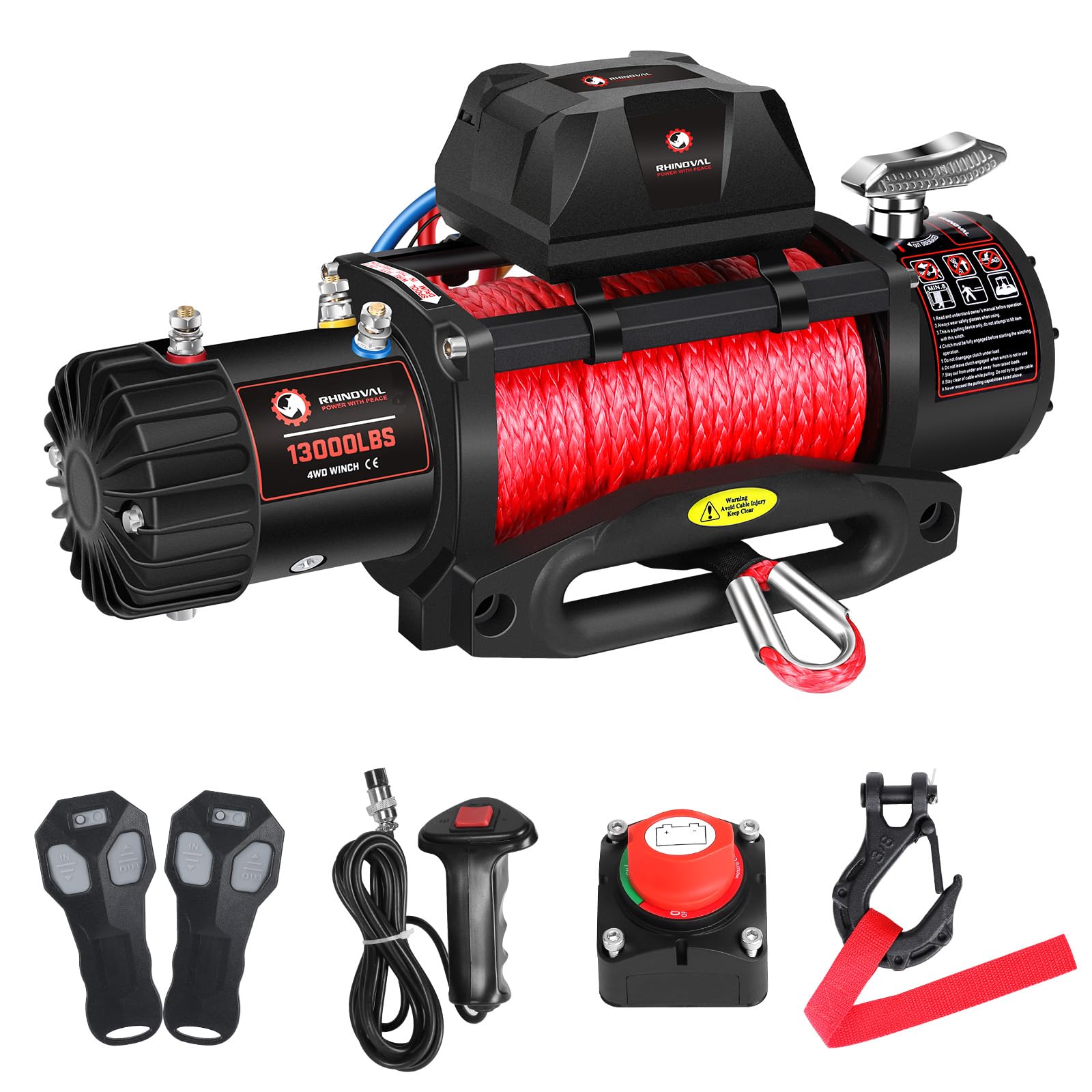
| Winch with Synthetic Rope | Lighter and safer if it snaps | Reduces risk of damage to bodywork |
| Snatch Block | Allows angled pulls and doubles winch power | Works with low mounting points |
| Soft Shackles | Avoid scratches and are easy to use | Gentle on recovery points |
| Tree Protector Strap | Protects anchor points | Prevents damage to trees or poles |
Pro tip: Avoid using steel cables for low-clearance vehicles. They’re heavy and can snap back dangerously if something breaks.
Setting Up The Winch For Low-clearance Vehicles
A careful setup is vital. Small mistakes can lead to expensive damage or injuries.
- Anchor Selection: Find a solid anchor—tree, big rock, or another vehicle. If nothing is close, use a ground anchor designed for winching.
- Low-Angle Pull: Keep the winch line as low to the ground as possible. High angles can lift the car’s front, digging the back deeper or scraping bumpers.
- Winch Line Routing: Check that the line doesn’t touch the bumper, grille, or undercarriage. Use a winch line dampener to reduce snapback risk.
- Snatch Block Use: If you need to pull at an angle, run the line through a snatch block. This lets you guide the car around obstacles and reduce stress on the winch.
- Double-Check Connections: Make sure shackles and hooks are properly locked and that nothing is pinching brake lines or wires.
Safe Winching Techniques
With everything set up, it’s time to recover your vehicle. Here’s how to do it step by step:
- Communicate Clearly: If you’re with others, establish hand signals or use radios. Everyone should know the plan.
- Tension the Line Slowly: Start pulling gently to avoid sudden jerks. Watch how the vehicle moves and listen for unusual noises.
- Monitor the Clearance: As the vehicle starts to move, make sure nothing is dragging or catching underneath. Have a spotter check from the side if possible.
- Small Movements: Winch in short bursts. Stop to check your progress, clear debris, and adjust the direction if needed.
- Use Traction Aids: If the tires spin, add traction boards, sand ladders, or mats under the wheels for extra grip.
- Avoid Overheating: Winches can get hot quickly. Take breaks to let the motor cool down, especially if you’re pulling a heavy car out of mud or sand.
- Final Few Inches: The last bit is often the hardest. Go extra slow to prevent bottoming out or hitting obstacles.
Important insight: Don’t let anyone stand near the winch line or between the vehicle and the anchor during recovery. Even a slow pull can turn a snapped line into a deadly whip.
Common Mistakes And How To Avoid Them
Many vehicle owners make the same errors during their first winch recovery. Here’s how to avoid them:
- Using the Wrong Recovery Point: Always use manufacturer-approved points. Bumpers and tie-downs are not strong enough and can break off.
- Ignoring Line Tension: Over-tightening the winch line can cause it to snap or overload the winch. Use only as much force as needed.
- Skipping Undercarriage Checks: Low vehicles can easily get snagged on rocks or roots. Always check underneath before and during winching.
- Forgetting to Use a Dampener: A dampener (even a heavy jacket) placed over the line will absorb energy if the line breaks.
- Rushing the Process: Patience is key. Fast, careless pulling increases the risk of damage.

Credit: www.myteeproducts.com
Practical Tips For Low-clearance Recovery
Here are some often-overlooked tips that can make recovery safer and easier:
- Lower Tire Pressure: Dropping PSI by 5–10 can make tires “float” better on sand or mud, reducing resistance.
- Use the Floor Mats: If you don’t have traction boards, car mats can give your tires a little more grip to get moving.
- Lift the Vehicle Slightly: A small jack (like a bottle jack with a wide base) can raise the car enough to place boards or rocks under the tires.
- Winch in Reverse: Sometimes, pulling backward is easier and causes less underbody damage, especially if the front is buried.
- Protect Paintwork: Use towels or foam between hooks and body panels to avoid scratches from moving cables or straps.
Real-life Example: Recovering A Sports Sedan
Imagine a sports sedan stuck in a sandy shoulder. The car’s low front bumper is nearly touching the ground, and spinning the wheels just digs deeper. Here’s how a careful winch recovery might go:
- Assessment: The driver checks under the car—nothing is broken, but the bumper is close to scraping.
- Preparation: Sand is shoveled away from the wheels and under the bumper. Soft shackles are used on factory recovery points.
- Setup: A tree 20 feet ahead is selected as the anchor. A tree saver strap and a snatch block are attached to reduce the pulling angle.
- Execution: The winch line is slowly tensioned. Traction mats are placed under the front tires. The car inches forward in short bursts, with a spotter guiding from the side.
- Success: The car climbs onto firmer ground with no damage. The driver checks the undercarriage before driving off.
This example shows that with patience and the right tools, even a low-slung car can be recovered safely.
Winching In Different Conditions
Low-clearance recoveries change depending on where you’re stuck.
| Terrain | Special Challenge | Best Practice |
|---|---|---|
| Mud | Deep suction, risk of sinking deeper | Clear mud under body, use wide boards |
| Sand | Tires dig in fast, little traction | Lower tire pressure, use sand ladders |
| Snow | Slippery, hidden obstacles | Dig around tires, check for ice under car |
| Rocky Trails | Snagging undercarriage, sharp edges | Guide winch line carefully, protect cables |
No matter the terrain, always adjust your approach to match the conditions.
Essential Safety Reminders
Winching can be dangerous if you ignore safety:
- Wear gloves when handling winch lines, even synthetic ones.
- Never straddle the winch cable while operating.
- Keep bystanders at least 1.5 times the length of the winch line away from the recovery area.
- Check gear ratings to ensure shackles, straps, and hooks are strong enough for your vehicle’s weight.
- Inspect equipment before each use for frayed cables, bent hooks, or worn shackles.
Maintaining Your Winch And Recovery Gear
Proper maintenance keeps your winch and accessories ready when you need them. After every recovery:
- Rinse mud, sand, or salt off the winch and rope.
- Let synthetic lines dry completely to prevent mold.
- Store gear in a clean, dry bag.
- Check electrical connections for corrosion or looseness.
- Lubricate snatch blocks and shackles as needed.
A well-maintained winch is safer and more reliable, especially for low-clearance vehicle recoveries.
When To Seek Professional Help
Sometimes, a situation is too risky to handle alone. Call for a tow or recovery team if:
- The vehicle is teetering on an edge or at risk of rolling.
- You cannot find a safe anchor point.
- The car is stuck in deep water or flooding.
- The undercarriage is badly damaged or leaking fluids.
Professionals have heavy-duty gear and training for these dangerous situations. It’s better to wait than to risk injury or permanent vehicle damage.
Credit: www.amazon.com
Frequently Asked Questions
What Is “low Clearance” For A Vehicle?
Low clearance means the distance between the bottom of your vehicle and the ground is small—often less than 6 inches (15 cm). Sports cars, sedans, and some hybrid SUVs are common examples. This makes them more likely to get stuck on uneven or soft surfaces.
Can I Use Any Winch For A Low-clearance Vehicle?
No. Choose a winch with enough pulling power for your vehicle’s weight (usually 1.5 times the car’s gross weight). Use a synthetic rope and low-profile mounting to avoid extra obstacles underneath. Always check the manufacturer’s recommendations.
What If My Car Doesn’t Have Factory Recovery Points?
If your vehicle lacks factory recovery points, avoid winching until you can install proper ones. Using bumpers or tie-down loops is unsafe. Many companies offer bolt-on recovery hooks or hitches for popular models. For more details, visit this vehicle recovery guide.
How Can I Reduce The Risk Of Damaging My Car During Winch Recovery?
Plan your pull path carefully, use soft shackles, protect the undercarriage with boards or mats, and go slowly. Always check for obstacles before moving the car and use a spotter if possible.
Why Should I Use A Snatch Block When Winching?
A snatch block doubles your winch’s pulling power and lets you change the direction of the pull. This is helpful for low-clearance vehicles because you can guide the car around obstacles and reduce the chance of dragging or scraping the body.
Recovering a vehicle with low clearance using a winch takes more planning, patience, and care than most off-road rescues. With the right approach and equipment, you can get back on the road safely—and without expensive repairs.
Related posts
 Why You Should Use a Foam Cannon for Car Washing: Ultimate Guide
Washing your car is more than just making it look good. It protects the paint, keeps the value high, and makes driving feel better. But if…
 How to Clean Leather Seats Without Damaging Them: Expert Tips
Keeping your leather seats clean can be a challenge. Leather looks beautiful and feels luxurious, but it needs special care. Many people worry about damaging their…
 Why Using a Ceramic Coating Spray is Important for Your Car’s Shine
If you care about your car’s appearance and value, you probably wash and wax it regularly. But did you know there’s a better way to protect…