Winch Snatch Recovery Ring Sizing Guide: Choose the Right Fit
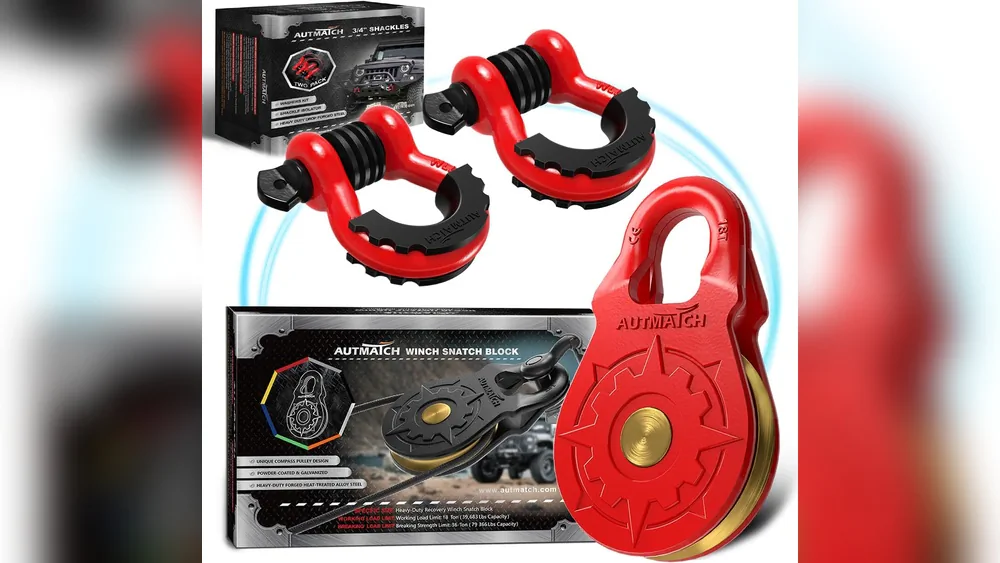
Winch Snatch Recovery Ring Sizing Guide
Getting stuck off-road is a part of the adventure, but recovery can quickly turn stressful if you don’t have the right gear. One tool that’s changed the game for many is the winch snatch recovery ring. It’s lighter and simpler than the old-school snatch block, making it a favorite among 4×4 enthusiasts. But, for your gear to work safely, you need the right size ring for your winch and vehicle. Choosing the wrong size can mean poor performance or even equipment failure. If you’re unsure how to pick the right snatch ring, this guide walks you through everything: from sizing basics to real-world examples and common mistakes you should avoid.
What Is A Winch Snatch Recovery Ring?
A winch snatch recovery ring is a round, smooth pulley made from strong metal or aluminum. It’s used with a synthetic rope and a soft shackle to change the direction of your winch line or double your pulling power. Unlike traditional snatch blocks, rings are smaller, lighter, and have no moving parts. This means less maintenance and easier storage. But their compact size also means you must match the ring’s strength and size to your gear.
Why Sizing Matters
Using the correct size recovery ring isn’t just about convenience—it’s about safety. The ring takes massive forces during a recovery operation. If it’s too small, it can damage your winch line or even break under load. If it’s too big, the line might slip, or the ring won’t fit your shackles properly.
A well-sized ring keeps your recovery safe, efficient, and protects your expensive winch rope.
Key Factors When Choosing A Snatch Recovery Ring
Not all rings are made equal. Here’s what you need to check before you buy:
1. Working Load Limit (wll)
The working load limit is the maximum weight the ring can handle during normal use. Always choose a ring with a WLL equal to or higher than your winch’s maximum pulling power. For example, if your winch is rated for 12,000 lbs (about 5,443 kg), your ring should match or exceed this. Some experts recommend a safety margin—choose a ring with a WLL 1.5 to 2 times higher than your winch for extra safety.
2. Rope Diameter Compatibility
The groove in the ring must fit your synthetic winch line. Most recovery rings support ropes from 7mm to 13mm (about 5/16″ to 1/2″). Using a ring with too narrow a groove can pinch or damage your rope. On the other hand, a groove that’s too wide might not guide the rope smoothly.
3. Ring Outer Diameter
Larger rings can handle bigger ropes and higher loads, but they’re heavier and take up more space. For most 4×4 vehicles, rings with a 3. 5″ to 5″ (90mm to 127mm) outer diameter are common. Compact vehicles might use smaller rings, while heavy-duty trucks could need larger options.
4. Material And Build Quality
High-quality rings are usually made from aircraft-grade aluminum or similarly strong alloys. They’re often anodized for corrosion resistance and smoother rope movement. Don’t be tempted by cheap, unbranded options—they might not stand up to real-world loads.
5. Soft Shackle Compatibility
Snatch rings are designed to be used with soft shackles (synthetic rope connectors). Make sure the ring’s center hole is large enough for your shackle to pass through, but not so large that it causes sloppy movement.
Common Snatch Recovery Ring Sizes And Their Uses
Let’s break down the most popular sizes and where they fit best:
| Ring Size (Outer Diameter) | Rope Size Compatibility | Typical WLL | Best For |
|---|---|---|---|
| 3.5″ (90mm) | 7-10mm | 10,000-14,000 lbs | Mid-size SUVs, ATVs, UTVs |
| 4.5″ (114mm) | 10-12mm | 15,000-18,000 lbs | Full-size 4x4s, Overland rigs |
| 5″ (127mm) | 12-13mm | 20,000+ lbs | Heavy-duty trucks, Expedition vehicles |
The numbers above are guidelines. Always check the actual specs from your ring’s manufacturer.
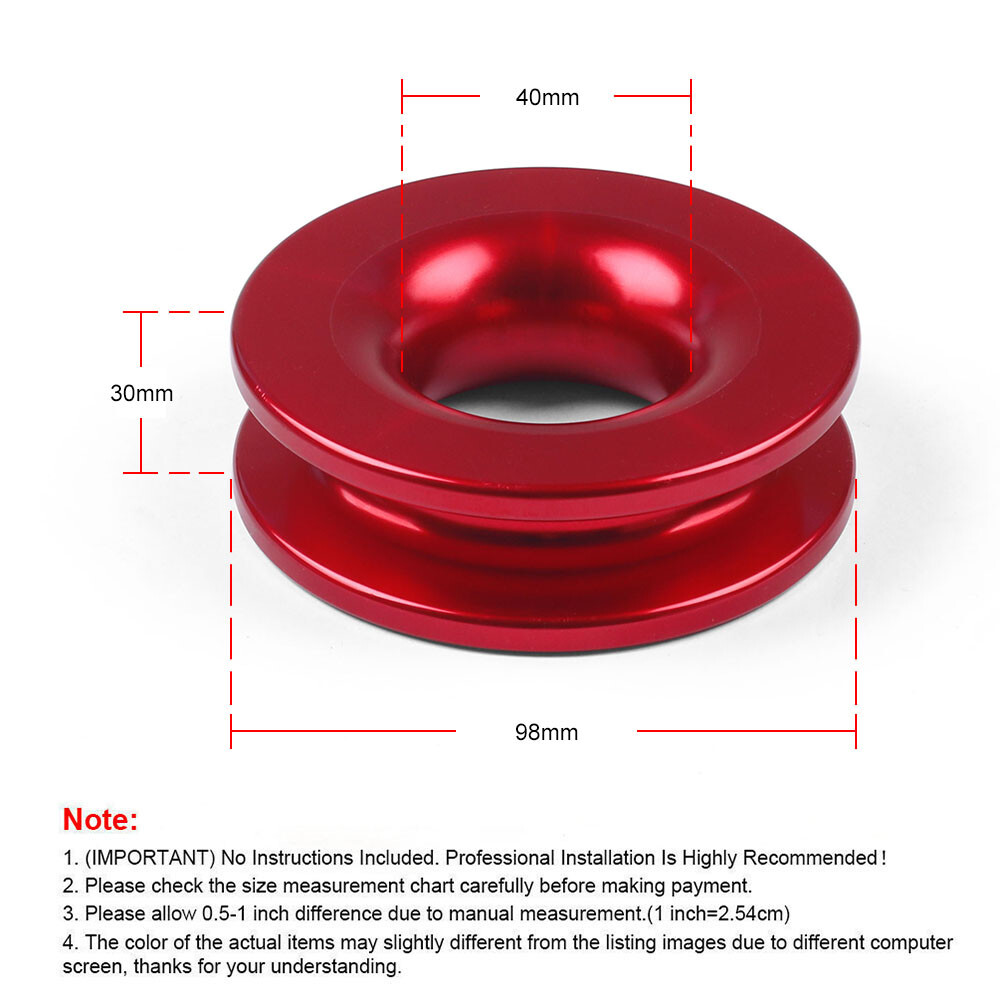
Credit: www.ebay.com
How To Choose The Right Size For Your Needs
Follow these practical steps:
- Check your winch rating: Find the maximum line pull on your winch’s spec sheet.
- Know your rope size: Measure or check what size synthetic rope is on your winch.
- Match the ring: Pick a ring with a WLL equal to or higher than your winch and with a groove that fits your rope snugly.
- Check shackle fit: Make sure your soft shackle fits through the ring’s center comfortably.
Example: Real-world Sizing
Imagine you drive a Toyota Land Cruiser with a 12,000 lbs winch and a 10mm synthetic rope.
- Your best match: A 4.5″ ring with a 10-12mm groove, WLL of at least 15,000 lbs.
- Soft shackle: 10-12mm diameter, fits the ring’s center hole.
This setup gives you a strong, safe, and smooth recovery system.
Snatch Ring Vs. Traditional Snatch Block
It’s easy to get confused between these two tools. Here’s a quick comparison:
| Feature | Snatch Recovery Ring | Traditional Snatch Block |
|---|---|---|
| Weight | Light (under 1 lb) | Heavy (2-5 lbs) |
| Moving Parts | None | Yes (pulley & pin) |
| Maintenance | Low | Needs regular checks |
| Rope Type | Synthetic only | Synthetic or steel |
| Ease of Use | Very simple | More setup time |
Most off-roaders now prefer snatch rings for lightweight setups with synthetic ropes. If you use steel cable, stick to a traditional block.
Sizing Mistakes To Avoid
Many people make errors that can lead to gear failure. Here are two common pitfalls:
- Ignoring safety margins: Choosing a ring with a WLL that barely matches your winch is risky. Always allow extra capacity.
- Forgetting rope stretch: Synthetic ropes can stretch under load, increasing the force on the ring. Undersized rings can crack or deform.
Another overlooked detail: using a ring with a rough or unpolished groove. This can damage your rope and shorten its life.
Signs You Chose The Wrong Size
If you notice any of these, rethink your ring choice:
- The winch rope doesn’t sit smoothly in the ring groove.
- The soft shackle is too tight or loose in the center hole.
- The ring shows scratches, dents, or deformation after use.
Never ignore early signs of wear—failure under load can be dangerous.
Practical Tips For Getting The Most Out Of Your Snatch Recovery Ring
- Lubricate the ring groove lightly with silicone spray for smoother rope movement.
- After each use, inspect the ring for cracks or rough spots.
- Store your ring in a soft pouch to avoid scratches.
- Use only with synthetic winch lines; steel cables can damage the ring and are not compatible.
When To Upsize Or Downsize Your Ring
- Upsize if you often recover larger vehicles or use double-line pulls.
- Downsize if you only recover lighter vehicles and want to save space and weight.
- If you switch to a thicker winch rope, check that your ring groove matches the new diameter.

Credit: rallitek.com
Real-world Data: Popular Snatch Ring Models
Here’s a look at popular rings and their specs.
| Brand/Model | Outer Diameter | Rope Range | WLL |
|---|---|---|---|
| Factor 55 Rope Retention Pulley | 4.5″ (114mm) | 10-12mm | 22,000 lbs |
| ARB Recovery Ring | 5″ (127mm) | 10-13mm | 22,000 lbs |
| Safe-Xtract SX-RR | 3.5″ (90mm) | 7-10mm | 14,700 lbs |
Choose a reputable brand whenever possible. Cheap, untested rings may not provide the safety ratings they claim.
How To Use A Snatch Recovery Ring Safely
- Loop your soft shackle through a secure anchor point (like a tree saver strap).
- Place the snatch ring inside the shackle loop.
- Run your synthetic winch rope through the ring groove.
- Close and lock the shackle.
- Start winching slowly, checking that the rope moves freely through the ring.
Always stand clear of the recovery area and use a dampener on the line for added safety.
Maintenance And Inspection
- Check the ring for scratches, cracks, or sharp edges before each use.
- Clean with mild soap and water; avoid harsh chemicals.
- Replace immediately if you see any damage or excessive wear.
Non-obvious Insights To Remember
- The performance of your winch system depends on the weakest component. Even if your ring is strong, an undersized shackle or old winch line can cause failure.
- Not all “snatch rings” sold online are rated for recovery. Some are only for light-duty applications. Always check for proper certifications and test ratings.
Where To Buy And Learn More
Look for recovery rings at reputable 4×4 accessory shops or trusted online retailers. For deep technical details and standards, you can visit the Wikipedia page on winches.
Frequently Asked Questions
What Size Snatch Recovery Ring Do I Need For A 12,000 Lb Winch?
Choose a ring with a working load limit of at least 15,000 lbs and a groove that matches your winch rope (usually 10-12mm). A 4.5″ ring is a common fit for this setup.
Can I Use A Snatch Ring With Steel Cable?
No. Snatch recovery rings are designed for synthetic ropes only. Steel cables can damage the ring and may slip or bind dangerously.
How Do I Know If My Soft Shackle Will Fit The Ring?
Check that the shackle’s diameter is less than the ring’s center hole. Most rings are designed for 10-12mm soft shackles, but always confirm the exact measurements.
Is A Bigger Ring Always Better?
Not always. Larger rings handle bigger loads but are heavier and bulkier. Match the ring size to your winch, rope, and vehicle. Oversized rings can be overkill for smaller vehicles.
How Often Should I Inspect My Snatch Recovery Ring?
Inspect before and after every use. Look for cracks, rough spots, or deformation. If you see any damage, replace the ring immediately to ensure safety.
A well-chosen, properly sized winch snatch recovery ring makes off-road recovery safer, faster, and simpler. Take the time to match your gear carefully, and you’ll be ready for anything the trail throws at you.

Credit: thecrowninnderbyshire.co.uk
Related posts
 Why You Should Use a Foam Cannon for Car Washing: Ultimate Guide
Washing your car is more than just making it look good. It protects the paint, keeps the value high, and makes driving feel better. But if…
 How to Clean Leather Seats Without Damaging Them: Expert Tips
Keeping your leather seats clean can be a challenge. Leather looks beautiful and feels luxurious, but it needs special care. Many people worry about damaging their…
 Why Using a Ceramic Coating Spray is Important for Your Car’s Shine
If you care about your car’s appearance and value, you probably wash and wax it regularly. But did you know there’s a better way to protect…