
Jeep Wrangler Wind Noise Explained
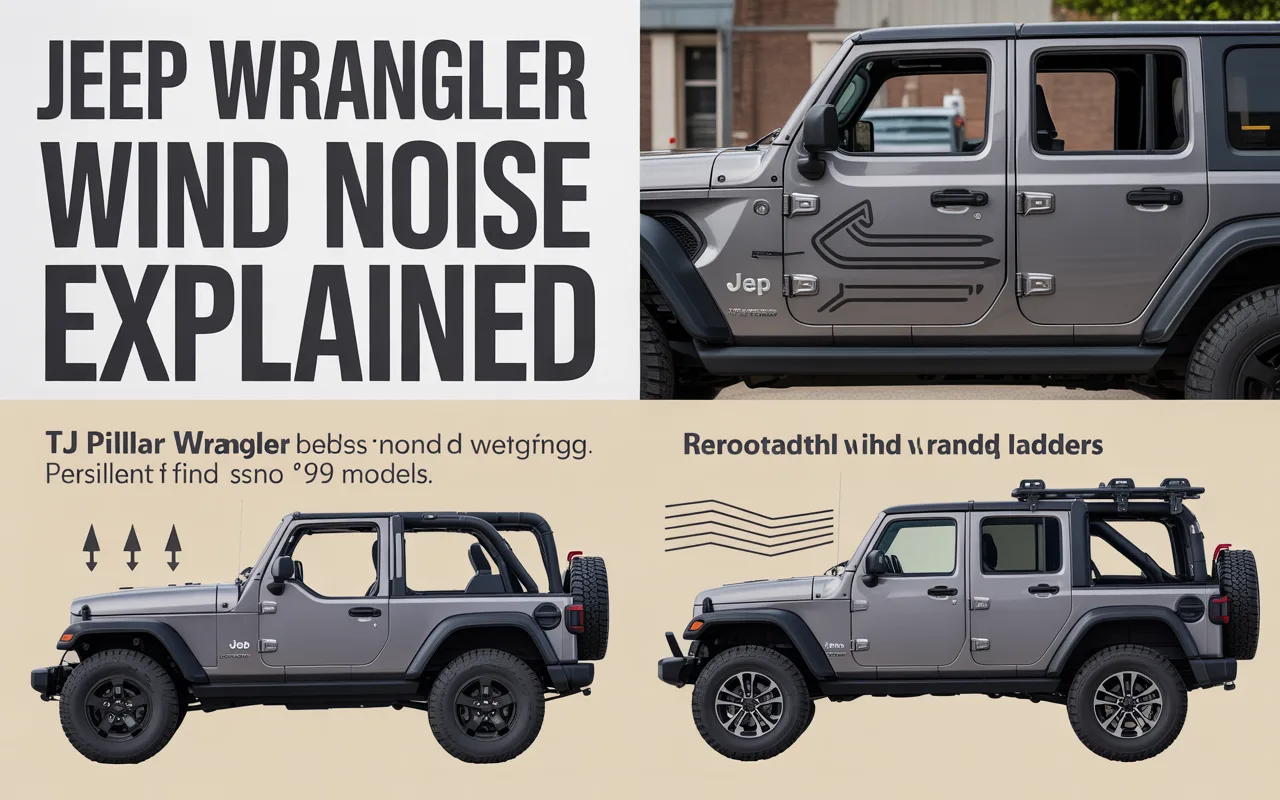
If you own a Jeep, you have likely searched for “jeep wrangler wind noise explained” at some point. The noise comes from the boxy shape, removable panels, and seals. We explain why it happens and show you simple fixes to make your cabin quieter.
If you own a Jeep Wrangler, you already know the feeling. You are cruising down the highway, trying to enjoy a podcast or a conversation with your passenger, and all you can hear is that loud rushing air. It is one of the most talked-about topics in the Jeep community. New owners are often surprised by it, while veteran owners have just learned to live with it.
But here is the good news. You do not have to just accept the noise. In this article, we are going to get jeep wrangler wind noise explained in plain English. We will look at why your Jeep sounds like a wind tunnel at 65 miles per hour and, more importantly, what you can actually do about it. Whether you drive a JK, a JL, or an older TJ, these tips will help you get a quieter, more enjoyable ride.
The Real Reason Your Jeep Is So Loud
Let us start with the basics. If you are coming from a sedan or a luxury SUV, the Wrangler is a completely different animal. It is not built like a regular car, and that is exactly why we love them. But that design comes with a trade-off.
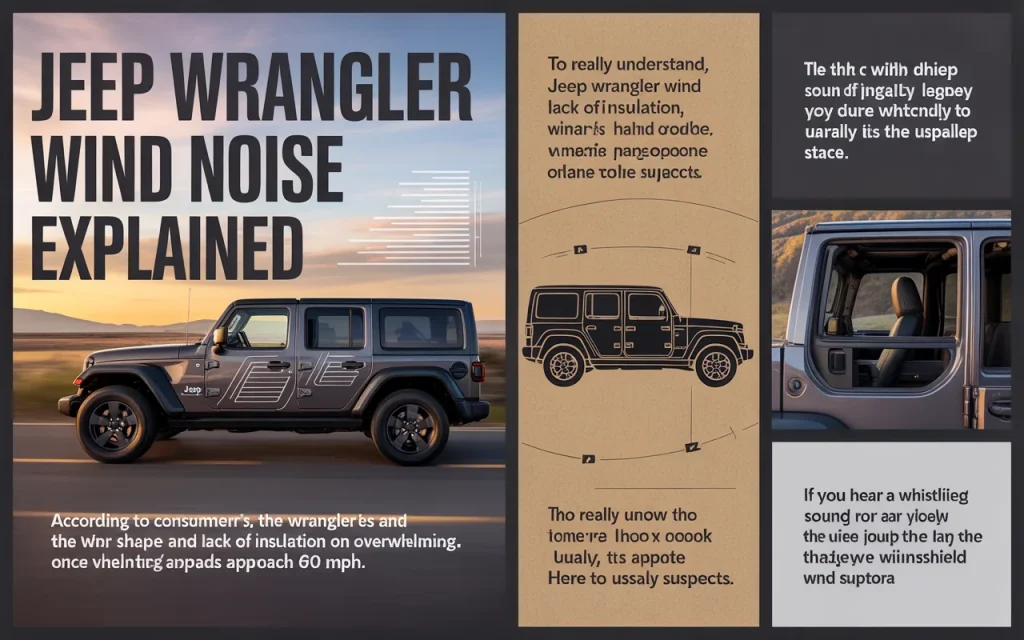
According to Consumer Reports, the Wrangler’s boxy shape and lack of insulation mean that “wind noise is overwhelming once speeds approach 60 mph” . Top Gear echoes this, listing “noticeable wind noise” as one of the few bad things about an otherwise great vehicle . It is not a flaw in manufacturing; it is a feature of the design.
The Wrangler is essentially a Lego set for adults. You can take the doors off, remove the roof, and even fold down the windshield. All those removable parts meet together with rubber seals and plastic trim. Over time, or even straight from the factory, these seals can be the main entry points for noise.
Common Culprits of Wind Noise
To really understand jeep wrangler wind noise explained, you have to know where to look. The noise is rarely coming from one single place. Usually, it is a combination of factors. Here are the usual suspects.
The Freedom Panels and Hardtop Seals
For those with a hardtop, the Freedom Panels are often the number one source of noise. These are the two removable panels just above the driver and passenger seats.
If you hear a whistling sound or a loud roar right above your ear, the issue is likely the seal between the panel and the windshield frame. A user on the JL Wrangler Forums named Alex shared his struggle with a 2024 model. He tried everything, from taping gaps to adjusting latches. Eventually, a dealership found the cause was a “FAILED HEADER SEAL” . Even on a brand new Jeep, seals can sometimes be the problem.
The Windshield and A-Pillar Area
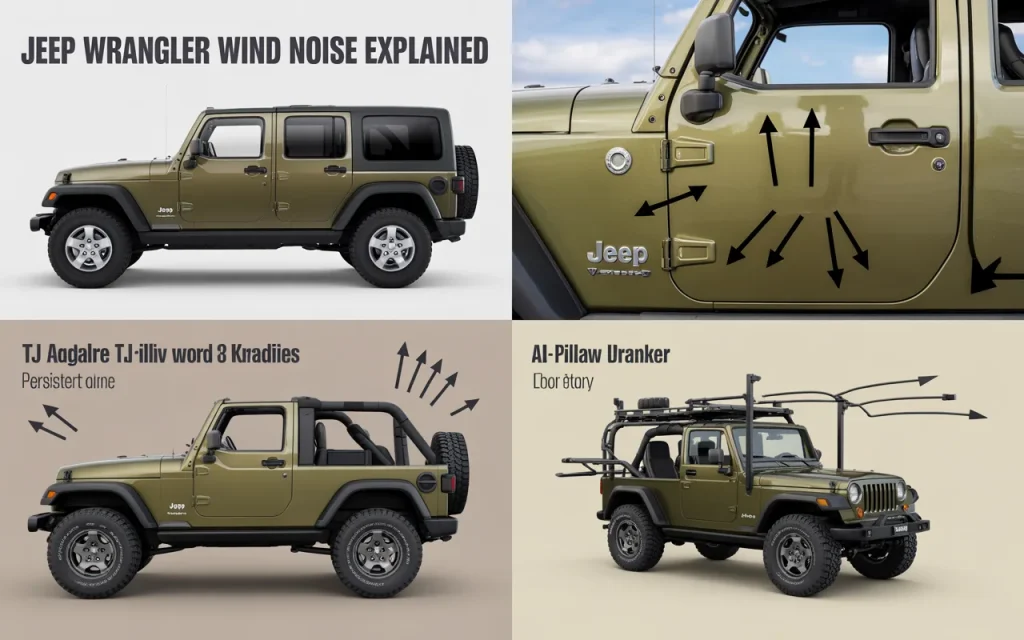
The A-pillars are the vertical supports on either side of the windshield. Because the Wrangler has a nearly flat windshield, air does not flow smoothly around it like it does on a car. Instead, it slams into the pillars.
On older models, like the TJ, this area is notoriously bad. One forum user mentioned that on their 99 Wrangler, the noise from the A-pillars is persistent . Sometimes, the issue is actually the triangle-shaped trim piece on the outside of the front windows. If that piece is loose or missing the proper adhesive, it will create a high-pitched whistle.
Aftermarket Add-Ons
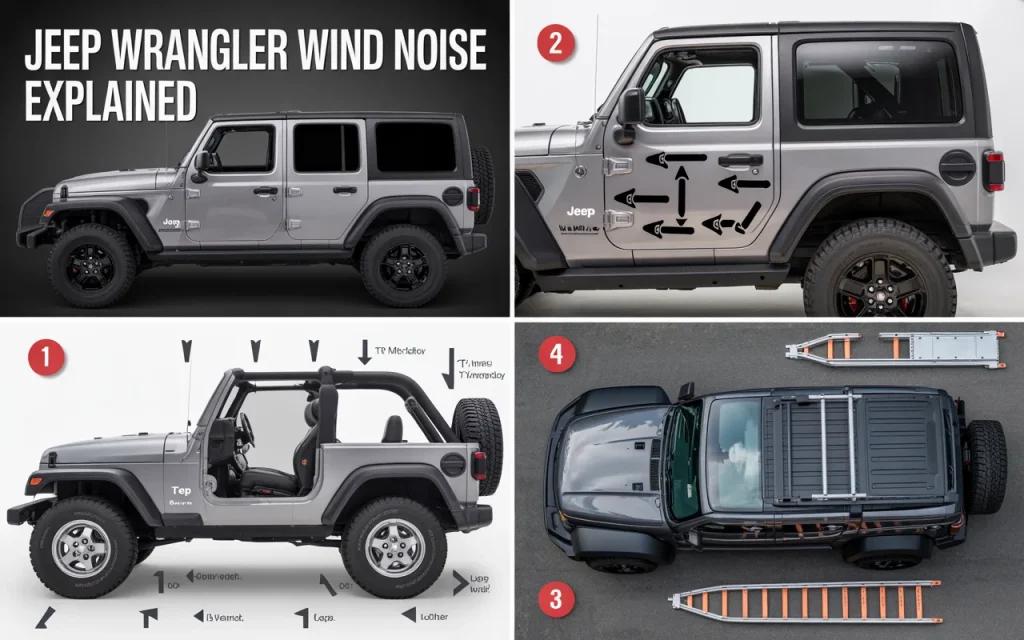
We all love to accessorize our Jeeps. But those accessories come at a cost. Roof racks, light bars, and ladders look amazing, but they are terrible for aerodynamics.
A user from a Japanese forum noted that after installing a Smittybilt roof rack and ladder on their Unlimited Sahara, the wind noise on the highway became very noticeable . They eventually removed the rack and noted that the cabin became “dramatically quieter” . Light bars are another big one. If you mount a light bar above the windshield, the wind catching the cooling fins on the back can create a loud whistling or vibrating noise .
Door Fitment and Window Seals
Sometimes, the noise is not coming from the roof at all, but from the doors. If your door is not aligned perfectly, or if the weather stripping has worn down, air will force its way through the gap.
One Jeep owner, John, described a strange plastic vibrating noise that only happened at highway speeds or when going over dips in the road. He suspected that the body of the Jeep was flexing slightly, causing the air to sneak in through the door frame . If the window is slightly out of alignment, or if the seal around the window has shrunk, that will also let noise in.
Simple Fixes You Can Do This Weekend
Now that we have jeep wrangler wind noise explained, let us talk about solutions. You do not need to be a mechanic to make your Jeep quieter. Many of these fixes are simple and inexpensive.
Check and Lubricate All Seals
Rubber seals dry out over time. When they dry out, they harden and shrink, creating tiny gaps. The solution is to keep them soft and supple.
You can buy a product like silicone grease or a rubber care kit. Apply it to all the seals around the doors, the Freedom Panels, and the tailgate. This is a tip echoed by experienced mechanics, who suggest using specific greases to “revive” old door seals . Doing this twice a year will help the seals maintain a tight fit.
Adjust the Freedom Panel Latches
If your noise is coming from above, check the latches on your Freedom Panels. Over time, the constant heat and cold can cause the panels to expand and contract. This loosens the latch tension.
Joe, a long-time Wrangler owner on the forums, suggests checking the screws on the latches. He mentioned that his needed almost “half a turn to snug up” . He recommends checking these every six months. You can also try putting a small spacer under the latch to make it pull the panel down tighter.
Install a Headliner
One of the best investments you can make for a hardtop Wrangler is a headliner. This is basically a layer of foam and fabric that sticks to the inside of your hardtop and Freedom Panels.
According to CJ Pony Parts, adding a headliner is “the easiest way to reduce overall noise on a hardtop Jeep” . It does not just block sound; it also insulates against heat and cold. It makes a huge difference in how the cabin sounds, especially at highway speeds. It absorbs the echo and makes the music sound better too.
Remove Unnecessary Gear
This one hurts a little, but it works. If you use your Jeep as a daily driver and you spend a lot of time on the highway, consider taking off the roof rack, the light bar, or the ladder when you are not actually using them for a trip.
As one user noted, removing a roof rack made the Jeep “dramatically quieter” . You can always put the gear back on when you plan a weekend camping trip. For daily commuting, a stock roofline is your best friend.
The Tape Trick for Diagnosis
If you cannot figure out where the noise is coming from, there is a clever trick used by mechanics. You will need some blue painter’s tape.
Cover up the seams you suspect are causing the noise. For example, tape over the gap between the Freedom Panel and the windshield frame. Tape along the edge of the door. Then, take the Jeep for a drive. If the noise goes away, you have found your leak. You can then remove the tape and focus on fixing that specific seal or adjusting that panel .
| Problem Area | Quick Fix |
|---|---|
| Freedom Panels | Tighten the latch screws; check the header seal for damage. |
| Windshield/A-Pillar | Re-seat the exterior triangle trim piece with fresh adhesive tape. |
| Aftermarket Racks | Remove the rack or light bar if you do not need it for daily driving. |
| Door Seals | Clean and treat rubber seals with a conditioner to keep them soft. |
Hardtop vs. Soft Top: Which is Quieter?
There is a common belief that a hardtop is always quieter than a soft top. The truth is a bit more complicated.
A hardtop provides a solid, rigid shell. It does not flap or vibrate. However, the hardtop has more rigid panels that meet together, and if those seals are not perfect, the noise can be very specific and loud. In fact, some owners argue that an old, mismatched hardtop can be worse than a soft top .
A soft top, especially the factory premium twill tops on newer JL models, has come a long way. They are actually quite good at damping sound. However, soft tops can suffer from “flapping” in high winds, and the plastic windows can sometimes vibrate.
If you currently have a soft top and want it quieter, make sure it is properly tensioned. If the fabric is old and stretched out, it might be time for a replacement. A mechanic from YourMechanic noted that for soft tops, the excessive noise is often caused by “a weather strip on the outside of the doors that has worn out” rather than the top itself .
Is It Just Wind, Or Something Else?
Sometimes what we call “wind noise” is actually a mix of sounds. When you are driving, you are hearing a combination of wind, tires, and engine. As we covered earlier, switching to street-focused tires can make a big difference. Knobby off-road tires are loud because of the tread pattern, and that sound travels right through the floorboards.
To combat this, some owners go as far as installing floor insulation like Dynamat . This involves removing the seats and carpet to lay down sound-deadening material. It is a bigger project, but if you want a luxury-car quiet ride, it is the way to go.
| Noise Reduction Method | Estimated Difficulty | Primary Benefit |
|---|---|---|
| Rubber Seal Treatment | Easy (1/10) | Restores seal flexibility to close tiny gaps. |
| Headliner Installation | Easy (2/10) | Absorbs echo and blocks noise from the roof. |
| Remove Roof Rack | Easy (1/10) | Eliminates turbulence caused by aftermarket gear. |
| Floor Insulation | Hard (8/10) | Blocks road noise from tires and pavement. |
Frequently Asked Questions
Is it normal for a Jeep Wrangler to have wind noise?
Yes, it is completely normal. Due to its boxy shape and removable parts, the Wrangler is inherently less aerodynamic than a standard car. Some noise is expected, especially at highway speeds.
Why does my Jeep Wrangler whistle when I drive?
A whistling sound usually means air is forcing its way through a very small gap. Common causes are the triangle trim piece on the side of the windshield, the top corner of the door seal, or a gap in the Freedom Panel seals.
Will a headliner really make a difference?
Absolutely. A headliner adds a layer of sound-absorbing material to the hardtop. It reduces echo and blocks a significant amount of the wind noise coming through the roof panels. Many owners say it is the best money they have spent.
Can a roof rack cause wind noise?
Yes. Roof racks and ladders disrupt the airflow over the Jeep. They can create a loud roaring or humming sound. If you do not need the rack for your daily commute, removing it is an easy way to lower the noise level.
How do I find out where the wind is coming in?
You can use the blue painter’s tape method. Tape over the seals and gaps you suspect are leaking. Drive the car. If the noise stops, you have found the area. You can then check that specific seal for damage or looseness.
Conclusion
So, there you have it. Jeep wrangler wind noise explained is really about understanding the unique personality of your vehicle. It is a boxy, rugged, modular machine that prioritizes off-road fun over on-road silence. But that does not mean you have to suffer through loud highway drives.
By taking a systematic approach, you can identify where your specific noise is coming from. Start with the simple stuff. Check those Freedom Panel latches, treat your rubber seals with conditioner, and maybe take that light bar off for the work week. If you want to go further, a headliner is a fantastic upgrade.
Remember, a little bit of wind noise is just part of the charm. It is the sound of freedom. But if it is bothering you, now you have the tools and the knowledge to fight back. Happy trails, and here is to quieter drives ahead.
Related posts
 Best Car Mats for All-Weather Use 2026: Top Picks for Every Driver
Keeping your car clean is tough, especially when rain, mud, and snow are involved. That’s where the best car mats for all-weather use make a difference.…
 Best Custom-Fit Floor Mats for Nissan Titan: Top Picks 2026
These custom-fit mats provide reliable coverage and help protect your Nissan Titan’s interior from dirt and spills. It’s Monday morning, you’re rushing out the door with…
 Best Car Cleaning Wipes for Interior: A Buyer’s Guide
Discover the best car cleaning wipes for your interior. Compare options for dashboards, leather, and tough stains to keep your car spotless and well-maintained. Keeping your…