Jeep Wrangler Accessory Buying Guide
If you are looking for a trusted Jeep Wrangler accessory buying guide, this article walks you through the best modifications for protection, comfort, and off-road performance. Find exactly what your Jeep needs.
So you finally got your Jeep Wrangler. Maybe it is a brand new 2025 model, or perhaps you picked up a trusted JK from a few years ago. Either way, you are now part of a community that understands a simple truth: a Jeep is never really finished. It is a blank canvas, and the way you equip it says a lot about how you plan to use it.
Walking into a Jeep dealership or browsing online can be a bit overwhelming. There are shelves full of parts, and thousands of options on the internet. What do you actually need? What is just for looks? And more importantly, what should you buy first?
I have spent years driving and modifying Wranglers, and I have made plenty of mistakes along the way. I bought things that looked cool but broke on the first trail ride. I also skipped some basic protection parts that ended up costing me money in repairs later.
This Jeep Wrangler accessory buying guide is designed to help you avoid those same mistakes. We will talk about real-world use, quality parts, and how to spend your money wisely. Whether you drive a Rubicon, a Sahara, or a base Sport, this advice applies to you.
Why a Smart Buying Plan Matters for Your Wrangler
Before we start listing parts, let us talk about the big picture. A Jeep is different from other vehicles. You can modify it a thousand different ways, but not every modification works well with every other modification.
For example, putting on huge tires sounds fun. But if you do not have the right gears or suspension, the Jeep will drive poorly on the street and may even break on the trail. You have to think about the whole system.
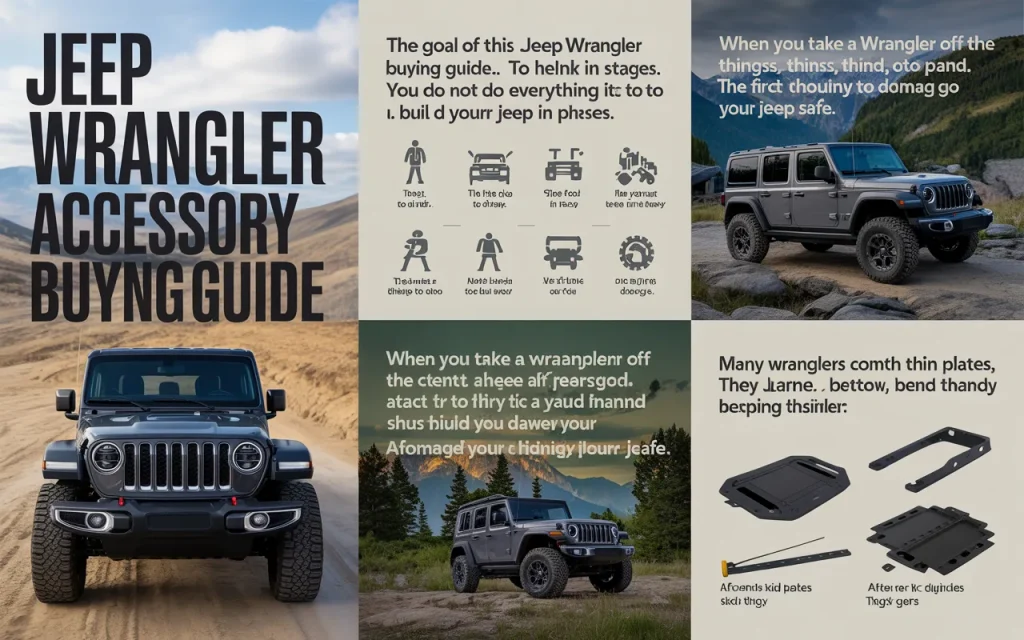
The goal of this Jeep Wrangler accessory buying guide is to help you think in stages. You do not have to do everything at once. In fact, it is better to build your Jeep in phases. Start with protection, then move to performance, and finally add comfort and style.
I remember talking to a mechanic who works on nothing but Jeeps. He told me something that always stuck with me.
“The most expensive Jeep you can build is the one you have to build twice. Buy once, cry once. Cheap parts fail, and when they fail on the trail, they can take other expensive parts with them.” – *Mark Thompson, Off-Road Mechanic for 20 years*
That is good advice. Let us look at the parts that matter most.
Phase One: Must-Have Protection Accessories
When you take a Wrangler off the pavement, things get tight. Rocks, tree branches, and mud all try to damage your vehicle. The first money you spend should go toward keeping your Jeep safe.
Rock Sliders and Side Armor
The sides of a Wrangler stick out. They are wide, and when you go over a rock or through a rut, that rocker panel is the first thing to hit. Factory side steps look nice, but they are not strong enough to hold the weight of the Jeep.
Rock sliders bolt directly to the frame. They are made of thick steel. If the Jeep slides onto a rock, the slider takes the hit. The body panels stay straight. Some sliders also work as a step, which is nice for daily use. If you plan to run serious trails, get frame-mounted sliders. Do not get the ones that only bolt to the body. They will push into the sheet metal and cause damage.
Skid Plates
Underneath the Jeep, there are expensive parts. The oil pan, the transmission, and the transfer case are all exposed. A rock that hits the oil pan can end your trip fast.
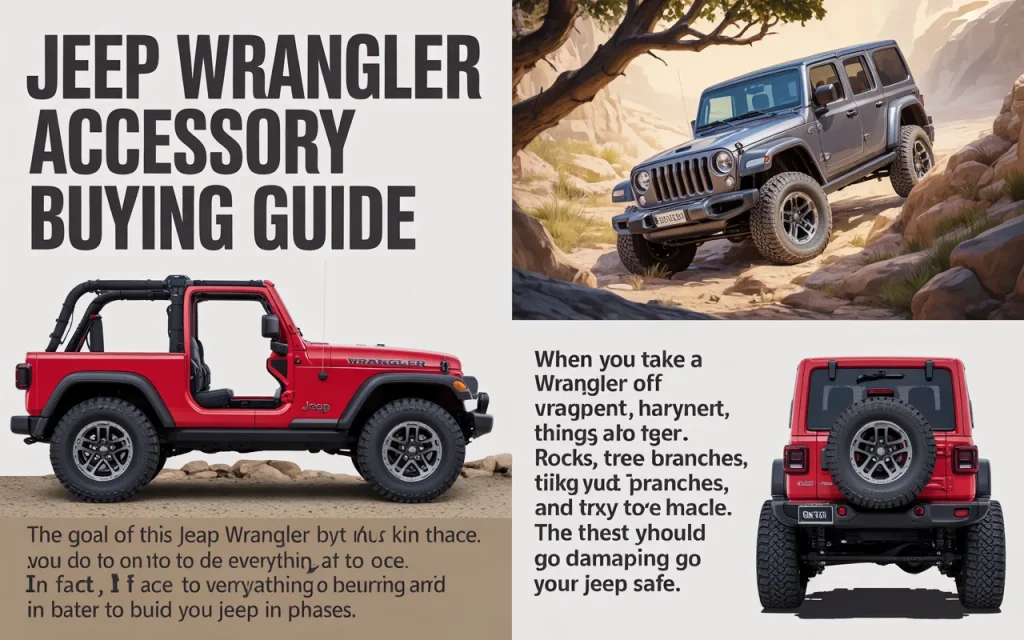
Many Wranglers come with thin skid plates from the factory. They are better than nothing, but they bend easily. Aftermarket skid plates are thicker. They use better steel. They also cover more area. If you are building a Jeep for off-road use, upgrading the skid plates is a smart move. Look for plates that cover the entire belly of the Jeep.
Differential Covers
The differentials are the lowest hanging parts on the axle. They stick out and love to find rocks. The factory covers are stamped steel. They are thin. A good hit can crack the cover, and then all the gear oil drains out. That leads to a broken differential.
Heavy-duty differential covers are a popular upgrade. They are made from cast iron or thick steel. They also add extra oil capacity, which helps keep the gears cool on long trails. Many of them have a magnetic dipstick or drain plug to catch metal particles.
Quick Comparison: Factory vs. Heavy-Duty Diff Covers
| Feature | Factory Cover | Heavy-Duty Aftermarket Cover |
|---|---|---|
| Material | Thin stamped steel | Cast iron or thick plate steel |
| Impact Resistance | Low; bends or cracks easily | High; deflects rocks |
| Oil Capacity | Standard | Increased; helps cooling |
| Maintenance | No drain plug | Includes magnetic drain plug |
| Long-term Value | Replace if damaged | Protects gears, lasts forever |
Phase Two: Performance Upgrades for Real Capability
Once the underside is protected, you can start thinking about making the Jeep work better. This is where the fun really begins. But you still need to follow a plan.
Choosing the Right Tires
Tires are the most important part of any off-road vehicle. You can have a winch, lockers, and a lift, but if your tires cannot grip, you are not going anywhere.
There are two main types of off-road tires you will see. All-Terrain tires, or A/T, are good for mixed use. They work well on the highway, they are quiet, and they last a long time. In mud or loose dirt, they are okay, but not great.
Mud-Terrain tires, or M/T, are the opposite. They have big, open tread blocks. They clean out mud better and grip rocks like glue. But on the highway, they are louder and they wear faster.
For most people who drive their Jeep daily and hit the trail on weekends, a modern A/T tire is the best choice. They have come a long way in the last few years. If you live where it rains a lot or you deal with snow, look for tires with the Three-Peak Mountain Snowflake rating.
Lift Kits: How Much Do You Really Need?
This is where a lot of people get excited and go too big. A 6-inch lift with 37-inch tires looks amazing. But it also changes how the Jeep drives. It raises the center of gravity. It puts stress on drive shafts and ball joints.
If you are new to Jeeps, a smaller lift is often better. A 2-inch to 3-inch lift allows you to run 33-inch or 35-inch tires. That is plenty of size for most trails. The Jeep will still handle well on the highway. You will not have to re-gear the axles right away, which saves money.
When you buy a lift kit, pay attention to what is included. A good kit has new springs, shocks, control arms, and track bars. Cheap kits just space out the suspension and cause problems with axle alignment.
Winches and Recovery Gear
If you go off-road alone, or even with friends, a winch is a security blanket. It is how you get out when you are stuck and nobody can pull you out.
Winches are rated by pounds of pull. You want a winch that is rated at least 1.5 times the weight of your Jeep. For a heavy four-door Wrangler, that means a 10,000-pound winch or more.
Synthetic rope is better than steel cable. It is lighter, and if it breaks, it does not whip back with the same deadly force as steel. You also need recovery gear like shackles, a tree strap, and gloves. A winch without the right rigging is not very useful.
“I have pulled Jeeps out of ditches, mud pits, and even off of big rocks. A winch is not just for show. It is the difference between driving home and walking home. But you have to know how to use it safely. That is just as important as owning it.” – Sarah Jenkins, Off-Road Recovery Trainer
Phase Three: Interior Comfort and Daily Usability
Not every modification is for the trail. You have to drive this vehicle every day. Making the inside comfortable and practical makes ownership much better.
Floor Liners and Seat Covers
The factory carpet in a Wrangler is nice, but it does not like mud, sand, or water. Once the top comes off, the interior is exposed to everything.
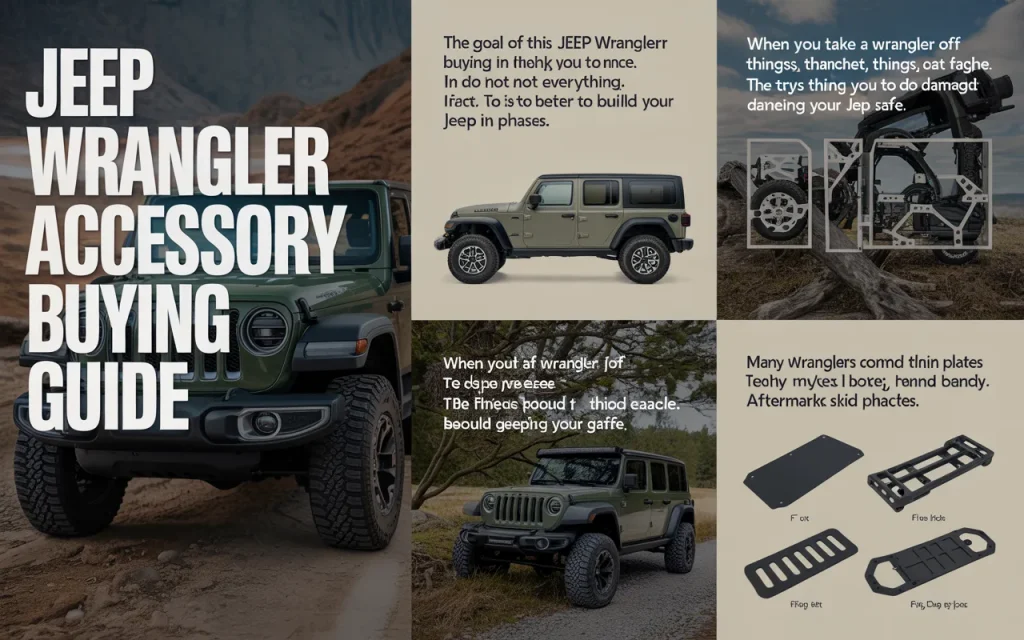
All-weather floor liners are a simple fix. They are custom molded to fit the floor pans. They have high edges to catch water and dirt. When they get dirty, you pull them out and hose them off. Husky Liners and similar brands make great products that fit perfectly .
Seat covers are another smart investment. The sun damages fabric over time. Mud stains it. If you have dogs, seat covers are a must. Look for covers made from durable material like neoprene or Cordura nylon. They should fit tight and not slide around .
Storage Solutions
A Wrangler does not have a traditional trunk. When the top is off, everything in the cab is visible. If you park in public, that is a problem.
Lockable storage is the answer. There are metal boxes that fit under the rear seat. There are locking consoles that replace the factory armrest. Some companies make lockable drawers for the cargo area. These are great for keeping valuables safe when you are away from the Jeep .
Lighting Upgrades
Factory headlights on older Wranglers, especially the JK models, are not very good. Halogen lights look dim compared to modern cars.
Switching to LED headlights is a big improvement. LED lights are brighter, they use less power, and they last a long time. They also throw a beam of light that looks more like daylight, which reduces eye strain at night .
You can also add auxiliary lights. Fog lights, ditch lights, or a light bar on the bumper can help when you are on dark trails. Just remember to check your local laws about off-road lights on public streets.
Simple Add-Ons That Make a Difference
Sometimes the small things matter the most. A dead pedal gives your left foot a place to rest on long drives. It reduces fatigue .
Grab handles help passengers get in, especially if you have a lift kit. They also give people something to hold onto when the trail gets bumpy .
A stubby antenna replaces the long, whippy factory antenna. It looks cleaner and does not hit garage doors or tree branches .
Simple Upgrades You Can Do in an Hour
| Accessory | Main Benefit | Install Time |
|---|---|---|
| Floor Liners | Protects carpet from mud and spills | 5 minutes |
| Stubby Antenna | Cleaner look, avoids snagging branches | 2 minutes |
| Grab Handles | Easier entry, passenger safety | 10-15 minutes |
| Dead Pedal | Left foot comfort on highway | 20 minutes |
| Door Sill Guards | Protects paint from shoes | 10 minutes |
Phase Four: Exterior Style and Function
The outside of your Jeep is what everyone sees. It is also what interacts with the world. Good exterior parts add function while improving the look.
Bumpers
Factory bumpers are usually plastic or thin steel. They are fine for the street, but on the trail, they bend and crack.
Steel aftermarket bumpers are much stronger. A front bumper can hold a winch. It also provides a place to mount lights. Look for a bumper that has a winch plate built in, even if you do not buy the winch right away. That way you are ready for the future.
Rear bumpers often have corners that wrap around the tail lights. This adds protection in that area. Some rear bumpers also have tire carriers built in. If you plan to run a larger spare tire, the factory tailgate hinge may not hold it. A bumper with a tire carrier takes the weight off the tailgate.
Fender Flares
Larger tires stick out past the factory fenders. In many places, that is illegal. It also throws mud and rocks down the side of the Jeep.
Wider fender flares cover the tires and keep you legal. They also give the Jeep a wider, more aggressive stance. Some flares are made of flexible material that bends on trail obstacles instead of breaking .
Hood Latches
This is a small mod that matters. The factory hood latches on some Wranglers, especially the JK, allow the hood to shake or flutter at highway speeds. It is annoying and can wear out the hood.
Aftermarket hood latches are stronger. They hold the hood down tight. They also look much better than the factory parts. Many of them have a locking mechanism to keep people out of your engine bay .
Frequently Asked Questions
Q: What is the very first accessory I should buy for my new Jeep?
A: Floor liners. They are cheap, they take five minutes to install, and they save your carpet from the first time you step in with muddy boots. After that, focus on protection like rock sliders or skid plates if you plan to hit the trails .
Q: Can I install these accessories myself?
A: Many of them are very easy. Floor liners, grab handles, stubby antennas, and hood decals require almost no skill. Things like lift kits, bumpers, and winches are more complex. They require tools, mechanical knowledge, and sometimes a friend to help lift heavy parts. Always read the installation guide first. If it looks too hard, pay a professional. A bad install can be dangerous .
Q: Will adding accessories void my Jeep warranty?
A: Generally, no. In the United States, the Magnuson-Moss Warranty Act protects you. A dealer cannot void your warranty just because you added a part. They can deny a specific repair if they can prove your aftermarket part caused the problem. For example, if you put on huge tires and break an axle, they might deny that repair. But your radio is still covered. Using Mopar brand accessories is one way to avoid these arguments .
Q: How do I know if a part fits my specific Wrangler?
A: Wranglers have different generations, like YJ, TJ, JK, and JL. Parts for a JK (2007-2018) will not fit a JL (2018-present). Always check the product description. It will list the exact years and models that fit. Also check if you have a 2-door or 4-door, as some parts like floor liners are different .
Q: Do I need to re-gear my axles if I put on bigger tires?
A: It depends on the tire size and your engine/transmission. As a general rule, if you go to 35-inch tires on a stock Rubicon, you can probably get away with it for a while. For 37-inch tires or larger, re-gearing is highly recommended. It puts the engine back in the power band, improves fuel mileage, and takes stress off the transmission. If your Jeep feels sluggish or shifts gears constantly on the highway, you need to re-gear.
Q: What is the best way to clean my Jeep after a trail ride?
A: A good pressure washer is your best friend. Spray the undercarriage thoroughly. Mud holds moisture against metal and causes rust. Pay attention to the frame, suspension, and skid plates. After it is clean, let it dry. Check for any damage you might have missed on the trail. It is also a good time to check that all your bolts are tight .
Conclusion: Build Your Jeep With a Purpose
Your Jeep Wrangler is capable right from the factory. But with the right parts, it can be so much more. It can go places you never thought possible. It can be more comfortable on long road trips. It can look exactly the way you want it to look.
The key is to build with a plan. Do not just buy parts because they look cool in a catalog. Think about how you use your Jeep. If you drive mostly in the city and take one or two trips a year on a dirt road, your needs are different from someone who rocks crawls every weekend.
Start with protection. Then move to performance. Finish with comfort and style. That is the formula that has worked for Jeep owners for decades.
Take your time. Enjoy the process. And remember, every scratch and dent on a trail is a story. The right accessories help you get there and get back safely. Use this Jeep Wrangler accessory buying guide as a starting point, and go build something awesome.
Related posts
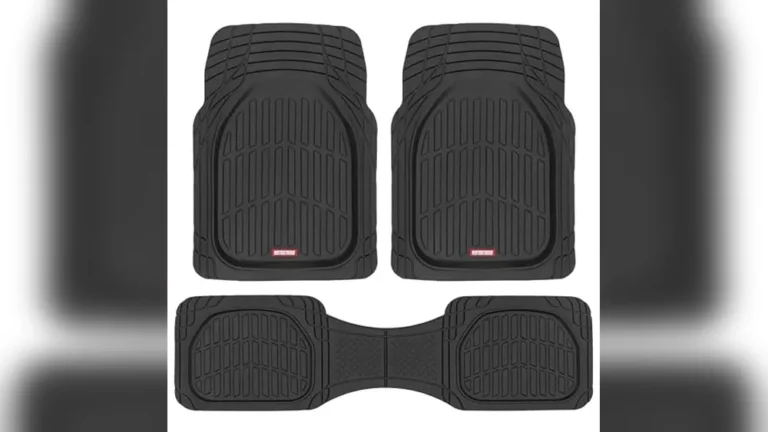 Best Car Mats for All-Weather Use 2026: Top Picks for Every Driver
Keeping your car clean is tough, especially when rain, mud, and snow are involved. That’s where the best car mats for all-weather use make a difference.…
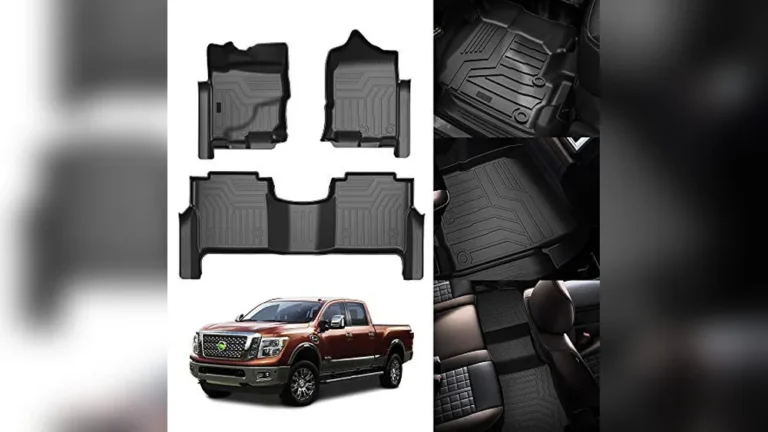 Best Custom-Fit Floor Mats for Nissan Titan: Top Picks 2026
These custom-fit mats provide reliable coverage and help protect your Nissan Titan’s interior from dirt and spills. It’s Monday morning, you’re rushing out the door with…
 Best Car Cleaning Wipes for Interior: A Buyer’s Guide
Discover the best car cleaning wipes for your interior. Compare options for dashboards, leather, and tough stains to keep your car spotless and well-maintained. Keeping your…