Winch Snatch Block Applications in Various Terrains Explained
Winch Snatch Block Applications In Various Terrains
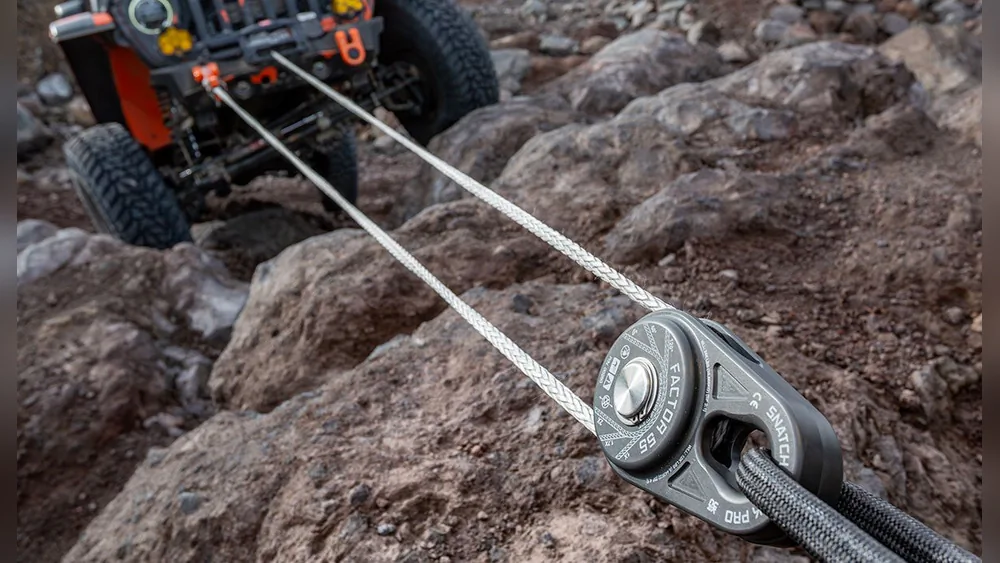
When you’re out in the wild, tackling off-road adventures, or working on remote job sites, winching is more than just a backup plan—it’s essential. But even the most powerful winch can struggle in tough spots. That’s where the snatch block steps in. This simple pulley device multiplies pulling power, changes direction, and reduces strain on your gear. Yet, using a snatch block isn’t one-size-fits-all. The way you apply it depends heavily on the terrain.
Let’s explore how winch snatch blocks are used across different environments, from muddy trails to rocky slopes and dense forests. Understanding these applications not only boosts your recovery skills but also protects your equipment and keeps you safer.
Understanding The Winch Snatch Block
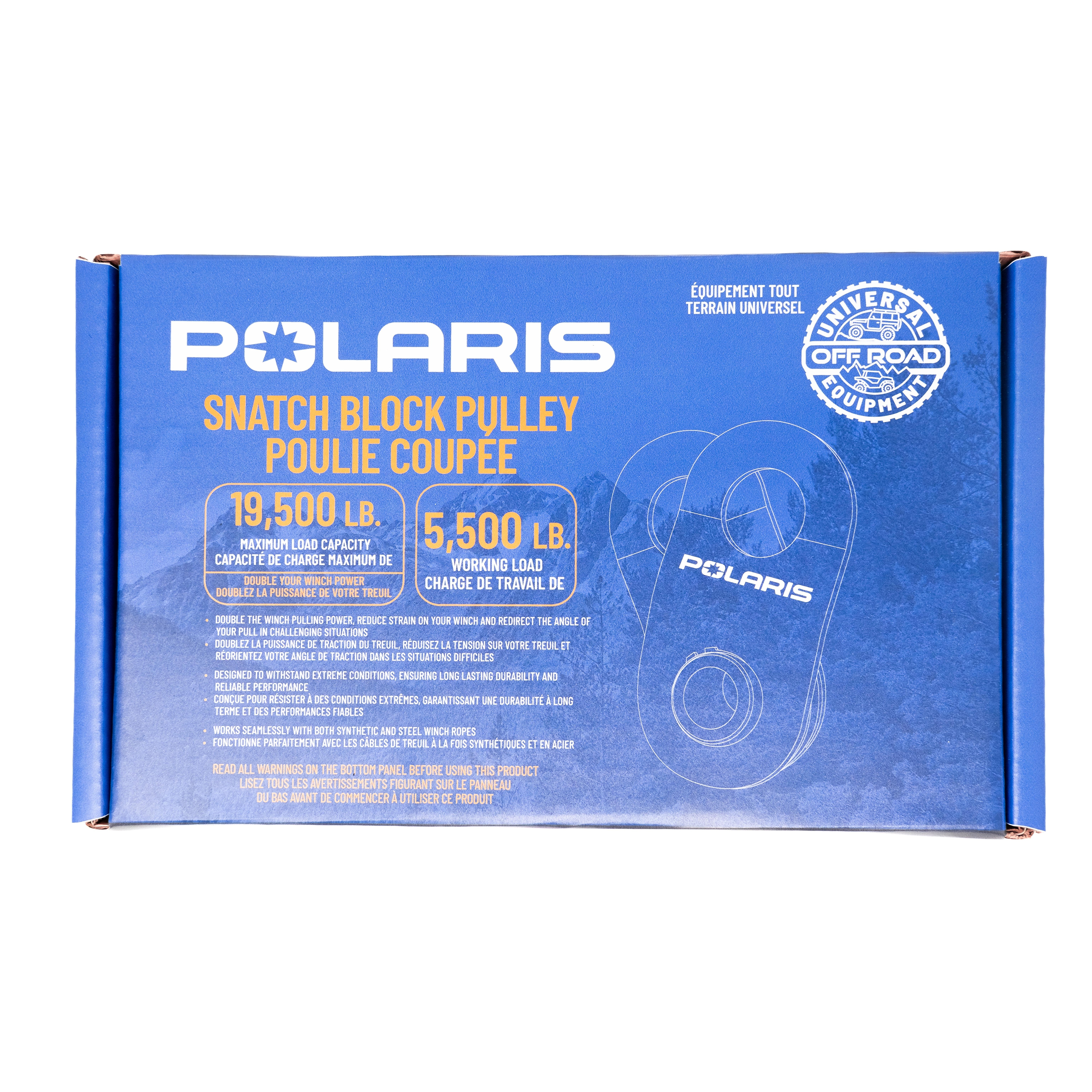
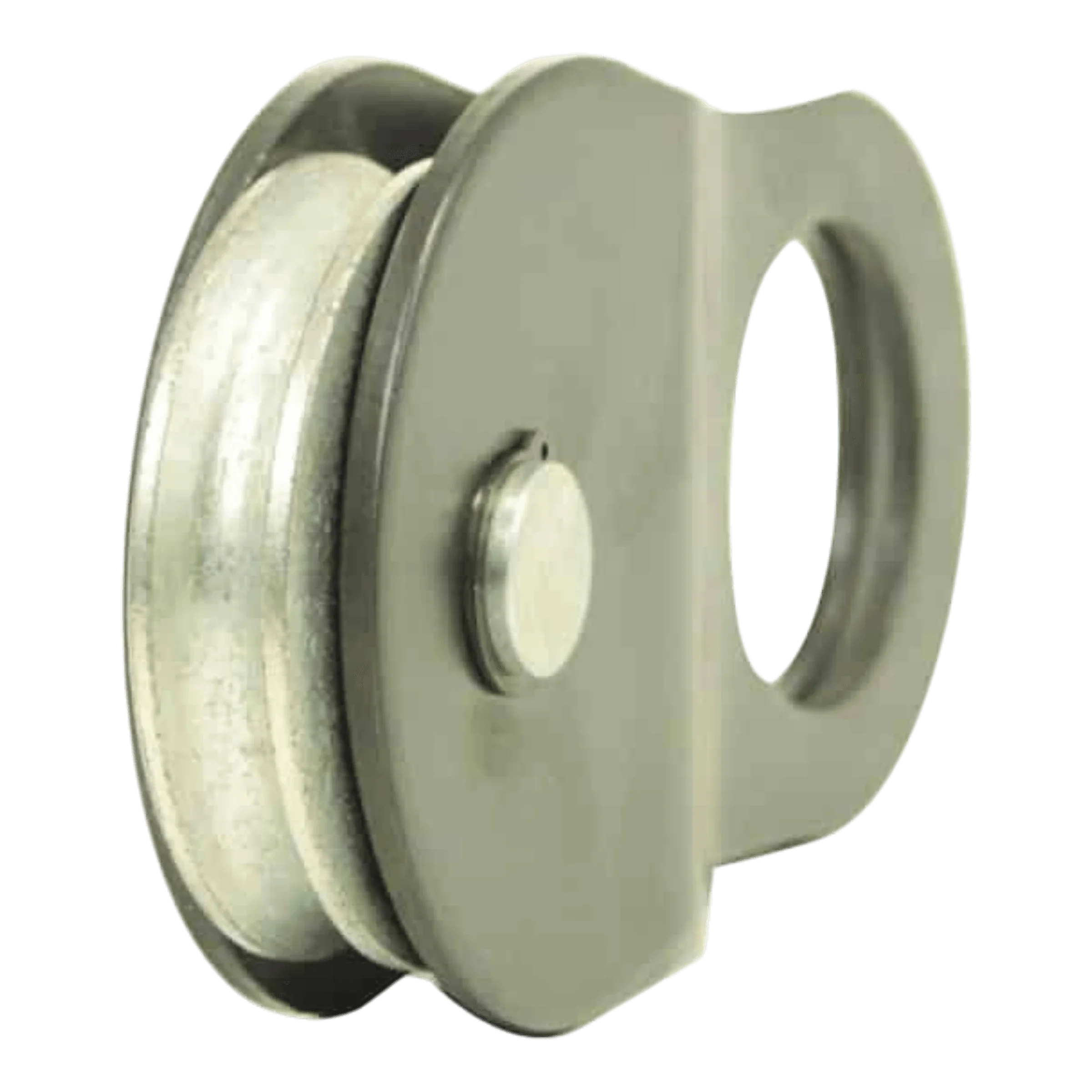
Before jumping into terrain-specific uses, it’s important to know what a snatch block is and how it works. A snatch block is a heavy-duty pulley with a side plate that opens, allowing you to install the winch line without threading the entire cable through. It’s designed for off-road recovery, towing, forestry, utility work, and even industrial settings.
Key benefits of snatch blocks:
- Increases winch pulling power by up to 2x
- Changes the angle of pull
- Reduces heat and stress on the winch motor
- Allows for creative rigging in tight or difficult spots
A common mistake: Many users overlook the snatch block’s ability to reroute a winch line around obstacles. This feature isn’t just for boosting power; it’s also a clever way to work around trees, rocks, or even other vehicles.
Applications In Muddy Terrain
Mud is one of the most challenging terrains for vehicles. Tires sink, and even large 4x4s get stuck. In these conditions, winch snatch blocks are vital.
- Double Line Pull for Extra Power
- A vehicle bogged down in thick mud often needs more force than your winch alone can offer. By rigging a snatch block to an anchor point (like a sturdy tree), you can double the pulling power. This setup splits the load between the anchor and your winch, making it possible to free even heavily stuck vehicles.
- Reducing Cable Strain
- Mud puts extreme resistance on your vehicle. Without a snatch block, the cable may snap or the winch motor could overheat. The snatch block spreads the load, reducing stress and heat.
- Redirecting Pull Around Obstacles
- Muddy areas often have trees, stumps, or rocks nearby. Sometimes, the only anchor isn’t directly in front of your vehicle. The snatch block lets you pull from an angle, guiding your vehicle safely out of the mud without causing further damage.
Example: In the 2023 Rainforest Challenge in Malaysia, over 70% of winch recoveries in boggy sections used snatch blocks to redirect force and double the pulling power.
Credit: www.autozone.com
Applications On Rocky Terrain
Rocky landscapes are unpredictable and full of hazards. Here, a winch snatch block does more than just increase strength—it makes recoveries possible in tight spots.
- Navigating Tight Spaces
- Rocks rarely allow a straight pull. You may need to winch your vehicle at a 45-degree angle to avoid boulders or ledges. The snatch block enables this by changing the direction of the cable without moving the anchor point.
- Preventing Equipment Damage
- Sharp rocks can damage winch cables. Using a snatch block allows you to keep the cable elevated and away from rough surfaces, extending its life.
- Controlled Descents and Climbs
- In steep rocky areas, a snatch block can be used for controlled lowering. By rigging the cable through a snatch block and back to the vehicle, you get a mechanical advantage, slowing the descent and reducing risk.
Non-obvious insight: In high-angle recoveries, adding a snatch block can also minimize the risk of a “cable jump”—when a winch line slips off a rock or obstacle suddenly, which can be dangerous.
Applications In Sandy Terrain
Sand may seem less threatening, but it’s easy to get stuck and hard to get traction. In deserts or beaches, snatch blocks offer unique solutions.
- Extending Anchor Reach
- Suitable anchor points can be far from the stuck vehicle. By using multiple snatch blocks in sequence, you can “leapfrog” your winch line, reaching distant anchors like driftwood or buried sand anchors.
- Minimizing Digging and Effort
- Instead of digging out tires, a double line pull with a snatch block can gently and evenly extract a vehicle, reducing the chance of spinning wheels and digging deeper.
- Lowering Winch Strain
- Sand puts up steady resistance, sometimes causing winches to overheat. The snatch block halves the effort for the winch, keeping it cooler and extending its life.
Practical tip: In soft sand, always check that your anchor is deeply buried or otherwise immovable. The extra force from a snatch block can easily pull out a weak anchor.

Credit: www.amazon.ae
Applications In Forested And Wooded Areas
Forests present their own challenges: thick undergrowth, uneven ground, and limited space for maneuvering. Snatch blocks shine in these conditions.
- Indirect Pulls Around Trees
- If you can’t drive straight out due to trees or roots, a snatch block allows you to change the direction of pull. This is especially useful for threading your vehicle between obstacles.
- Multi-Point Recoveries
- Sometimes, you need to pull from more than one direction—first sideways, then forward. Using two or more snatch blocks, you can create complex rigging setups that guide your vehicle through tight paths.
- Protecting Trees and Equipment
- A common mistake: Wrapping a cable directly around a tree can damage both the tree and the cable. Snatch blocks, combined with tree saver straps, spread the force and reduce harm to nature and your gear.
Example: In rescue operations in the Pacific Northwest, forestry crews often use snatch blocks to extract heavy vehicles from dense woods without felling trees or damaging the environment.
Applications In Snow And Ice
Snow and ice make vehicle recoveries more unpredictable. Winch snatch blocks become even more important here.
- Reducing Winch Motor Overload
- Cold weather can stiffen winch motors and cables. A snatch block reduces the load, making it less likely your equipment will fail in freezing conditions.
- Safe Directional Pulls
- On slippery slopes, you rarely want to pull directly forward or backward. A snatch block allows a sideways or diagonal pull, preventing the vehicle from sliding into danger.
- Anchoring to Unusual Points
- Snow often hides or blocks access to solid anchors. With snatch blocks, you can use alternative points—like another vehicle or a rock outcropping—by changing the cable’s direction.
Data point: In a study of winter recoveries in Alaska, using a snatch block reduced winch motor failure rates by 40% compared to single-line pulls.
Applications In Urban And Construction Sites
Winch snatch blocks aren’t just for the wild. They’re valuable on construction sites, in urban recovery, and for industrial vehicles.
- Moving Heavy Loads Around Obstacles
- Construction equipment sometimes needs to be winched around corners or through tight alleyways. The snatch block allows for precise, controlled movements.
- Doubling Lifting Capacity
- Cranes or winches with limited power can lift heavier objects with a snatch block’s mechanical advantage.
- Reducing Risk to People and Property
- Urban areas are full of hazards—buildings, bystanders, vehicles. A snatch block enables more controlled and predictable movements, reducing accidents.
Example: Utility companies often use snatch blocks to guide winch lines safely around telephone poles or underground cables during repairs.
Comparing Snatch Block Use Across Terrains
Understanding how snatch blocks perform in different terrains can help you choose the right setup for each situation.
| Terrain | Main Challenge | Snatch Block Benefit |
|---|---|---|
| Mud | High resistance, hard anchor access | Double pull power, angle adjustment |
| Rock | Obstacles, cable abrasion | Direction change, protect cable |
| Sand | Poor traction, distant anchors | Extend reach, reduce digging |
| Forest | Limited space, environmental damage | Indirect pull, tree protection |
| Snow/Ice | Slip risk, cold stress on gear | Safe angles, reduce motor load |
| Urban/Construction | Obstacles, safety concerns | Controlled movement, increase lift |
Credit: www.piercearrowinc.com
Choosing The Right Snatch Block For Each Terrain
Not all snatch blocks are created equal. Here’s what matters most:
| Feature | Why It Matters | Best Terrain |
|---|---|---|
| Sheave Size | Larger pulleys reduce cable wear | Rock, Forest |
| Load Rating | Must match or exceed winch rating | All terrains |
| Material | Steel for strength, aluminum for light weight | Mud, Sand, Snow |
| Opening Mechanism | Swivel or split side for easy rigging | Urban, Tight spaces |
Common mistake: Many users buy one snatch block and expect it to do everything. In reality, you may want a heavier steel snatch block for rocky trails, and a lightweight aluminum one for sandy or snowy terrains where carrying weight matters.
Safety Tips For Using Snatch Blocks
Staying safe is just as important as getting unstuck. Here are key practices:
- Always check load ratings: Use a snatch block that matches your winch and vehicle weight.
- Inspect gear before use: Look for cracks, rust, or worn parts.
- Use tree saver straps: Protect anchors and reduce cable damage.
- Never exceed angle limits: A cable pulled too tightly at a sharp angle can cause the block to fail.
- Stand clear: If a winch line or snatch block breaks under load, it can whip back dangerously.
Expert tip: After heavy use in mud or sand, clean and lubricate your snatch block. Grit can cause premature wear or even jamming.
When Not To Use A Snatch Block
While snatch blocks are versatile, there are moments to avoid them:
- If your winch is powerful enough for a straight pull, adding a snatch block just slows the process.
- In emergencies where time is critical and the anchor is directly in line, go simple.
- Don’t use with damaged cables or frayed winch lines—snatch blocks can amplify weaknesses.
Real-world Example: Multi-terrain Recovery
A group of overlanders crossing the Australian Outback faced mud, sand, and rocky hills in one trip. They carried two snatch blocks and used them for:
- Doubling pull power in deep mud bogs
- Redirecting cable around a boulder field
- Extending winch reach to a distant tree in soft sand
Not only did they avoid equipment failure, but they also minimized environmental impact by not damaging trees or dragging vehicles sideways. Their careful use of snatch blocks turned potential disasters into successful recoveries.
Frequently Asked Questions
What Is A Winch Snatch Block Used For?
A winch snatch block is a pulley device that increases pulling power, allows changing the cable’s direction, and reduces strain on your winch. It’s essential for tough recoveries and creative rigging.
Can I Use A Snatch Block With Synthetic Winch Lines?
Yes, most modern snatch blocks are compatible with synthetic winch lines. Just ensure the sheave (pulley) is smooth and free of sharp edges to avoid damaging the line.
How Do I Choose The Right Snatch Block?
Pick a snatch block with a load rating equal to or higher than your winch. Consider material (steel for strength, aluminum for light weight) and sheave size based on your terrain and how often you’ll use it.
Is One Snatch Block Enough For All Terrains?
While one snatch block works for basic needs, having two or more gives you more options, especially in complex recoveries or when you need to extend reach or change direction multiple times.
Where Can I Learn More About Winch And Snatch Block Safety?
You can find detailed safety guidelines and best practices at the 4×4 Earth community, which covers real-world advice from experienced off-roaders.
Winch snatch blocks are more than a recovery accessory—they are a toolkit for adapting to any terrain. Using them wisely means you’re prepared for whatever the trail throws your way, with less risk to yourself and your vehicle.
Related posts
 Why You Should Use a Foam Cannon for Car Washing: Ultimate Guide
Washing your car is more than just making it look good. It protects the paint, keeps the value high, and makes driving feel better. But if…
 How to Clean Leather Seats Without Damaging Them: Expert Tips
Keeping your leather seats clean can be a challenge. Leather looks beautiful and feels luxurious, but it needs special care. Many people worry about damaging their…
 Why Using a Ceramic Coating Spray is Important for Your Car’s Shine
If you care about your car’s appearance and value, you probably wash and wax it regularly. But did you know there’s a better way to protect…