
Why You Should Use a Wheel Cleaner for Your Car Rims Now
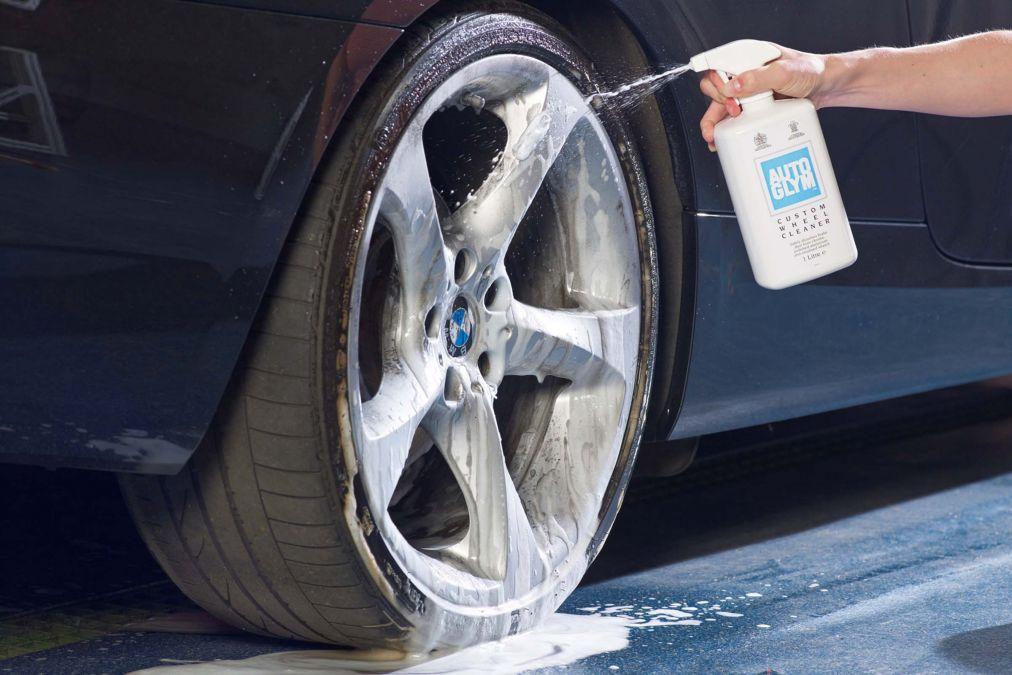
Your car’s rims face tough conditions every day. They get hit with dust, mud, brake residue, road salt, and even tiny metal particles. Over time, all these things stick to the surface and can make your wheels look dull or even cause damage. Many car owners wash their vehicles and think that’s enough, but regular soap and water often miss the grime that clings tightly to rims. This is where using a dedicated wheel cleaner makes a real difference. Not only does it help your car look sharp, but it also protects your rims from long-term harm. Below, you’ll discover why this simple product is a must-have for anyone who cares about their car’s appearance and value.
The Hidden Enemies Of Car Rims
Your wheels are constantly exposed to the elements and road hazards. Most people don’t realize how quickly brake dust and road salt can build up. Brake dust is made of tiny metal shavings, carbon, and adhesives. When it sticks, it can eat into the rim’s finish. Road salt is used in winter to melt ice, but it’s highly corrosive. If left untouched, salt can cause rust and damage the metal.
Even in dry climates, sand and dirt can scratch the surface. Tar, oil, and other chemicals from the road also attach to rims. Over time, these contaminants create a layer that’s hard to remove with normal washing. The result is faded, stained, or pitted rims that make your car look older than it really is.
Why Regular Car Wash Isn’t Enough
Many drivers assume that a weekly car wash will keep their wheels clean. However, most car wash soaps are made for paint, not for the tough grime found on rims. Wheel grime is stickier and often contains chemicals that need special treatment.
Here’s a quick comparison between regular car wash soap and wheel cleaner:
| Cleaning Product | Removes Brake Dust | Dissolves Road Salt | Safe for Rim Finish |
|---|---|---|---|
| Car Wash Soap | Limited | No | Yes |
| Wheel Cleaner | Yes | Yes | Yes |
As you can see, only a wheel cleaner is designed to target the specific contaminants that threaten your rims. It breaks down brake dust and salt, making them easy to rinse away.
Protecting Your Investment
Your car’s rims are not just for looks. They play a key role in performance and safety. Damaged rims can affect wheel balance, cause vibrations, and even lead to leaks in tire pressure. Replacing a rim can cost between $150 and $500 per wheel, depending on the style and material.
Using a wheel cleaner is a simple way to protect your investment. By removing harmful buildup early, you keep your rims strong and good-looking for years. In fact, studies show that regular wheel cleaning can extend rim life by up to 30%.
This means fewer repairs and more savings over time.
How Wheel Cleaners Work
Wheel cleaners are special formulas made to break down tough grime. Most contain chemicals that dissolve brake dust, salt, oil, and tar. They’re designed to cling to the rim surface, so they can reach every corner and edge.
There are two main types:
- Acid-based cleaners: Strong and fast, used for heavy buildup. Not for delicate finishes.
- PH-balanced cleaners: Gentle, safe for all rim types, including painted or chrome.
Here’s a comparison of the two:
| Type | Strength | Safe for All Rims | Common Use |
|---|---|---|---|
| Acid-Based | High | No | Heavy brake dust, stubborn stains |
| pH-Balanced | Moderate | Yes | Regular cleaning, all rim types |
For most drivers, a pH-balanced wheel cleaner is best. It’s safe, effective, and won’t harm your rims.
The Real Benefits Of Using Wheel Cleaner
Many people think wheel cleaner is just about looks. But the benefits go much deeper:
- Stops corrosion: Wheel cleaner removes salt and chemicals that cause rust.
- Keeps rims shiny: It dissolves stubborn dirt that dulls the finish.
- Improves safety: Clean rims help keep tires properly sealed and balanced.
- Saves money: Preventing damage means fewer repairs and replacements.
- Makes cleaning easier: Once you use wheel cleaner, future grime is easier to remove.
An insight many beginners miss: dirty rims can hide cracks, chips, or other damage. Regular cleaning lets you spot problems early, before they turn serious.
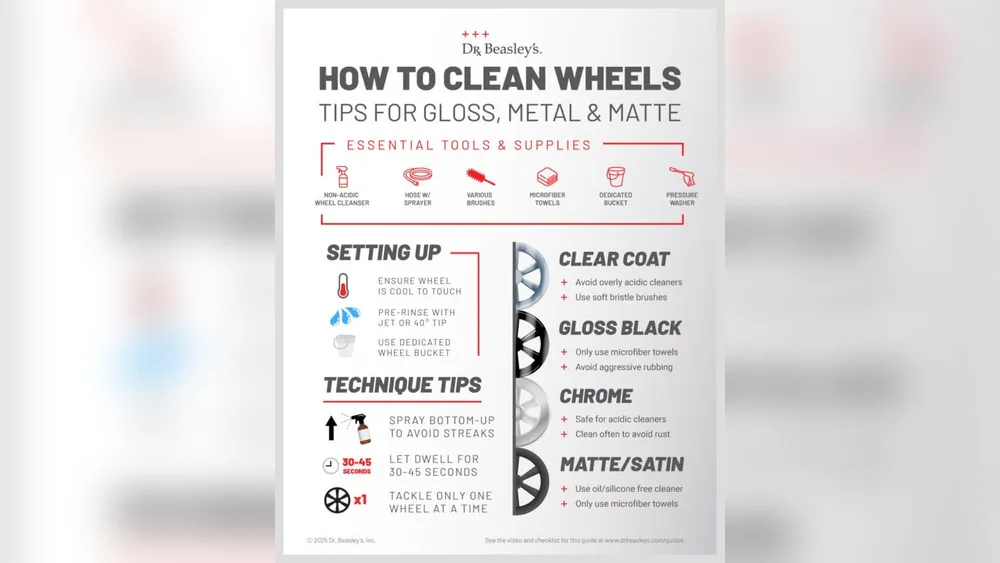
How To Use Wheel Cleaner Correctly
Using wheel cleaner is simple, but a few steps make it more effective:
- Choose the right cleaner: Pick a pH-balanced formula for everyday use.
- Spray on cool rims: Never apply cleaner to hot wheels. Heat can cause stains.
- Let it sit: Wait 2–5 minutes (check the label). The cleaner breaks down grime.
- Scrub gently: Use a soft brush for corners and edges. Don’t use wire brushes.
- Rinse thoroughly: Use plenty of water to wash away all cleaner and dirt.
- Dry with a towel: This avoids water spots and keeps rims shiny.
Here’s an example routine:
- Park your car in the shade.
- Spray wheel cleaner evenly on all four rims.
- Wait a few minutes.
- Use a dedicated wheel brush to scrub.
- Rinse with a hose.
- Dry each rim with a microfiber towel.
A common mistake is using household cleaners or dish soap. These can strip protective coatings and cause damage. Always use a product made for car rims.
Choosing The Best Wheel Cleaner
Not all wheel cleaners are equal. Here’s what matters when picking one:
- Compatibility: Make sure it’s safe for your rim type (alloy, chrome, painted, etc. ).
- Ease of use: Look for spray formulas with simple instructions.
- Effectiveness: Check reviews and ratings. Does it remove brake dust?
- Safety: Avoid harsh acids unless you have tough stains and know your rim material.
- Value: Consider the size, price, and number of uses per bottle.
Below is a comparison of three popular wheel cleaners:
| Product Name | Type | Safe for All Rims | Average Price | User Rating |
|---|---|---|---|---|
| Meguiar’s Hot Rims | pH-balanced | Yes | $9 | 4.7/5 |
| Sonax Wheel Cleaner | pH-balanced | Yes | $15 | 4.8/5 |
| Armor All Heavy Duty | Acid-based | No | $8 | 4.5/5 |
For most drivers, Meguiar’s Hot Rims or Sonax Wheel Cleaner offer the best mix of safety and effectiveness.
Environmental Impact And Safety
Wheel cleaners are powerful, but they must be used responsibly. Some formulas contain chemicals that can harm plants and animals if they enter storm drains. Always wash your car on a driveway or surface where runoff won’t reach nature.
Choose cleaners marked as biodegradable or eco-friendly for less impact. Also, wear gloves if you have sensitive skin. Never mix wheel cleaner with other household chemicals.
A tip that many overlook: rinse your wheels and driveway well after cleaning. This prevents leftover cleaner from drying and causing stains.
Credit: carfromjapan.com
Professional Vs. Diy Wheel Cleaning
Some car owners wonder if they need to visit a professional detailer. While pros use advanced tools and strong products, most people can achieve great results at home. All you need is a good wheel cleaner, a brush, and some patience.
Professional services may charge $40–$100 for wheel cleaning and protection. Doing it yourself costs less than $1 per cleaning, depending on the product. The key is consistency: clean your rims every two to four weeks for best results.
If you drive in harsh conditions, like snow or off-road, consider cleaning more often. This stops buildup before it can cause damage.
Wheel Cleaner Myths And Misconceptions
It’s easy to find bad advice online. Here are a few myths to avoid:
- “Soap is enough.” Regular soap doesn’t dissolve brake dust or salt.
- “All cleaners are safe.” Acid-based formulas can harm painted or chrome rims.
- “Cleaning is only for looks.” Dirty rims can lead to corrosion and safety issues.
- “Once a month is enough.” Rims need cleaning every two to four weeks, especially in tough climates.
A non-obvious insight: even new cars need wheel cleaner. Factory coatings can’t stop all buildup. Start early, and your rims will stay like new longer.
Credit: www.youtube.com
The Bottom Line
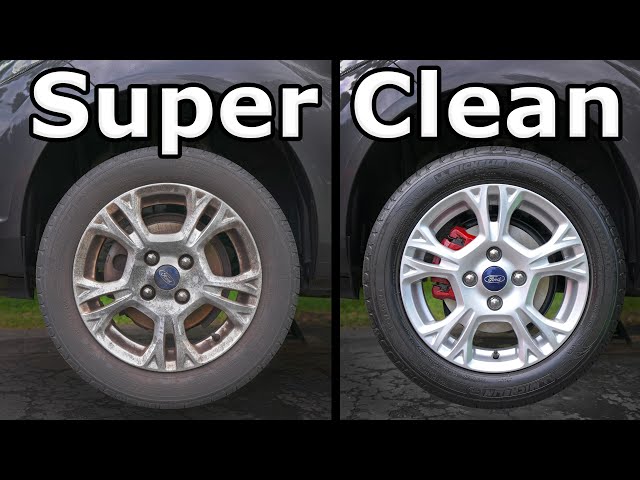
Your car’s rims are under attack from dirt, chemicals, and weather every day. Regular car washes miss the worst grime, leaving your wheels at risk for damage and fading. Using a dedicated wheel cleaner is a simple, affordable way to protect your rims and keep your car looking great.
Choose a safe, effective formula, follow the right steps, and clean regularly. You’ll enjoy shiny wheels, fewer repair bills, and a smarter-looking ride. And remember, spotting rim problems early can save you money and trouble down the road.
If you want more details on how brake dust affects your wheels, check out this Wikipedia article.
Frequently Asked Questions
What Is Brake Dust, And Why Does It Harm Rims?
Brake dust is made from tiny pieces of metal, carbon, and adhesives. When brakes are used, these particles stick to the rims. Over time, brake dust can corrode the metal and ruin the finish, leading to stains and possible rust.
Can I Use Wheel Cleaner On Any Rim Type?
Most pH-balanced wheel cleaners are safe for all rim types, including alloy, painted, chrome, and steel. Always check the label before use. Avoid acid-based cleaners unless you know your rims can handle them.
How Often Should I Clean My Car Rims?
For best results, clean your rims every two to four weeks. If you drive in areas with lots of brake dust, salt, or dirt, clean more often. Regular cleaning prevents buildup and keeps rims shiny.
Is Wheel Cleaner Safe For The Environment?
Many wheel cleaners are now biodegradable and safe for the environment. Choose eco-friendly products and avoid washing on surfaces where runoff can reach plants or water sources. Rinse well after cleaning.
What Is The Main Difference Between Wheel Cleaner And Regular Soap?
Wheel cleaner is made to dissolve tough grime like brake dust and road salt. Regular soap is designed for paint and can’t break down these contaminants. Using wheel cleaner ensures your rims are fully clean and protected.
Credit: www.youtube.com
Related posts
 Why You Should Use a Foam Cannon for Car Washing: Ultimate Guide
Washing your car is more than just making it look good. It protects the paint, keeps the value high, and makes driving feel better. But if…
 How to Clean Leather Seats Without Damaging Them: Expert Tips
Keeping your leather seats clean can be a challenge. Leather looks beautiful and feels luxurious, but it needs special care. Many people worry about damaging their…
 Why Using a Ceramic Coating Spray is Important for Your Car’s Shine
If you care about your car’s appearance and value, you probably wash and wax it regularly. But did you know there’s a better way to protect…