
Why You Should Use a Paint Sealant After Waxing Your Car
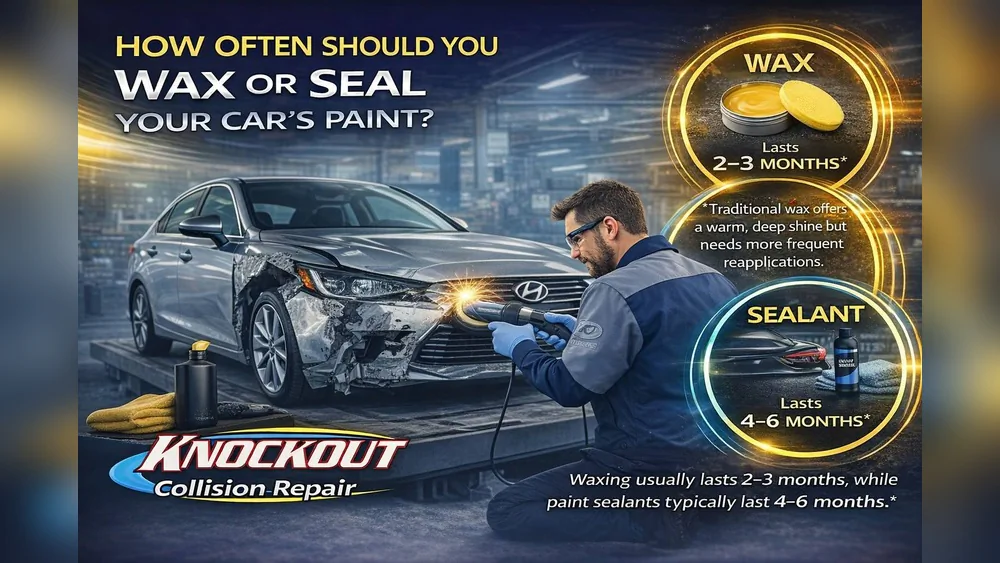
Keeping your car looking new is not just about washing it. Many car owners use wax to get that shiny finish and protect their paint. But what if you could make that protection last longer and keep your car looking even better? Paint sealants are often the answer. If you’ve never heard of paint sealant or aren’t sure how it fits with waxing, you’re not alone. Many people skip this step, thinking wax is enough. But using a paint sealant after waxing gives your car more than just shine—it adds real, lasting protection.
Let’s explore why you should use paint sealant after waxing, how it works, and what difference it makes. You’ll see how this simple extra step can save you money, time, and keep your car looking great, even years down the road.
What Is Paint Sealant?
Paint sealant is a synthetic product made to protect your car’s paint. Unlike wax, which is made from natural ingredients like carnauba, paint sealants are made in laboratories. They are designed to last longer, resist harsh weather, and give a strong barrier against dirt, chemicals, and UV rays.
Think of wax as a soft blanket and sealant as a raincoat. Wax gives your car a warm, deep shine, but sealant creates a tough shield. This shield keeps your paint safe from water, road salt, pollution, and sunlight.
How Does Paint Sealant Work?
Paint sealants bond to the surface of your car’s paint. Once applied, they create a thin, invisible layer. This layer is strong and smooth, making it hard for dirt, water, and other things to stick. Sealants are also made to resist chemical reactions, so they protect from acid rain and bird droppings.
Most paint sealants last 6 to 12 months—much longer than most waxes, which last about 1-2 months. This difference matters if you want less time spent on car care and more time enjoying your vehicle.
Wax Vs Paint Sealant: Key Differences
Many people wonder: if wax is good, why add sealant? Wax and sealant both protect your car, but they do it in different ways. Here’s a clear comparison:
| Feature | Wax | Paint Sealant |
|---|---|---|
| Base Material | Natural (Carnauba, beeswax) | Synthetic (Polymers, resins) |
| Finish | Deep, warm shine | Bright, glossy shine |
| Protection Duration | 1–2 months | 6–12 months |
| Weather Resistance | Moderate | High |
| Application | Easy, can be layered | Easy, but needs clean surface |
Wax is great for short-term shine and a natural look, but paint sealant is best for long-lasting protection and a sleek finish.
Why Use Paint Sealant After Waxing?
You might ask, “Why not just use sealant alone?” Combining wax and sealant gives you the best of both worlds. Here’s why this method works:
- Layered Protection: Wax gives your car a rich shine, but sealant adds a solid shield. When you use both, your paint gets both beauty and strength.
- Longer Lasting Results: Wax fades quickly, especially in sun, rain, or snow. Sealant locks in the shine and keeps it from washing away.
- Easier Cleaning: Sealant makes the surface so smooth that dirt and water slide off. This means your car stays cleaner, longer.
- Better Defense Against Damage: Road salt, acid rain, and bird droppings can ruin paint. Sealant stops these from sticking and causing stains.
- Improved Resale Value: Cars with well-protected paint look newer and sell for more money. Applying both products preserves the paint’s quality.
Practical Example
Imagine you wax your car and drive through a rainstorm. The wax will help water bead up, but after a few washes, that effect fades. With sealant applied after waxing, the rain beads up for months, not weeks. Your car stays shiny and protected with less effort.
How To Apply Paint Sealant After Waxing
Applying paint sealant is easy, but there’s a right way to do it. Here’s a simple step-by-step guide:
- Wash Your Car: Remove all dirt, dust, and old wax. Use a pH-balanced car shampoo.
- Dry Completely: Water spots can ruin the finish. Use microfiber towels.
- Apply Wax: Choose a high-quality wax and spread it in small circles. Let it dry, then buff off.
- Wait 24 Hours: Let the wax “cure.” This gives the best shine and helps the sealant stick.
- Apply Paint Sealant: Use a foam or microfiber applicator. Spread a thin, even coat. Most sealants need 1-2 hours to cure.
- Buff Off: Use a clean microfiber cloth to remove any haze.
Remember, never apply sealant over dirty or wet surfaces. It won’t bond well.
Common Mistakes To Avoid
- Rushing the process: Not waiting after waxing can make the sealant less effective.
- Using too much product: Both wax and sealant work best in thin layers.
- Mixing brands: Some waxes and sealants don’t mix well. Always check labels or do a test spot.

Credit: www.youtube.com
Real Benefits: Data And Facts
It’s not just about looks—paint sealant really works. Studies show that cars treated with sealant stay cleaner up to 30% longer than cars with wax alone. Sealants also cut UV damage by up to 40%, reducing fading and oxidation.
A survey by car detailing professionals found that cars with both wax and sealant need half as many washes per month. This saves time, money, and water.
Protecting Against Environmental Threats
Modern roads are full of dangers: tar, salt, bugs, and acid rain. Here’s how paint sealant makes a difference:
| Threat | Wax Only | Wax + Sealant |
|---|---|---|
| UV Rays | Moderate protection | High protection |
| Acid Rain | Some resistance | Strong resistance |
| Road Salt | Short-term shield | Long-term shield |
| Bird Droppings | Easy to clean | Very easy to clean |
| Industrial Fallout | Low resistance | High resistance |
This data shows why sealant is more than just an extra step—it’s real protection against what your car faces every day.
Myths And Misunderstandings
Some car owners believe wax is all they need. Others think sealant makes wax useless. Let’s clear up some common myths:
- “Sealant makes wax pointless.” Not true. Wax adds depth and warmth; sealant locks it in.
- “Sealant is hard to apply.” Most modern sealants are as easy as wax—sometimes easier.
- “Sealant damages paint.” Only if used incorrectly. Always follow instructions and use quality products.
Many beginners miss the fact that paint sealant can even help cover minor scratches. The smooth layer fills tiny marks, making them less visible and easier to clean.
Another insight: paint sealant is not just for new cars. It can help older cars look newer, prevent further fading, and even restore some lost shine.

Credit: www.phillipsbuickgmctruck.com
Choosing The Right Paint Sealant
Not all paint sealants are equal. Here are some things to consider:
- Type of Sealant: Some are liquid, some are paste. Liquids are easier for beginners.
- Durability: Check product labels for how long they last.
- Compatibility: Make sure the sealant works well with your wax.
- Ease of Removal: Some sealants are hard to remove. Choose one that can be cleaned off without harsh chemicals.
Comparison Of Popular Paint Sealants
| Brand | Type | Durability | Ease of Use |
|---|---|---|---|
| Meguiar’s M21 | Liquid | 6 months | Easy |
| Chemical Guys JetSeal | Liquid | 12 months | Easy |
| Wolfgang Deep Gloss | Paste | 6–9 months | Moderate |
Many beginners miss checking compatibility. If you use a natural wax with a strong synthetic sealant, the sealant may not bond as well. Always read instructions or ask an expert.
Saving Money And Time
Applying paint sealant after waxing may seem like more work, but it actually saves you effort in the long run. Here’s how:
- Fewer washes: The smooth sealant layer keeps dirt off, so you wash less often.
- Longer intervals between detailing: Sealants extend the time between waxing, saving cost.
- Better protection = fewer repairs: Paint damage is expensive. Sealant prevents it.
A typical car owner spends about $120/year on paint care. Using sealant can cut this by 30%, because you need fewer products and less frequent detailing.
When Should You Use Paint Sealant?
The best time to use paint sealant is:
- After waxing, for the strongest shine and protection.
- Before winter or summer, when weather is harsh.
- After a full paint correction, to lock in results.
You don’t have to apply sealant every month—just once or twice a year is enough for most cars.
Frequently Asked Questions
How Long Should I Wait Between Waxing And Sealing?
It’s best to wait 24 hours after waxing before applying paint sealant. This lets the wax cure and gives the sealant a good surface to stick to.
Can I Use Paint Sealant Instead Of Wax?
Yes, you can use sealant alone, but combining wax and sealant gives both shine and protection. Sealant alone gives a glossy look, but not the deep warmth of wax.
Will Paint Sealant Damage My Car’s Paint?
No, paint sealant does not damage paint when used correctly. Always follow instructions and use products made for automotive paint.
How Often Should I Apply Paint Sealant?
Most sealants last 6–12 months. For best results, apply sealant twice a year—once before summer, once before winter.
Do I Need Special Tools To Apply Paint Sealant?
No, you only need microfiber towels and a foam applicator. Some people use machines for faster results, but hand application works well.
Applying paint sealant after waxing is a smart move for anyone who wants their car to look its best and stay protected. It gives you shine, durability, and saves time and money. The next time you wash and wax your car, try adding a paint sealant.
You’ll notice the difference—and your car will thank you for it.
For more detailed research on car paint protection, you can check this Wikipedia article.

Credit: waxmanoftristate.com
Related posts
 Why You Should Use a Foam Cannon for Car Washing: Ultimate Guide
Washing your car is more than just making it look good. It protects the paint, keeps the value high, and makes driving feel better. But if…
 How to Clean Leather Seats Without Damaging Them: Expert Tips
Keeping your leather seats clean can be a challenge. Leather looks beautiful and feels luxurious, but it needs special care. Many people worry about damaging their…
 Why Using a Ceramic Coating Spray is Important for Your Car’s Shine
If you care about your car’s appearance and value, you probably wash and wax it regularly. But did you know there’s a better way to protect…