
Why You Should Clean Your Car Regularly to Prevent Permanent Stains
Keeping your car clean isn’t just about looking good. It’s about protecting your investment and making sure your vehicle lasts longer. Many drivers wash their cars only when they notice dirt, but waiting too long can lead to permanent stains that are hard—or even impossible—to remove. These stains not only ruin your car’s appearance but can also decrease its value and cause long-term damage. Understanding why regular cleaning matters will help you avoid expensive problems and keep your car looking great for years.
How Permanent Stains Form On Your Car
Your car faces a constant attack from the environment. Dirt, dust, bird droppings, tree sap, insects, and even water can leave marks. If these substances stay on your car’s surface too long, they can bond with the paint and even seep into it. For example, bird droppings are acidic and can eat through the clear coat in just a few hours on a hot day. Tree sap, if left untreated, becomes rock-hard and nearly impossible to remove without damaging the paint.
Ultraviolet (UV) rays from the sun speed up these chemical reactions. The result? Marks that don’t come off with a normal wash. This is why you might see faded spots or rough patches on older cars. These are signs of stains that have become permanent.
The True Cost Of Ignoring Car Cleaning
Many people think skipping a few washes saves time and money. But in reality, neglecting regular cleaning can lead to higher costs. Here’s how:
| Problem | Short-Term Effect | Long-Term Cost |
|---|---|---|
| Bird Droppings | Unsightly marks | Permanent etching, repaint needed |
| Tree Sap | Sticky residue | Clear coat damage, costly buffing |
| Water Spots | White marks | Mineral stains, polish or sanding required |
| Dirt & Mud | Dirty appearance | Micro-scratches, paint fade |
A full paint correction or body shop repair can cost anywhere from $300 to $2,000, depending on the damage. Regular cleaning, on the other hand, costs much less and prevents these problems from happening in the first place.
What Substances Cause Permanent Stains?
Not all stains are the same. Some are easy to remove, while others can become permanent in days. Here are the main offenders:
- Bird droppings – Highly acidic, can cause etching within hours.
- Tree sap – Sticky and thick, hardens over time.
- Dead insects – Contain enzymes that eat into paint.
- Brake dust – Metal particles that can bond with wheels and paint.
- Water spots – Minerals in hard water leave marks after evaporation.
- Road tar – Sticky and oily, traps dirt and chemicals.
- Fallen leaves – Release tannins that stain clear coat.
A small but important detail: even gasoline drips can stain your paint if not wiped quickly. Many car owners overlook this after filling up the tank.
Why Regular Cleaning Makes A Difference
Washing your car on a consistent schedule is the best way to prevent permanent stains. When you clean your vehicle regularly, you:
- Remove harmful substances before they bond with paint.
- Notice minor stains early, making them easier to treat.
- Keep the protective wax layer working longer.
Professional detailers recommend washing your car every 1-2 weeks, depending on your location and driving habits. If you live near the ocean, where salt is common, or in an area with lots of trees, you may need to wash more often.

Credit: blisscarwash.com
Interior Stains: Not Just A Cosmetic Issue
Permanent stains are not just a problem for your car’s exterior. Spilled drinks, grease, and food crumbs can leave marks inside your car as well. These stains can:
- Cause bad odors.
- Lead to mold growth.
- Lower your car’s resale value.
Fabric and leather both absorb liquids quickly. Cleaning up spills right away is the only sure way to avoid permanent marks. Specialized cleaners for seats and carpets are available for tough stains, but early action is always best.
How To Clean Your Car Properly
A quick rinse isn’t enough to keep stains away. To truly protect your car, follow these steps:
- Rinse the car with water to remove loose dirt.
- Use a car-specific soap (not dish soap) and a soft sponge or mitt.
- Wash in sections, starting from the top.
- Rinse each section before soap dries.
- Dry with a microfiber towel to avoid water spots.
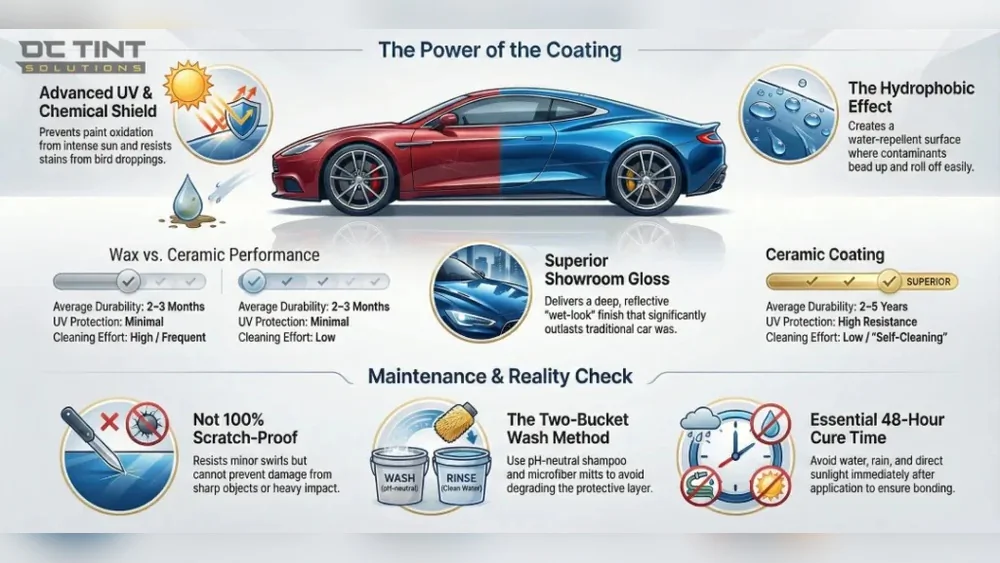
- Apply wax or sealant every few months for added protection.
For tough spots like sap or tar, use a dedicated remover. Never use sharp tools, as they can scratch the paint.
Quick Comparison: Car Wash Methods
Here’s a side-by-side look at common cleaning options:
| Method | Pros | Cons |
|---|---|---|
| Hand Wash | Thorough, gentle on paint | Time-consuming, uses more water |
| Automatic Car Wash | Quick, convenient | Can cause micro-scratches |
| Touchless Car Wash | No brushes, less risk of scratches | Less effective for tough stains |
If you care about long-term protection, hand washing is usually best.
What About Waxing And Polishing?
Washing removes dirt, but waxing adds a protective layer. This layer makes it harder for stains to stick and gives you more time to clean off harmful substances. Experts suggest waxing your car at least 3-4 times a year. Polishing, on the other hand, is used to remove minor scratches and bring back shine. It’s not needed as often—once or twice a year is enough for most cars.
A helpful tip: if water doesn’t bead up on your car’s surface, it’s time to wax.
Real-life Examples: What Happens If You Don’t Clean Your Car
Consider these real situations:
- A driver in Florida left bird droppings on his hood for a week. The clear coat was permanently etched, leaving a dull spot that required professional repainting.
- In California, a car owner parked under a tree all summer. Tree sap and leaves left brown stains that regular washing could not remove.
- A taxi driver spilled coffee on the seat and waited a month to clean it. The stain became permanent, and the car’s resale value dropped by $500.
These examples show that small accidents can become costly mistakes if ignored.
The Hidden Benefits Of Regular Car Cleaning
Keeping your car clean does more than just prevent stains. It also:
- Increases resale value – A well-maintained car can sell for up to 15% more.
- Improves safety – Clean windows and mirrors help you see better.
- Reduces repair costs – Removing dirt early prevents rust and paint damage.
A clean car also just feels better to drive. Many people find it boosts their mood and pride in ownership.
Common Mistakes To Avoid
Even car owners who wash regularly can make mistakes. Here are some errors that can actually make stains worse:
- Using dish soap – Strips away protective wax.
- Washing in direct sunlight – Causes soap and water spots to dry too fast.
- Ignoring the wheels – Brake dust can stain if not cleaned.
- Using dirty sponges – Traps grit that scratches paint.
- Not drying the car – Leaves water spots.
A simple change in your routine can help you avoid these common problems.
Environmental Factors That Speed Up Staining
Certain environments make your car more likely to get permanent stains:
- Coastal areas – Salt accelerates rust and paint damage.
- Industrial zones – Chemicals in the air can settle on your car.
- High-traffic roads – More brake dust and tar.
- Hot climates – Faster chemical reactions on paint.
If you live in these areas, you should clean your car more often and consider using extra protection like ceramic coatings.
How Regular Cleaning Protects Your Health
Most people don’t think about how a dirty car affects health. But mold, bacteria, and allergens can build up, especially inside. This can trigger allergies and asthma. Cleaning your car regularly—especially the interior surfaces—reduces these risks. Use disinfectant wipes on high-touch areas like the steering wheel and door handles.

Credit: www.detailingdevils.com
When Should You Seek Professional Help?
Some stains are too tough for home methods. If you notice:
- Stains that don’t come off after washing
- Rough or dull patches on paint
- Sticky or greasy marks that return
…it’s time to see a professional detailer. They have the tools and products to remove stains safely, without damaging your car.
Comparing Cleaning Frequency: Daily Driver Vs. Occasional Car
How often should you clean your car? It depends on how you use it. Here’s a quick comparison:
| Car Type | Recommended Wash Frequency | Reason |
|---|---|---|
| Daily Driver | Every 1-2 weeks | More exposure to dirt and stains |
| Weekend/Occasional Car | Every 3-4 weeks | Less frequent use, but still needs cleaning |
| Classic or Show Car | Before and after each outing | Preserve value, avoid dust buildup |
If you’re unsure, it’s better to clean too often than not enough.

Credit: topline-autospa.com
Final Thoughts: Protect Your Car’s Value With Simple Habits
Regular cleaning is one of the easiest ways to avoid permanent stains and costly repairs. It protects your car’s paint, interior, and even your health. Most importantly, it helps keep your car’s value high and your driving experience enjoyable. Make cleaning part of your routine, and you’ll save time, money, and stress in the long run. For more on car care, you can visit the Consumer Reports Car Care Guide.
Frequently Asked Questions
Why Do Some Stains Become Permanent Even After Washing?
Some stains, like bird droppings or tree sap, are acidic or sticky and can bond with the paint quickly. If not removed in time, they damage the clear coat and leave marks that normal washing can’t fix.
Is It Okay To Use Household Cleaners On My Car?
No. Household cleaners like dish soap can strip away protective wax and damage the paint. Always use soaps and products made specifically for cars.
How Can I Prevent Water Spots After Washing My Car?
Dry your car with a clean microfiber towel right after rinsing. Avoid washing in direct sunlight, as water dries faster and leaves mineral spots.
Does Waxing Really Help Prevent Stains?
Yes. Wax adds a protective layer that makes it harder for stains to stick to your car’s paint. It also gives you more time to clean up harmful substances before they cause damage.
How Often Should I Clean The Interior Of My Car?
Clean the interior every 1-2 weeks if you use your car daily. Wipe up spills immediately, vacuum carpets, and use appropriate cleaners for seats and dashboards to prevent permanent stains and bad odors.
Related posts
 Why You Should Use a Foam Cannon for Car Washing: Ultimate Guide
Washing your car is more than just making it look good. It protects the paint, keeps the value high, and makes driving feel better. But if…
 How to Clean Leather Seats Without Damaging Them: Expert Tips
Keeping your leather seats clean can be a challenge. Leather looks beautiful and feels luxurious, but it needs special care. Many people worry about damaging their…
 Why Using a Ceramic Coating Spray is Important for Your Car’s Shine
If you care about your car’s appearance and value, you probably wash and wax it regularly. But did you know there’s a better way to protect…