
Why You Need a Scratch Remover for Car Paint: Restore Shine Fast
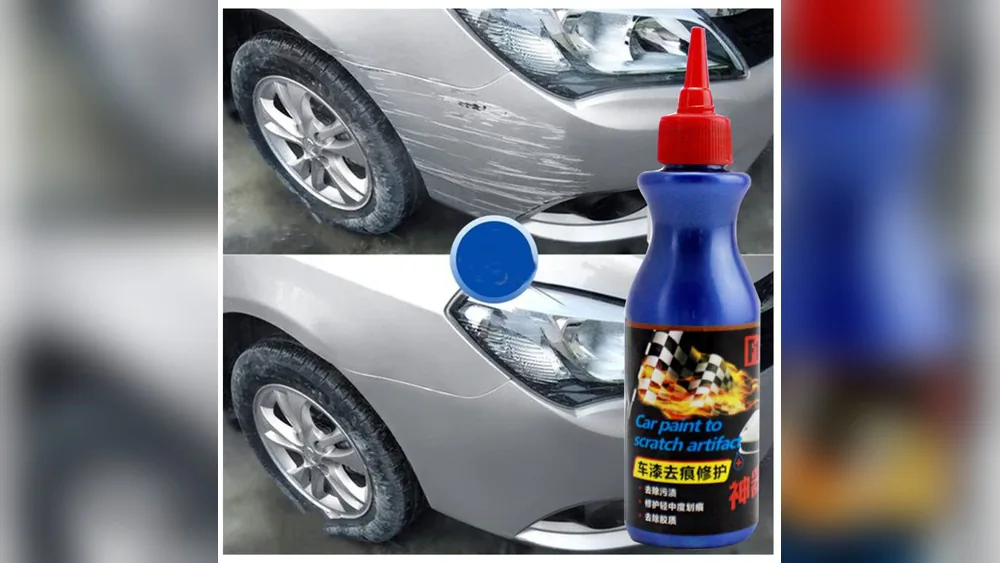
Every car owner knows the feeling: you see a small scratch on your car’s paint, and suddenly, it’s all you can focus on. Whether it’s from a stray shopping cart, a neighbor’s bike, or even your own keys, these marks seem to appear out of nowhere. While they might look minor, scratches can lead to bigger problems for your vehicle. That’s why having a scratch remover for car paint isn’t just a nice extra—it’s a smart investment for anyone who cares about their car.
The Real Impact Of Paint Scratches
A scratch may seem like a simple cosmetic issue, but it goes deeper than looks. The paint on your car is more than just color; it’s a protective barrier. When that barrier is broken, your car’s body becomes exposed to air, water, and dirt. Over time, this exposure can lead to rust and even more expensive damage.
Research shows that over 70% of used cars have visible scratches or swirl marks on their paint. These flaws don’t just affect how your car looks—they can lower your car’s resale value by as much as 10%–20%. For example, a $15,000 used car could lose up to $3,000 in value simply because of visible paint defects.
Why Scratches Happen So Easily
You might be careful, but scratches are almost impossible to avoid. Here’s why:
- Environmental hazards: Sand, gravel, and road debris can kick up while driving.
- Parking lot accidents: Doors, carts, and careless drivers are common culprits.
- Washing mistakes: Using rough sponges or dirty cloths can leave swirl marks.
- Animal activity: Cats or birds may scratch the surface while climbing or landing.
Most scratches are shallow, affecting only the clear coat layer. But even these light marks can be seen from several feet away, especially on dark-colored cars.
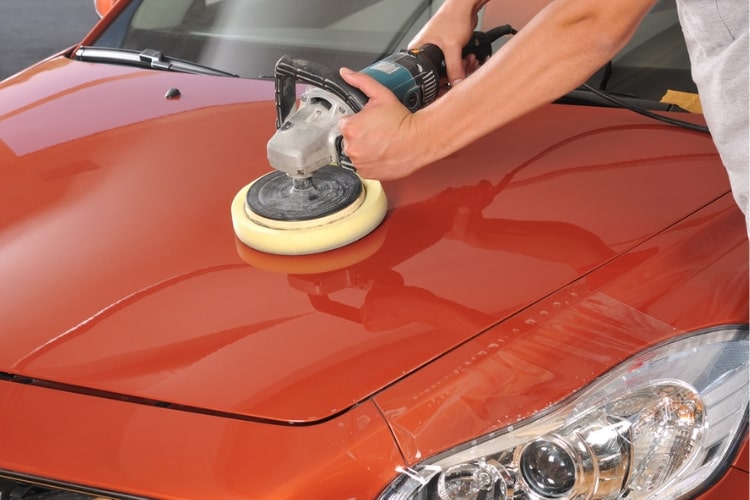
Credit: www.goldeagle.com
Scratch Remover Vs. Other Solutions
Many people think of fixing scratches as a job for professionals. However, that isn’t always true. Let’s compare different ways to handle car paint scratches:
| Method | Cost Range | Time Required | Best For |
|---|---|---|---|
| Professional Repair | $100 – $1,000+ | 1-3 Days | Deep Scratches, Full Panels |
| Touch-up Paint | $10 – $50 | 1-2 Hours | Small Chips, Deeper Scratches |
| Scratch Remover | $10 – $30 | 10-30 Minutes | Light to Medium Scratches |
As you can see, a scratch remover for car paint is the fastest and most cost-effective solution for most everyday scratches.
How Scratch Removers Work
Scratch removers are not just simple polishes. They are specially designed formulas that gently buff out the upper layer of damaged paint, blending the scratch with the surrounding surface. Here’s a simple breakdown of how they work:
- Abrasive particles: These tiny particles smooth out rough edges of the scratch.
- Fillers: Some products fill in micro-scratches, making them less visible.
- Polishing agents: These restore shine and gloss to the area.
Most scratch removers are safe for all car paints and clear coats. They don’t require special skills—just basic patience and care.
Benefits Of Using A Scratch Remover For Car Paint
Choosing to use a scratch remover comes with several advantages:
1. Save Money On Repairs
A professional paint repair can cost hundreds or even thousands of dollars. With a scratch remover, you can often achieve similar results for under $30. It’s a small investment that can save you a lot in the long run.
2. Maintain Car Value
A car with clean, shiny paint looks newer and more attractive to buyers. Regularly removing scratches helps protect your resale or trade-in value. Even small details can make a big difference at a dealership.
3. Prevent Rust And Corrosion
Scratches that go through the clear coat expose metal. If left untreated, moisture and salt can start a rust problem. Early removal with a scratch remover acts as a first line of defense.
4. Quick And Easy Process
Most scratch removers are simple to use. You don’t need special tools or a professional background. In fact, many users see real improvement in less than 20 minutes.
5. Improve Appearance Instantly
Even light scratches can be very noticeable. Using a scratch remover gives your car a clean, well-maintained look without the need for a full repaint.
Not All Scratch Removers Are The Same
There are many brands and types of scratch removers on the market. Some are cream-based, while others come as kits with extra tools. Here’s a quick comparison of common types:
| Type | Ease of Use | Effectiveness | Best For |
|---|---|---|---|
| Cream or Paste | High | Light Scratches | Quick Touch-ups |
| Scratch Repair Kits | Medium | Medium Scratches | Deeper Markings |
| Spray-On Remover | Very High | Light Swirls | Large Areas |
Pro tip: Always read the instructions. Some products work better with certain colors or finishes. If you’re not sure, test on a small, hidden area first.
How To Use A Scratch Remover: Step-by-step
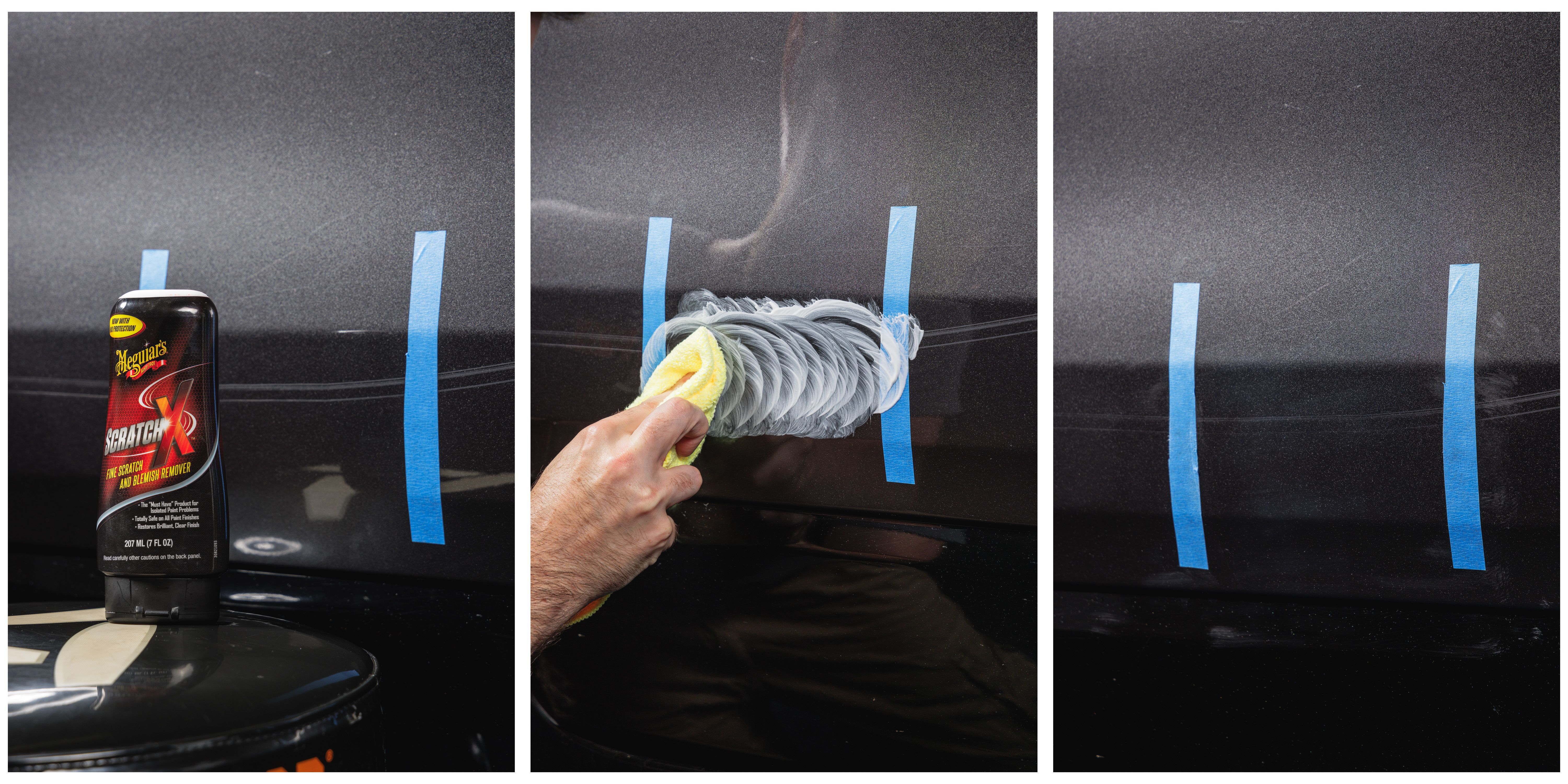
Using a scratch remover is simple, but technique matters. Here’s how to get the best results:
- Clean the Area: Wash and dry your car to remove dirt. Working on a dirty surface can cause more scratches.
- Apply the Product: Put a small amount of scratch remover on a clean microfiber cloth.
- Buff Gently: Use circular motions to rub the scratch remover into the scratch. Don’t press too hard.
- Wipe Off: After a few minutes, wipe away the excess with another clean cloth.
- Check the Result: If the scratch is still visible, repeat the process once or twice.
Common mistake: Using too much pressure. Aggressive rubbing can make things worse or damage the clear coat.
When A Scratch Remover Can’t Help
Scratch removers are powerful, but they do have limits. Here’s how to tell if you need more than a scratch remover:
- Deep scratches: If you can feel the scratch with your fingernail, it may have gone through the clear coat.
- Paint chips: Missing paint often needs touch-up paint, not just a remover.
- Rust spots: If rust is already present, you need to treat it before using a scratch remover.
If your scratch is too deep, consider consulting a professional or using a touch-up kit as well.
Non-obvious Insights: What Many Car Owners Miss
Most people focus only on the big scratches, but smaller swirl marks from automatic car washes can add up and dull your paint over time. Using a scratch remover every few months can restore shine and delay the need for costly detailing.
Another overlooked tip: Always wax your car after using a scratch remover. This adds a protective layer that helps prevent future damage and makes it easier to clean off dirt and road salt.
Real-world Example
Consider a 5-year-old sedan in good mechanical shape but covered with light scratches and swirl marks. The owner spends $25 on a high-quality scratch remover and two hours of work. After treatment, the car’s paint shines, and the value at trade-in increases by $800.
The small effort and cost led to a much higher return.
Myths And Misconceptions About Scratch Removers
There are a few myths that make some people avoid scratch removers:
- Myth: “Scratch removers ruin car paint.”
Fact: Quality products are safe for all modern paints if used as directed.
- Myth: “They only hide the scratch temporarily.”
Fact: Most scratch removers actually blend and polish away the scratch, not just cover it up.
- Myth: “You need expensive tools.”
Fact: All you need is a microfiber cloth and some patience.
How To Choose The Right Scratch Remover
With so many choices, picking the right product can be confusing. Here’s what really matters:
- Type of scratch: Light surface scratches need a gentle remover. Deeper scratches may need a kit with extra steps.
- Paint color: Some removers work better on dark or light paint.
- User reviews: Check what other owners say about the product’s effectiveness.
- Ease of use: Look for clear instructions and simple application.
Mistake to avoid: Don’t choose the cheapest option without checking reviews. Poor-quality products can leave haze or make scratches worse.
The Science Behind Paint Protection
Car paint is a layered system. There’s the metal body, primer, base color, and clear coat. The clear coat is what gives your car shine and protects the color. Most everyday scratches only affect this top layer.
Here’s a quick look at paint layers and what scratch removers can handle:
| Paint Layer | Typical Thickness | Scratch Remover Effective? |
|---|---|---|
| Clear Coat | 30-50 microns | Yes |
| Base Color | 15-25 microns | Sometimes |
| Primer/Metal | Variable | No |
If the scratch is only in the clear coat, you’re in luck—a scratch remover can usually fix it.
Environmental And Long-term Benefits
Fixing scratches isn’t just about looks or value. It’s also about protecting your car and the environment. Rusted cars can leak chemicals and metals into the ground. Keeping your paint in good shape helps prevent this problem. Also, by fixing minor scratches yourself, you reduce the need for harsh chemicals used in body shops.

Credit: www.amazon.com
When To Call A Professional
While scratch removers are great for most cases, sometimes you need expert help. If your car has deep gouges, peeling paint, or widespread damage, a pro can assess the best solution. But for everyday scratches, a good remover is your first and best defense.
Frequently Asked Questions
What Kind Of Scratches Can A Scratch Remover Fix?
Scratch removers are best for light to medium scratches that only affect the clear coat. If the scratch is deep enough to catch your fingernail or shows bare metal, you’ll need additional repair methods.
How Often Should I Use A Scratch Remover?
You can use a scratch remover as often as needed, but it’s best to limit use to once every few months on the same area. Overuse can thin the clear coat over time.
Will A Scratch Remover Work On All Paint Colors?
Most scratch removers are safe for all paint colors, but some work better on lighter or darker shades. Always check the product label for color compatibility.
Do I Need To Wax My Car After Using A Scratch Remover?
Yes, waxing after using a scratch remover restores protection and adds shine. It also helps prevent new scratches and environmental damage.
Are Scratch Removers Safe For Diy Use?
Absolutely. Most products are designed for easy, at-home use. Just follow the instructions, use a clean cloth, and avoid aggressive rubbing.
For more detailed information on car scratch repair and paint maintenance, you can visit the Wikipedia page on automotive paint.
Keeping your car’s paint in top shape is easier than you think. By having a reliable scratch remover on hand, you’re ready to handle life’s small accidents before they become big problems. It’s one of the simplest ways to protect your investment and enjoy a car that always looks its best.
Credit: www.caranddriver.com
Related posts
 Why You Should Use a Foam Cannon for Car Washing: Ultimate Guide
Washing your car is more than just making it look good. It protects the paint, keeps the value high, and makes driving feel better. But if…
 How to Clean Leather Seats Without Damaging Them: Expert Tips
Keeping your leather seats clean can be a challenge. Leather looks beautiful and feels luxurious, but it needs special care. Many people worry about damaging their…
 Why Using a Ceramic Coating Spray is Important for Your Car’s Shine
If you care about your car’s appearance and value, you probably wash and wax it regularly. But did you know there’s a better way to protect…