
Why Waxing Your Car Helps Protect the Paint and Boost Shine
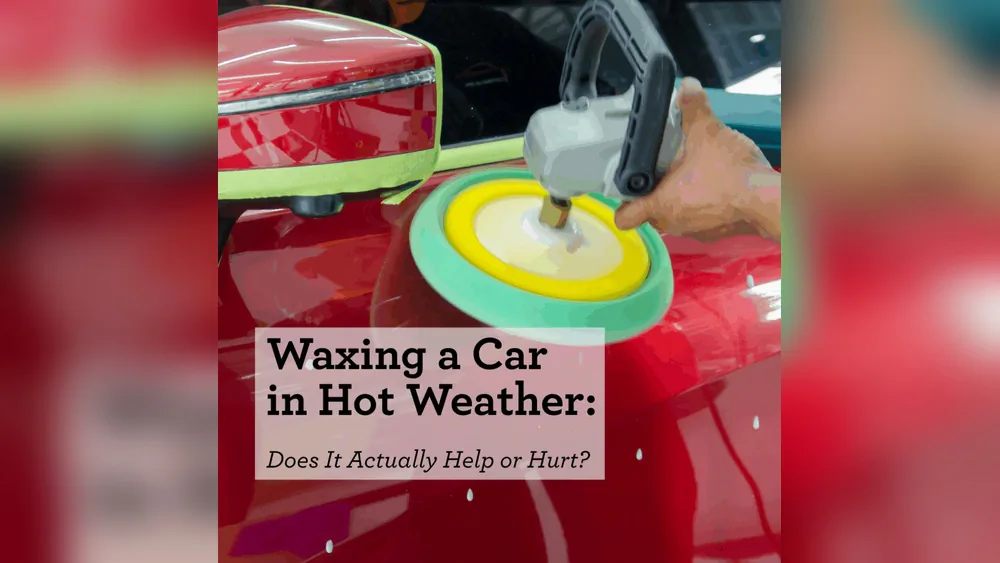
Keeping your car’s paint looking fresh is not just about vanity—it’s a key part of protecting your investment. Many car owners wash their vehicles regularly but skip waxing, not realizing what they’re missing. Waxing your car goes far beyond simple shine.
It acts as a powerful shield that guards your paint from the harsh realities of the road and weather. If you want your car to keep turning heads and hold its value, understanding the true benefits of waxing is essential.
How Wax Works As A Barrier
Car wax is more than just a cosmetic treatment. It’s a protective layer that sits between your car’s paint and the outside world. Most automotive waxes are made from natural carnauba, synthetic polymers, or a blend of both. When properly applied, wax forms a thin, invisible film that fills tiny pores in the paint.
This layer serves two main purposes. First, it seals out contaminants like dirt, road salt, and industrial fallout. Second, it makes the surface slippery, so water beads up and rolls off. This simple effect is powerful—water often carries minerals and pollutants that can stain or etch paint. With wax, these threats have a harder time sticking to your car in the first place.
Main Enemies Of Car Paint
Your car’s paint faces daily attacks from many sources. Here are some of the most common:
- UV Rays: Sunlight breaks down the paint’s topcoat, causing fading and oxidation.
- Acid Rain: Polluted rainwater can eat into unprotected paint, leaving spots and stains.
- Bird Droppings and Tree Sap: These organic materials are acidic and can damage paint if not removed quickly.
- Road Salt and Chemicals: Especially in winter, these can corrode the paint and metal beneath.
- Minor Scratches: Dust, sand, and even improper washing can cause swirl marks and micro-scratches.
Without a protective wax layer, your paint is exposed to all these hazards. Over time, this means dullness, scratches, and even rust.
Waxing Vs. Other Paint Protection Methods
Many people wonder how waxing compares with other ways to protect car paint, like sealants or ceramic coatings. Here’s a simple comparison:
| Protection Method | Typical Durability | Shine Level | Cost |
|---|---|---|---|
| Natural Carnauba Wax | 4–8 weeks | High, warm shine | Low |
| Synthetic Sealant | 4–6 months | Glossy, reflective | Moderate |
| Ceramic Coating | 1–3 years | Very glossy, slick | High |
Wax is the most accessible option for most drivers. It’s easy to apply at home, costs little, and offers a deep, classic shine. While sealants and ceramics last longer, they usually require more skill or professional help.
Benefits Of Waxing Your Car
Shields Against Uv Damage
Sunlight is one of the biggest enemies of car paint. Over time, ultraviolet rays break down the paint’s clear coat, leading to fading and chalkiness. Wax reflects a portion of these rays, slowing the aging process and keeping your paint vibrant longer.
Repels Water And Dirt
A freshly waxed surface causes water to bead up and roll off. This not only looks good but also helps prevent water spots and reduces the amount of dirt that clings to your car. When dust or mud can’t stick as easily, your car stays cleaner between washes.
Makes Cleaning Easier
Because wax creates a slick surface, bird droppings, tree sap, and bugs are less likely to bond to the paint. If they do land on your car, they’re much easier to clean off. This saves you time, effort, and reduces the chance of scratching the paint during washing.
Reduces Minor Scratches And Swirl Marks
Wax fills in tiny imperfections and creates a slippery surface. This means dust and grit are less likely to scratch your paint when you wash or wipe the car. It won’t stop deep scratches, but it can minimize fine swirl marks that dull your finish.
Boosts Resale Value
A well-maintained paint job is one of the first things buyers notice. Regular waxing helps your car look newer for longer, which can mean a higher resale price. Potential buyers are more likely to trust a car that shines and shows no signs of neglect.
The Science Behind Paint Deterioration
Paint technology has improved, but it’s still vulnerable. Most cars have a three-layer paint system: primer, color coat, and clear coat. The clear coat gives gloss and some protection, but it’s thin—often less than 50 microns (less than half a human hair).
Sun, weather, and chemicals slowly break down this clear coat. As it wears away, the color coat is exposed and starts to fade. Without any extra protection, even modern paint can lose its luster in just a few years.
Wax acts as a sacrificial barrier. It takes the brunt of this damage, so your clear coat lasts longer. Even though wax wears off and needs reapplying, this routine is much easier and cheaper than repainting your car.
How Often Should You Wax?
There’s no one-size-fits-all answer, but most experts recommend waxing every 2 to 3 months. The exact interval depends on:
- Climate: Sun, rain, and snow wear wax away faster.
- Driving habits: Frequent highway driving exposes your car to more debris.
- Type of wax: Synthetic waxes last longer than natural carnauba.
Here’s a quick look at typical waxing schedules:
| Wax Type | Recommended Interval | Best For |
|---|---|---|
| Spray Wax | Every 2–4 weeks | Quick touch-ups |
| Paste/Liquid Wax | Every 2–3 months | Deep protection |
| Synthetic Wax/Sealant | Every 4–6 months | Long-lasting shine |
A simple test: after washing, if water no longer beads up, it’s time to wax.
Step-by-step: How To Wax For Maximum Protection
Applying wax isn’t difficult, but doing it right makes a big difference. Here’s how:
- Wash your car thoroughly to remove dirt and grime.
- Dry the surface completely with a microfiber towel.
- Apply wax in a cool, shaded area—direct sun can cause streaking.
- Use a foam applicator pad to spread a thin, even layer of wax.
- Let the wax haze (usually 5–10 minutes, check product instructions).
- Buff with a clean microfiber towel until the surface gleams.
For best results, work one section at a time. Don’t apply too much wax—a thin coat protects better and is easier to buff off.
Common Mistakes To Avoid
- Waxing over dirt: Any grit left behind can scratch your paint.
- Using too much wax: Thick layers are hard to remove and don’t add protection.
- Skipping regular waxing: Waiting too long can expose your paint to damage.
The Real-world Impact Of Regular Waxing
The difference between a waxed and unwaxed car is clear after just a few months. Waxed cars resist fading, develop fewer scratches, and are easier to keep clean. In fact, a study by a major detailing organization showed that regular waxing can extend paint life by up to 50% compared to unprotected cars.
One overlooked benefit: wax also protects headlights and trim. Modern plastic headlights can cloud from UV exposure, but waxing them helps slow this process.

Credit: www.northwestautocollision.com
Waxing Myths And Misconceptions
Some drivers believe waxing is unnecessary with modern paints. This isn’t true—clear coats offer some protection, but not enough to block all damage. Others think waxing is only for show cars. In reality, every car benefits, from daily drivers to weekend classics.
Another myth is that all waxes are the same. In fact, synthetic waxes often last longer, while carnauba wax gives a deeper, richer shine. You can even layer different waxes for a mix of durability and gloss.
Wax Vs. Paint Sealant Vs. Ceramic Coating: Which Should You Choose?
Choosing between wax, sealant, and ceramic coating depends on your needs and budget.
- Wax is affordable, easy to use, and gives a classic shine. It’s perfect for drivers who enjoy regular care.
- Paint sealant lasts longer and offers more chemical resistance but may look less warm than natural wax.
- Ceramic coating provides the longest-lasting protection but is more expensive and often requires professional application.
If you want the best of all worlds, you can use wax over a sealant or ceramic coating for extra shine.
For a deeper look at protective coatings, visit the Automotive Paint Wikipedia page.
Credit: whitedoveredlion.com
Practical Tips For Better Waxing
- Always use clean, high-quality microfiber towels for both application and buffing.
- Avoid waxing in direct sunlight or on hot panels.
- Store wax in a cool, dry place and keep lids tightly closed to prevent drying out.
- Don’t forget less-visible areas like door jambs and bumpers.
- If your paint feels rough, use a clay bar before waxing to remove embedded contaminants.
Many beginners overlook prepping the surface. Wax works best on clean, smooth paint. Skipping this step can lead to streaks and poor protection.
Frequently Asked Questions
How Long Does Car Wax Last?
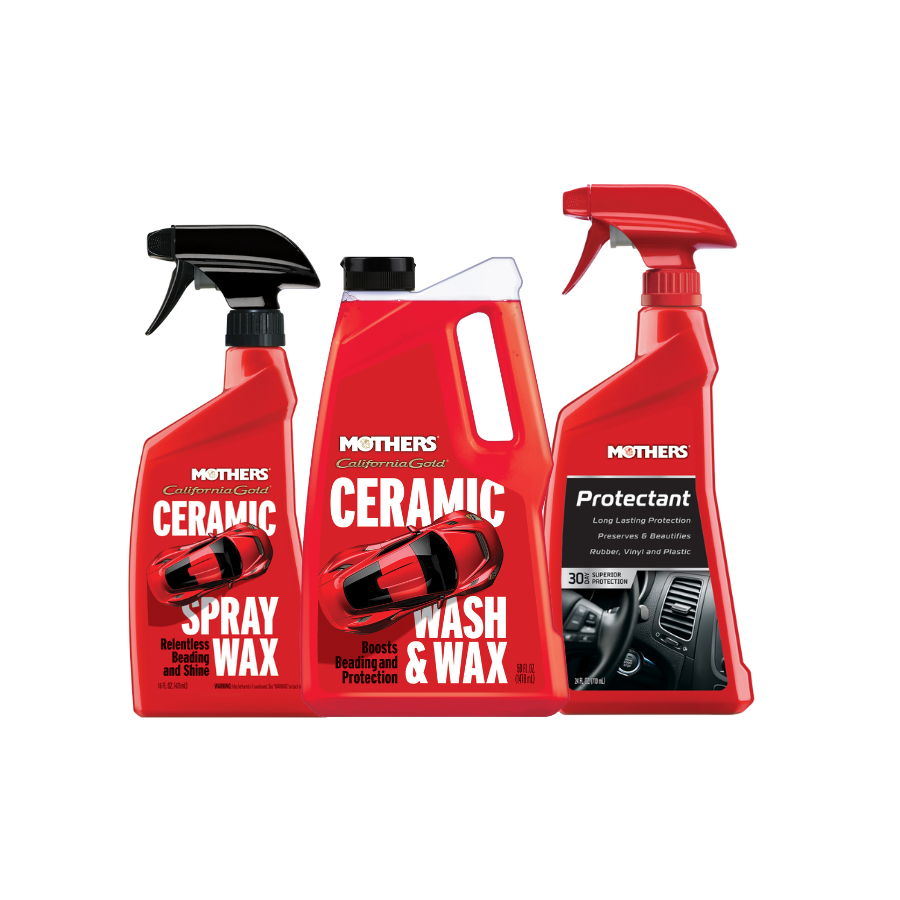
Most car waxes last 2–3 months under normal driving and weather conditions. Synthetic waxes or sealants can last up to six months, while spray waxes may need reapplication every few weeks.
Can Waxing Remove Scratches?
Wax does not remove deep scratches, but it can fill in and hide minor swirl marks and imperfections, making them less visible.
Is Waxing Necessary If My Car Is New?
Yes. Even new cars benefit from waxing. Factory paint is vulnerable to UV rays, bird droppings, and road contaminants from day one.
What’s The Difference Between Waxing And Polishing?
Waxing protects the paint and adds shine. Polishing is an abrasive process that removes a fine layer of paint to erase scratches and oxidation. Always polish before waxing, never after.
Can I Use Wax On Windows Or Headlights?
You can use wax on headlights and sometimes on exterior glass (not windshield wipers), but test a small area first. Wax helps repel water and slow UV damage on plastic lights.
By making waxing a regular part of your car care routine, you keep your vehicle looking great, simplify cleaning, and protect the paint for years to come. A little effort goes a long way in preserving both your car’s appearance and its value.
Credit: crspotless.com
Related posts
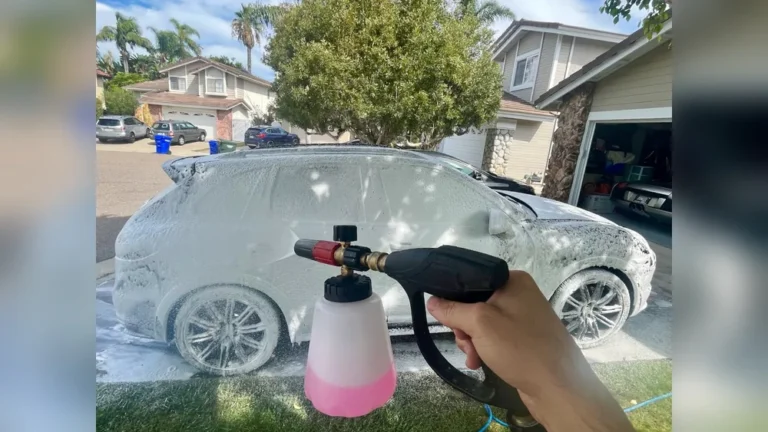 Why You Should Use a Foam Cannon for Car Washing: Ultimate Guide
Washing your car is more than just making it look good. It protects the paint, keeps the value high, and makes driving feel better. But if…
 How to Clean Leather Seats Without Damaging Them: Expert Tips
Keeping your leather seats clean can be a challenge. Leather looks beautiful and feels luxurious, but it needs special care. Many people worry about damaging their…
 Why Using a Ceramic Coating Spray is Important for Your Car’s Shine
If you care about your car’s appearance and value, you probably wash and wax it regularly. But did you know there’s a better way to protect…