
Why Using a Bug And Tar Remover is Important for Your Car’s Shine
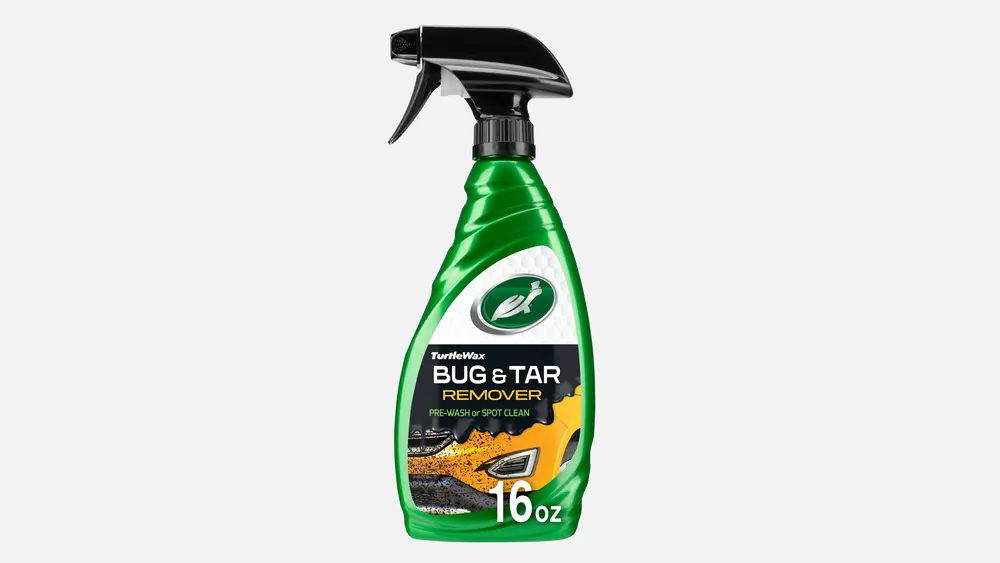
Keeping your car looking clean is more than just washing it with soap and water. If you drive often, you have likely noticed sticky bugs and stubborn tar spots on your paint. These are more than just ugly marks. They can actually damage your car if you ignore them. Many drivers think a regular wash is enough, but that’s rarely true. You need something stronger: a bug and tar remover. Using this product can protect your car, help keep its value, and make sure you don’t face expensive repairs later.
Let’s explore why using a bug and tar remover is so important, how it works, and what could happen if you skip this simple step. By the end, you’ll see that this is not just about making your car look nice—it’s about real protection.
The Problem: Bugs And Tar On Your Car
If you travel on highways or rural roads, your car is exposed to insects and tar all the time. Bugs splatter on your bumper, windshield, and hood. Tar spots often appear near your wheels or along the lower body after driving over freshly paved roads.
These marks are more than just dirt.
Bug remains contain acids that can eat into your paint. Tar spots are sticky and can trap dust, sand, and other debris. This combination can scratch or stain your car’s surface. According to the International Carwash Association, bug and tar damage is one of the most common causes of paint deterioration in the US.
Common Locations For Bug And Tar Build-up
- Front bumper
- Hood
- Side mirrors
- Windshield
- Lower doors
These areas are hit first and hardest. If you ignore these spots, they become much harder to clean later.
Why Soap And Water Are Not Enough
Many car owners try to clean their vehicles with regular car wash soap. While soap removes dust and some light dirt, it often fails against bugs and tar. Here’s why:
- Bug remains are sticky and acidic. Soap cannot dissolve the proteins and sugars in bug guts.
- Tar is oily and binds tightly to paint. Soap can’t break down this sticky material.
To show the difference, look at this comparison:
| Cleaning Method | Effectiveness on Bugs | Effectiveness on Tar |
|---|---|---|
| Soap & Water | Low | Very Low |
| Bug & Tar Remover | High | High |
A bug and tar remover uses special chemicals that break down the sticky substances and dissolve the tar. This makes the removal much easier and safer.
How Bug And Tar Remover Works
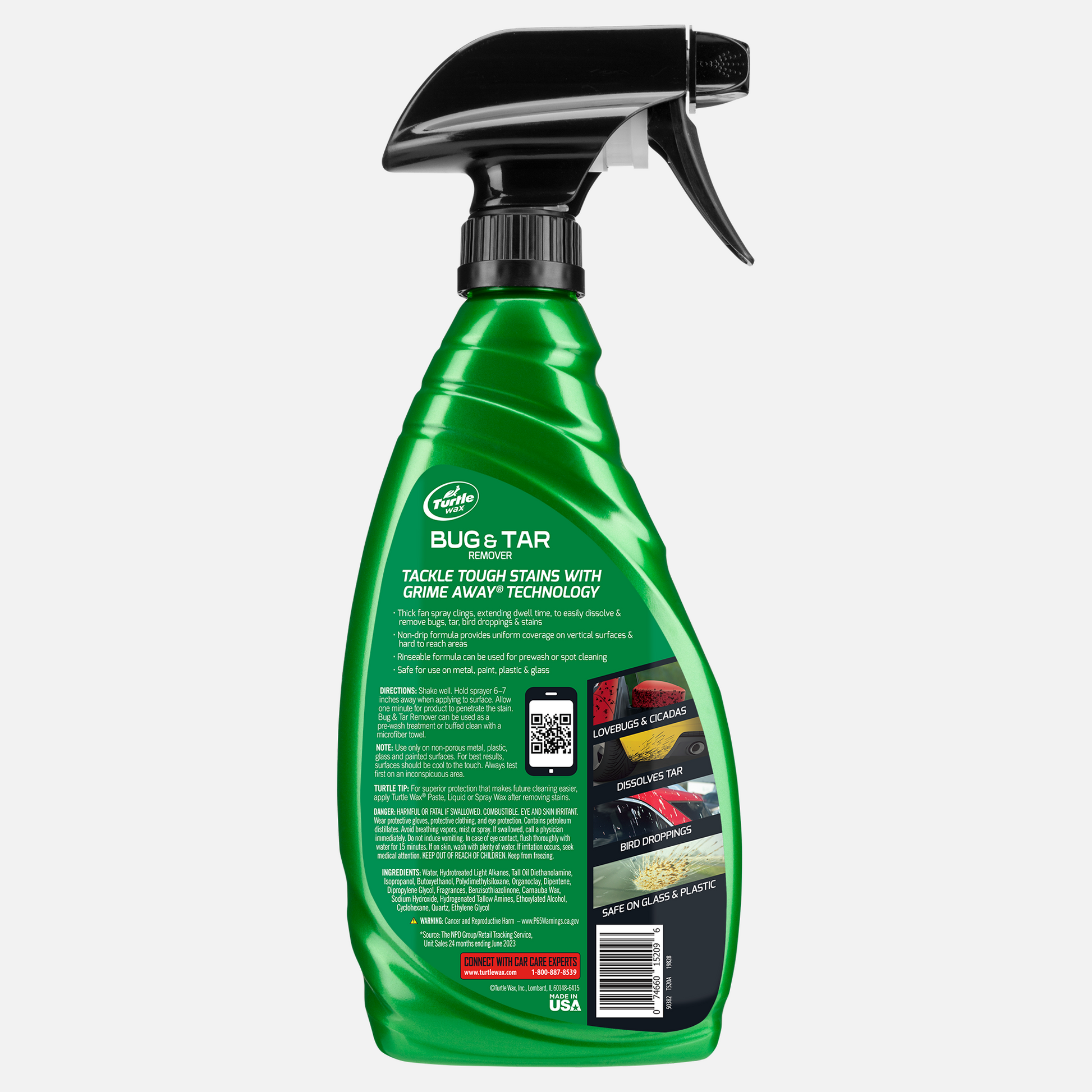
Bug and tar removers use solvents and cleaning agents that target proteins, acids, and oils. These are not harsh on paint but are very effective against tough stains.
How To Use Bug And Tar Remover
- Spray or apply the remover directly on the affected area.
- Wait for a few minutes (usually 3–5 minutes).
- Gently wipe with a microfiber cloth or sponge.
- Rinse the area with water.
Most removers are safe for paint, chrome, and glass. Always check the label for instructions.
Example: Quick Removal Process
Imagine you have dried bug stains on your front bumper. Soap does little. But with bug and tar remover, you spray, wait, and wipe—the stains disappear. This saves time and prevents the need for scrubbing, which can scratch your paint.
The Risks Of Ignoring Bug And Tar Stains
If you don’t use a bug and tar remover, you risk more than just a dirty car. Here are the top dangers:
- Paint Damage: Bug acids eat into the paint, causing stains and color fading.
- Scratches: Tar traps grit and sand; scrubbing can scratch the surface.
- Corrosion: Over time, bug remains can encourage rust, especially if they penetrate the paint.
- Reduced Value: Visible stains and damage lower your car’s resale value.
- Costly Repairs: Paint repairs can cost $300–$1,000 depending on the damage.
Real-world Example
A 2026 survey by CarMax found that cars with visible bug and tar damage sold for up to 10% less than similar clean vehicles. That could mean a loss of $1,500 on a $15,000 car.

Credit: mothers.com
Benefits Of Using Bug And Tar Remover
Using a bug and tar remover brings several advantages:
- Protects paint: Stops acids and oils from damaging your car’s surface.
- Easy cleaning: Removes tough stains without hard scrubbing.
- Saves money: Prevents costly paint repairs.
- Improves appearance: Keeps your car looking shiny and well-kept.
- Maintains resale value: Clean cars sell for more.
Hidden Insights Most Beginners Miss
- Even small bug stains can damage paint if left for more than a week.
- Tar spots can hide rust; cleaning them early lets you spot problems before they spread.
Choosing The Right Bug And Tar Remover
Not all products are the same. Here’s how to pick the best one:
| Product Type | Best For | Price Range | Ease of Use |
|---|---|---|---|
| Spray | Quick cleaning, small areas | $7–$15 | Easy |
| Gel | Heavy build-up, larger areas | $10–$18 | Medium |
| Wipes | On-the-go, spot removal | $8–$12 | Very easy |
What Matters When Choosing
- Safe for paint: Check for “paint-safe” labels.
- Easy to use: Sprays and wipes are faster.
- Strong cleaning power: Look for products that handle both bugs and tar.
Common Mistakes When Buying
- Choosing harsh cleaners that damage paint.
- Ignoring safety labels for chrome or plastic parts.
- Buying large containers without checking shelf life.

Credit: www.amazon.com
Step-by-step Guide To Applying Bug And Tar Remover
Many beginners worry about damaging their paint. Here’s a safe routine:
- Wash the area with water to remove loose dirt.
- Apply remover to the bug or tar spot.
- Wait as directed (usually 3–5 minutes).
- Wipe with a soft microfiber cloth.
- Rinse the area again.
- Dry with a clean towel.
Practical Tips
- Always test on a small, hidden spot first.
- Work in the shade; sunlight can dry remover too fast.
- Don’t use paper towels, which can scratch paint.
Comparing Bug And Tar Remover To Other Cleaning Methods
Some people try alternatives like rubbing alcohol or WD-40. These can work but often risk damaging paint, rubber, or plastic.
| Method | Effectiveness | Paint Safety | Ease of Use |
|---|---|---|---|
| Bug & Tar Remover | High | Safe | Easy |
| Rubbing Alcohol | Medium | Risky | Medium |
| WD-40 | Low | Risky | Easy |
| Soap & Water | Low | Safe | Easy |
For the best results, stick to products made for cars.
Extra Protection: Preventing Bug And Tar Build-up
While cleaning is important, prevention saves time. Here are smart ways to reduce bug and tar stains:
- Apply wax or sealant to your car. This creates a barrier against sticky stuff.
- Use bug shields on your front bumper if you drive highways often.
- Wash your car regularly, especially after road trips.
Two Insights Most Car Owners Miss
- Waxing your car once a month can make bug removal much easier.
- Parking under trees might seem safe, but it attracts bugs and bird droppings, increasing the need for cleaning.
Environmental Concerns
Some bug and tar removers contain chemicals that can harm the environment if not used carefully. Choose products labeled biodegradable or eco-friendly. Always rinse the cleaning area on concrete, not grass or soil. This helps prevent harmful chemicals from entering the ecosystem.
For more details on safe car cleaning, you can check advice from the EPA Safer Choice Program.
Credit: www.turtlewax.com
Frequently Asked Questions
What Happens If I Leave Bug Stains On My Car?
Bug stains contain acids that can eat into paint. After a week, these stains can cause permanent marks. Over time, they may lead to rust, especially on older vehicles.
Can I Use Bug And Tar Remover On Glass And Chrome?
Most removers are safe for glass and chrome. Always read the instructions before use. Avoid contact with rubber or plastic if the product warns against it.
How Often Should I Use Bug And Tar Remover?
Use it whenever you notice bug or tar spots, especially after long drives. For most drivers, once every two weeks is enough in summer or during bug season.
Is Bug And Tar Remover Safe For All Car Paints?
Many products are safe for clear coat paint, but some may damage older finishes. Test on a small area first and avoid products with strong solvents if your car has custom paint.
Can Bug And Tar Remover Remove Other Stains?
Some removers can clean tree sap and bird droppings, but not all. Check the product label for details. Never use it for deep scratches or chemical stains.
Keeping your car clean is not just about looks. Using a bug and tar remover is a smart step that protects your investment, keeps your paint healthy, and saves money on repairs. With the right product and routine, you can enjoy a beautiful car for years to come.
Remember, prevention and quick cleaning are key—and using the proper remover makes all the difference.
Related posts
 Why You Should Use a Foam Cannon for Car Washing: Ultimate Guide
Washing your car is more than just making it look good. It protects the paint, keeps the value high, and makes driving feel better. But if…
 How to Clean Leather Seats Without Damaging Them: Expert Tips
Keeping your leather seats clean can be a challenge. Leather looks beautiful and feels luxurious, but it needs special care. Many people worry about damaging their…
 Why Using a Ceramic Coating Spray is Important for Your Car’s Shine
If you care about your car’s appearance and value, you probably wash and wax it regularly. But did you know there’s a better way to protect…