
Why Microfiber Towels are Essential for Detailing Success
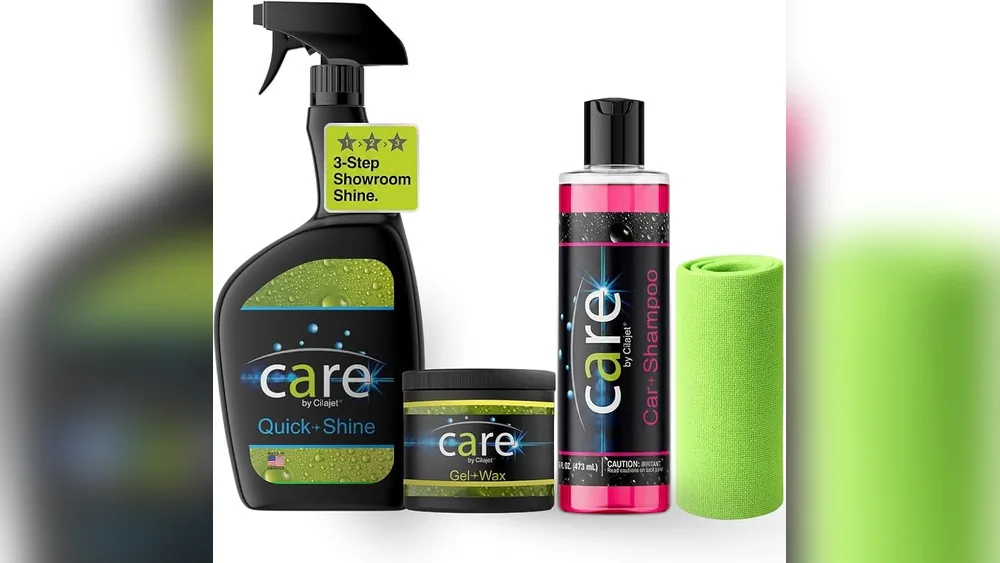
Microfiber towels have transformed the world of car detailing. If you have ever cleaned your car with a regular cloth, you might have noticed streaks, scratches, or missed spots. Microfiber towels solve these problems and offer much more. They are not just a trend—they are now the gold standard for both professionals and passionate car owners.
Understanding why these towels are essential can save you time, protect your car’s surfaces, and give you a finish that impresses. Let’s break down exactly what makes microfiber towels so important for detailing.
What Makes Microfiber Towels Different
Microfiber is not just another fabric. It’s made from very fine synthetic fibers—usually a blend of polyester and polyamide (nylon). These fibers are much thinner than human hair. In fact, a single microfiber is about 1/100th the diameter of a strand of hair. This small size gives microfiber towels their unique abilities.
The structure of microfiber allows it to trap dirt, dust, and moisture much better than cotton or paper towels. Each towel contains thousands of tiny fibers that act like hooks, grabbing particles and holding them until you wash the towel.
This is why microfiber towels clean so well and help avoid scratches.
Advantages Of Microfiber Towels For Detailing
Microfiber towels offer several big advantages over traditional cleaning cloths. These benefits make them essential for car detailing.
Superior Cleaning Ability
Microfiber towels can absorb up to seven times their weight in water. Their split fiber technology creates more surface area, which means they pick up more dirt and dust. This is especially useful when cleaning interiors, windows, or paintwork.
Gentle On Surfaces
The softness of microfiber means it won’t scratch delicate surfaces. This is critical for car paint, clear coats, and even sensitive dashboards. Unlike cotton, which can leave behind lint or cause micro-abrasions, microfiber is designed to be safe for all surfaces.
Lint-free Finish
One of the most frustrating things about traditional towels is the lint they leave behind. Microfiber towels are engineered to be lint-free, so your car looks spotless after cleaning.
Efficient Drying And Polishing
Microfiber towels are ideal for drying cars after a wash. Their high absorbency allows you to dry faster and more thoroughly. They’re also perfect for polishing and buffing because they leave a clean, glossy finish.
Durability And Cost Savings
Microfiber towels can last for hundreds of washes if cared for properly. This durability means you spend less money over time. Cotton towels and disposable wipes wear out quickly, so microfiber offers long-term savings.
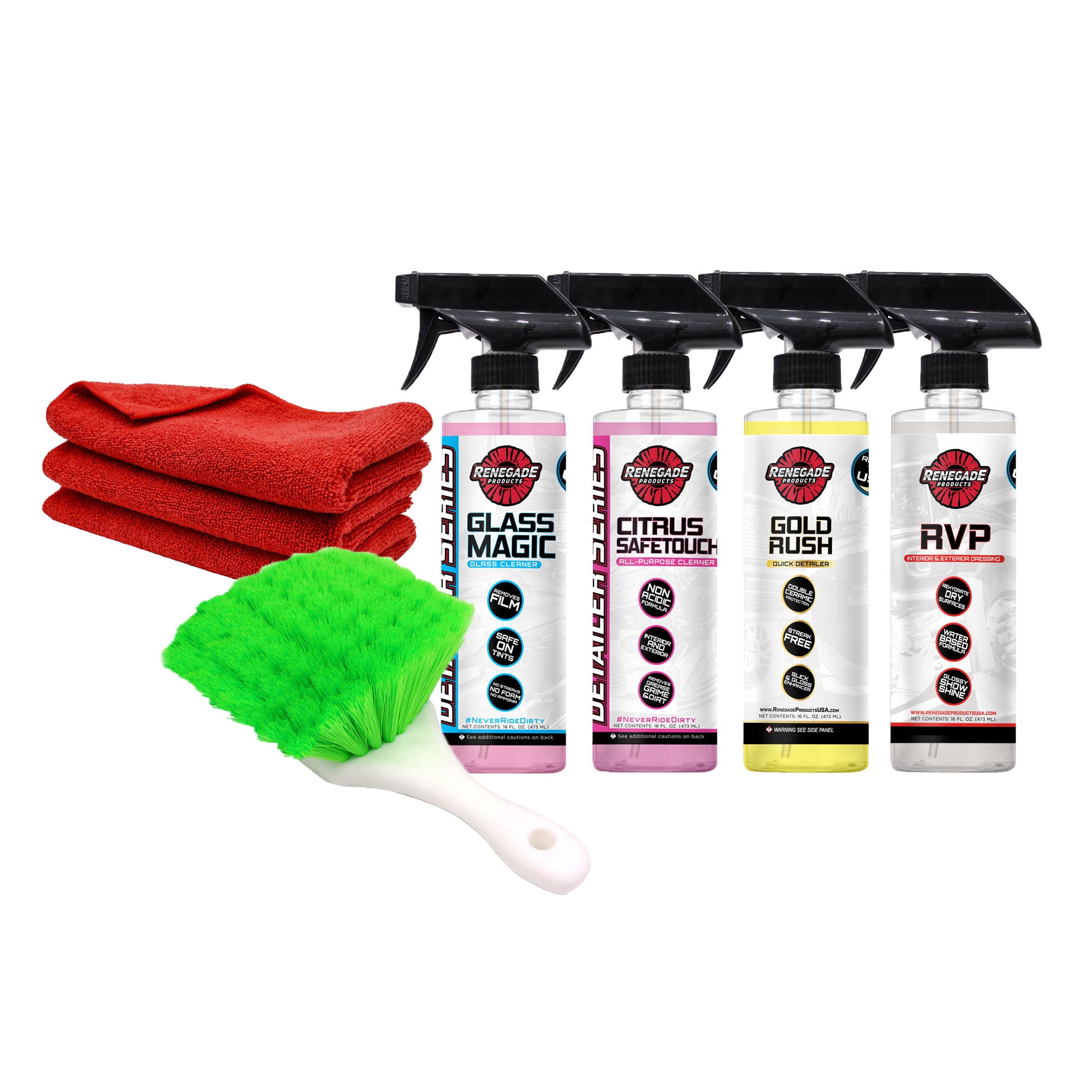
Credit: www.renegadeproductsusa.com
Microfiber Vs. Other Towel Materials
To understand the real impact of microfiber towels, it helps to compare them with other common materials. Here’s a quick look at how they stack up:
| Material | Absorbency | Surface Safety | Lifespan | Lint Production |
|---|---|---|---|---|
| Microfiber | High | Excellent | Long | Very Low |
| Cotton | Moderate | Good | Medium | Moderate |
| Paper Towels | Low | Poor | Single Use | High |
| Chamois | High | Good | Medium | Low |
Microfiber towels outperform other materials in almost every category. Their absorbency, safety, and durability make them the clear winner.
How Microfiber Towels Work
The secret to microfiber is its split fibers. Each fiber is split into multiple strands, creating tiny channels that trap dirt and moisture. When you wipe a surface, these fibers pull particles away from the surface and hold them deep within the towel.
This structure also makes microfiber towels highly electrostatic. They attract dust and small particles, which is perfect for dry dusting and cleaning glass.
Example: Cleaning A Car Window
Using a regular cotton towel, you might see streaks after cleaning a window. But with microfiber, the towel grabs both water and dirt at the same time, leaving the glass clear and streak-free. This is why detailers often use microfiber towels for the final wipe-down.

Credit: esotericcarcare.com
Types Of Microfiber Towels
Not all microfiber towels are the same. Different types are made for different jobs. Understanding which type to use will improve your detailing results.
| Type | Best Use | GSM (Grams per Square Meter) | Texture |
|---|---|---|---|
| General Purpose | Interior Cleaning | 200-300 | Medium |
| Glass Towel | Windows, Mirrors | 300-350 | Smooth |
| Drying Towel | Exterior Drying | 600-1200 | Plush |
| Polishing Towel | Wax/Buffing | 350-450 | Soft |
The GSM rating shows how thick and plush the towel is. Higher GSM towels are more absorbent and better for delicate tasks like drying or buffing.
Microfiber Towel Maintenance
A key reason microfiber towels are essential is their longevity. But to get the most out of them, you must care for them properly.
Washing Tips
- Use a gentle detergent with no fabric softener or bleach.
- Wash towels in cold or warm water.
- Separate towels by their use—keep those used for paintwork apart from those used for interiors.
Drying Tips
- Air-dry or use a low heat setting.
- Avoid dryer sheets, which can clog fibers.
Storage
Store microfiber towels in a clean, dry area. Avoid mixing with other fabrics to prevent lint transfer.
Common Mistakes
- Using fabric softener: This coats the fibers and reduces absorbency.
- Washing with cotton: Cotton lint sticks to microfiber, reducing its effectiveness.
- Using high heat: This can damage the fibers, making towels less soft and absorbent.
Real-world Impact: Microfiber Towels In Professional Detailing
Professional detailers trust microfiber towels because they deliver consistent results. In a survey by the International Detailing Association, 92% of detailers said microfiber towels improved their work quality. Many shops report fewer complaints about scratches or streaks when using microfiber.
Example: Paint Correction
Paint correction is a sensitive process. Any abrasive material can ruin the finish. Microfiber towels are used to wipe away compounds and polishes, ensuring a flawless result. Some detailers even use color-coded towels (blue for glass, yellow for paint, green for interiors) to prevent cross-contamination.
Choosing The Right Microfiber Towel
When buying microfiber towels for detailing, several factors matter. Here’s a quick comparison of the most important features:
| Feature | Why It Matters | Recommended Option |
|---|---|---|
| GSM | Higher GSM means more absorbency and softness | 300+ for paint, 600+ for drying |
| Blend | Polyester/Polyamide ratio affects performance | 80/20 or 70/30 blends |
| Edge Type | Seamed or ultrasonic cut prevents scratches | Ultrasonic cut for paint |
| Size | Large towels cover more area, small towels suit interiors | 16″x16″ for interiors, 24″x36″ for drying |
Look for towels labeled specifically for automotive use. Cheap microfiber towels may not have the same quality or fiber split, so check reviews and product information.

Credit: www.turtlewax.co.uk
Two Non-obvious Insights Beginners Miss
- Using the right towel for the right job: Many beginners use one towel for everything. This leads to cross-contamination and poor results. Always dedicate specific towels to certain tasks (glass, paint, interiors).
- Replacing towels when fibers wear out: Microfiber towels lose effectiveness when their fibers get damaged. If a towel feels rough or leaves streaks, it’s time to replace it—even if it looks clean.
Why Microfiber Towels Are Environmentally Friendly
Microfiber towels help reduce waste. You can reuse them hundreds of times, cutting down on single-use wipes or paper towels. This is not just good for your wallet, but also for the planet. According to EPA, switching to reusable cleaning products like microfiber can reduce landfill waste and save natural resources.
Microfiber Towels For Detailing: Practical Tips
- Fold towels into quarters to get more clean surfaces.
- Use color-coded towels to avoid mixing products.
- Replace towels regularly to maintain peak performance.
- Store towels in a sealed bag or container to keep them clean.
Frequently Asked Questions
How Often Should Microfiber Towels Be Washed?
Wash microfiber towels after each use to remove trapped dirt and chemicals. If used for heavy-duty tasks (like polishing), wash separately to avoid cross-contamination.
Can Microfiber Towels Cause Scratches?
Microfiber towels are designed to be gentle, but if they are dirty or damaged, they can cause scratches. Always use clean, undamaged towels on sensitive surfaces.
What Is Gsm, And Why Does It Matter?
GSM stands for grams per square meter. It measures how thick and plush a towel is. Higher GSM towels are softer and absorb more water, making them better for drying and polishing.
Are All Microfiber Towels The Same?
No. Microfiber towels differ in fiber blend, GSM, edge type, and size. Some are made for drying, others for polishing or glass cleaning. Choose the right towel for each task.
How Do I Know When To Replace A Microfiber Towel?
Replace towels when they feel rough, leave streaks, or don’t absorb as well. Damaged fibers mean the towel is no longer safe for detailing.
Every serious detailer knows that the right tools make all the difference. Microfiber towels are more than just cloths—they are precision instruments that protect your car, improve results, and save you money. By understanding their advantages, choosing the right types, and caring for them properly, you can transform your detailing routine and enjoy a cleaner, shinier vehicle every time.
Related posts
 Why You Should Use a Foam Cannon for Car Washing: Ultimate Guide
Washing your car is more than just making it look good. It protects the paint, keeps the value high, and makes driving feel better. But if…
 How to Clean Leather Seats Without Damaging Them: Expert Tips
Keeping your leather seats clean can be a challenge. Leather looks beautiful and feels luxurious, but it needs special care. Many people worry about damaging their…
 Why Using a Ceramic Coating Spray is Important for Your Car’s Shine
If you care about your car’s appearance and value, you probably wash and wax it regularly. But did you know there’s a better way to protect…