
The Importance of Using a Car Upholstery Cleaner for a Spotless Ride

Keeping your car clean goes beyond washing the exterior. The inside of your vehicle, especially the seats and carpets, faces daily wear from food, drinks, sweat, and dust. Many drivers notice stains and smells, but few realize the real impact of ignoring upholstery care. Using a car upholstery cleaner not only keeps your car looking good—it preserves value, improves health, and makes every drive more comfortable. Let’s explore why this often-overlooked detail matters and how it can change your driving experience.
Why Car Upholstery Gets Dirty
Car upholstery faces unique challenges compared to home furniture. Drivers and passengers bring dirt, sweat, oils, and crumbs every day. Drinks spill, kids drop snacks, pets leave hair, and shoes track in mud. Even with careful habits, dust and pollen settle on fabrics and leather. According to the American Cleaning Institute, the average car interior can carry more bacteria than a public toilet seat, especially if cleaning is rare.
Environmental factors add to the problem. Sunlight fades colors and weakens fabric. Moisture from rain, spilled water, or humidity can lead to mold growth. Over time, these issues build up, making seats look worn and smell unpleasant.
Benefits Of Using A Car Upholstery Cleaner
1. Preserves Car Value
A clean interior is vital when selling or trading your car. Buyers look for fresh-smelling seats and spotless carpets. Stains, odors, and worn fabric signal neglect and can reduce your car’s resale value by up to 15%, according to Kelley Blue Book.
2. Protects Health
Dirty upholstery harbors bacteria, allergens, and even mold spores. These can trigger allergies and respiratory problems. Children and pets are more sensitive to these issues. Regular use of a car upholstery cleaner removes germs and allergens, creating a healthier space.
3. Prevents Permanent Damage
Stains from coffee, food, or grease can become permanent if left untreated. Some spills seep deep into fabric, breaking down fibers and causing discoloration. Cleaning quickly prevents long-term damage and costly repairs.
4. Improves Comfort
Clean seats and carpets feel soft and smell pleasant. Odors from sweat, food, or pets linger without proper cleaning. Using a car upholstery cleaner restores freshness, making every trip more enjoyable.
5. Maintains Appearance
First impressions matter. A spotless interior shows pride and care. Whether driving clients, friends, or family, clean upholstery reflects well on you.
Types Of Car Upholstery Cleaners
Different products suit different materials. Choosing the right one is key for effective cleaning and avoiding damage.
| Cleaner Type | Best For | Main Features |
|---|---|---|
| Foam Cleaner | Fabric, carpet | Deep penetration, easy to apply |
| Spray Cleaner | General use | Quick spot cleaning, versatile |
| Liquid Cleaner | Stubborn stains | Strong formula, often used with brushes |
| Leather Cleaner | Leather seats | Gentle, preserves natural oils |
Some cleaners are made for tough stains, while others focus on gentle maintenance. Always check the label for compatibility with your car’s materials.
How To Clean Car Upholstery Effectively
Cleaning your car’s interior is simple if you follow a few steps. A practical approach saves time and prevents mistakes.
- Vacuum first: Remove loose dirt, crumbs, and hair before applying any cleaner.
- Spot test: Try the cleaner on a hidden area to check for color fading or damage.
- Apply cleaner: Spray or foam the affected area as directed. Use a soft brush for tough stains.
- Let it sit: Allow the cleaner to work for the recommended time.
- Wipe off: Use a clean, damp cloth to remove cleaner and loosened dirt.
- Dry completely: Open windows or run fans to prevent moisture buildup.
Common Mistakes To Avoid
- Using household cleaners not made for cars—they can damage fabric or leather.
- Over-wetting seats, which encourages mold.
- Skipping vacuuming, leading to muddy results.
- Forgetting spot tests, risking color loss.
Comparing Diy And Professional Cleaning
Many drivers wonder if they should clean upholstery themselves or hire professionals. Let’s compare the two approaches:
| Aspect | DIY Cleaning | Professional Cleaning |
|---|---|---|
| Cost | Low ($10-$40 per product) | High ($80-$200 per session) |
| Convenience | Flexible, at home | Requires appointment |
| Effectiveness | Good for light stains | Best for deep stains, odors |
| Time | 1-2 hours | Several hours, including drop-off |
DIY is perfect for routine care and minor stains. Professionals are better for deep cleaning, severe odors, or delicate materials. Many car owners combine both methods: regular DIY cleaning plus professional service once or twice a year.
Choosing The Right Car Upholstery Cleaner
Selecting the best cleaner depends on your car’s materials and your needs. Here’s what to consider:
- Material: Fabric, leather, or synthetic? Each needs a different formula.
- Type of stain: Food, oil, mud, ink, or pet messes may require special products.
- Ease of use: Spray bottles are simple, foams are good for coverage, liquids may need more effort.
- Safety: Check for non-toxic ingredients if you drive with children or pets.
Top Features To Look For
- Fast action: Products that work quickly save time.
- Stain removal: Strong enough for tough spots, gentle enough for daily use.
- Odor elimination: Many cleaners neutralize smells, not just mask them.
- Residue-free: No sticky feeling after drying.

Credit: www.universityfordnorth.com
The Science Behind Upholstery Cleaning
Car upholstery cleaners use a mix of chemicals to break down stains and kill germs. Most contain surfactants, which lift dirt from fibers. Enzymatic cleaners target organic stains like food, sweat, or pet messes. Some products include antibacterial agents to reduce germs.
A study by the University of Arizona found that car interiors can host more than 1 million bacteria per square inch. Regular cleaning cuts these numbers sharply. Cleaners designed for cars often use safe, non-abrasive compounds to avoid damaging delicate materials.
Real-life Example: Cleaning Saves Money
Imagine a family car used for daily school runs, shopping, and road trips. Over two years, seats show stains from juice boxes, ice cream, and muddy shoes. The owner uses a quality car upholstery cleaner monthly. At resale, the car’s interior looks fresh, and the dealer offers a price 12% higher than a similar model with visible stains. Cleaning regularly paid off in both comfort and cash.

Credit: www.autotrainingcentre.com
Environmental Impact Of Upholstery Cleaning
Some cleaners use harsh chemicals that can harm the environment. Modern products focus on biodegradable formulas and safe ingredients. Look for eco-friendly labels. Avoid dumping dirty water into storm drains—dispose of waste responsibly.
When To Clean Car Upholstery
How often should you clean? It depends on usage.
- Daily drivers: Clean every 1-2 months.
- Family cars: Clean monthly, especially with kids or pets.
- Rarely used cars: Clean every 3-6 months.
Seasonal changes matter too. After winter, salt and mud may require extra attention. In summer, sweat and sunscreen can stain seats.
Comparing Upholstery Materials And Cleaning Needs
Different seat materials require different care. Here’s a quick guide:
| Material | Cleaning Frequency | Special Care |
|---|---|---|
| Fabric | Monthly | Vacuum often, avoid over-wetting |
| Leather | Every 2-3 months | Use gentle cleaners, apply conditioner |
| Vinyl | Monthly | Wipe with damp cloth, avoid harsh chemicals |
Leather needs regular conditioning to prevent cracking. Fabric seats absorb spills quickly, so prompt cleaning is key. Vinyl is easy to wipe, but avoid products with alcohol.
Two Insights Most Beginners Miss
First, many people don’t realize that odors are not just on the surface. Smells often sink deep into foam and carpet, making them hard to remove. Using a cleaner with odor-neutralizing technology is crucial.
Second, beginners often skip protective treatments after cleaning. Applying a fabric or leather protector makes future stains easier to remove and keeps seats looking new longer.

Credit: coconutcleaningco.com
Practical Tips For Better Upholstery Care
- Clean up spills immediately to prevent stains.
- Use seat covers for extra protection if you drive with pets or kids.
- Avoid eating or drinking in the car to minimize mess.
- Keep a mini upholstery cleaner in your glove box for emergencies.
- Always read product instructions before use.
Frequently Asked Questions
How Often Should I Use A Car Upholstery Cleaner?
For most cars, clean upholstery every 1-2 months. If you have kids, pets, or drive daily, monthly cleaning is best. Spot clean spills as soon as they happen.
Can I Use Home Cleaning Products On Car Seats?
It’s risky. Household cleaners may contain bleach or strong chemicals that damage car fabrics or leather. Always use products made for cars to avoid color fading and material breakdown.
Does Cleaning Upholstery Help With Allergies?
Yes. Cleaning removes dust, pollen, and bacteria that cause allergies. Using a car upholstery cleaner with antibacterial properties creates a healthier environment, especially for children and sensitive passengers.
What’s The Best Cleaner For Leather Seats?
Choose a leather-specific cleaner and follow up with a conditioner. Avoid products with alcohol or strong solvents. Some brands offer all-in-one formulas that clean and condition.
Where Can I Find More Research About Car Cleanliness?
You can find detailed studies and cleaning guidelines at Consumer Reports, which offers expert advice on car care and maintenance.
Keeping your car’s upholstery clean is more than a cosmetic choice—it protects your health, wallet, and driving experience. Investing in a quality car upholstery cleaner saves money, prevents damage, and makes your car a pleasant place to be. Small steps like regular cleaning, choosing the right products, and quick responses to spills can keep your vehicle fresh for years. Whether you’re preparing for a sale or simply want to enjoy your ride, attention to your car’s interior pays off in ways you might not expect.
Related posts
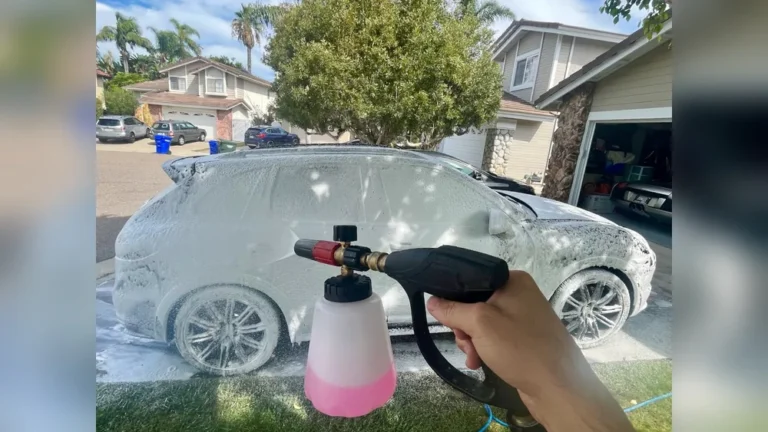 Why You Should Use a Foam Cannon for Car Washing: Ultimate Guide
Washing your car is more than just making it look good. It protects the paint, keeps the value high, and makes driving feel better. But if…
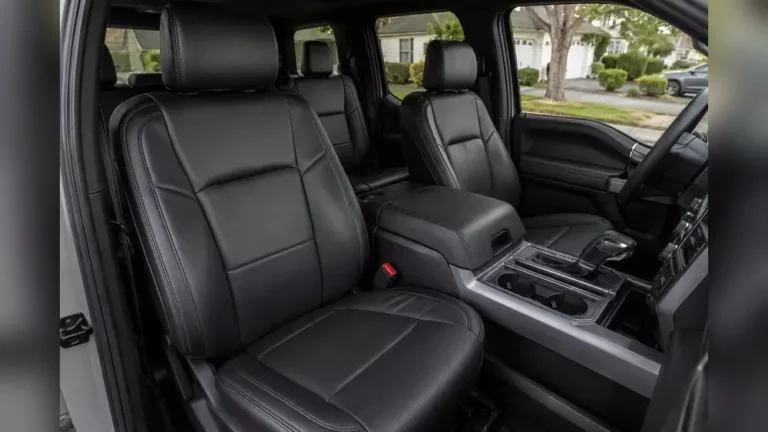 How to Clean Leather Seats Without Damaging Them: Expert Tips
Keeping your leather seats clean can be a challenge. Leather looks beautiful and feels luxurious, but it needs special care. Many people worry about damaging their…
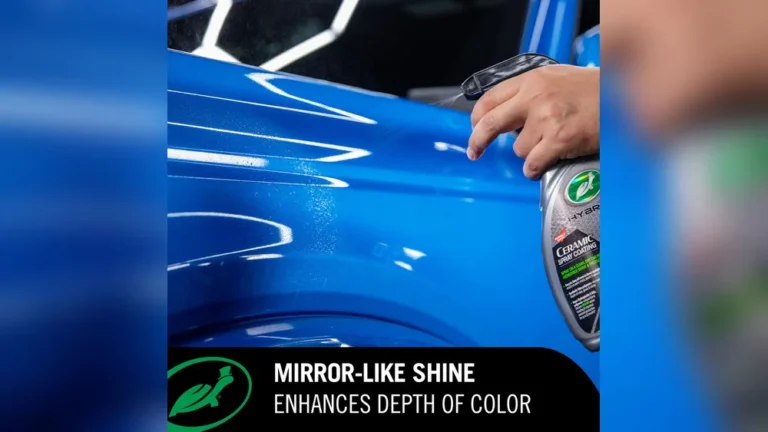 Why Using a Ceramic Coating Spray is Important for Your Car’s Shine
If you care about your car’s appearance and value, you probably wash and wax it regularly. But did you know there’s a better way to protect…