
The Best Products for Keeping Your Car Smelling Fresh All Year
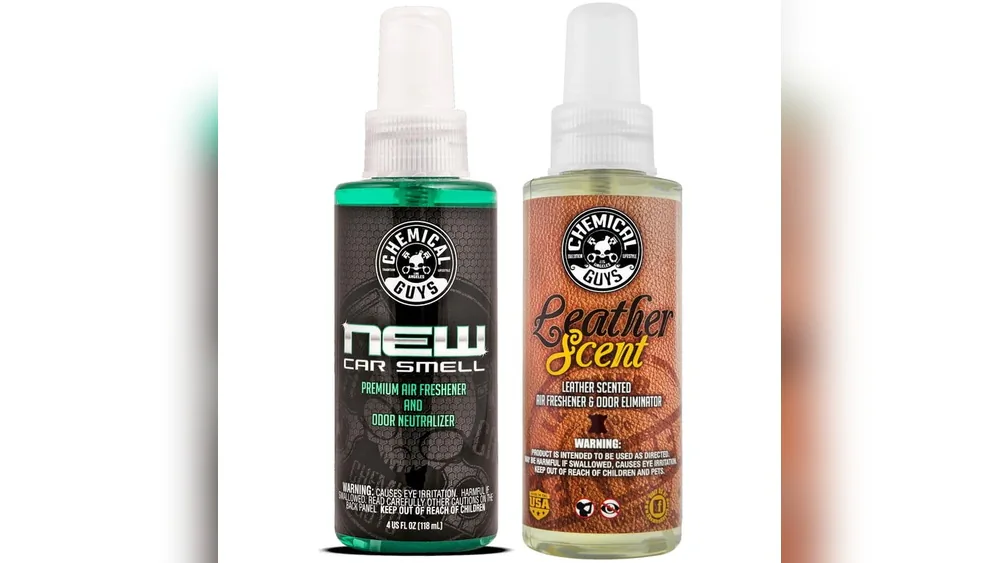
Keeping your car smelling fresh isn’t just about comfort—it’s about creating a positive, inviting environment every time you drive. Whether you’re shuttling friends, family, or clients, a pleasant scent can make a strong impression. However, cars naturally collect odors from food, sweat, pets, and even the air outside.
It’s easy for these smells to build up, making your vehicle less enjoyable. Luckily, the right products can help you fight back and keep your car smelling its best every day.
Finding the best products for car freshness can be confusing, especially with so many options available. Air fresheners, sprays, gels, and even high-tech devices all promise great results. But not all products work equally well for every situation. This guide explores the most effective choices, shares practical tips, and highlights what really matters when choosing products to keep your car smelling clean and inviting.
Why Car Odors Happen
Before choosing the right product, it helps to understand why odors develop in the first place. Common causes include:
- Food spills: Even a small crumb can attract bacteria and cause bad smells.
- Moisture: Wet floor mats or seats can lead to mildew.
- Pets: Animal hair and dander quickly create stubborn odors.
- Smoking: Tobacco smoke clings to upholstery and lingers.
- Daily use: Sweat, dirt, and outside air all contribute over time.
The key is to address both the cause of the smell and the air itself. Masking bad odors isn’t enough—removal and prevention are equally important.
Air Fresheners: Classic Options For Every Car
Air fresheners are the most common product for keeping your car smelling fresh. They’re affordable, easy to use, and come in many scents. But not all air fresheners are the same.
Hanging Cardboard Fresheners
These are the classic tree-shaped fresheners you often see hanging from rearview mirrors. They release fragrance for about 2–4 weeks. Popular scents include Black Ice, Vanilla, and New Car Scent.
Pros:
- Cheap
- Easy to replace
- Widely available
Cons:
- Scent fades quickly
- Limited coverage for larger vehicles
Vent Clip Fresheners
Vent clips attach to your car’s air vents, using airflow to distribute fragrance. Many brands offer adjustable intensity and last 30–60 days. Top choices include Febreze Car Vent Clips and Glade PlugIns Car.
Pros:
- Adjustable scent strength
- Long-lasting (up to 2 months)
- Good for even distribution
Cons:
- Some can be overpowering
- Scent can mix with AC odors
Gel And Can Fresheners
Gel containers or cans, like Little Trees Vent Wrap or Ozium Gel, can be placed under seats or in cup holders. They slowly release fragrance for 30–90 days.
Pros:
- Discreet placement
- Long lifespan
Cons:
- Can dry out in hot weather
- Not as strong for very large cars
Scented Sprays
Sprays like Chemical Guys New Car Smell or Febreze Fabric Refresher offer instant odor removal. They’re effective for quick fixes, especially after eating in your car or transporting pets.
Pros:
- Immediate effect
- Can target fabrics and air
Cons:
- Scent fades quickly
- Needs regular re-application
Comparison Of Air Freshener Types
| Type | Average Duration | Strength | Best For |
|---|---|---|---|
| Hanging Cardboard | 2–4 weeks | Mild | Daily commutes |
| Vent Clip | 4–8 weeks | Adjustable | All vehicle sizes |
| Gel/Can | 4–12 weeks | Medium | Hidden placement |
| Spray | Few hours | Strong (short-term) | Immediate results |

Credit: www.amazon.com
Odor Eliminators: Solutions That Go Deeper
While air fresheners mask smells, odor eliminators attack the source. This is important if you want long-lasting freshness, not just a temporary cover-up.
Activated Charcoal Bags
Activated charcoal naturally absorbs odors and moisture. Charcoal bags, like Moso Natural Air Purifying Bags, can be placed under seats or in storage compartments.
- Last up to 2 years (reactivate by leaving in sunlight)
- Chemical-free and safe for kids and pets
- Good for smoke, food, and pet odors
Enzyme Cleaners
Enzyme sprays, such as Nature’s Miracle or Simple Solution, break down organic matter in fabric and carpet. This is ideal for spills, pet accidents, or mildew.
- Actually remove odor-causing bacteria
- Safe on most upholstery and carpets
- Often used in professional detailing
Ozone Generators
For tough smells like smoke or mold, ozone generators can be used. These machines create ozone to neutralize odors in the air and on surfaces.
- Extremely effective for hard-to-remove odors
- Must be used carefully—car should be unoccupied during use
- Not for daily use (more for deep cleaning sessions)
Odor Eliminator Comparison
| Product | Best For | Longevity | Safety |
|---|---|---|---|
| Charcoal Bag | General odors, moisture | Up to 2 years | Very safe |
| Enzyme Cleaner | Organic spills, pet messes | As needed | Safe if used correctly |
| Ozone Generator | Smoke, mildew | Occasional use | Not for use with people/pets present |
High-tech Air Purifiers
If you want a modern solution, consider portable air purifiers designed for cars. These devices filter out particles, bacteria, and odors, keeping the air clean and fresh.
Hepa Filter Purifiers
Small HEPA units, like the Philips GoPure Compact 200, remove dust, pollen, smoke, and odor molecules from your car’s air.
- Plugs into cigarette lighter/USB
- Filters last several months
- Reduces allergens as well as smells
Ionic Purifiers
Ionic purifiers, such as FRiEQ Car Air Purifier, use negative ions to neutralize particles. They’re silent and require little maintenance.
- No filters to change
- Effective for smoke and chemical odors
- May not remove strong organic smells
High-tech Purifier Comparison
| Type | Removes Odors | Removes Allergens | Maintenance |
|---|---|---|---|
| HEPA | Yes | Yes | Change filter every 3–6 months |
| Ionic | Yes (some) | Yes | Wipe off dust |

Credit: www.amazon.com
Essential Oils And Diy Solutions
For those who prefer natural options, essential oils offer a personalized way to keep your car smelling fresh. A few drops on a felt pad, cotton ball, or dedicated car diffuser can create your favorite scent without chemicals.
- Lavender and tea tree oil can fight musty or moldy smells.
- Citrus scents, like orange or lemon, are energizing and clean.
- Eucalyptus is great for freshening up after gym sessions.
DIY tip: Place a small jar with baking soda and a few drops of essential oil under your seat. It absorbs odors and releases a gentle fragrance.
What Really Matters When Choosing Car Freshness Products
Many buyers focus only on scent, but there are other key factors:
- Type of odor: Smokers, pet owners, or frequent food eaters may need stronger solutions like enzyme cleaners or purifiers.
- Longevity: Some products need replacement every few weeks, others last months or years.
- Safety: Avoid products with strong chemicals, especially if you have allergies, kids, or pets.
- Ease of use: Choose products you’ll actually maintain (e.g., clips vs. sprays vs. purifiers).
- Budget: Charcoal bags and vent clips are affordable; purifiers and ozone generators cost more but last longer.
Common Mistakes To Avoid
- Only masking odors without cleaning the source.
- Ignoring hidden areas like under seats or floor mats.
- Using overpowering scents that may cause headaches.
- Mixing too many fragrances, creating an unpleasant blend.
Practical Tips For Lasting Freshness
Even the best products won’t work if you don’t follow a few simple habits:
- Clean regularly: Vacuum seats and floors to remove dirt and crumbs.
- Empty trash: Don’t let wrappers or bottles sit in your car.
- Dry wet mats: Moisture is a leading cause of moldy smells.
- Use sun and air: Open windows and let sunlight in when possible.
- Deep clean: Use an enzyme cleaner or ozone generator every few months for a reset.
Non-obvious Insights Most People Miss
- Climate affects product performance: In hot climates, gels and sprays evaporate faster; in humid areas, charcoal bags are extra helpful for moisture control.
- Car materials matter: Leather seats absorb less odor than fabric, but can trap smells in seams. Products like leather-safe sprays or wipes are available for targeted cleaning.
- Cabin air filters: Many car owners forget to change their cabin air filter. A clogged filter can make your car smell worse and reduce the effectiveness of fresheners and purifiers.
- Scent fatigue: After a while, your nose adjusts to a scent and you may stop noticing it. Rotate fragrances or switch products every few months to keep your car truly fresh.

Credit: www.firerescue1.com
The Best Approach: Layered Freshness
For most drivers, a layered approach works best. Start by removing the source of odors, then use a mix of products:
- Enzyme cleaner for fabrics or spills
- Charcoal bag for everyday odor control
- Vent clip or essential oil diffuser for your favorite scent
- Air purifier for allergy reduction and overall air quality
This way, you’re not just covering up smells—you’re making your car a fresher, healthier place.
If you want to explore more about car odor removal science and advanced solutions, the Consumer Reports guide offers in-depth research and reviews.
Frequently Asked Questions
How Often Should I Replace My Car Air Freshener?
Most air fresheners last between 2 and 8 weeks, depending on the type and brand. Hanging cardboard fresheners fade fastest, while gel cans and vent clips typically last longer. Replace them when you no longer notice the scent or if the product dries out.
Are Air Purifiers Better Than Traditional Air Fresheners?
Air purifiers remove both odors and airborne particles, improving air quality. Fresheners mainly add fragrance. If you have allergies, pets, or are sensitive to smells, a purifier can be a better investment for overall freshness and health.
Do Charcoal Bags Really Work For Car Odors?
Yes, activated charcoal naturally absorbs odors and moisture. They’re especially good for smoke, pet, and musty smells. Remember to place them in sunlight once a month to reactivate.
Can I Use Essential Oils In My Car?
Essential oils are safe if used properly. Place a few drops on a pad or diffuser—not directly on seats or dashboards, as oils can stain. Choose mild scents and avoid overpowering blends, especially if you share your car.
What Should I Do If My Car Still Smells Bad After Using Fresheners?
If odors persist, clean the interior thoroughly, check under seats and mats for hidden messes, and consider changing your cabin air filter. For strong, lingering smells like smoke or mildew, use an enzyme cleaner or ozone generator for deep treatment.
Keeping your car smelling fresh takes more than a single product—it’s about smart choices and good habits. By understanding the options and using a layered strategy, you can enjoy a clean, pleasant drive every day.
Related posts
 Why You Should Use a Foam Cannon for Car Washing: Ultimate Guide
Washing your car is more than just making it look good. It protects the paint, keeps the value high, and makes driving feel better. But if…
 How to Clean Leather Seats Without Damaging Them: Expert Tips
Keeping your leather seats clean can be a challenge. Leather looks beautiful and feels luxurious, but it needs special care. Many people worry about damaging their…
 Why Using a Ceramic Coating Spray is Important for Your Car’s Shine
If you care about your car’s appearance and value, you probably wash and wax it regularly. But did you know there’s a better way to protect…