
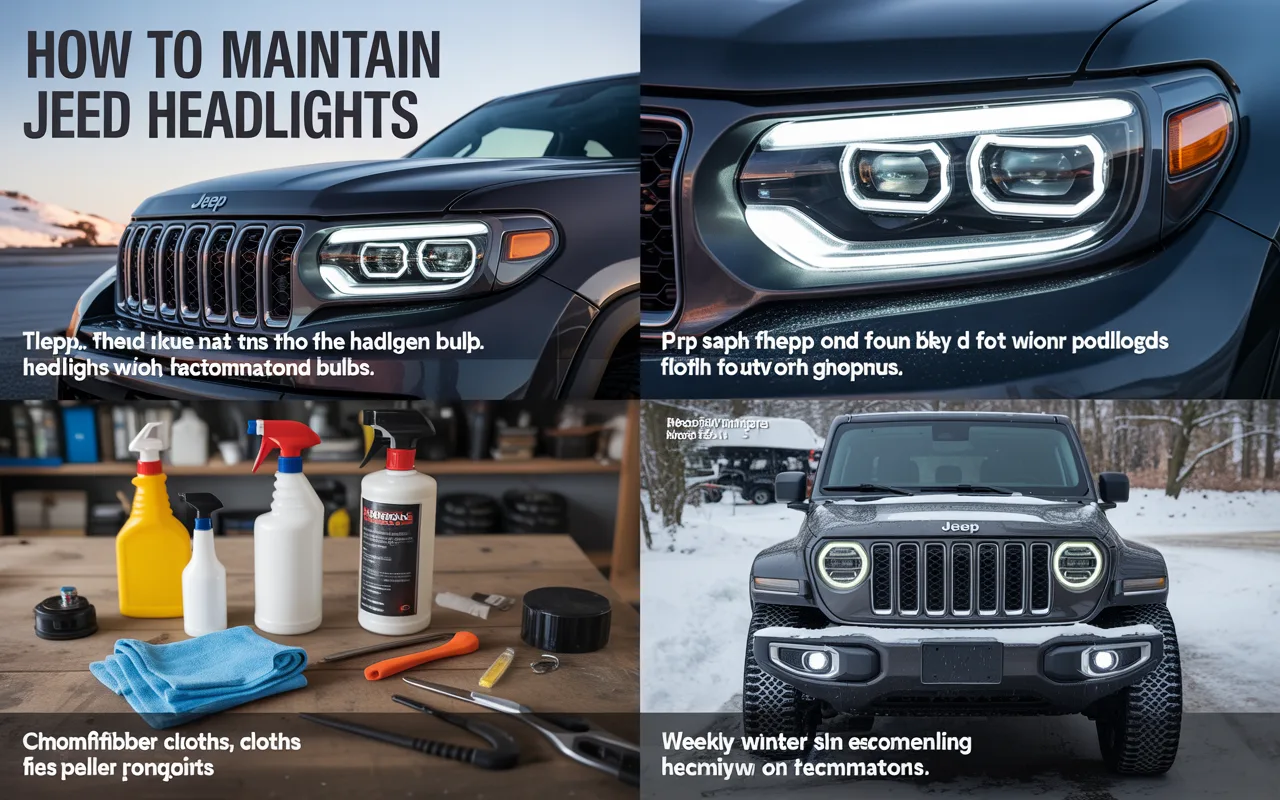
Let’s talk about your Maintain Jeep LED Headlights. You made a great choice upgrading to them. They are bright, they look tough, and they help you see every detail of the trail ahead. But like any part of your Jeep, they need a little care to stay at their best. This guide is your straightforward manual on how to maintain Jeep LED headlights. We will cover simple cleaning, quick checks, and smart habits that keep your lights shining strong for years. Whether you’re a daily driver or a weekend adventurer, this advice will help you protect your investment.
Why It’s Important to Maintain Jeep LED Headlights
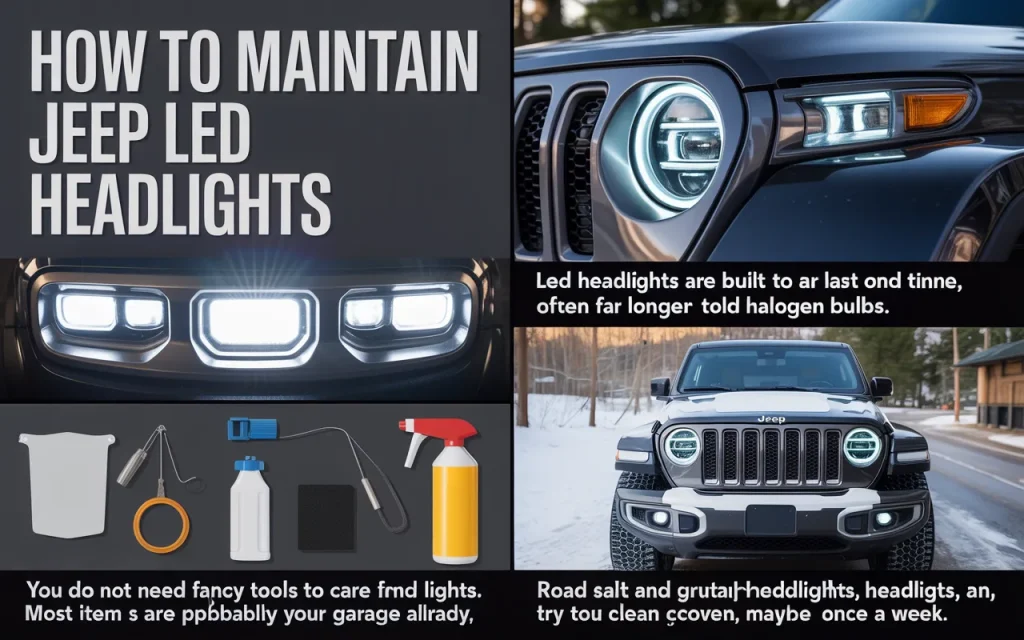
LED headlights are built to last a long time, often far longer than old halogen bulbs. But “long-lasting” doesn’t mean “no maintenance.” Dirt, mud, water spots, and even minor vibrations can affect their output and life. When you take steps to maintain Jeep LED headlights, you are doing three key things. First, you ensure you have the safest possible view of the road. Second, you avoid the need for early, costly replacements. Third, you keep your Jeep looking sharp and ready for anything. A clean light is a bright light, and a bright light is a safe light.
As the famous automotive expert Tom Magliozzi once said, “Doing maintenance is like flossing. You might not see the benefit immediately, but you’ll be glad you did it later.” This is so true for your LED lights. A few minutes of care prevents big problems down the trail.
Your Basic Maintenance Kit
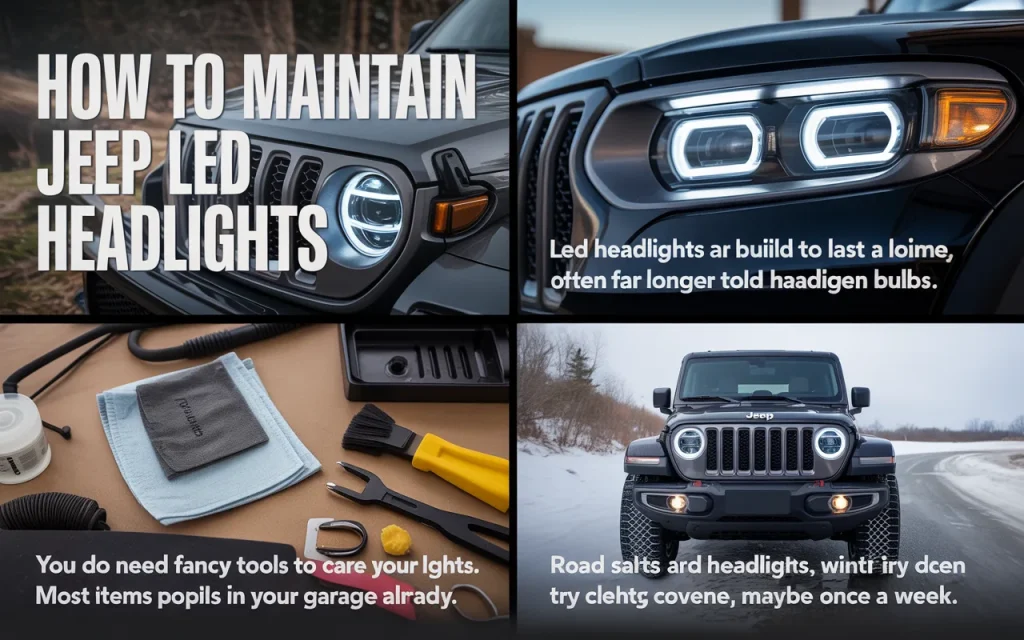
You do not need fancy tools to care for your LED lights. Most items are probably in your garage already. Here is a simple list to get started:
- Soft microfiber cloths (several)
- Car wash soap (not dish soap)
- Clean water
- Plastic-safe detail spray or quick wax
- A soft bristle brush (like a detailing brush)
- Silicone sealant (for checking seals, not for regular use)
Having these items together makes the job easy and fast.
Step-by-Step: How to Clean Your LED Headlights
Cleaning is the most common task in your routine to maintain Jeep LED headlights. Follow these steps for a clear, streak-free finish.
1. Start with a Cool, Parked Jeep
Always let your headlights cool down completely after driving. Cleaning a hot lens can cause the cleaner to evaporate too fast and leave marks.
2. Rinse Away Loose Grime
Use a gentle stream of water to remove loose dirt, sand, or mud. This step stops you from scratching the lens when you wash it.
3. Wash with Car Soap
Make a bucket of sudsy water with car wash soap. Use a soft microfiber wash mitt or cloth. Gently wipe the lens and the surrounding housing. For tough bugs or grime around the edges, a soft detailing brush works well. Do not use rough sponges or abrasive cleaners.
4. Dry and Shine Thoroughly
This is a key step. Dry the lens completely with a clean, dry microfiber cloth. Any leftover water spots can dull the light. For extra protection and a great shine, spray a little plastic-safe detailer on another cloth and wipe the lens. This adds a thin layer that repels water and dirt.
5. The Final Check
After cleaning, turn on your headlights. Walk around the Jeep. Look for a clear, bright, and even beam pattern. This is your chance to see if the cleaning made a difference.
| Do’s for Cleaning | Don’ts for Cleaning |
|---|---|
| Use microfiber cloths | Use paper towels or old t-shirts |
| Use car-specific soap | Use household cleaners or dish soap |
| Dry the lens completely | Let it air dry (causes spots) |
| Clean when lights are cool | Clean right after a long drive |
Regular Checks Beyond Cleaning
Cleaning is important, but real care means looking a bit deeper. Once a month, or before a big trip, do this quick check.
Look for Moisture Inside the Lens
LED units are sealed, but seals can wear out. Look inside the lens for any fogging, droplets, or a visible water line. A small amount of condensation after a huge rain wash might clear up. But constant moisture is a sign the seal is broken. This can harm the LED chips.
Check for Rock Chips or Cracks
Inspect the plastic lens for small chips or cracks. Even a tiny crack can let in water and dirt. If you find one, you need to act fast to prevent internal damage.
Ensure a Secure Mount
Push gently on the headlight assembly. Does it feel loose? Do you hear a rattle? Vibration from off-road use can sometimes loosen mounting bolts. A secure light is a long-lasting light.
Listen for Cooling Fan Issues
Many LED headlights have small cooling fans on the back. With the engine on and lights on, listen for a smooth, quiet hum. A loud grinding, buzzing, or no sound at all could mean fan trouble. An overheated LED can fail early.
Addressing Common Problems
Even with good care, issues can pop up. Here is how to handle them.
Dealing with Condensation
As said, see a little fog? It might go away on its own as the lights heat up during use. See a lot of water? The seal is likely damaged. For many Jeep owners, the fix is to remove the headlight assembly, dry it out completely with a hairdryer on low heat, and re-seal the edges with a clear silicone sealant made for automotive lights. If your lights are new and under warranty, contact the maker first.
Fixing a Flickering Light
A flickering LED is often an electrical issue, not a light issue. The first thing to check is the connection. Turn off your Jeep, unplug the light’s wiring harness, and plug it back in firmly. Make sure it clicks into place. If flickering continues, it could point to a problem with the vehicle’s wiring or a need for a anti-flicker module.
Restoring a Hazy Lens
Older plastic lenses can turn yellow or hazy from sun damage. If your LED lights are built into a factory-style housing that has grown dull, you can restore them. Use a dedicated headlight restoration kit. These kits have sanding pads and polish to clear the cloudiness away, bringing back like-new clarity.
| Common Issue | Likely Cause | Quick Action |
|---|---|---|
| Moisture inside | Broken seal | Dry out, re-seal with silicone |
| Light flickering | Loose connection or wiring | Check and re-seat harness plug |
| Dim output | Dirty lens or aging LED | Clean thoroughly, check for wear |
| Loud fan noise | Fan failure | Contact supplier for repair/replace |
Winter and Off-Road Specific Care
Jeeps face unique challenges. Here is how to adjust your care for the extremes.
Winter Weather Tips
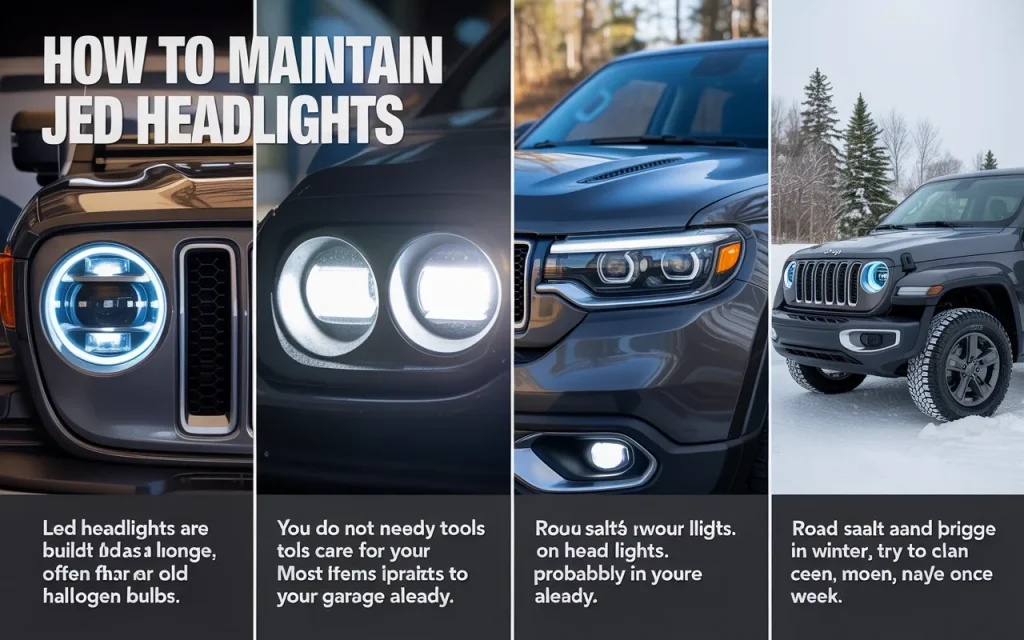
Road salt and grime are brutal on headlights. In winter, try to clean your lights more often, maybe once a week. Salt can quickly build up and block light. Also, be careful when scraping ice from your windshield. Avoid hitting the headlight lens with your ice scraper, as this can cause fine scratches.
After Off-Road Adventures
Mud is your light’s biggest enemy. It can pack into vents and block fans. As soon as you can after a muddy trip, give your Jeep, and especially the headlights, a full and gentle wash. Pay close attention to the lower edges and backs of the light assemblies where mud loves to hide.
Long Term Habits for Lasting Lights
Making these simple habits part of your Jeep life is the best way to maintain Jeep LED headlights.
- Wash Regularly: Do not let dirt and bug residue bake onto the lens.
- Park Smart: When you can, park in a garage or shaded area. Less sun exposure slows the plastic lens from getting hazy.
- Touch with Care: Always handle the lights with clean hands. Oils from your skin can stain the lens over time.
- Use the Right Parts: If you ever need to replace a light or a part, buy from trusted brands. Good quality lights are made better and last longer.
Henry Ford once shared a simple idea that applies here: “Quality means doing it right when no one is looking.” Taking those few extra minutes to dry the lens or check the mount is what keeps your lights perfect.
Frequently Asked Questions
How often should I clean my Jeep LED headlights?
Aim for every two weeks during normal driving. If you drive in bad weather, on dusty roads, or go off-roading, clean them as soon as you can after the trip. Frequent cleaning stops buildup that is harder to remove later.
Can I use wax on my LED headlights?
Yes, but you must use a wax or sealant made for clear plastic or automotive use. A good paste wax or spray sealant adds a protective layer. Avoid heavy abrasive compounds meant for car paint.
Why is one of my LED headlights dimmer than the other?
First, clean both lights very well. If one is still dim, the LED chip itself might be getting weak. It is rare but can happen. Check the connection first, then think about a replacement if needed.
Is it safe to use a pressure washer on my LED headlights?
Be very careful. A high-pressure stream can force water past seals and into the housing. If you use a pressure washer, keep it at a good distance and use a wide spray pattern. Do not aim the nozzle directly at the seam where the lens meets the housing.
What should I do if my headlight has a large crack?
You need to address a large crack right away. It lets in water and dirt that will ruin the LED unit. You can try a temporary seal with strong clear tape from the outside for a short time, but plan to replace the whole headlight assembly or have the lens professionally replaced soon.
Conclusion
Learning how to maintain Jeep LED headlights is a simple but powerful part of owning your vehicle. It is not about hard work. It is about regular, smart care. A quick clean, a monthly check, and good habits will make sure your lights are always ready. They will light up dark trails and night roads with a clear, bright beam for thousands of miles. Your Jeep is built for adventure, and with clear vision, every journey is safer and more fun. So grab a microfiber cloth, give your lights some love, and enjoy the confidence that comes with a well-kept ride.
Remember what the great mechanic and writer John Muir said: “The more you know about your vehicle, the more you can enjoy it and the less it will cost you.” Caring for your LED headlights is a perfect example of this smart truth. Now go out there and shine bright.
2 thoughts on “How to Maintain Jeep LED Headlights”