
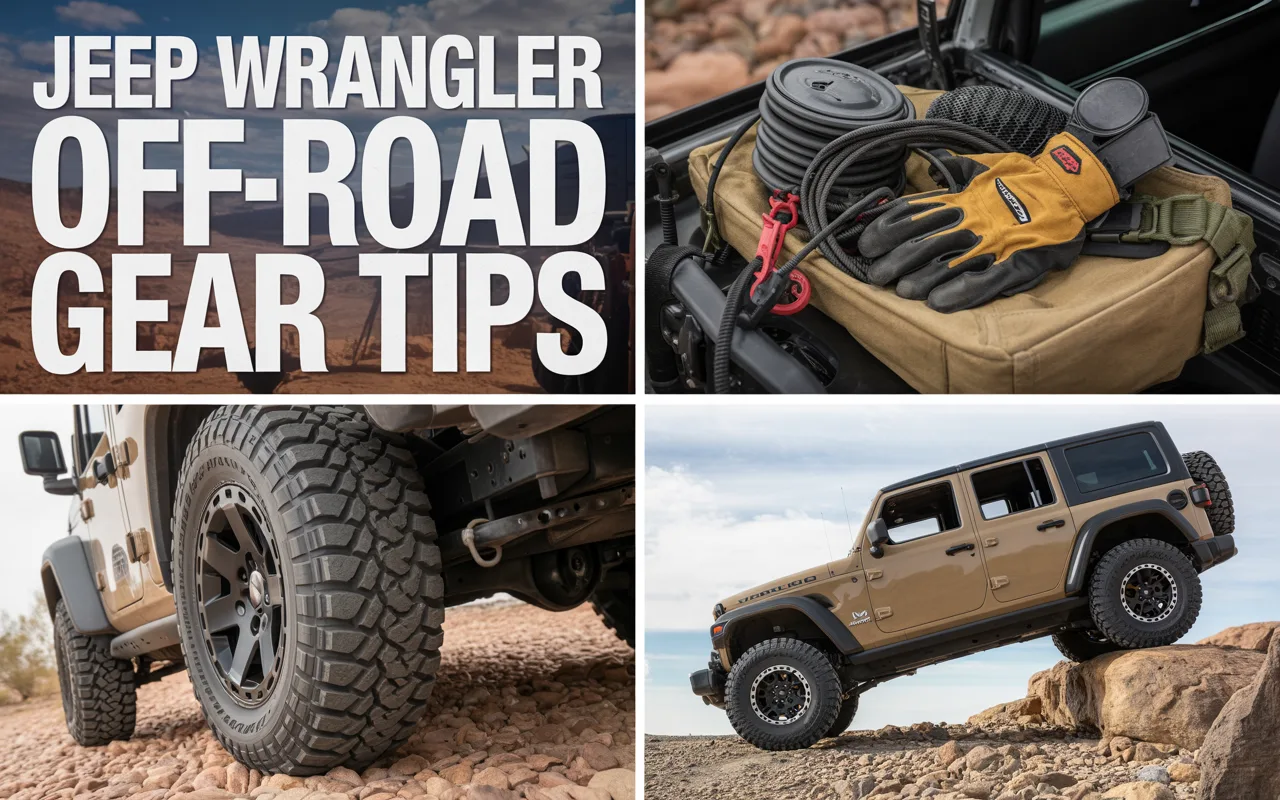
Get the best Jeep Wrangler off-road gear tips to prepare your rig for any trail. We cover must-have recovery gear, armor, suspension, tires, and maintenance advice for a safe and fun adventure.
Taking your Jeep Wrangler off the pavement is one of the best feelings in the world. Whether you are heading out for a day on rocky trails or planning a weekend camping trip, the preparation you do before you leave makes all the difference. I have spent many weekends on the trail, and I can tell you that the drivers who have the best time are the ones who came prepared. They are not the ones with the most expensive parts, but the ones who packed smart and understand their vehicle.
If you are new to the community or just looking to double-check your setup, these Jeep Wrangler off-road gear tips will help you focus on what really matters. We are going to talk about keeping you safe, protecting your investment, and making sure you can handle a sticky situation when it pops up. Let us get your Wrangler ready to conquer those trails.
Start with a Solid Recovery Kit
You have to accept one fact about off-roading: eventually, you might get stuck. It happens to everyone. It happened to me on my first real trail ride when I misjudged a mud hole. The most important thing is not if you get stuck, but how easily you can get unstuck. This is where a quality recovery kit becomes your best friend.
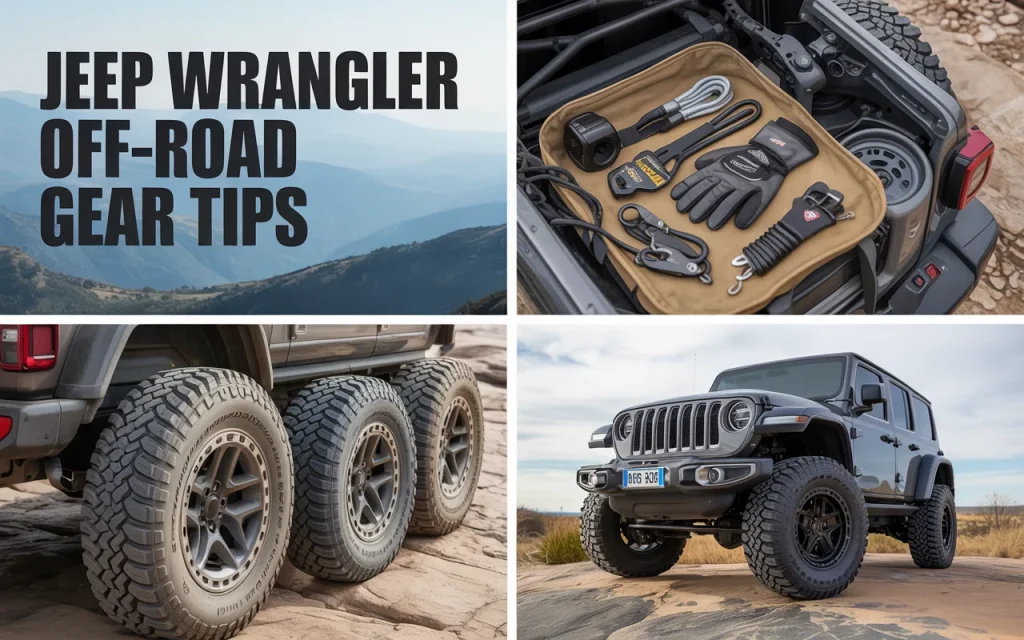
A basic recovery kit for your Wrangler should include a few key items. First, you need a kinetic recovery rope. These ropes stretch a bit, building up energy that helps yank a vehicle out of thick mud or sand . You will also need soft shackles. Unlike the old metal D-rings, soft shackles are lighter and won’t turn into dangerous projectiles if they break. A tree saver strap is another essential piece because it wraps around a tree to give you a solid anchor point without damaging the tree itself .
Here is a quick look at the items you should keep in the back of your Jeep:
| Recovery Gear Item | Primary Function |
|---|---|
| Kinetic Recovery Rope | Stretches to provide a dynamic pull for stuck vehicles. |
| Soft Shackles | Connects the rope to your Jeep’s recovery points safely. |
| Tree Saver Strap | Protects anchor points (trees) and provides a secure winching point. |
| Traction Mats | Placed under tires to provide grip in sand, mud, or snow. |
Do not forget a good pair of work gloves to protect your hands when handling winch lines or recovery straps . Having these items organized in a durable bag means you can grab them quickly when needed. It is one of the top Jeep Wrangler off-road gear tips I can offer to new drivers: buy your recovery gear before you need it, not after.
Protect Your Wrangler with Proper Armor
The underside of a Jeep Wrangler is full of vital parts that are surprisingly exposed. When you drive over rocks or logs, the last thing you want is a piece of granite putting a hole in your oil pan or damaging your transmission. Investing in protective armor is not just about adding weight to your rig; it is about making sure you can drive it home.
Start with a set of rock sliders or rocker rails. These bolt onto the sides of your Jeep and take the abuse when you slide over a boulder. They protect your body panels and keep the weight of the Jeep off the delicate pinch seams . Next, look at skid plates. These cover the undercarriage components like the transfer case, fuel tank, and oil pan . If you wheel in areas with lots of exposed rocks, heavy-duty steel skid plates are a smart investment . They act as a shield, allowing you to slide over obstacles that would otherwise stop your day.
Choose the Right Tires and Wheels
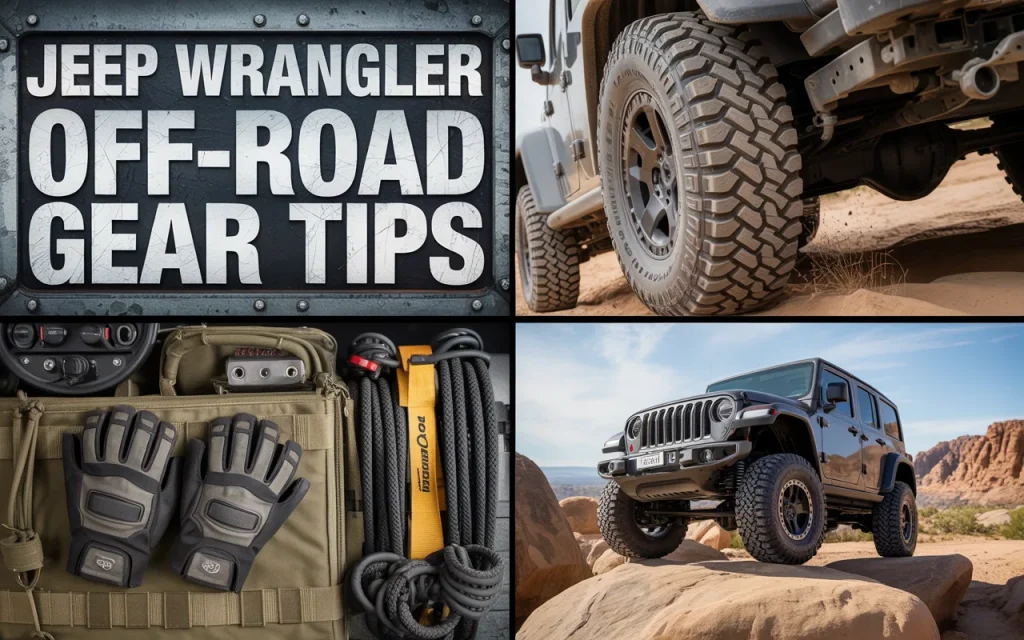
Your tires are the only part of your Jeep that touches the ground. You can have the best suspension and lockers in the world, but if your tires cannot grip, you are not going anywhere. When selecting tires, think about the terrain you will face most often. Mud-terrain tires have large, aggressive tread blocks that dig into soft ground, while all-terrain tires offer a quieter ride on the highway with good grip on gravel and dirt.
Many experienced drivers also recommend looking into beadlock wheels . When you air down your tires for better traction, the tire can sometimes slip off the wheel bead. Beadlocks clamp the tire in place, letting you run very low air pressure without worry. This gives you a huge advantage when crawling over rocks or driving on sand dunes . Pair those wheels with a portable air compressor so you can air back up once you hit the pavement again .
Suspension and Clearance Upgrades
Lifting your Jeep is often the first modification people think about. And for good reason. A good suspension lift gives you more ground clearance, allowing you to drive over larger obstacles without banging your differentials on the rocks . But lifting a Jeep is more than just putting on taller springs.
“A quality suspension system isn’t just about height; it’s about articulation. You want your tires to stay in contact with the ground, even when the terrain is uneven. That is what keeps you moving forward.” – Mark Evans, Trail Guide and Off-Road Instructor.
When you add a lift kit, pay attention to the shocks. Shocks control how the suspension moves. Upgraded shocks can smooth out the ride on rough trails and keep your Jeep stable on off-camber sections . If you are planning to run larger tires (35 inches or more), you should also consider re-gearing your axles. This puts the engine power back where it belongs, making it easier to crawl over obstacles and saving your transmission from unnecessary stress .
Maintenance Checks Before and After the Trail
Off-roading is hard on a vehicle. Mud, dust, and water get into places they should not be. To keep your Jeep reliable, you need to make maintenance a regular habit. Before you hit the trail, do a quick walk-around. Check your fluid levels, including oil, coolant, and brake fluid. Make sure your spare tire is properly inflated and that you have all your lug nuts.
After a day of wheeling, the work continues. This is one of the most overlooked Jeep Wrangler off-road gear tips. You need to clean your Jeep, especially the undercarriage. Mud holds moisture and can cause rust if left to sit . Use a pressure washer to spray off the frame, suspension, and skid plates. While you are down there, take a few minutes to inspect your components. Look for torn CV boots, bent control arms, or loose bolts . Catching a problem in your driveway is much easier than catching it on the trail.
Here is a simple checklist to follow after a muddy or dusty run:
Don’t Forget the Driver
We talk a lot about the Jeep, but we have to talk about the person behind the wheel, too. Your safety and comfort are just as important as any steel part you bolt on. A first aid kit is non-negotiable . You can buy a pre-made kit or build your own. Make sure it includes supplies for common trail injuries like cuts, scrapes, and burns. Add some personal items like any necessary medications, bug spray, and high-SPF sunscreen.
Communication is another area where drivers often fall short. Cell phones do not work in many remote areas. A CB radio or a handheld ham radio allows you to stay in touch with your group . You can coordinate trail decisions, warn others about obstacles, and call for help if someone has a serious problem. If you wheel alone (which is not recommended), consider a satellite communicator or a personal locator beacon. This gear can be a lifesaver if you end up in a situation where you need to contact emergency services but have no signal.
“The best piece of off-road gear is the person in the driver’s seat. Know your limits, know your vehicle’s limits, and always have a plan for getting home safely.” – Sarah Jenkins, Overlanding Expert.
Lighting and Navigation
Sometimes the trail takes longer than expected. If you find yourself driving back to camp after sunset, good lighting makes a huge difference. Adding LED light bars or auxiliary pod lights to your bumper or A-pillars floods the trail with light, helping you spot rocks and ruts that your headlights might miss . This reduces eye strain and makes night driving much safer.
Navigation is equally important. While paper maps are a great backup, having a GPS or a trail app on a tablet is incredibly useful. Some newer Jeep models even come with integrated trail guides that show you detailed routes and difficulty ratings right on the touchscreen . If you do not have that, you can download apps like OnX Offroad or Gaia GPS. These let you see your location on the trail, even without cell service, so you can stay on the right path and explore with confidence.
Build Your Gear List Slowly
You do not need to buy everything at once. Building up your collection of gear is part of the fun. Start with the essentials: recovery gear, a first aid kit, and basic tools. Use those items on a few easy trails. As you gain experience, you will figure out what your specific Wrangler needs.
Maybe you find that you are dragging your belly on rocks, so you save up for skid plates. Or perhaps you want to tackle deeper sand, so you buy a set of traction mats and a compressor. The best Jeep Wrangler off-road gear tips come from your own experience on the trail. Listen to what your Jeep is telling you, and upgrade the weak points as you go. That way, you spend money on things that actually improve your adventures, not just on looks.
“Building a capable off-road vehicle is a journey. Focus on reliability and protection first. The fancy gadgets can come later after you have a solid foundation.” – Tom Richards, Mechanic and Long-Time Jeep Owner.
Frequently Asked Questions
Q: What is the single most important piece of recovery gear?
A: A kinetic recovery rope and a set of soft shackles are often the most used items. They allow another vehicle to safely and effectively pull you out of mud, sand, or snow.
Q: Do I need a winch right away?
A: Not for beginner trails. A winch is a fantastic tool for self-recovery on difficult terrain, but it is also an investment. You can start with a recovery kit and traction mats. If you start tackling harder trails alone or in remote areas, a winch becomes much more important.
Q: How low should I air down my tires?
A: It depends on the terrain and your tire sidewall. A common starting point for rocky trails is 15-18 PSI. For sand, you might go as low as 12-15 PSI. If you have beadlock wheels, you can go even lower. Always carry an air compressor to air back up before driving on the highway.
Q: What tools should I carry in my Jeep?
A: A basic tool kit with wrenches, sockets, pliers, screwdrivers, and a multi-tool is a great start. Add duct tape, zip ties, and a spare set of fluids (oil, coolant). As you modify your Jeep, carry the specific tools needed to tighten or remove those new parts.
Q: Can I go off-roading in a stock Jeep Wrangler?
A: Absolutely. Jeep Wranglers are incredibly capable right from the factory. A stock Wrangler can handle many beginner and intermediate trails. Just pay attention to your clearance, pick your lines carefully, and go with a group.
Conclusion
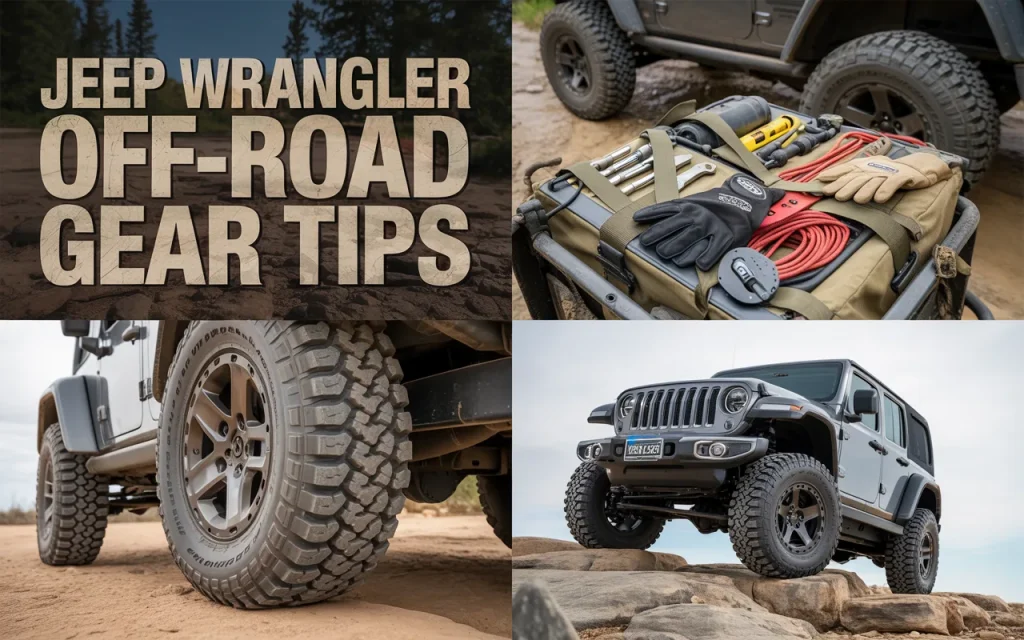
Getting your Jeep ready for the trail does not have to be stressful. By following these Jeep Wrangler off-road gear tips, you focus on the areas that matter most: safety, protection, and reliability. Pack a solid recovery kit, protect your underside with armor, choose the right tires, and keep up with your maintenance. Most importantly, remember that the goal is to have fun and explore. Get out there with friends, see beautiful places, and make some memories. Your Wrangler is built for it.