
How to Use Car Wax to Protect Paint: A Simple Guide for Lasting Shine
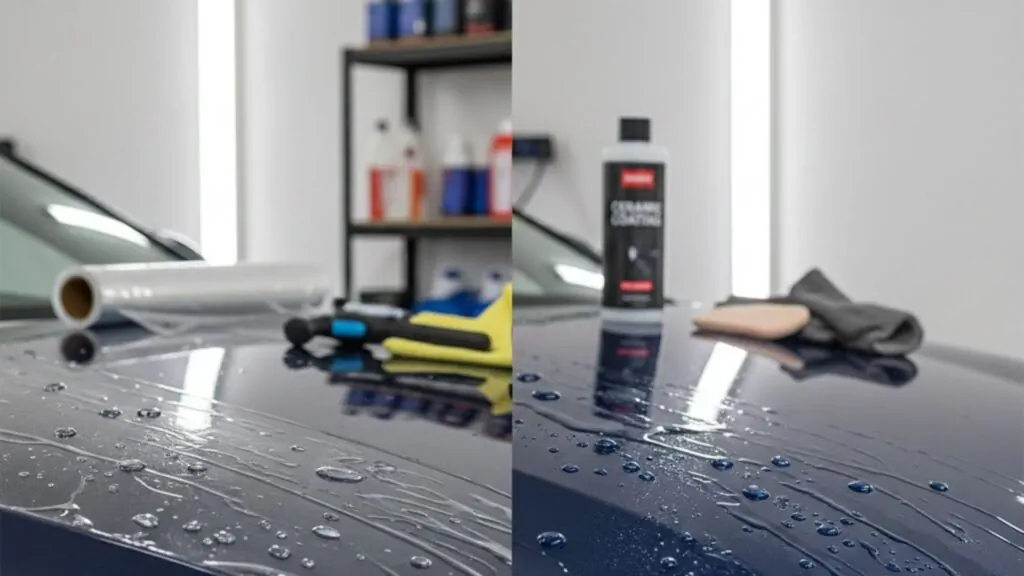
Using car wax is a straightforward and effective way to protect your vehicle’s paint. It creates a clear, sacrificial layer over the clear coat, shielding it from environmental damage like UV rays, bird droppings, tree sap, and road grime. This protective barrier helps prevent oxidation, fading, and minor scratches, keeping your car’s finish looking vibrant and new for longer. Regular waxing also makes washing easier, as dirt struggles to stick to the smooth, slick surface.
Why Waxing Your Car Matters for Paint Protection
Waxing your car does more than just make it shine. It adds a crucial layer of defense against many elements that can harm your paint over time. Think of it as sunscreen for your car.
The clear coat on your car’s paint is the first line of defense, but it can degrade. Wax provides an extra shield, absorbing the impact of harmful substances before they reach the clear coat. This helps maintain the original look and value of your vehicle.
Protection Against Environmental Damage
Your car faces many threats every day. Sunlight, rain, and pollution can all take a toll on its finish.
- UV Rays: Sunlight’s ultraviolet rays can cause paint to fade and become dull. Wax contains UV inhibitors that help block these harmful rays.
- Contaminants: Bird droppings, tree sap, and bug splatter are acidic and can etch into paint if left too long. Wax creates a barrier, making these easier to remove without damaging the paint.
- Road Grime: Tar, salt, and dirt from the road can scratch and stain your car. A waxed surface is slicker, so these particles are less likely to stick and cause damage.
Enhanced Appearance and Easier Cleaning
Beyond protection, wax significantly improves your car’s look. It deepens the color and adds a glossy, reflective finish.
The smooth surface created by wax also repels water, causing it to bead up and roll off. This “hydrophobic” effect means less water spotting and makes subsequent washes much quicker and more effective. Dirt and dust have a harder time adhering to a waxed surface, so your car stays cleaner for longer.
Types of Car Wax: Which One is Right for You?
There are several types of car wax available, each with its own benefits and application methods. Understanding the differences helps you choose the best product for your needs and desired results.
Carnauba Wax
Carnauba wax is a natural wax derived from the leaves of the carnauba palm tree. It is known for providing a deep, warm glow, especially on darker colored cars.
This type of wax offers good protection and is favored by many car enthusiasts for its rich finish. However, carnauba wax typically does not last as long as synthetic options and can be more challenging to apply and buff.
Synthetic Paint Sealants

Synthetic paint sealants are man-made polymers designed to bond with your car’s paint. They offer excellent durability and long-lasting protection, often outperforming natural waxes in terms of longevity.
Sealants create a very slick, hard barrier that repels water and contaminants effectively. While they might not offer the same deep glow as carnauba, they provide a sharp, reflective shine and are generally easier to apply and remove.
Hybrid Waxes and Ceramic Coatings
Hybrid waxes combine natural waxes with synthetic polymers to offer a balance of shine and durability. They aim to give the warm glow of carnauba with some of the lasting power of a sealant.
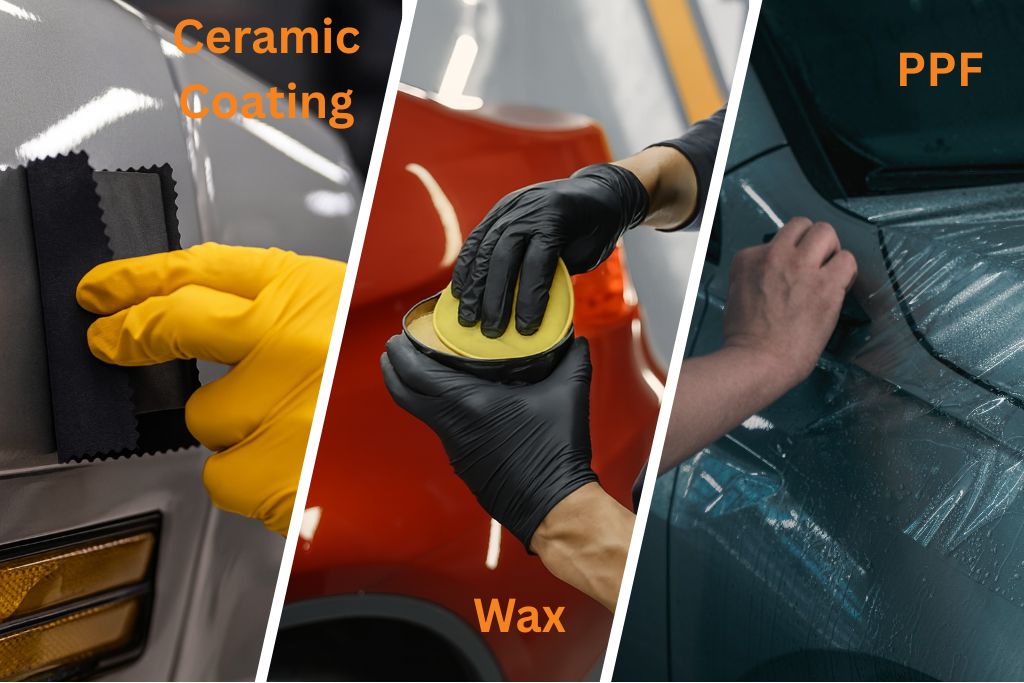
Ceramic coatings, while not traditional waxes, are advanced paint protection products. They form a semi-permanent bond with the paint, offering superior hardness, chemical resistance, and longevity. Applying ceramic coatings usually requires more skill and preparation, but the protection can last for years.
Essential Tools and Supplies for Waxing
Before you start waxing, gather all the necessary items. Having everything ready makes the process smoother and more efficient.
- Car Wash Soap: Use a pH-neutral car wash soap specifically designed for vehicles.
- Two Buckets: One for soapy water, one for rinsing your wash mitt.
- Wash Mitts: Microfiber or lamb’s wool mitts are gentle on paint.
- Microfiber Drying Towels: Soft, absorbent towels to dry your car without scratching.
- Clay Bar Kit (Optional but Recommended): For removing bonded contaminants from the paint surface.
- Wax Applicator Pads: Foam or microfiber pads for applying wax evenly.
- Microfiber Buffing Towels: Several clean, soft towels for removing wax residue.
- Car Wax: Your chosen type (carnauba, synthetic, or hybrid).
- Detail Spray (Optional): For a final wipe-down or to help remove stubborn wax residue.
Step-by-Step Guide: How to Wax Your Car Properly
Applying car wax correctly involves several steps, from thorough cleaning to careful buffing. Following these steps ensures maximum protection and a brilliant finish.
Preparation is Key: Washing and Drying
Never apply wax to a dirty car. Dirt, dust, and grime will be trapped under the wax, leading to scratches and a poor finish. Proper preparation is the most important step.
First, wash your car thoroughly using the two-bucket method. Fill one bucket with soapy water and the other with clean rinse water. Use a quality car wash soap and a soft wash mitt. Wash one section at a time, rinsing your mitt in the clean water bucket often to remove dirt.
After washing, rinse the entire car completely to remove all soap residue. Then, dry the car immediately using clean microfiber drying towels. Do not let the car air dry, as this can cause water spots. For an even better finish, consider using a clay bar after washing and before waxing to remove any bonded contaminants that washing alone cannot remove. This creates a perfectly smooth surface for the wax to adhere to.
Applying the Wax
Once your car is clean and dry, it’s time to apply the wax. Always work in a shaded area and ensure the car’s surface is cool to the touch. Applying wax in direct sunlight or on a hot surface can cause it to dry too quickly, making it difficult to remove and potentially leaving streaks.
<

p>Apply a small amount of wax to a foam or microfiber applicator pad. A little goes a long way. Work on one section of the car at a time, such as a single door, fender, or half of the hood. Apply the wax in a thin, even layer using overlapping circular motions or straight lines, depending on the wax manufacturer’s instructions.
Ensure you cover the entire section evenly. Avoid applying too much wax, as this makes it harder to buff off later. Allow the wax to haze over according to the product’s instructions. This usually takes a few minutes, but drying times can vary based on temperature and humidity.
Buffing for a Perfect Shine
Once the wax has hazed, it’s ready for buffing. Use a clean, dry microfiber buffing towel. Gently wipe away the wax residue in small sections, using light pressure. Turn your towel frequently to a clean side to avoid spreading wax residue.
For best results, use two towels: one to remove the bulk of the wax and a second, fresh towel for a final polish. This ensures all residue is gone and leaves a streak-free, glossy finish. Inspect your work closely in good lighting to catch any missed spots or streaks. If you find any, simply re-buff that area with a clean part of your towel.
Common Mistakes to Avoid When Waxing
Even experienced detailers can make mistakes. Avoiding these common errors will help you achieve the best possible results and protect your paint.
- Waxing in Direct Sunlight: As mentioned, this causes wax to dry too fast, leading to streaks and difficulty in removal. Always work in the shade.
- Applying Too Much Wax: A thick layer of wax does not provide more protection. It just makes buffing much harder and wastes product. A thin, even coat is all you need.
- Using Dirty or Old Applicators/Towels: Contaminated tools can scratch your paint. Always use clean, soft microfiber or foam products. Wash them after each use.
- Not Preparing the Surface Properly: Waxing over dirt, dust, or bonded contaminants will trap them under the wax, potentially scratching the paint and reducing wax adhesion. Always wash and dry thoroughly, and consider claying.
- Letting Wax Dry Too Long: If wax dries completely hard, it becomes very difficult to remove. Follow the product’s recommended drying time.
- Using Household Cleaners: Never use dish soap or other household cleaners to wash your car. They can strip existing wax and dry out rubber and plastic trim.
How Often Should You Wax Your Car?
The frequency of waxing depends on several factors, including the type of wax you use, your car’s exposure to the elements, and how often you wash it.
Generally, natural carnauba waxes offer protection for about 4-8 weeks. Synthetic paint sealants typically last longer, often providing protection for 4-6 months. Hybrid waxes fall somewhere in between.
If your car is parked outside daily, exposed to harsh sun, rain, or snow, you may need to wax more often. Cars kept in a garage and driven less frequently might need waxing less often. A simple test is to spray water on your car’s paint. If the water beads up tightly, your wax is still working. If it starts to sheet or flatten out, it’s time for a fresh coat.
Tips for Maintaining Your Waxed Finish
Once your car is waxed, a few simple practices can help extend the life of the wax and keep your car looking great.
- Wash Regularly: Use a pH-neutral car wash soap and the two-bucket method to gently clean your car. Regular washing prevents dirt and grime from building up and degrading the wax layer.
- Use Detail Spray: A quick detail spray can be used between washes to remove light dust and fingerprints, boosting shine and adding a thin layer of protection.
- Avoid Automatic Car Washes: The harsh brushes and chemicals in many automatic car washes can strip away your wax layer quickly. Hand washing is always best for a waxed finish.
- Park in the Shade: Whenever possible, park your car in a garage or under a shaded area. This reduces exposure to UV rays and environmental fallout, preserving the wax.
- Remove Contaminants Quickly: If you notice bird droppings, tree sap, or bug splatter, remove them as soon as possible with a quick detailer and a soft microfiber towel. These can quickly eat through wax and clear coat.
| Wax Type | Key Benefit | Typical Durability | Application Difficulty |
|---|---|---|---|
| Carnauba Wax | Deep, warm gloss; natural look | 4-8 weeks | Medium (can be harder to buff) |
| Synthetic Sealant | Long-lasting protection; slick finish | 4-6 months | Easy (wipes on/off smoothly) |
| Hybrid Wax | Balance of shine and durability | 2-4 months | Easy to Medium |
| Ceramic Coating | Superior hardness; extreme longevity | 1-5+ years | Advanced (requires careful prep) |
FAQs
How long does car wax typically last?
The lifespan of car wax varies by type. Natural carnauba waxes usually last 4-8 weeks. Synthetic paint sealants can protect for 4-6 months, and hybrid waxes fall in between. Environmental factors like sun exposure and washing frequency also play a role.
Can I wax my car in direct sunlight?
No, it’s best to avoid waxing your car in direct sunlight or when the paint surface is hot. The wax can dry too quickly, making it difficult to apply evenly and buff off, often leading to streaks or haze.
What’s the difference between car wax and a paint sealant?
Car wax, especially carnauba, is typically a natural product that offers a deep, warm shine. Paint sealants are synthetic polymers designed for longer-lasting protection and a very slick, reflective finish. Sealants generally offer more durable protection against environmental elements.
Do I need to polish my car before waxing?
Polishing is an optional step that removes minor paint imperfections like swirl marks and light scratches, creating a smoother surface. If your paint has these flaws, polishing first will allow the wax to bond better and result in a clearer, deeper shine. If your paint is already in good condition, a thorough wash and clay bar treatment are usually sufficient before waxing.
How much wax should I apply?
Apply a very thin, even layer of wax. A little goes a long way. Using too much wax does not increase protection and only makes it harder to buff off, potentially leaving residue or streaks.
Can car wax damage my car’s paint?
No, car wax itself will not damage your car’s paint. In fact, it protects it. Damage usually occurs from improper application, such as waxing a dirty car, using abrasive towels, or letting the wax dry too long before buffing.
Conclusion
Using car wax is a simple yet powerful way to protect your vehicle’s paint and maintain its appearance. By creating a protective barrier, wax shields your car from environmental damage, UV rays, and contaminants, while also enhancing its shine and making cleaning easier. Choosing the right wax type and following proper application steps are key to achieving lasting results.
Make regular waxing a part of your car care routine. Your car’s paint will thank you with a brilliant, protected finish that stands the test of time.
Related posts
 Why You Should Use a Foam Cannon for Car Washing: Ultimate Guide
Washing your car is more than just making it look good. It protects the paint, keeps the value high, and makes driving feel better. But if…
 How to Clean Leather Seats Without Damaging Them: Expert Tips
Keeping your leather seats clean can be a challenge. Leather looks beautiful and feels luxurious, but it needs special care. Many people worry about damaging their…
 Why Using a Ceramic Coating Spray is Important for Your Car’s Shine
If you care about your car’s appearance and value, you probably wash and wax it regularly. But did you know there’s a better way to protect…