
How to Use an Upholstery Cleaner for Car Seats Like a Pro
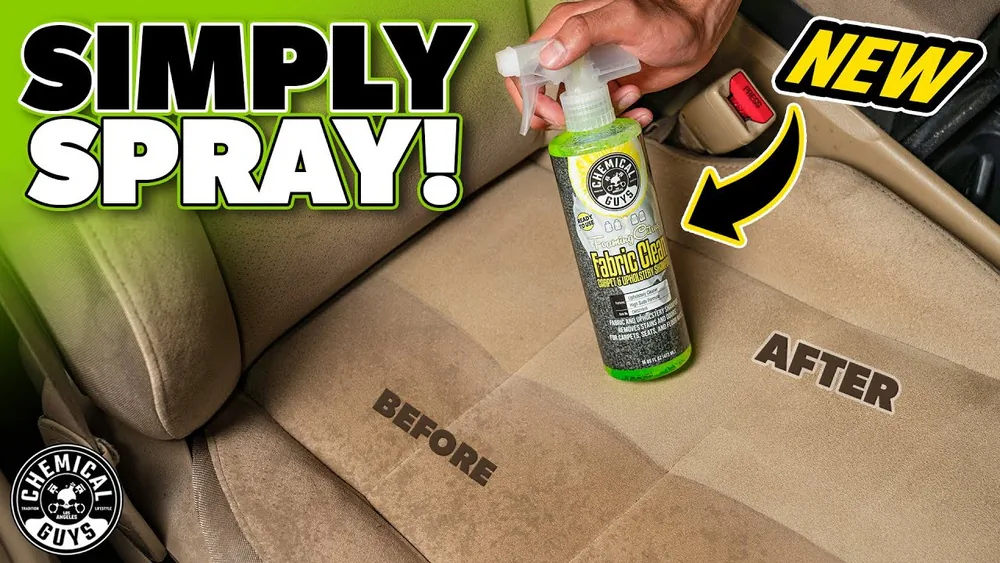
Keeping your car seats clean makes your whole car feel fresh and comfortable. Over time, dirt, sweat, food, and even spilled drinks can stain and damage your car’s upholstery. Using an upholstery cleaner for car seats is one of the most effective ways to remove tough stains and restore the look of your seats.
Many car owners try to clean with just water or household cleaners, but these often leave residues or don’t remove deep grime. Learning the right way to use an upholstery cleaner saves you time and helps your seats last longer.
This guide will walk you through each step of the cleaning process, from choosing the right product to drying your seats. You’ll also discover practical tips, common mistakes to avoid, and answers to frequently asked questions. Whether you’re dealing with fabric, leather, or synthetic seats, you’ll find methods that work.
Let’s dive in and make your car seats look like new.
Understanding Upholstery Cleaners
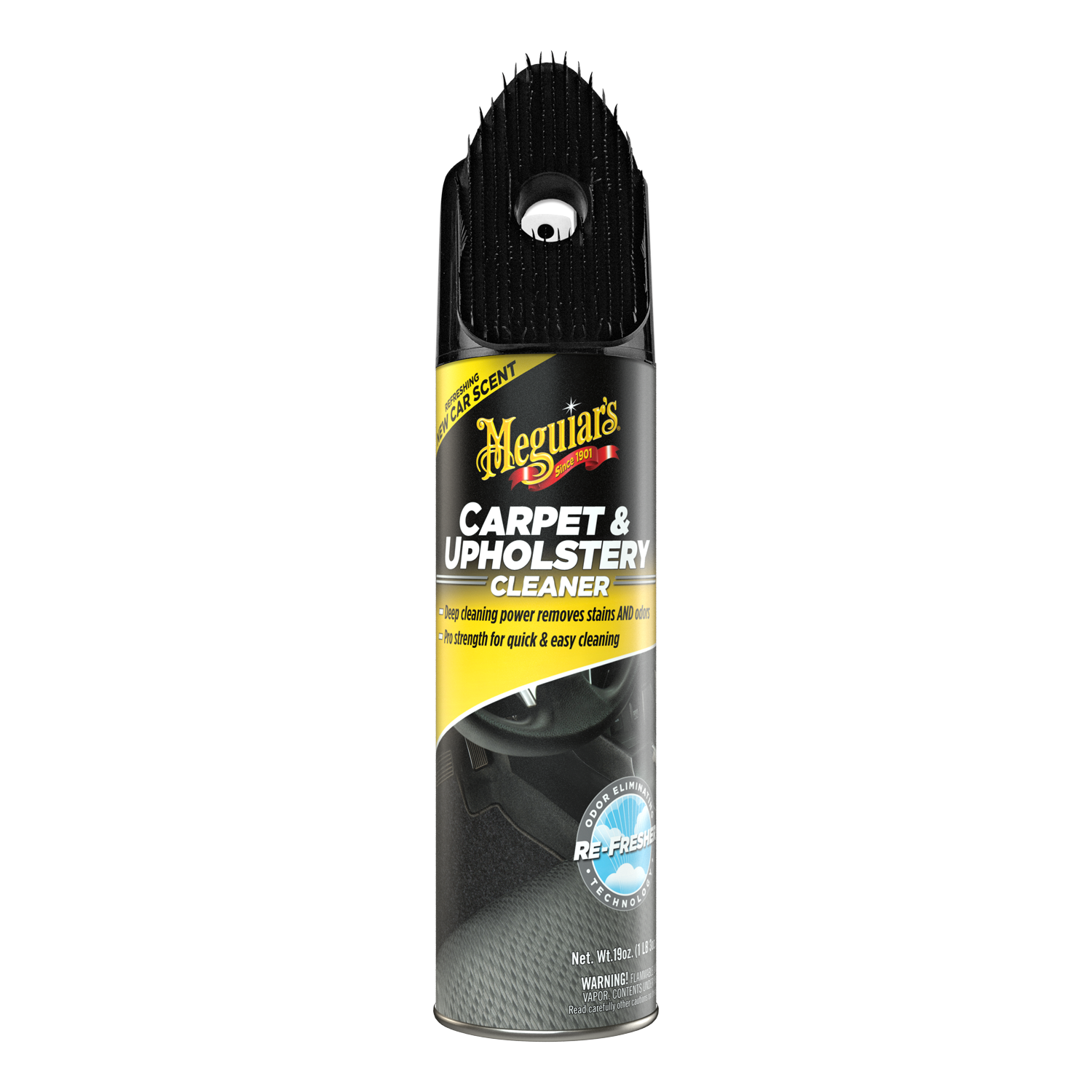
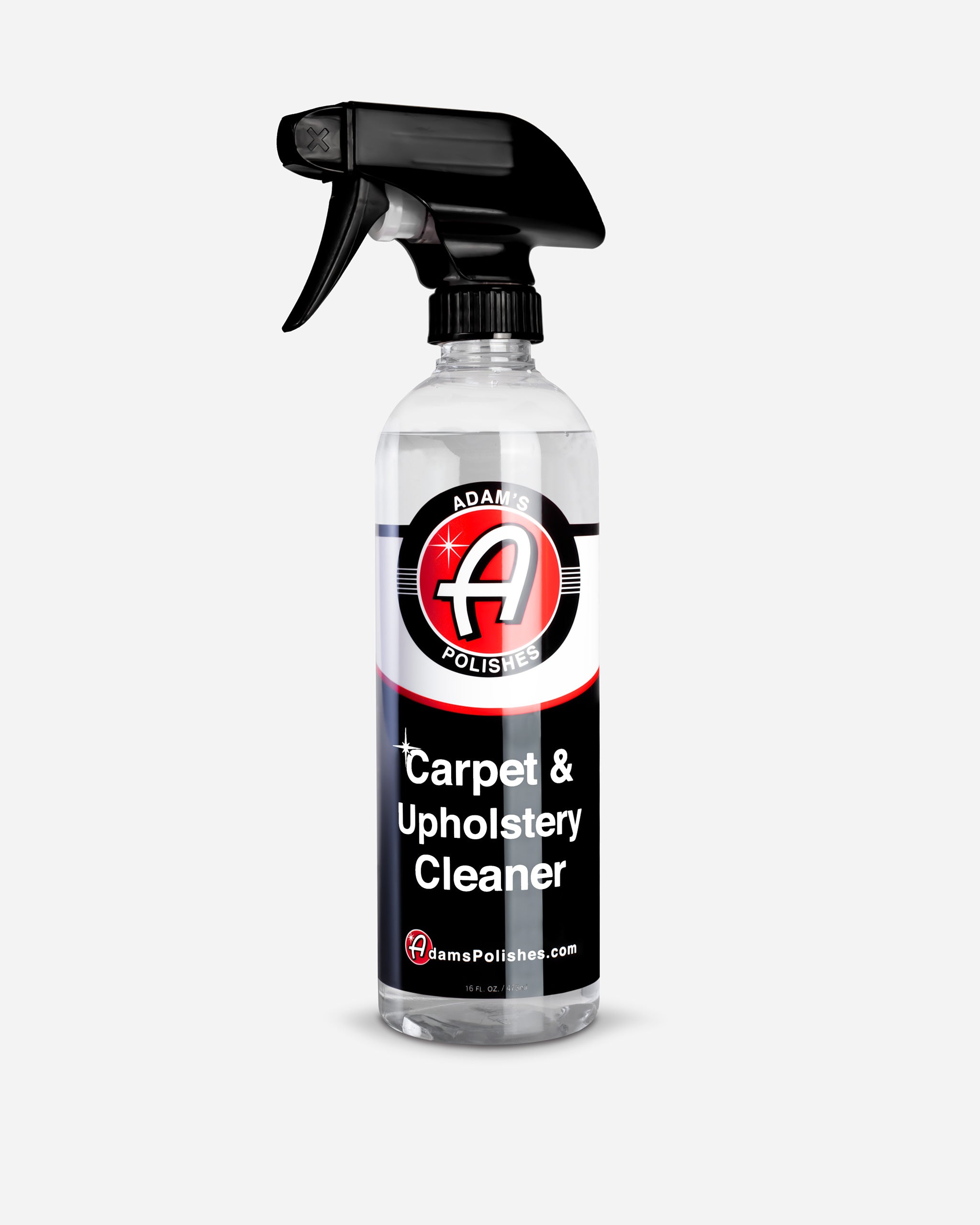
Car upholstery cleaners are special products designed to remove stains, odors, and dirt from seat fabric or leather. Unlike soap or detergent, these cleaners are formulated for automotive materials, so they clean deeply without damaging the surface. There are two main types of upholstery cleaners:
- Spray cleaners: Easy to apply and good for general stains.
- Foam cleaners: Penetrate deeper and work well on tough stains.
Some cleaners are made for specific materials (like leather or synthetic), while others are universal. Always check the label before buying.
Why Not Use Household Cleaners?
Many household products are too strong or too weak for car seats. For example, bleach can discolor fabric, while dish soap may leave a sticky residue that attracts more dirt. Automotive upholstery cleaners are balanced to clean safely and effectively.
Choosing The Right Cleaner For Your Car Seats
The best upholstery cleaner depends on the material of your car seats. Using the wrong product can cause fading, cracking, or other damage.
| Seat Material | Recommended Cleaner Type | Special Tips |
|---|---|---|
| Fabric/Cloth | Foam or Spray Cleaner for Fabric | Test on a hidden spot first |
| Leather | pH-Balanced Leather Cleaner | Follow with a leather conditioner |
| Vinyl/Synthetic | All-Purpose Upholstery Cleaner | Avoid abrasive brushes |
Pro Tip: If you’re unsure about your seat material, check your car’s manual or look for a small tag under the seat.
Preparing Your Car For Cleaning
Before you start cleaning, a little preparation makes the process smoother and more effective.
1. Remove Trash And Debris
Take out all items, including floor mats, toys, and trash. This gives you full access to the seats.
2. Vacuum The Seats
Use a vacuum with a brush or crevice tool to remove dust, crumbs, and pet hair. Cleaning a dirty seat with liquid can turn crumbs into stubborn stains.
3. Check For Stains
Identify problem areas—coffee spills, ink marks, food stains—so you can treat them first.
4. Read The Cleaner Instructions
Each product is different. Some need dilution, while others are ready to use. Always follow the manufacturer’s guidelines.
Non-obvious insight: Letting a vacuum do most of the heavy lifting before you use any cleaner will help avoid spreading dirt deeper into the fabric during wet cleaning.
Step-by-step Guide: How To Use An Upholstery Cleaner For Car Seats
1. Spot Test First
Before applying the cleaner over a large area, always test it on a hidden part of the seat. Wait a few minutes to check for discoloration or damage. This quick check can prevent costly mistakes.
2. Apply The Cleaner
Spray or foam the product directly onto the stain or over the seat area you want to clean. Don’t soak the seat—use just enough to cover the surface lightly.
- For spray cleaners, spray from about 6 inches away.
- For foam cleaners, shake the can and apply a small amount.
3. Work The Cleaner In
Use a soft-bristled brush or a clean microfiber cloth to gently scrub the surface. Move in small circles for even coverage.
- For fabric, you can use a firmer brush.
- For leather, use only a soft cloth or special leather brush to avoid scratches.
4. Let The Cleaner Sit
Most cleaners work best if you let them sit for 2–5 minutes. This breaks down stains and loosens dirt. Check the instructions for your specific product.
5. Blot And Remove
Use a clean, dry microfiber towel to blot up the cleaner and lifted dirt. Work from the outside of the stain inward to avoid spreading.
6. Repeat If Needed
For tough stains, repeat the cleaning process. Don’t rush—sometimes two or three gentle applications work better than one harsh scrub.
7. Rinse (if Required)
Some products may need a water rinse. Lightly dampen a clean towel and wipe over the seat to remove residue. Don’t soak the seat, as too much water can cause mold or mildew.
8. Dry The Seats
Allow the seats to air dry completely. Open the car doors or windows to speed up the drying process. You can also use a fan or a wet/dry vacuum with a blower function.
Non-obvious insight: Many car owners forget to dry the seats fully, which can lead to unpleasant smells or even mold growth later.
Credit: www.meguiars.com
Tips For Stubborn Stains
Some stains are extra difficult and need a little more care. Here are specific solutions for common problems:
- Grease or oil stains: Sprinkle baking soda on the stain, let it sit for 10–15 minutes, then vacuum before using the upholstery cleaner.
- Coffee or soda stains: Blot up as much liquid as possible, then use a mix of upholstery cleaner and a little white vinegar for better results.
- Ink stains: Dab (don’t rub!) With a cloth dipped in rubbing alcohol before cleaning.
Important: Always test any extra treatment on a hidden spot first.
Drying And Finishing Touches
Proper drying is as important as cleaning. Here’s why:
| Drying Method | Pros | Cons |
|---|---|---|
| Air Dry (windows open) | Gentle, no risk of heat damage | Slow (may take several hours) |
| Fan or Blower | Faster, helps prevent mildew | Needs access to power |
| Direct Sunlight | Very fast | Can fade upholstery color |
If you cleaned leather seats, use a leather conditioner once dry to keep the surface soft and prevent cracking.

Credit: www.caranddriver.com
Mistakes To Avoid When Using Upholstery Cleaner
Even with the right cleaner, mistakes can happen. Here are the most common:
1. Skipping The Vacuum Step
Cleaning without vacuuming pushes dirt deeper into the seat.
2. Using Too Much Product
Excess cleaner can soak the seat, causing odor and slow drying.
3. Scrubbing Too Hard
This can damage fabric fibers or leave scratches on leather.
4. Not Blotting Properly
Rubbing spreads stains instead of lifting them.
5. Ignoring Drying Time
Sitting on damp seats can ruin your cleaning job and invite mold.
Pro Tip: Less is more. Start with a small amount and repeat if needed.
Maintaining Clean Car Seats
Keeping car seats clean is much easier than restoring them after neglect. Regular maintenance reduces the need for deep cleaning.
- Vacuum weekly to pick up crumbs and dust.
- Wipe spills right away using a damp cloth.
- Use seat covers if you have kids or pets.
- Apply a fabric or leather protector every few months to add a barrier against new stains.
Example: A quick five-minute vacuum every weekend prevents dirt from building up and becoming stains.
Credit: adamspolishes.com
Eco-friendly And Allergy Considerations
Many upholstery cleaners now use eco-friendly formulas that are safe for children, pets, and allergy sufferers. Look for products labeled “biodegradable” or “hypoallergenic” if you are sensitive to chemicals.
If you have allergies, avoid strong scents and choose a fragrance-free product. Always ventilate your car well after cleaning.
For more on safe cleaning products, see the EPA Safer Choice program.
When To Hire A Professional
Sometimes, DIY cleaning isn’t enough. If you have:
- Deep set-in stains that won’t budge
- Water damage or mold
- Leather that’s cracking or fading badly
…a professional detailer may be worth the investment. Professionals use steam cleaners and extraction machines that are more powerful than home tools.
Frequently Asked Questions
Can I Use An Upholstery Cleaner On Leather Car Seats?
Yes, but only use a leather-specific cleaner. Regular upholstery cleaners can dry out or damage leather. Always follow up with a leather conditioner to keep the seats soft and supple.
How Often Should I Clean My Car Seats With Upholstery Cleaner?
For most drivers, a deep clean every 3–6 months is enough. If you have kids, pets, or eat in the car often, you may need to clean seats monthly. Regular vacuuming and quick spill cleanup can extend time between deep cleans.
Is It Safe To Use A Steam Cleaner On Car Seats?
Steam cleaners can be very effective, especially for fabric seats. They sanitize and lift dirt without chemicals. However, avoid steam on leather or vinyl as heat can warp or dry out these materials. Always check your car manual or cleaner instructions before using steam.
What Should I Do If My Seats Smell After Cleaning?
Lingering odors usually mean the seats are still damp or some cleaner residue remains. Open windows and doors to air out the car. Place baking soda on the seats for an hour, then vacuum. If the smell continues, repeat the rinse and drying steps.
Will Upholstery Cleaner Remove Old Stains?
Upholstery cleaners work best on fresh stains, but many can lighten or remove old stains with repeated treatments. For very old or stubborn marks, you may need to use a stain remover or seek professional help.
Keeping your car seats clean is easier than many people think. With the right upholstery cleaner and proper technique, you can remove stains, prevent damage, and enjoy a fresher drive every day. A little effort now saves you from big repairs or replacements later.
Use these steps to keep your interior looking—and smelling—like new.
Related posts
 Why You Should Use a Foam Cannon for Car Washing: Ultimate Guide
Washing your car is more than just making it look good. It protects the paint, keeps the value high, and makes driving feel better. But if…
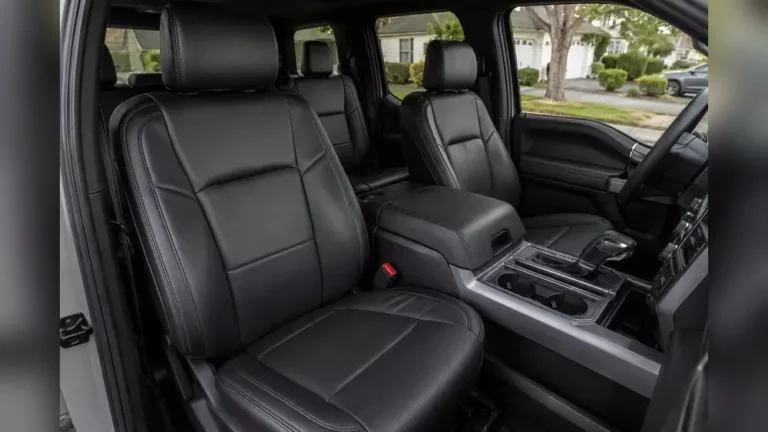 How to Clean Leather Seats Without Damaging Them: Expert Tips
Keeping your leather seats clean can be a challenge. Leather looks beautiful and feels luxurious, but it needs special care. Many people worry about damaging their…
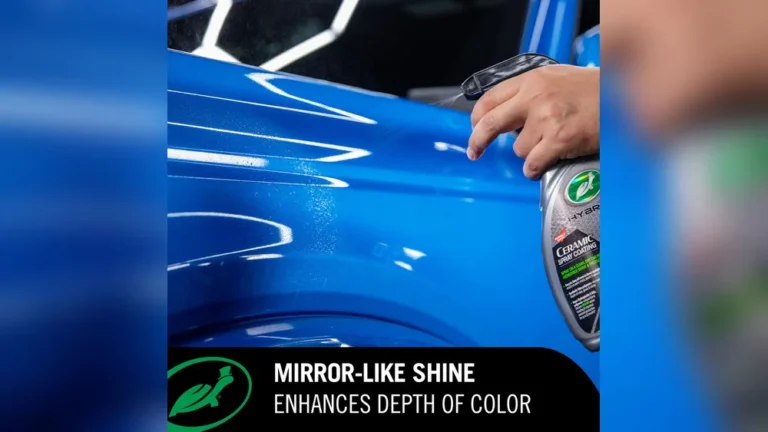 Why Using a Ceramic Coating Spray is Important for Your Car’s Shine
If you care about your car’s appearance and value, you probably wash and wax it regularly. But did you know there’s a better way to protect…