
How to Use a Quick Detailer to Keep Your Car Clean Easily
Keeping your car looking clean and shiny can feel like a full-time job, especially if you drive often or park outside. Water spots, dust, and fingerprints show up quickly, even after a good wash. This is where a quick detailer steps in — it’s a fast, easy way to maintain your car’s finish between washes. Many car owners overlook this simple product, not realizing how much it can help preserve the paint and keep the car looking fresh.
A quick detailer is more than just a spray bottle with a nice scent. It can make your car easier to clean, protect the paint, and save you time. In this guide, you’ll learn what a quick detailer does, how to use it the right way, and how it compares to other car cleaning products.
Whether you’re new to car care or want to get the most from your products, this article will give you clear, step-by-step advice.
What Is A Quick Detailer?
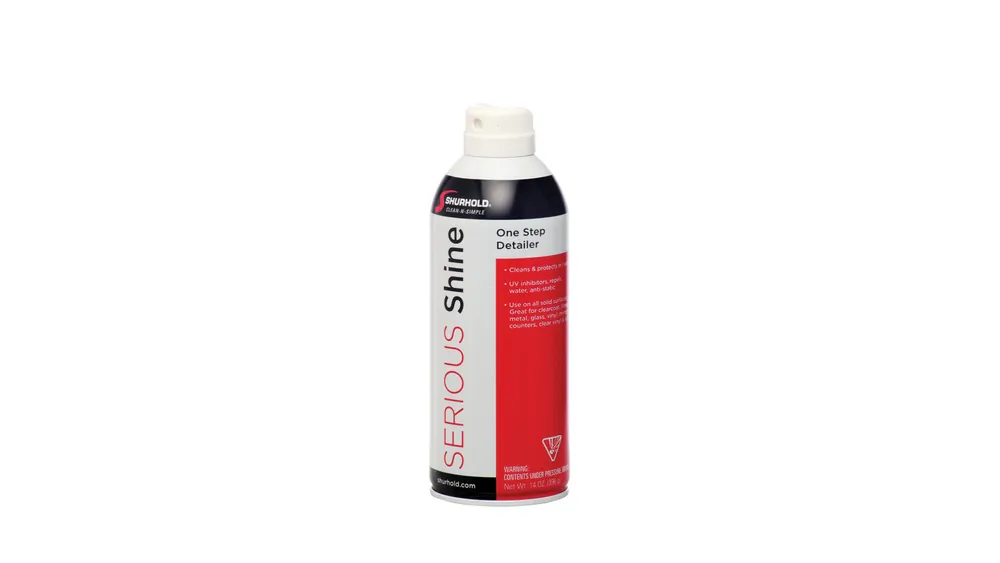
A quick detailer is a spray product designed to clean light dust, fingerprints, and minor marks from your car’s surface without a full wash. It adds a bit of shine and, in many cases, leaves behind a thin layer of protection. These sprays are safe for modern clear coats and can be used on paint, glass, and trim.
Quick detailers are not meant to remove heavy dirt or mud. They’re for touch-ups, such as after parking under a tree or when you spot some dust before a drive. Many contain lubricants to prevent scratching, and some add water-beading properties.
Key Features
- Fast cleaning: Wipes away dust and smudges in minutes
- Safe for paint: Contains lubricants to reduce scratching
- Adds gloss: Makes paint look freshly waxed
- Easy to use: No hose or buckets needed
When Should You Use A Quick Detailer?
Many drivers aren’t sure when to use a quick detailer. It works best in these situations:
- Between washes: Refresh your car’s shine without a full wash
- After rain: Remove water spots before they dry and stain
- Before a car show: Add quick gloss and remove fingerprints
- During waxing: As a clay bar lubricant or to remove wax residue
- After parking: If your car gathers pollen, dust, or bird droppings
It’s important to remember that a quick detailer is for light cleaning only. If your car is muddy or covered in heavy dirt, always wash it first to avoid scratching.

Credit: www.amazon.com
What You Need To Get Started
To use a quick detailer safely and effectively, you’ll need more than just the spray. Here’s what you should have on hand:
| Item | Purpose | Tip |
|---|---|---|
| Quick detailer spray | Cleans and shines car’s surface | Choose a trusted brand |
| Microfiber towels | Wipe without scratching | Use at least two: one to clean, one to buff |
| Optional: Gloves | Protect your hands | Good for sensitive skin |
Pro tip: Always use clean, high-quality microfiber towels. Old or dirty towels can trap grit and scratch your paint.
Step-by-step: How To Use A Quick Detailer
Getting the best results is about more than just spraying and wiping. Follow these steps for a safe, streak-free finish.
1. Park In The Shade
Direct sunlight can dry the spray too quickly, leaving streaks or spots. Find a shady spot and let your car cool down if the surface is hot.
2. Check The Surface
Run your fingers lightly over the paint. If you feel gritty dirt or see thick dust, wash your car first. Only use a quick detailer on mostly clean surfaces to prevent scratches.
3. Fold Your Microfiber Towel
Fold your towel into quarters. This gives you eight clean sides to work with, so you can switch to a fresh section often.
4. Spray Lightly
Mist a small area (about 2′ x 2′) with the quick detailer. Don’t soak the panel—just a light spray is enough. You can also spray onto your towel if you prefer.
5. Wipe Gently
Use very light pressure to wipe the surface. Let the towel and spray do the work. Turn the towel to a clean side as it picks up dirt.
6. Buff To A Shine
With a second clean microfiber towel, gently buff the area. This removes any streaks and leaves a glossy finish.
7. Repeat As Needed
Work panel by panel, repeating the process until the entire car is done.
Insight: Many beginners use too much spray or press too hard. Both can cause streaks or even scratches. Less is more—use just enough to dampen the area and always use clean towels.
Comparing Quick Detailers To Other Car Cleaning Products
It’s easy to confuse a quick detailer with other sprays like waterless washes or spray waxes. Here’s a quick comparison:
| Product | Main Purpose | Best For | Cleaning Strength |
|---|---|---|---|
| Quick detailer | Light cleaning & shine | Dust, fingerprints, smudges | Light |
| Waterless wash | Clean without water | Heavier dust, light dirt | Medium |
| Spray wax | Adds protection & gloss | Boosting wax layer | Very light |
Non-obvious tip: Some waterless washes can double as quick detailers, but most quick detailers are not strong enough for true waterless washing.
Common Mistakes To Avoid
Even with the best product, mistakes can happen. Here are some errors to watch out for:
- Using on a dirty car: Heavy dirt and grit scratch paint when wiped.
- Wrong towels: Regular cotton towels can leave lint and cause swirls.
- Too much pressure: Pressing hard grinds dirt into the paint.
- Spraying in the sun: Product dries too fast, leaving streaks.
- Reusing dirty towels: Always switch to a clean side or fresh towel to avoid spreading dirt.
Credit: www.nanoskinusa.com
Benefits Of Using A Quick Detailer Regularly
Adding a quick detailer to your routine does more than keep your car looking good. Here’s why it matters:
- Saves time: No need for a full wash every time you see dust.
- Paint protection: Lubricants reduce scratching, and many add a light barrier against contaminants.
- Maintains value: Regular care helps keep your car’s paint in better shape, protecting resale value.
- Easy to use: Great for busy people or those without easy access to water.
Real-world example: Many professional detailers use quick detailers between steps during a full detail. This prevents dust from settling and keeps the car perfect before waxing or delivering to the customer.
How Often Should You Use A Quick Detailer?
There’s no single answer—it depends on your driving habits, parking situation, and local climate. Some car owners use a quick detailer several times a week, especially if parking outside. Others use it only before special occasions. As a rule of thumb:
- Daily drivers: Use 2–3 times per week, or whenever you notice light dust
- Garage-kept cars: Once a week or before events
- After rain: As soon as the car dries to prevent water spots
Choosing The Right Quick Detailer For Your Needs
Not all quick detailers are the same. Here’s what to look for when picking one:
- Lubrication: Products with high lubricity are safer for the paint.
- No harsh chemicals: Stick with pH-neutral formulas to avoid stripping wax or sealant.
- Scent: Some have a strong chemical smell, while others are more pleasant.
- Ease of use: Look for streak-free formulas, especially if you live in a sunny area.
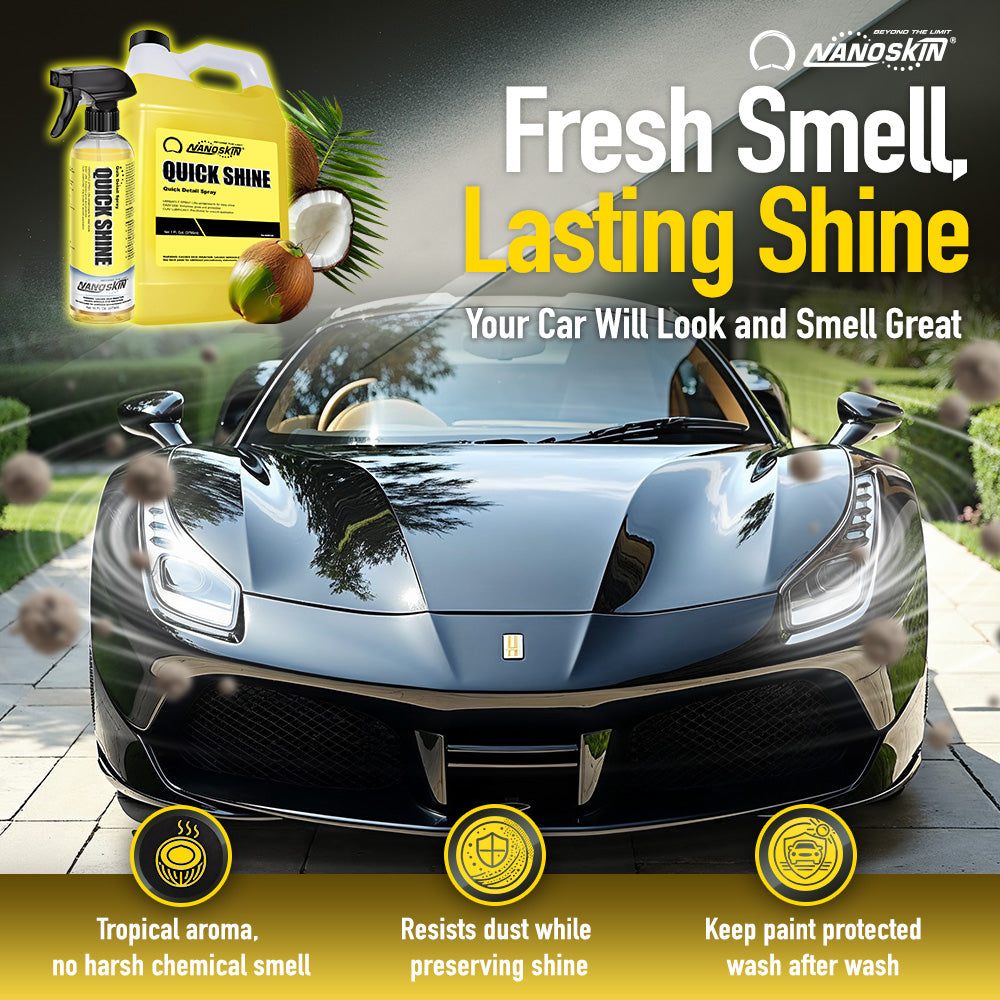
- Extra features: Some add water-beading, anti-static properties, or boost existing wax.
| Feature | Why It Matters | Who Should Care Most |
|---|---|---|
| High lubrication | Prevents scratches | All users, especially on dark cars |
| UV protection | Helps prevent fading | Cars parked outside |
| Gloss enhancers | Adds shine | Show car owners |
| Eco-friendly formula | Less impact on environment | Green-conscious owners |
Practical insight: If you have a ceramic-coated car, choose a quick detailer that is compatible with ceramic coatings. Some regular detailers can reduce the hydrophobic effect.
Tips For Best Results
- Use enough towels: Plan for at least two per session—one for cleaning, one for buffing.
- Keep towels clean: Wash microfiber towels separately, with no fabric softener, to preserve their effectiveness.
- Store properly: Keep your quick detailer spray out of direct sunlight and extreme cold.
- Try on glass and chrome: Many quick detailers are safe and work well on windows and trim, but always check the label first.
Advanced tip: For stubborn water spots or bugs, spray the area and let it soak for 30 seconds before wiping. This gives the product time to lift the debris.

Credit: jacksonswash.com
Frequently Asked Questions
What’s The Difference Between A Quick Detailer And A Spray Wax?
A quick detailer is for fast cleaning and light shine. A spray wax focuses on adding protection and gloss, not cleaning. Some products combine both features, but quick detailers are usually better at removing dust and fingerprints. For more on car waxes, you can check resources like the Car Wax Wikipedia page.
Can I Use A Quick Detailer On A Ceramic Coated Car?
Yes, but make sure the product is labeled safe for ceramic coatings. Some detailers have ingredients that can reduce the coating’s hydrophobic effect or cause streaking. Look for “ceramic safe” on the label.
Will A Quick Detailer Remove Scratches?
No. A quick detailer can hide very light swirls by adding gloss, but it will not remove scratches. For scratches, you need a polish or professional repair.
Is It Safe To Use A Quick Detailer On Windows And Plastic Trim?
Most quick detailers are safe for glass and plastic, but always check the label. Some may leave streaks or a slippery film on windows, so test on a small area first.
How Long Does The Shine From A Quick Detailer Last?
The shine and slickness usually last a few days to a week, depending on weather, driving, and parking. It’s not a long-term protectant like wax or sealant, but it’s perfect for touch-ups between deeper cleanings.
Using a quick detailer is one of the smartest ways to keep your car looking its best with minimal effort. With the right technique and product, you’ll spend less time washing and more time enjoying a clean, shiny ride. Whether you drive daily or just want your car to look special for an event, quick detailers are a simple but powerful tool in your car care routine.
Related posts
 Why You Should Use a Foam Cannon for Car Washing: Ultimate Guide
Washing your car is more than just making it look good. It protects the paint, keeps the value high, and makes driving feel better. But if…
 How to Clean Leather Seats Without Damaging Them: Expert Tips
Keeping your leather seats clean can be a challenge. Leather looks beautiful and feels luxurious, but it needs special care. Many people worry about damaging their…
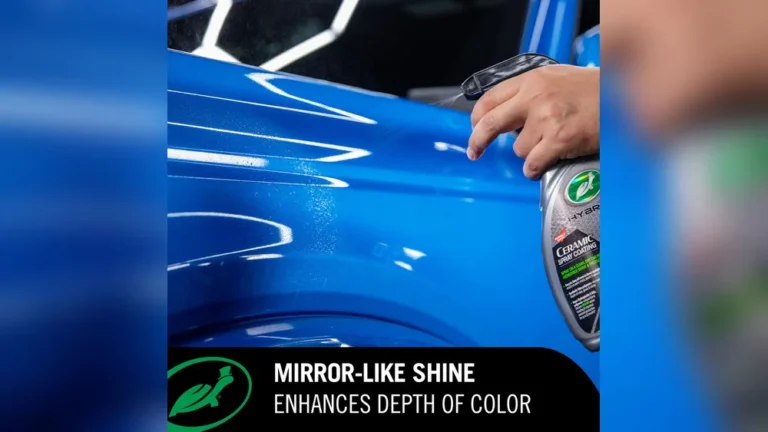 Why Using a Ceramic Coating Spray is Important for Your Car’s Shine
If you care about your car’s appearance and value, you probably wash and wax it regularly. But did you know there’s a better way to protect…